
Choosing the correct coolant for your Yamaha NMAX is one of the most critical maintenance decisions you can make to preserve the longevity and performance of your scooter. To keep your engine running within its optimal temperature range, you must use a high-quality, ethylene glycol-based coolant that is explicitly formulated to be silicate-free and phosphate-free, and certified safe for aluminum engines. In tropical climates like the Philippines, where daily commutes often involve navigating dense, stop-and-go traffic in high ambient heat and humidity, the cooling system of your NMAX works under continuous stress. Using an incompatible fluid can lead to rapid corrosion, clogged passages, water pump seal failure, and eventual engine overheating.
The Yamaha NMAX utilizes a compact, liquid-cooled, four-stroke engine that relies on a precise balance of heat dissipation. Because the engine block and radiator are constructed primarily of aluminum alloys, they require specialized chemical inhibitors to prevent galvanic corrosion without forming abrasive deposits. Understanding the exact specifications of your cooling system ensures that you do not accidentally introduce harmful additives that could degrade internal components over time. By focusing on the chemical properties, dilution ratios, and verification steps outlined in this guide, you can confidently select a coolant that maintains your scooter’s cooling efficiency and protects your investment.
Understanding Your Yamaha NMAX Cooling System Requirements
Before purchasing any coolant, the first step is to understand the baseline design of your Yamaha NMAX cooling system and locate the manufacturer’s official recommendations. The primary source of truth for your specific model year is always the owner’s manual, which outlines the exact fluid type, capacity, and maintenance intervals. Additionally, you can often find quick-reference labels near the coolant overflow reservoir tank, located under the footboard or side panels depending on the model generation. These labels provide immediate warnings and specification codes that serve as your baseline when shopping for replacement fluids.
Products mentioned in this guide
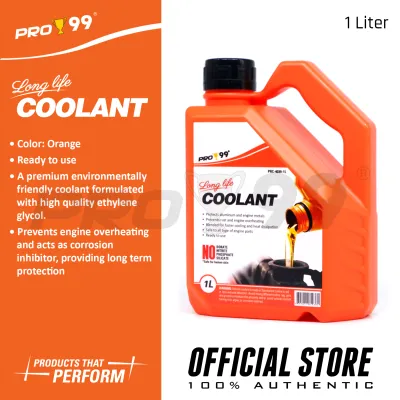
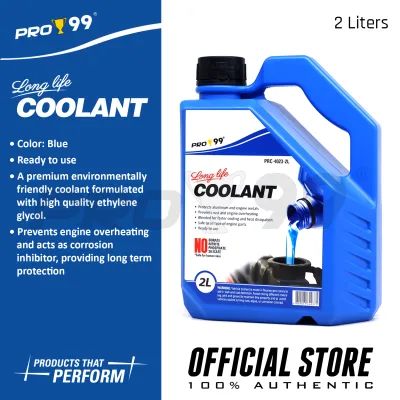
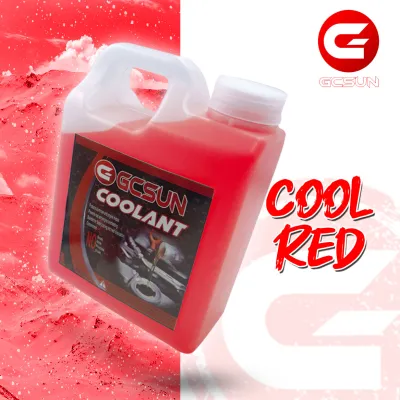
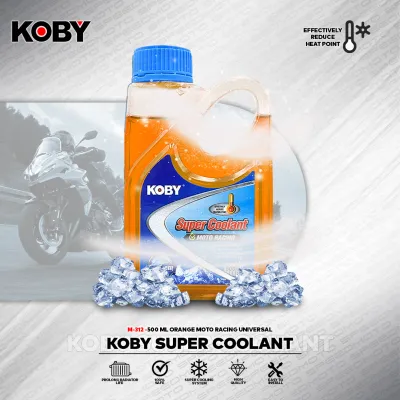
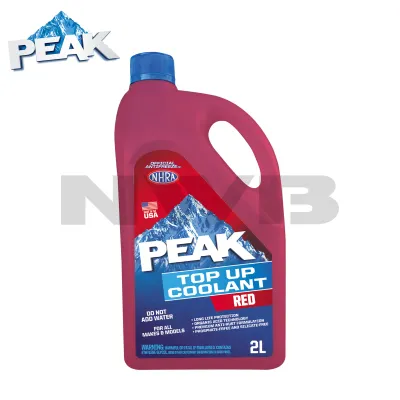
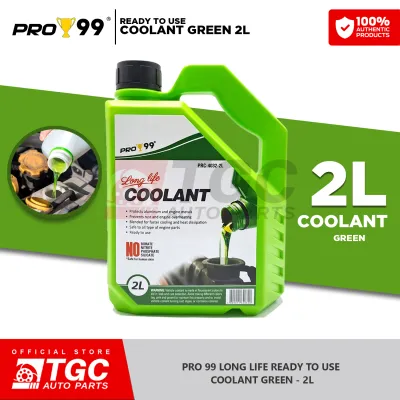
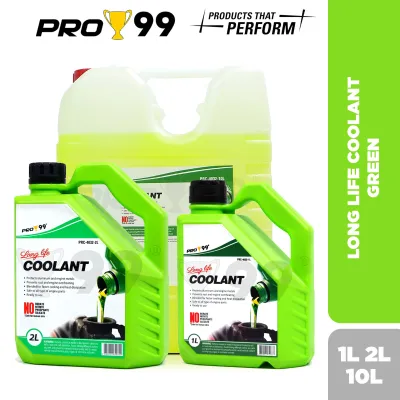
Prices are valid at publication and may change. Please refer to the product page for the latest price.
Modern motorcycle engines, including the Blue Core engine powering the Yamaha NMAX, rely heavily on aluminum components to minimize weight and maximize heat dissipation. Aluminum is highly efficient at transferring heat, but it is also chemically sensitive to certain minerals and additives. Standard automotive coolants designed for older, cast-iron engines often contain heavy-duty anti-corrosion agents that are highly destructive to aluminum alloys and the delicate rubber seals inside a motorcycle’s water pump.
Using a generic or unspecified heavy-duty automotive coolant can have catastrophic consequences for your NMAX. These generic formulas frequently contain high concentrations of silicates, which act as abrasive particles when subjected to the high-speed impeller rotation of a motorcycle water pump. Over time, these abrasives wear down the mechanical seals, leading to coolant leaks into the engine oil or external weeping. Furthermore, incompatible chemicals can react with the aluminum radiator tubes, forming an insulating layer of scale that severely restricts heat transfer and causes the engine to run dangerously hot.
Key Specifications to Look for in a Compatible Coolant
When evaluating different coolant options on the shelf or on an online marketplace, you must look past marketing buzzwords and focus entirely on the chemical specifications listed on the product label. The primary ingredient in any compatible NMAX coolant must be ethylene glycol. Ethylene glycol serves as the base fluid because it effectively elevates the boiling point of the mixture well above that of pure water, while also providing essential lubrication for the water pump’s moving parts. This boiling point elevation is crucial in tropical environments, preventing the coolant from vaporizing under extreme operating temperatures.

The most critical chemical restriction for your NMAX is the absolute absence of silicates and phosphates. You must select a formulation explicitly labeled as “silicate-free” and “phosphate-free.” Silicates are commonly used in automotive coolants to provide rapid corrosion protection for metal surfaces, but they tend to precipitate out of solution in small-capacity motorcycle systems, forming a gritty paste that ruins water pump seals. Similarly, phosphates can react with minerals in water to form hard scale deposits that clog the narrow passages of your NMAX’s radiator. Instead, look for Organic Acid Technology (OAT) or Hybrid Organic Acid Technology (HOAT) formulations that are specifically designated for aluminum motorcycle engines.
It is vital to understand that coolant color is a secondary identifier and should never be used as the sole basis for compatibility. Manufacturers use dyes—such as green, blue, pink, yellow, or orange—primarily for leak detection and brand identification. There is no universal industry standard linking a specific color to a chemical formulation. For example, a blue coolant from one brand might be an organic acid formula safe for your NMAX, while a blue coolant from another brand might contain high levels of silicates. Always read the chemical specification sheet and compatibility declarations on the back label rather than relying on the color of the liquid.
Pre-Mixed vs. Concentrated Coolant: Which Should You Choose?
Coolants are generally available in two distinct formats: pre-mixed (often labeled as “Ready-to-Use” or “50/50 Pre-Diluted”) and concentrated. For the vast majority of Yamaha NMAX owners, pre-mixed coolants are the highly recommended choice. Pre-mixed formulas are blended at the factory using precise ratios of ethylene glycol and highly purified demineralized water. This eliminates the guesswork, measuring, and potential contamination associated with manual mixing, allowing you to pour the fluid directly into your reservoir or radiator during maintenance.
If you choose to purchase concentrated coolant, you must be prepared to dilute it yourself, which introduces significant risks if not done correctly. You must never use standard tap water, well water, or even bottled drinking water to dilute concentrated coolant. Tap water contains dissolved minerals such as calcium, magnesium, and chlorine, which quickly react with the coolant’s inhibitors to form scale buildup inside the radiator tubes. This scale acts as an insulator, trapping heat inside the engine and eventually clogging the system. If you must use a concentrate, you must mix it exclusively with distilled or deionized water, which has been stripped of all mineral content.
To help you decide which format fits your maintenance setup, consider your access to pure water and your willingness to follow precise mixing procedures. If you perform your own maintenance in a home garage with limited tools, a pre-mixed bottle is the safest and most convenient option, preventing any risk of mineral contamination. However, if you are an experienced DIY mechanic who already keeps a supply of distilled water on hand and prefers to customize dilution ratios for specific riding conditions, a concentrated formula can be a viable alternative. For general daily commuting in the Philippines, the convenience and safety of a pre-mixed 50/50 or 60/40 ethylene glycol mixture far outweigh the minor cost savings of mixing concentrate.
How to Verify Compatibility Before Purchasing
Before finalizing your purchase at a local motorcycle supply shop or an online marketplace, you should perform a systematic check of the product packaging to verify its compatibility with your Yamaha NMAX. Start by carefully reading the back label for explicit motorcycle-specific approvals. Look for statements indicating that the product is safe for aluminum engines, high-RPM motorcycle cooling systems, and that it meets or exceeds OEM specifications. If a product only lists compatibility with heavy-duty diesel trucks or older passenger cars, it is not suitable for your scooter.
You should actively avoid “universal” coolants that make broad, sweeping claims of compatibility with all makes and models without providing clear chemical disclosures. True universal coolants often contain a compromise of chemical inhibitors designed to work passably in a wide range of vehicles, but they rarely provide the specialized protection required by high-revving, small-displacement motorcycle engines. If the label does not explicitly state that the formula is silicate-free and phosphate-free, or if it lacks a detailed list of active ingredients, do not risk pouring it into your NMAX.
Finally, inspect the physical packaging of the coolant to ensure product integrity. Verify that the safety seal under the cap is completely intact and shows no signs of tampering or leakage. Look for a legible manufacturing date, batch number, and expiration date printed on the bottle, as chemical inhibitors can degrade if the product has been sitting on a shelf for several years. Purchasing from reputable, authorized retailers rather than unverified online sellers reduces the risk of acquiring counterfeit or expired fluids that could cause severe engine damage.
Safe Handling and Refilling Guidelines
Working on your Yamaha NMAX cooling system requires strict adherence to safety protocols to prevent severe personal injury and mechanical damage. The absolute most important safety rule is to never, under any circumstances, open the radiator cap or the reservoir tank while the engine is hot or warm. The cooling system operates under high pressure when hot, and opening a cap can cause boiling coolant and steam to spray out violently, resulting in severe burns. Always allow the motorcycle to sit turned off for at least several hours, ensuring the engine block and radiator are completely cold to the touch before beginning any work.
When performing routine maintenance, it is important to distinguish between the main radiator cap and the coolant overflow reservoir. For standard top-ups to maintain the correct fluid level, you should only add pre-mixed coolant directly to the overflow reservoir tank, which is designed for easy access and safe monitoring. The main radiator cap, located under the front body panels, should generally remain closed during routine checks. Opening the radiator cap unnecessarily can introduce air pockets into the cooling system, which can disrupt the flow of coolant and lead to localized hot spots within the engine.
You must also recognize clear stop conditions where DIY maintenance should end and professional service should begin. If you notice that your old coolant is severely discolored, contains rust particles, has a milky appearance (indicating engine oil contamination), or if your engine has been consistently running hot, do not attempt a simple top-up. These symptoms indicate deeper mechanical issues, such as a blown head gasket or a failing water pump seal. In such cases, or if the system requires a complete flush and air bleeding, you should immediately halt your work and consult a qualified motorcycle mechanic at an authorized service center to diagnose and repair the system safely.
Frequently Asked Questions (FAQ)
Can I mix two different brands of coolant if they are the same color?
No, you should never mix different brands of coolant even if they share the exact same color. As established, coolant color is merely a dye added by the manufacturer and does not represent the chemical composition of the fluid. Mixing different brands can cause a chemical reaction between incompatible corrosion inhibitors, which can lead to the formation of a thick gel or sludge. This gel can clog your radiator tubes and water pump, leading to immediate overheating. If you need to switch to a different brand of coolant, you should perform a complete system flush with distilled water before adding the new fluid.
How often should the coolant be replaced in a Yamaha NMAX?
To determine the precise coolant replacement interval for your Yamaha NMAX, you must refer strictly to the periodic maintenance table in your specific model year’s owner’s manual. Generally, manufacturers recommend a complete coolant replacement every two years or at a specific mileage interval, whichever comes first. However, you should also perform regular visual inspections of the fluid level and condition in the overflow reservoir. If you notice the coolant has become dark, cloudy, or contains visible debris before the scheduled interval, you should have the system inspected and the fluid replaced early.
Is it safe to use car coolant in my NMAX in an emergency?
You should generally avoid using standard automotive coolant in your NMAX because many car formulas contain silicates and phosphates that can damage motorcycle water pump seals and clog small radiator passages. In a true emergency where your coolant level is dangerously low and you must ride to reach safety, the safest temporary top-up is pure distilled water rather than an unknown car coolant. Distilled water will temporarily dilute your coolant mixture but will not introduce harmful chemicals. Once you reach a service center or your home garage, you should have the system flushed and refilled with the correct motorcycle-specific, silicate-free coolant.
Community discussion
Share your experience or ask a question. Comments are reviewed before publication.