
Choosing the right engine cover for your Yamaha NMax V1 in the Philippines involves balancing robust physical protection with personalized style. The NMax V1 remains a highly popular scooter on Philippine roads, navigating everything from daily city commutes in heavy traffic to long weekend rides across provincial highways. To safeguard your engine from road debris, gravel, and accidental drops, or simply to elevate its visual appeal, several aftermarket cover options are available. These primarily range from heavy-duty CNC-machined aluminum guards to lightweight ABS plastic and premium carbon fiber covers. Selecting the ideal option requires understanding your specific riding conditions, verifying precise model compatibility, and evaluating how different materials perform under intense tropical heat and humidity.
Quick Guide: Selecting the Right Engine Cover for Your NMax V1
When selecting an engine cover for your Yamaha NMax V1, your first decision should center on whether you require heavy-duty impact protection or simple cosmetic customization. The riding environment in the Philippines presents unique challenges, including loose gravel, deep potholes, and sudden monsoon floods, all of which can kick up damaging debris against your scooter’s lower frame.
Because the NMax V1 (typically covering model years 2015 through 2019) features a distinct crankcase and radiator layout compared to later generations, verifying exact model compatibility is non-negotiable. Choosing the wrong version will result in misaligned bolt holes and potential clearance issues.
Products mentioned in this guide
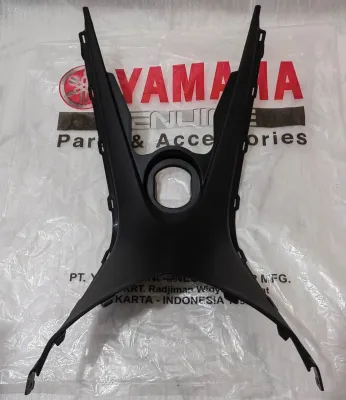
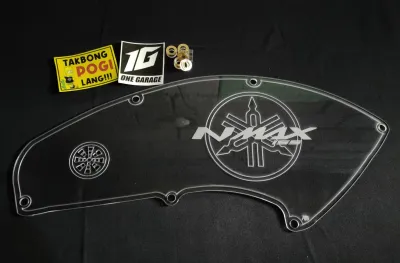
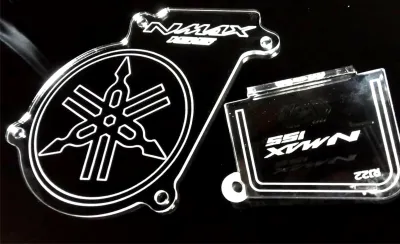
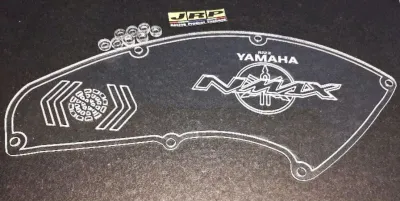
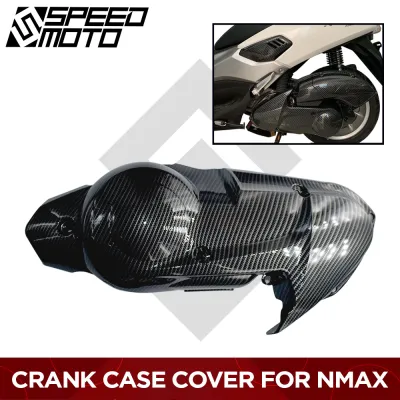
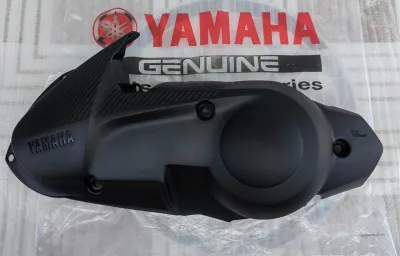
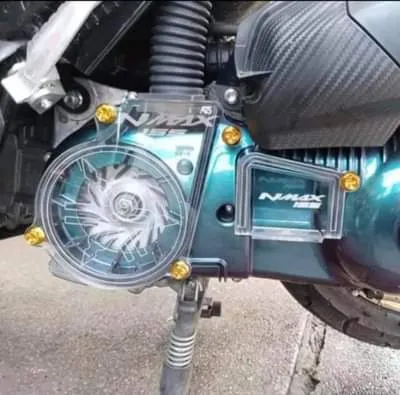
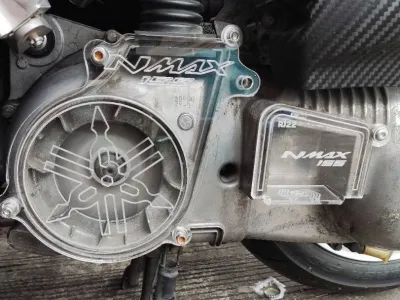
Prices are valid at publication and may change. Please refer to the product page for the latest price.
Material choice dictates both the durability and the cost of the accessory. CNC-machined aluminum covers offer robust structural defense against hard impacts but carry a higher price tag. Conversely, ABS plastic covers provide an affordable, lightweight way to customize your scooter’s appearance and guard against minor scratches, though they offer limited protection against severe impacts.
Identifying Your Primary Goal: Protection vs. Aesthetics
Clarifying your primary motivation for installing an engine cover will significantly narrow down your product options and prevent unnecessary spending. Riders who frequently traverse unpaved provincial roads, construction zones, or poorly maintained city streets should prioritize physical protection. A sturdy cover shields the vulnerable aluminum engine casing from flying stones, road salt, and debris that can cause hairline cracks or oil leaks over time.

For daily commuters in congested urban areas like Metro Manila or Cebu, low-speed tip-overs and parking-space scrapes are common hazards. In these scenarios, a robust protective guard acts as a sacrificial barrier, absorbing the impact energy and saving you from expensive crankcase repairs. If your daily route involves these high-risk environments, prioritizing impact resistance over pure aesthetics is the most practical approach.
On the other hand, if your NMax V1 is primarily a show bike or a weekend cruiser kept on well-paved roads, aesthetic enhancement might be your main goal. Visual upgrades allow you to personalize your scooter to match a specific color scheme or design theme. Many riders opt for covers featuring carbon-fiber textures, anodized colors, or intricate cutouts that showcase the mechanical components underneath.
However, your chosen goal will directly influence the weight, thickness, and design complexity of the cover. Heavy-duty protective covers are naturally thicker and heavier, which can slightly alter the clearance around the lower frame. Aesthetic covers tend to be thinner and lighter, making them easier to install but far less capable of withstanding direct, high-velocity impacts from road hazards.
Essential Fitment and Compatibility Checks
Before purchasing any aftermarket engine cover, you must perform a series of compatibility checks to ensure a seamless fit and safe operation. The Yamaha NMax has undergone multiple design iterations, and parts designed for the V2 or V3 models will not fit the V1. The V1 crankcase, airbox mounting points, and radiator shroud have specific dimensions that require dedicated accessories.
Always cross-reference the product listing with your scooter’s specific model year. Do not rely solely on generic titles like “NMax Engine Cover” or “NMax Accessories.” Look for explicit confirmation from the manufacturer or seller that the product is molded or machined specifically for the V1 generation.
Another critical step is assessing how the new engine cover will interact with your existing aftermarket modifications. If you have installed crash guards, frame sliders, aftermarket exhaust systems, or modified center stands, there is a high probability of clearance interference. For instance, some wrap-around crash guards occupy the same mounting bolts near the front of the engine casing, which can prevent a bulky CNC cover from seating properly.
Examine the routing of your exhaust pipe as well. Some aftermarket exhaust manifolds run closer to the engine block than the stock pipe, which can expose plastic engine covers to extreme heat, leading to warping or melting. Ensure there is adequate clearance between the cover and any high-heat components.
Finally, review the mounting point requirements of the product. High-quality engine covers are designed to utilize the original equipment manufacturer (OEM) bolt locations on the engine casing. Avoid any aftermarket accessory that requires you to drill, tap, or make permanent modifications to your scooter’s frame or engine block, as this can compromise structural integrity and lead to severe mechanical failures.
Evaluating Material Options for Durability and Style
The material of your engine cover determines how well it survives the harsh tropical climate of the Philippines, where high humidity, intense sunlight, and heavy rains are daily realities. Understanding the strengths and weaknesses of each material will help you make an informed investment.
CNC-machined aluminum is highly favored for its exceptional structural rigidity and impact resistance. This material can withstand significant force from road debris and minor accidents without cracking. Additionally, aluminum possesses excellent heat dissipation properties, helping to draw heat away from the engine casing during long rides in stop-and-go traffic. However, anodized aluminum finishes can fade over time when exposed to intense tropical sunlight, requiring occasional UV-protective treatment to maintain their color.
ABS plastic and polypropylene options are highly popular due to their lightweight nature and cost-effectiveness. These materials do not rust or corrode when exposed to rain or road grime, and they naturally dampen engine vibrations, preventing annoying rattles. While they are excellent for preventing minor scratches and keeping mud off the engine, they can crack or shatter under moderate to high impacts.
Carbon fiber covers offer a premium, high-tech appearance and a high strength-to-weight ratio. Real carbon fiber is incredibly strong and heat-resistant, but it is also the most expensive option on the market. It is crucial to distinguish between genuine structural carbon fiber and hydro-dipped ABS plastic. Hydro-dipped covers are standard plastic parts printed with a carbon-fiber pattern; while they look similar from a distance, they do not offer the structural strength of real carbon fiber and can peel if exposed to harsh cleaning solvents or extreme engine heat.
To help you compare these options, the table below outlines the key characteristics of each material based on typical market observations:
| Material Type | Relative Weight | Impact Resistance | Maintenance Requirements | Typical Price Range |
|---|---|---|---|---|
| CNC Aluminum | Moderate | High | High (Anodizing can fade in sun) | ₱1,200 – ₱3,500 |
| ABS Plastic | Very Lightweight | Low to Moderate | Low (Easy to clean) | ₱300 – ₱900 |
| Real Carbon Fiber | Extremely Lightweight | High | Moderate (Requires UV protection) | ₱2,500 – ₱6,000 |
| Hydro-dipped Plastic | Very Lightweight | Low to Moderate | Moderate (Avoid harsh solvents) | ₱500 – ₱1,200 |
Installation Requirements and Safety Boundaries
Installing an aftermarket engine cover requires careful attention to mechanical detail to avoid damaging your scooter’s engine block. Before beginning the installation, always consult the official Yamaha service manual for your NMax V1 to identify the correct torque specifications for the engine casing bolts. The engine block is made of relatively soft aluminum alloy, and over-tightening bolts can easily strip the internal threads, resulting in oil leaks and expensive repairs.
When mounting the cover, ensure that all bolts are threaded by hand first to prevent cross-threading. Use a calibrated torque wrench to tighten the bolts to the manufacturer’s specified torque, usually measured in Newton-meters (Nm). Never use impact wrenches or excessive manual force during this process.
Maintaining critical clearances is another essential safety boundary. Once the cover is temporarily positioned, check that it does not press against or pinch any electrical wiring harnesses, fuel lines, or cooling hoses. The cover must also clear the rear suspension swingarm and the center stand throughout their full range of motion. Any rubbing or contact can wear through protective sleeves over time, leading to electrical shorts or fluid leaks.
Establish clear stopping conditions during the installation process. If you find that the bolt holes on the aftermarket cover do not align naturally with the OEM mounting points, do not attempt to force the bolts in at an angle. Forced alignment can cross-thread the engine casing or put undue stress on the engine block. If the cover requires you to bend, cut, or otherwise modify any structural component of the motorcycle, halt the installation immediately and consult a qualified professional mechanic.
Sourcing Reliable Parts and Verifying Authenticity
Finding a high-quality engine cover for your NMax V1 requires careful sourcing, especially with the abundance of counterfeit or poorly manufactured parts available online. When browsing online marketplaces or visiting local physical motorcycle accessory shops, prioritize sellers who have established reputations and positive feedback specifically from other NMax V1 owners.
Look for product listings that include detailed, close-up photos of the mounting brackets and the overall finish. Customer reviews with uploaded photos are invaluable, as they allow you to verify how the product looks and fits on an actual V1 scooter in real-world conditions. Avoid listings that use generic stock photos or lack detailed specifications.
To verify product authenticity, especially for premium brands, check for official packaging, brand holograms, serial numbers, or authorized distributor certificates. Genuine manufacturers often include branded hardware, high-quality gaskets, and clear instruction manuals with their products. If a premium-branded cover is offered at a suspiciously low price, it is highly likely to be a low-quality imitation that may suffer from poor fitment or substandard materials.
Before finalizing your purchase, always review the seller’s return and exchange policies. Ensure that they offer a clear return window for mismatched, defective, or ill-fitting motorcycle parts. Having a reliable return policy protects your investment in case the cover does not align perfectly with your NMax V1’s mounting points or interferes with your existing modifications.
Frequently Asked Questions (FAQ)
Does an aftermarket engine cover affect the Yamaha warranty?
Installing an aftermarket engine cover generally does not void your entire motorcycle warranty, provided it is a non-functional, cosmetic, or protective accessory that does not alter the engine’s internal mechanics. However, if an improperly installed cover causes direct damage—such as stripped casing threads, oil leaks from over-tightened bolts, or overheating due to blocked airflow—the warranty claims for those specific damages will likely be denied. Always review your specific warranty terms and consult your local authorized Yamaha dealer before performing any modifications.
Will the cover block access for routine oil changes?
Whether an engine cover blocks access to routine maintenance points depends entirely on its design. Full-coverage designs that wrap around the lower crankcase often block access to the oil drain plug or the oil strainer screen, requiring you to remove the entire cover during every oil change. Slotted or partial-coverage designs are typically engineered with cutouts that allow easy access to these maintenance points without disassembly. Before purchasing, review the product’s design layout to ensure it accommodates routine servicing without adding unnecessary labor to your maintenance schedule.
Community discussion
Share your experience or ask a question. Comments are reviewed before publication.