
Choosing the right brake pad for your Yamaha Sniper 150 depends heavily on your riding style, budget, and preference for factory-tuned braking feel. There is no single “best” brand for every rider; the ideal choice balances stopping power, durability, and cost. Choose genuine OEM pads if you prioritize predictable braking, exact factory specifications, and hassle-free compatibility. Choose reputable aftermarket brands if you seek specific performance traits—such as higher heat resistance for aggressive riding—and are willing to verify material specifications. Verify first if considering budget-friendly options to ensure they meet basic safety standards and are not counterfeit.
Assessing Your Riding Style and Braking Needs
To make an informed decision, evaluate your typical riding conditions and how they affect your motorcycle’s braking system. The Yamaha Sniper 150 is a highly versatile underbone, serving as a daily commuter, a weekend touring machine, or a platform for spirited riding. Each scenario places distinct demands on your brake pads, meaning a compound that excels in one environment might underperform in another.
Daily city commuting in major metropolitan areas involves constant stop-and-go traffic, high ambient temperatures, and sudden downpours. In these conditions, you need brake pads that offer a reliable initial bite from a complete stop without requiring a warm-up period. The pads must also perform consistently when wet, as flooded streets and sudden tropical rainstorms are common challenges.
Products mentioned in this guide
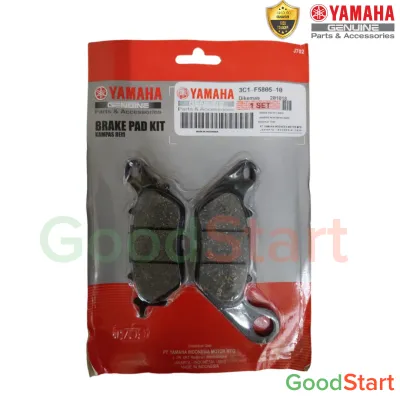
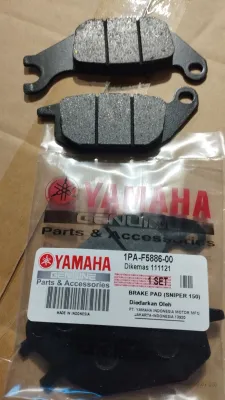
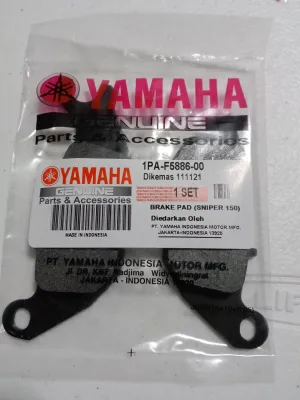
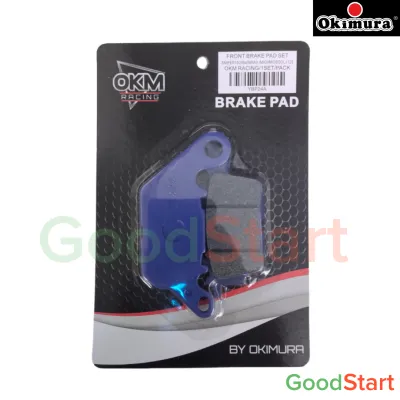
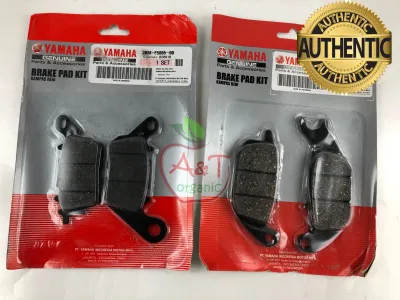
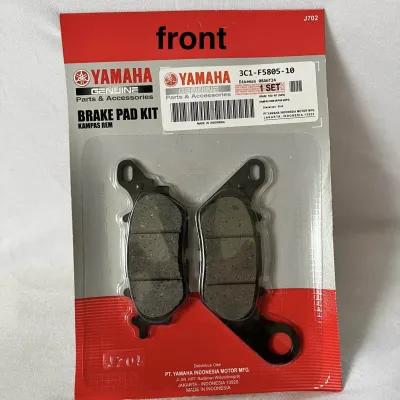
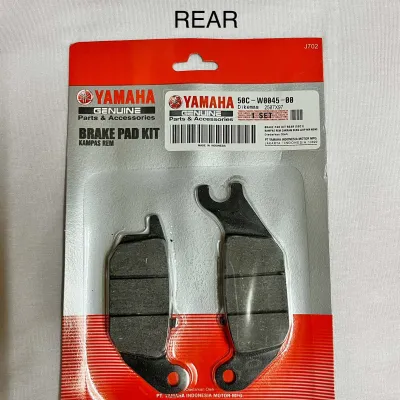
Prices are valid at publication and may change. Please refer to the product page for the latest price.
For highway touring or long-distance travel across provinces, your priorities shift toward durability and progressive lever feel. You want a braking response that allows for smooth deceleration at higher speeds without sudden, jerky grabs. This predictability helps maintain stability, especially when carrying heavy top boxes or riding with a pillion passenger over varying road surfaces.
Aggressive riding, such as navigating winding mountain roads, demands high resistance to brake fade. Frequent, hard braking generates intense heat within the caliper and disc assembly. Under these conditions, standard pads can lose their friction coefficient, resulting in a spongy lever and longer stopping distances. Identifying your primary riding environment allows you to choose a pad material tailored to these specific thermal and mechanical stresses.
Genuine OEM Brake Pads: Predictability and Factory Specs
Genuine Yamaha original equipment manufacturer (OEM) brake pads are engineered specifically for the Sniper 150, offering a highly balanced performance profile. Yamaha designs these pads to match the exact metallurgical properties of the stock brake discs. This precise pairing ensures that both the pad and the rotor wear down at a controlled, predictable rate under standard operating conditions.

One of the primary advantages of choosing OEM pads is the consistency of the braking feel. From the moment you install them, the lever pressure and stopping distance will feel identical to how the motorcycle performed when it first rolled off the showroom floor. This predictability is highly valuable for riders who prefer a familiar, hassle-free experience and do not want to adapt to a different bite point or lever feedback.
OEM pads are typically composed of an organic or semi-metallic compound optimized for general street use. This formulation provides excellent cold bite, meaning the brakes work effectively even during your first morning ride before the system has accumulated any heat. Additionally, these factory pads are designed to operate quietly, minimizing the high-pitched squealing that can sometimes plague high-performance aftermarket alternatives.
To ensure you are purchasing genuine OEM parts, always inspect the packaging and source them from authorized Yamaha shops or established distributors. Genuine Yamaha parts feature distinct security labels, clear part numbers, and high-quality packaging materials. Counterfeit OEM pads are common in the market, and using them poses a severe safety risk, as their friction materials can delaminate or fail entirely under moderate braking pressure.
Aftermarket Alternatives: Materials and Performance Trade-offs
Stepping into the aftermarket opens up a wide variety of friction materials, each offering distinct performance characteristics and trade-offs. The three primary categories of aftermarket brake pads are organic, semi-metallic, and sintered (metallic) compounds. Understanding how these materials behave under different conditions is essential for selecting the right alternative for your Sniper 150.
Organic brake pads are made from a mixture of fibers and organic materials bonded with resin. They are generally soft, quiet, and very gentle on your brake rotors, making them a budget-friendly option for light city commuting. However, they tend to wear out more quickly than other materials and are highly susceptible to brake fade when subjected to high temperatures or heavy loads.
Semi-metallic pads combine organic materials with metallic fibers, offering a middle ground in terms of performance and durability. They provide a stronger initial bite and better heat dissipation than organic pads, making them highly suitable for general daily riding and occasional long trips. The trade-off is a slight increase in brake dust and a higher potential for occasional squealing under light braking.
Sintered metallic pads are manufactured by fusing metallic particles together under high pressure and temperature. These pads offer exceptional stopping power, outstanding heat resistance, and excellent performance in wet tropical weather. However, they are much harder than organic or semi-metallic options, which leads to accelerated wear on your stock brake rotors. They also require a brief warm-up period to reach their optimal operating temperature and can produce more brake noise.
How to Compare Specific Brands and Specifications
When comparing different aftermarket brands for your Sniper 150, establish a clear framework based on verifiable specifications rather than marketing claims. Start by identifying the exact friction material compound offered by the manufacturer. Reputable brands clearly label their products as organic, semi-metallic, or sintered, allowing you to match the material to your established riding needs.
Next, look for information regarding the operating temperature range and heat dissipation properties of the pads. High-quality aftermarket manufacturers often provide friction coefficient ratings across different temperature scales. If you frequently ride in hilly terrain or carry heavy loads, prioritize pads designed to maintain a stable friction coefficient even as temperatures rise.
Inspect the physical construction of the brake pad before purchase. Reputable brands utilize high-quality backing plates with precise dimensions that match the Sniper 150’s caliper carrier perfectly. Look for features like chamfered edges, which help reduce brake noise, and expansion slots that assist in dispersing heat and clearing water or road debris from the contact patch.
Finally, check for recognized safety certifications and quality standards printed on the packaging, such as ECE R90 certification or specific friction codes. These markings indicate that the product has undergone standardized testing to ensure it meets strict safety and performance criteria. Avoid any brand that lacks clear manufacturing details, contact information, or verifiable product specifications.
Installation Safety and Proper Break-In Procedures
Brakes are the most critical safety system on your motorcycle, and any maintenance work must be approached with extreme care. Before attempting to replace your brake pads, consult the official Yamaha Sniper 150 service manual to understand the exact disassembly steps, cleaning procedures, and torque specifications for the caliper mounting bolts and pin bolts. Using incorrect torque can lead to loose components or stripped threads, both of which can cause catastrophic brake failure.
If you are not fully confident in your mechanical skills, or if your braking system requires advanced maintenance like a caliper rebuild or a brake fluid flush, always seek the services of a qualified professional mechanic. A professional has the specialized tools and experience necessary to ensure the calipers are properly aligned, the pistons move freely, and the hydraulic system is completely free of air bubbles.
Once new brake pads are installed, they must undergo a proper bedding-in, or break-in, procedure before you ride at normal speeds. Bedding-in allows the new pad material to mate perfectly with the microscopic imperfections of the brake rotor, transferring a thin, even layer of friction material onto the disc. To bed in your pads safely, perform a series of gentle, controlled stops from moderate speeds in a safe, traffic-free area, allowing the brakes to cool slightly between each stop. Avoid hard, sudden braking during the first few dozen kilometers of use.
After installation and during your initial rides, remain highly alert to the behavior of your brakes. If you experience unusual grinding noises, a spongy or excessively soft brake lever, or a noticeable reduction in stopping power, stop riding immediately. These symptoms indicate a potential installation error, air in the hydraulic lines, or incompatible components, requiring immediate inspection and correction by a professional.
Sourcing Authentic Parts and Avoiding Counterfeits
The popularity of the Yamaha Sniper 150 has unfortunately made it a prime target for counterfeit spare parts, including brake pads. Using fake brake pads is highly dangerous, as sub-standard friction materials can crack, crumble, or separate from the backing plate under emergency braking, leading to a complete loss of stopping power. Protecting yourself requires a cautious and deliberate purchasing strategy.
Always prioritize buying your brake pads from authorized Yamaha dealerships, well-established local motorcycle accessory shops, or the official online flagship stores of reputable aftermarket brands. When shopping on online marketplaces, look for verified seller badges, high customer ratings, and detailed, positive reviews that include actual photos of the product and packaging.
Be highly suspicious of deals that seem too good to be true. If you find a set of brake pads labeled as genuine OEM or a premium aftermarket brand priced significantly below the standard market rate in ₱, it is highly likely to be a counterfeit. Other common red flags include poor print quality on the packaging, spelling errors, missing holographic security stickers, or a backing plate that exhibits rough, unfinished edges and uneven paint.
Remember that saving a small amount of money on cheap, unverified brake pads is never worth the risk to your personal safety. Investing in authentic, high-quality components ensures that your motorcycle will stop reliably when you need it most, giving you peace of mind on every journey.
Frequently Asked Questions (FAQ)
Can I use Sniper 135 brake pads on my Sniper 150?
You should not assume that brake pads designed for the Yamaha Sniper 135 are compatible with the Sniper 150, even though the models share a similar heritage. Yamaha has updated the caliper designs, disc dimensions, and mounting configurations across different generations of these underbones. To ensure absolute safety and proper fitment, always verify the specific OEM part numbers or aftermarket compatibility lists provided by the manufacturer. Attempting to force-fit incompatible pads can damage your calipers, cause uneven rotor wear, or lead to sudden brake binding while riding.
How often should I replace my motorcycle brake pads?
There is no fixed mileage interval for replacing your brake pads, as wear rates depend heavily on your riding style, payload, and environmental conditions. Instead, perform a visual inspection of your brake pads at least once a month or during every routine oil change. Look closely at the thickness of the friction material; most pads feature built-in wear indicator grooves. If the friction material has worn down to the bottom of these grooves, or if the remaining material is less than two millimeters thick, replace them immediately to prevent damaging your brake rotors.
Community discussion
Share your experience or ask a question. Comments are reviewed before publication.