
Deciding between an Original Equipment Manufacturer (OEM) cam chain tensioner and an aftermarket alternative for your Yamaha Sniper 155 comes down to how you use your motorcycle, your budget, and your tolerance for mechanical risk. The cam chain tensioner is a small but vital component that keeps your engine’s internal timing in perfect sync. While a genuine Yamaha part offers guaranteed compatibility and factory-tested reliability, high-quality aftermarket options can provide alternative adjustment methods for modified engines. Making the wrong choice or installing a substandard part can lead to severe engine damage, making it essential to understand the strengths and limitations of each option before purchasing.
For daily commuters who rely on their motorcycle for work or long rides across the Philippines, maintaining engine reliability is the highest priority. The Sniper 155 is known for its high-performance liquid-cooled engine and Variable Valve Actuation (VVA) system, both of which require precise valve timing to operate efficiently. A failing or incorrect tensioner can disrupt this timing, leading to costly repairs that far outweigh the initial savings of a cheap replacement part. This guide provides a detailed comparison to help you choose the safest and most reliable component for your motorcycle.
The Critical Role of the Cam Chain Tensioner
The cam chain tensioner maintains the correct amount of tension on the timing chain, which connects the crankshaft to the camshaft. This constant tension ensures that the valves open and close at the exact microsecond required relative to the piston’s position. Without a properly functioning tensioner, the timing chain can become loose, leading to erratic engine performance and accelerated wear on internal components.
Products mentioned in this guide
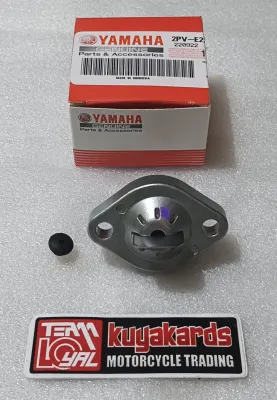
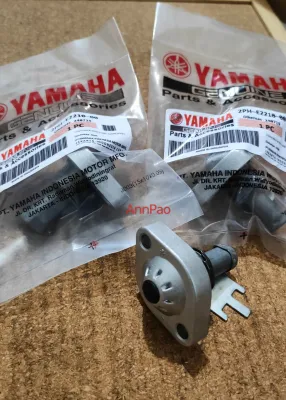
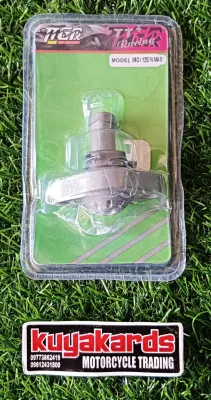
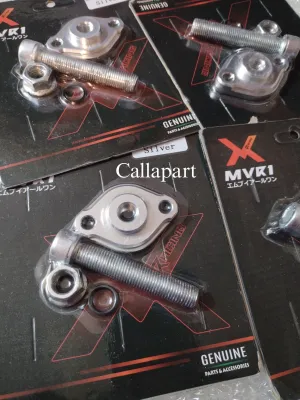
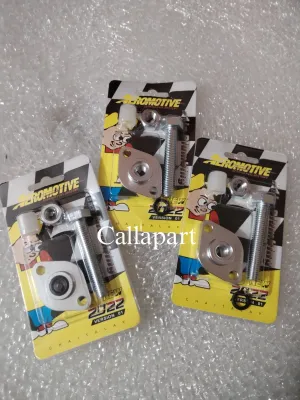
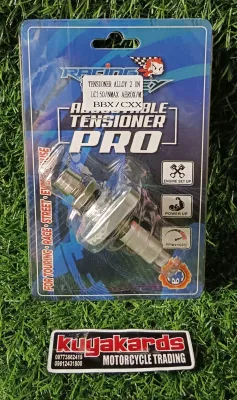
Prices are valid at publication and may change. Please refer to the product page for the latest price.
When a tensioner begins to fail, the timing chain will start to slap against the internal engine guides and casing. This typically produces a distinct metallic rattling or clicking noise, which is often most noticeable during cold starts or when the engine is idling. If you ignore these auditory warning signs, the chain can eventually skip a tooth on the camshaft sprocket, throwing the engine’s timing completely out of alignment.
In a high-compression engine like the Yamaha Sniper 155, a skipped timing chain can result in catastrophic engine failure. If the timing jumps significantly, the piston can physically strike the open valves. This valve-to-piston contact instantly bends the valves, damages the piston head, and can crack the cylinder head itself. Repairing this level of damage requires a complete engine rebuild, which is highly expensive and keeps your motorcycle off the road for an extended period.
Evaluating OEM Yamaha Tensioners
Choosing a genuine OEM Yamaha cam chain tensioner provides the baseline standard of reliability established by the factory. These parts are engineered specifically for the Sniper 155, meaning the internal spring rates and hydraulic pressure limits are calibrated to match the engine’s exact operating temperatures and RPM range. This precise calibration ensures that the tensioner applies the correct amount of force without putting excessive wear on the cam chain itself.

Another major benefit of choosing OEM parts is their predictable lifespan. Genuine Yamaha components are manufactured under strict quality control standards, allowing them to perform reliably throughout the manufacturer’s recommended service intervals. When you install a genuine part, you can ride with confidence, knowing that the component is identical to the one that came with the motorcycle from the factory.
However, the popularity of the Sniper 155 has made genuine parts a target for counterfeiters in the local market. To ensure you are purchasing an authentic OEM tensioner, always inspect the packaging for genuine Yamaha holographic stickers and high-quality label printing. Authentic packaging will feature clear, crisp text and a verifiable part number. To completely eliminate the risk of buying a counterfeit part, purchase your components directly from authorized Yamaha 3S shops or highly reputable local dealers.
Navigating Aftermarket Tensioner Options
The aftermarket industry offers a wide variety of replacement tensioners, ranging from high-performance upgrades to budget-friendly alternatives. Some aftermarket manufacturers design tensioners with heavier-duty internal springs or manual adjustment mechanisms to cater to modified engines. When selected carefully, these parts can offer a viable alternative to OEM components, especially for motorcycles that are no longer covered by the factory warranty.
When shopping for aftermarket options, it is crucial to identify reputable brands that provide transparent material specifications and verifiable part numbers. High-quality aftermarket tensioners are often CNC-machined from billet aluminum and feature high-tensile steel components. Reputable manufacturers will clearly state the materials used and provide detailed installation instructions to ensure the part is fitted correctly.
Conversely, you must avoid unbranded or suspiciously cheap aftermarket parts, which are common on online marketplaces. Red flags include plain plastic packaging, a lack of branding, missing part numbers, and rough surface finishes on the metal components. Installing an unbranded tensioner of unknown quality introduces a high risk of sudden failure, which can destroy your engine. Always cross-reference the aftermarket part number with your specific Sniper 155 model year to ensure physical and functional compatibility before buying.
Installation Safety and Professional Service Boundaries
Replacing a cam chain tensioner is a highly sensitive procedure that directly affects the engine’s timing. Before attempting any disassembly, you must consult the official Yamaha service manual for your specific model year. The manual provides critical instructions, including how to set the engine to Top Dead Center (TDC) on the compression stroke to prevent the camshafts from rotating when the old tensioner is removed.
Improper installation can lead to immediate and severe engine damage. If the tensioner is installed while the chain is under tension, or if the timing alignment is lost during the process, the engine can jump timing the moment you attempt to start it. Additionally, failing to use a torque wrench to tighten the mounting bolts to the exact factory specifications can strip the threads in the aluminum engine block or cause persistent oil leaks.
Because of these high stakes, you should only attempt this replacement if you have the necessary specialized timing tools, a torque wrench, and experience working on internal engine components. If you feel unsure about any step of the process, stop immediately and take your motorcycle to a qualified professional mechanic. Paying for professional installation is a minor expense compared to the cost of repairing a ruined engine.
Core Decision Factors for Your Sniper 155
Price and Sourcing Availability
Genuine OEM Yamaha tensioners generally carry a higher price tag at authorized service centers compared to aftermarket alternatives. However, this price reflects the factory testing and guaranteed fitment that comes with a genuine part. When comparing prices, check authorized Yamaha 3S shops to establish a baseline cost in ₱ before looking at independent parts shops.
While some aftermarket tensioners are available at lower prices on online marketplaces, you must factor in shipping costs and the potential risk of receiving a counterfeit or low-quality part. Saving a few hundred pesos on a cheap component is not worth the financial risk of a catastrophic engine failure. Always weigh the immediate purchase price against the long-term cost of potential engine repairs.
Compatibility and Specification Verification
Before purchasing any tensioner, you must verify that the part is designed specifically for your exact model year of the Yamaha Sniper 155. While the engine design has remained relatively consistent, minor updates can affect the mounting dimensions, gasket design, or plunger length. Check the official Yamaha parts catalog or consult a dealer to match the OEM part number printed on your original component.
Additionally, you must decide between an automatic and a manual tensioner. Automatic tensioners use an internal spring or hydraulic pressure to adjust tension dynamically as the chain wears, requiring zero maintenance. Manual tensioners require you to adjust the tension bolt by hand at regular intervals. Ensure you understand the maintenance requirements of the specific type you choose before making a purchase.
Warranty and Long-Term Value
If your Yamaha Sniper 155 is still within its official factory warranty period, installing any non-OEM internal engine component will void the warranty on the entire engine assembly. For newer motorcycles, sticking with genuine OEM parts is the only way to preserve your warranty coverage and protect yourself from unexpected repair costs.
From a long-term value perspective, genuine OEM tensioners typically offer a longer and more predictable service life under normal riding conditions. While a high-quality aftermarket tensioner from a reputable brand can offer comparable durability, cheaper alternatives often wear out quickly, requiring more frequent replacements. Investing in a reliable part initially saves you time, labor, and money over the lifespan of your motorcycle.
Condition-Based Selection Guide
To make the right choice, evaluate your motorcycle’s current condition, your riding habits, and your maintenance preferences. If your Sniper 155 is used primarily for daily commuting in heavy traffic, is still under warranty, or if you prefer a hands-off maintenance routine, you should choose a genuine OEM Yamaha tensioner. This option provides the highest level of reliability and ensures your engine operates exactly as the factory intended.
You might consider a high-quality aftermarket tensioner if your motorcycle is out of warranty, used as a dedicated project bike, or if you have modified the engine with aftermarket camshafts or high-compression pistons. In these scenarios, a reputable aftermarket manual tensioner can allow you to fine-tune the chain tension to accommodate the increased mechanical stress of a modified engine, provided you are willing to perform regular manual adjustments.
Before installing any new tensioner, inspect the overall condition of your timing system. If your motorcycle has high mileage, a noisy timing chain might not be caused by the tensioner alone. The cam chain itself may have stretched beyond its service limit, or the plastic chain guides may be worn down. Installing a new tensioner on a worn-out chain will not resolve the noise and can cause rapid wear on the new component. If you suspect widespread wear, consult a professional mechanic for a complete timing system inspection.
Frequently Asked Questions (FAQ)
Can I use a manual cam chain tensioner on my Yamaha Sniper 155?
Yes, you can install a manual cam chain tensioner on the Sniper 155, but it requires a different maintenance approach than the stock automatic unit. A manual tensioner replaces the automatic spring mechanism with a bolt that you must adjust manually to keep the chain taut. While this eliminates the risk of an automatic spring failing, it introduces the risk of human error.
If you over-tighten a manual tensioner, you will put excessive strain on the cam chain, guides, and camshaft bearings, leading to rapid wear and potential engine damage. If you under-tighten it, the chain will remain loose and can jump timing. Manual tensioners are generally recommended only for racing applications or highly modified engines where the owner is prepared to inspect and adjust the tension at regular service intervals. For daily street use, the automatic OEM tensioner remains the safest and most convenient option.
How often should the cam chain tensioner be replaced?
There is no fixed mileage-based replacement interval for the cam chain tensioner in the official Yamaha Sniper 155 owner’s manual, as the component is designed to last for tens of thousands of kilometers under normal operating conditions. Instead, the tensioner should be inspected whenever you perform major engine maintenance or if you begin to hear unusual noises from the engine.
You should replace the tensioner immediately if you notice persistent metallic rattling or clicking sounds coming from the right side of the engine, especially during cold starts or at idle. These sounds indicate that the tensioner is no longer maintaining adequate pressure on the chain. Regular oil changes using high-quality motorcycle oil will also help prolong the life of your tensioner by keeping the internal components clean and properly lubricated.
Community discussion
Share your experience or ask a question. Comments are reviewed before publication.