
For owners of the Yamaha Sniper 155 in the Philippines, maintaining the motorcycle’s transmission is essential for preserving its signature sporty performance. The Sniper 155 utilizes a wet multi-plate clutch system equipped with an assist and slipper mechanism, which reduces lever effort and prevents rear-wheel hop during aggressive downshifts. When your motorcycle begins to lose its acceleration bite or struggles during gear transitions, replacing the clutch lining—also known as the friction plates—becomes a priority.
Choosing the right clutch lining involves deciding between genuine Original Equipment Manufacturer (OEM) parts and various aftermarket alternatives. Because the Sniper 155 features a specialized slipper clutch assembly, selecting compatible components requires careful attention to material composition, plate thickness, and exact physical dimensions. Matching these specifications to your typical riding environment, whether you face daily stop-and-go traffic in Metro Manila or long-distance weekend tours, ensures optimal power transfer and longevity.
Assessing Your Sniper 155 Clutch Replacement Needs
Before purchasing new clutch linings, you must accurately diagnose whether your transmission issues stem from worn friction plates or other components within the clutch assembly. The most common indicator of clutch lining degradation is slipping under acceleration. When this occurs, you will notice the engine’s revolutions per minute (RPM) rising rapidly when you twist the throttle, but the motorcycle’s actual road speed fails to increase proportionally. This symptom is typically most noticeable in higher gears or when carrying a pillion rider.
Products mentioned in this guide
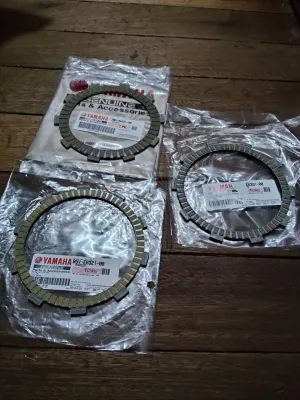
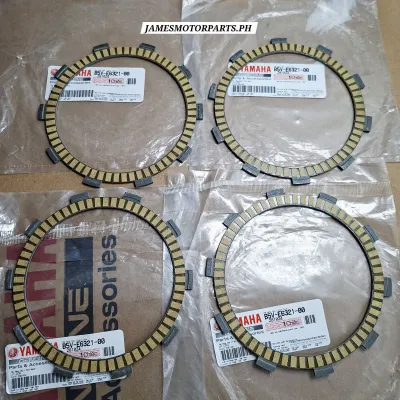
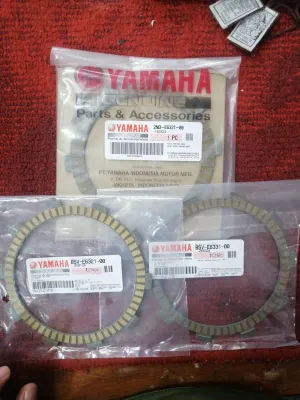
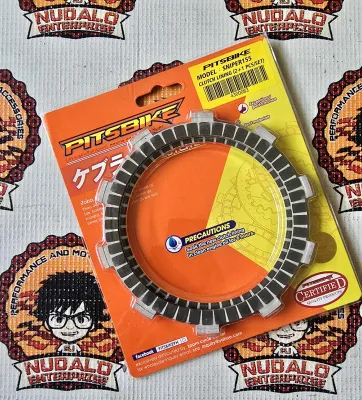
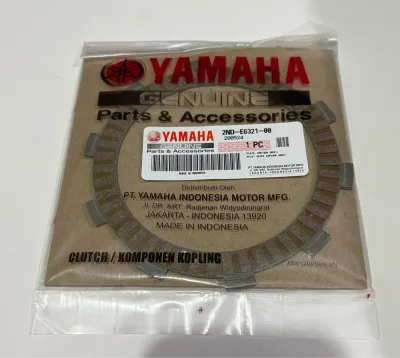
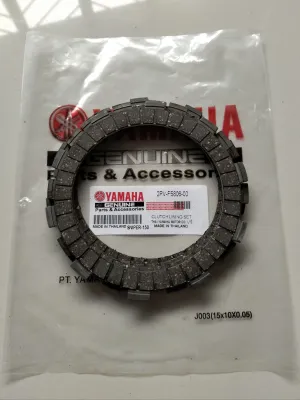
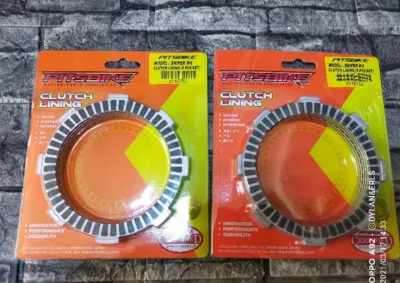
Prices are valid at publication and may change. Please refer to the product page for the latest price.
Another clear sign of wear is clutch drag, which manifests as difficulty shifting gears or finding neutral when the motorcycle is stationary. If the bike attempts to creep forward while the clutch lever is fully pulled to the handlebar, the plates may not be separating cleanly. Additionally, a spongy or excessively loose lever feel that cannot be corrected by adjusting the cable play often points to worn friction material or fatigued clutch springs.
To determine the extent of the replacement needed, a physical inspection of the clutch pack is highly recommended. Simply replacing the friction linings may not resolve your issues if the adjacent steel plates are damaged. Overheating causes steel plates to warp or develop blue discoloration spots, which prevents even pressure distribution. Inspecting the clutch basket for deep ridges or grooves worn into the basket fingers is also crucial, as these grooves trap the friction plate tabs and cause erratic engagement.
Your daily riding habits and typical load conditions directly dictate the wear rate of your transmission system. Frequent stop-and-go commuting in high-temperature urban areas subjects the clutch to constant friction and heat buildup. Similarly, carrying heavy cargo or riding on steep, mountainous terrain accelerates wear. Understanding these factors helps you decide whether a standard replacement is sufficient or if you should look for heavy-duty options designed to withstand higher thermal stress.
OEM vs. Aftermarket Clutch Linings: Evaluating Your Options
When shopping for replacement linings, your primary decision is choosing between genuine Yamaha OEM parts and aftermarket alternatives. OEM friction plates are engineered specifically for the Sniper 155’s assist and slipper clutch system. They offer guaranteed dimensional compatibility, predictable engagement characteristics, and a standard service life under normal operating conditions. Choosing OEM parts preserves the original light lever feel and ensures that the slipper mechanism functions exactly as the manufacturer intended.

Aftermarket clutch linings cater to different riding preferences and performance requirements, utilizing various material compounds:
- Standard Organic Compounds: These linings closely mimic the performance of OEM plates. They provide smooth, progressive engagement and cause minimal wear on the steel plates and clutch basket. They are highly suitable for daily commuting and standard city riding where comfort and smooth shifting are prioritized.
- High-Friction and Heavy-Duty Compounds: Often reinforced with materials like Kevlar or carbon fibers, these aftermarket options are designed to handle higher temperatures and torque loads. They offer a more aggressive bite and resist fading under extreme heat, making them popular for modified engines or heavy-duty touring. However, they can result in a stiffer lever feel and may accelerate wear on the steel plates.
- Semi-Metallic Linings: These plates blend metallic fibers with organic binders to offer enhanced heat dissipation and durability. While they perform well under demanding conditions, they can sometimes introduce more noise and a harsher engagement feel during low-speed maneuvers.
Aligning your material choice with your typical riding environment is essential for maintaining engine safety and ride quality. For most riders navigating humid, tropical urban areas, standard organic or OEM linings provide the most balanced performance. If you frequently ride in demanding conditions that push engine temperatures to their limits, upgrading to a verified high-friction aftermarket compound can prevent premature slipping, provided the plates are explicitly rated for wet clutch systems.
Critical Specifications to Verify Before Purchase
Because the Sniper 155 utilizes a highly specific assist and slipper clutch design, you cannot assume that generic clutch plates designed for older underbone models will fit. The slipper clutch assembly requires precise tolerances to allow the pressure plate to slip and grip dynamically. Buying the wrong size or thickness can disable the slipper function entirely or cause the clutch to slip constantly under load.
Before finalizing any purchase, verify the following critical specifications against the official Yamaha Sniper 155 service manual:
- Inner and Outer Diameters: Measure or verify the physical dimensions of the friction plates. Even a variance of a fraction of a millimeter can prevent the plates from seating correctly in the clutch boss or basket.
- Plate Thickness: The thickness of each friction plate must fall within the manufacturer's wear limits. Slipper clutches are highly sensitive to the overall stack height of the clutch pack; if the combined thickness of the friction and steel plates is too high or too low, the assist and slipper ramps will not align properly.
- Plate Count and Configuration: Confirm the exact number of friction plates required for your specific model year. Some slipper clutch configurations use a unique "judder spring" or damper spring at the inner end of the clutch pack, which requires one friction plate to have a larger inner diameter than the rest. Failing to account for this unique plate will prevent correct assembly.
- Part Number Cross-Referencing: Always check the manufacturer's part numbers. If you are purchasing aftermarket brands, ensure their compatibility charts explicitly list the Sniper 155 rather than a generic "Sniper Series" designation.
Be highly cautious of product listings on online marketplaces that feature vague compatibility claims, such as “universal fit for 150cc to 155cc motorcycles.” Reliable manufacturers and sellers will always provide detailed technical specifications, including individual plate thicknesses and explicit model year compatibility. If a listing lacks these details, request clarification from the seller or look for an alternative source to avoid purchasing incompatible parts.
Sourcing Reliable Clutch Linings in the Philippines
Finding authentic, high-quality clutch linings in the local market requires a cautious approach, as counterfeit motorcycle parts are prevalent. The most reliable method for sourcing genuine OEM parts is to purchase directly from authorized Yamaha 3S dealerships and official service centers. Buying from these authorized channels guarantees part authenticity, ensures you receive the correct part numbers, and preserves any active vehicle warranties.
If you prefer aftermarket options or do not have immediate access to an authorized dealership, reputable local motorcycle parts shops are excellent alternatives. When visiting physical retail stores, particularly in established motorcycle spare parts hubs, ask the shop staff detailed questions regarding the origin of the parts. Inquire about their return and exchange policies, ensuring you can return the linings if they do not match your clutch pack’s dimensions during installation.
When browsing e-commerce platforms, you must exercise diligence to avoid counterfeit goods that can fail catastrophically inside your engine. Focus on official brand stores or highly rated sellers designated as preferred merchants. Carefully read verified buyer reviews, paying close attention to uploaded photos of the packaging and feedback from other Sniper 155 owners who have successfully installed the product. Avoid listings with suspiciously low prices that fall far below the standard retail price (SRP) of genuine parts, as low-grade friction materials can disintegrate and clog your engine’s oil passages.
Installation Requirements and Safety Boundaries
Replacing clutch linings is a precise mechanical task that directly impacts your motorcycle’s safety and operational reliability. If you do not possess the necessary tools, experience, or a copy of the service manual, you should have the installation performed by a qualified professional mechanic. Incorrect assembly can lead to sudden clutch lockup, loss of power, or severe internal engine damage while riding.
If you or your mechanic are performing the installation, adhere strictly to the following technical procedures:
- Pre-Installation Oil Soaking: New friction plates must be completely submerged in clean engine oil of the correct grade (such as JASO MA2 rated 10W-40 or 20W-50) before assembly. Soak the plates for the duration specified by the manufacturer, which is typically a minimum of 30 minutes to two hours. Installing dry friction plates will cause them to burn, glaze, and fail almost immediately upon engine startup.
- Torque Wrench Application: Never estimate the tightness of the clutch spring bolts. You must use a calibrated torque wrench to tighten these bolts in a crisscross pattern to the exact torque specifications listed in the Sniper 155 service manual. Over-tightening can strip the threads in the clutch boss or snap the bolts, while under-tightening can cause the bolts to back out during operation.
- Component Inspection and Stop Conditions: During disassembly, thoroughly inspect the clutch basket and pressure plate. If you observe deep grooving on the basket fingers, warped steel plates, or worn assist/slipper ramps, stop the installation. Replacing only the friction linings on damaged mating components will result in rapid wear and poor clutch performance. Replace any worn supporting hardware before completing the reassembly.
Frequently Asked Questions (FAQ)
Can I mix OEM and aftermarket clutch plates?
Mixing OEM and aftermarket clutch plates within the same clutch pack is highly discouraged. Different brands and material compounds have varying thicknesses, wear rates, and friction coefficients. Combining them can lead to uneven pressure distribution across the clutch pack, causing premature wear, erratic lever engagement, and potential damage to the slipper clutch mechanism. For consistent performance and safety, always install a complete, uniform set of friction plates from a single manufacturer.
How often should the Sniper 155 clutch lining be replaced?
There is no fixed mileage interval for replacing the clutch linings on the Sniper 155, as wear is entirely condition-based. While some riders may get tens of thousands of kilometers out of a single set, aggressive riding, frequent stop-and-go city commuting, carrying heavy loads, or neglecting engine oil changes will significantly accelerate wear. You should replace the linings as soon as you experience persistent slipping, dragging, or when a physical inspection reveals that the plate thickness has worn below the service limit specified in your manual.
Community discussion
Share your experience or ask a question. Comments are reviewed before publication.