
Driving through a sudden tropical downpour requires absolute confidence in your vehicle’s connection to the road. When water pools on the asphalt, your tires are the only components preventing your car from sliding out of control. Yokohama tires are widely recognized for their engineering, but understanding how they perform in heavy rain and wet road conditions is essential before you invest in a new set.
Evaluating wet grip and hydroplaning resistance involves looking at standardized ratings, tread designs, and rubber compounds. Different tire families within the Yokohama lineup are engineered for distinct driving styles and vehicle types, meaning a tire that excels on a high-performance sedan might not be the right choice for a heavy family SUV. By learning how to read tire specifications and maintain your tread, you can ensure maximum safety during the wettest months of the year.
Understanding Wet Weather Tire Performance
To accurately assess how any tire will perform when the heavens open, you must look beyond marketing claims and examine standardized industry metrics. The most accessible starting point is the Uniform Tire Quality Grading (UTQG) system, which is molded directly into the tire’s sidewall. The traction rating within this system specifically measures a tire’s ability to stop on wet concrete and asphalt under controlled, straight-line testing conditions. These grades are represented by letters, with “AA” being the highest possible rating, followed by “A”, “B”, and “C”. For reliable performance during heavy rain, selecting a tire with a traction rating of “A” or “AA” is highly recommended.
Products mentioned in this guide
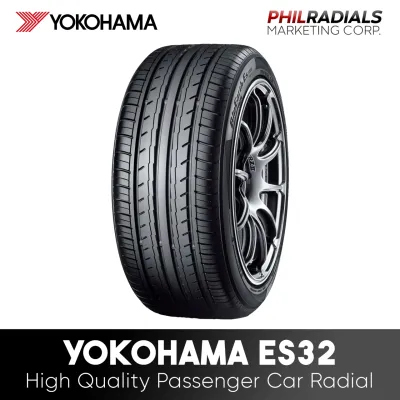
75 Lazada user ratings
Excellent Product and quality thank you Seller and Lazada legitimate shop po ito honest ang Seller 2023 ang manufacturing date ng tire origi…Read full reviewShow less
Excellent Product and quality thank you Seller and Lazada legitimate shop po ito honest ang Seller 2023 ang manufacturing date ng tire original Yokohama po thank you PHIlLRadials marketing...
Thanks seller. we received the latest manufactured tire (see picture). will recommend your store.💯👍⭐⭐⭐⭐⭐. thanks also for j&t for fast shipping.
Supplier is higly recommended. They attend tk the orders and ship on schedule. Parts are original. Bought 2 tires. Satisfied customer
Impressive tread life for long-lasting performance, Durable and long-lasting tire, Great traction on wet and dry surfaces,
Enhanced stability for reliable driving, Impressive tread life for long-lasting performance,
215 Lazada user ratings
bang for the buck. complete items. same specs to what i ordered. already installed on my car. will update my review upon not so long milage …Read full reviewShow less
bang for the buck. complete items. same specs to what i ordered. already installed on my car. will update my review upon not so long milage of driving. thank you seller, BUT NOT on the delivery services. the packaging of the seller was destroyed upon delivery. grabe kayo 😞
This is my second time purchasing. The last time was last yr, and as always they provided the best available stock. Tires are fresh! Fast sh…Read full reviewShow less
This is my second time purchasing. The last time was last yr, and as always they provided the best available stock. Tires are fresh! Fast shipping too! Good job everyone!
best buy here in lazada. cheaper but same quality you get in the casa. I will buy again. Thank you.
Fuel-efficient and durable, Smooth and comfortable ride, Long-lasting and reliable tire,
167 Lazada user ratings
Received Firemax tires instead of the more expensive Yokohama 175/65 R14 tires I ordered. Hope to resolve this problem quickly.
The tires were delivered on time and in excellent quality. The seller was also nice and answered all my questions.
As usual, fast delivery and well packed. Thanks for the discount coupon. Hope to visit you soon.
Improved stability for a smooth ride, Excellent grip in wet conditions, highly recommended
Longer tread life for extended use, Great fuel efficiency, Reliable and trustworthy brand,
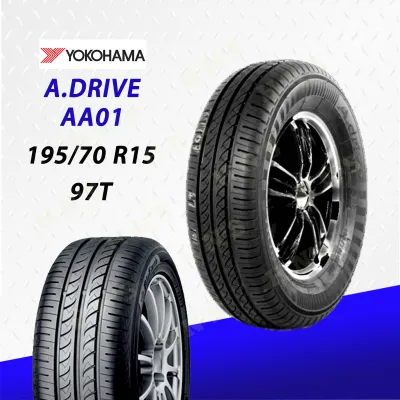
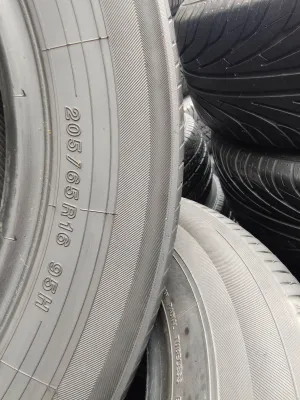
21 Lazada user ratings
very poor quality. it burst after km50 travel. sayang ang Pera. buyers, don't buy it 🛠️Durability:very poor 🏅Performance:poor 💰Price:fair
Subject for further inspection.seller send me a decibel e70b model with2023 pd. with 2 patches and the other 1 with 1 patch.
looks great i hope mgtagal price fair and provides a comfortable and smooth driving experience,
Quality and appearance is good. Remains to be mounted and tested.
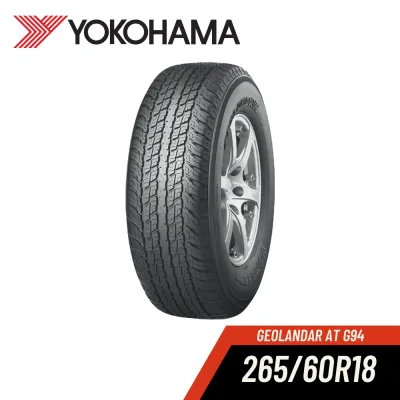
12 Lazada user ratings
Provides a quiet and smooth driving experience, Excellent traction on all terrains, Durable and long-lasting,
Easy to install and balance, Durable and long-lasting, Enhances the look of my vehicle,
Got them fast and not bad. Manufactured last year. Thank you seller.
Quality:excellent Appearance:excellent Performance:good
🛠️Durability:ok 💰Price:ok 🔌Compatibility:ok
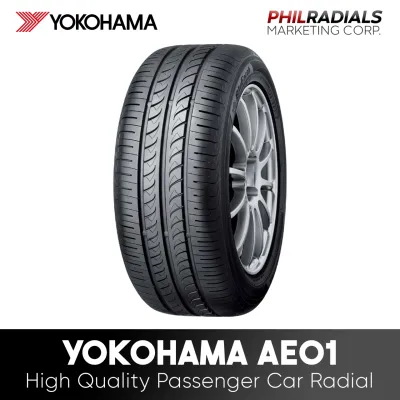
96 Lazada user ratings
Improved fuel savings, High-quality Yokohama tire, Durable and long-lasting, Smooth and comfortable ride, Sakto sa Honda Brio 1.2 cvt black …Read full reviewShow less
Improved fuel savings, High-quality Yokohama tire, Durable and long-lasting, Smooth and comfortable ride, Sakto sa Honda Brio 1.2 cvt black top model 2021
Quality:10/10 Quality as always, this is my 4th tire. Have replaced all my tires with purchases from this Shop.
the item is good and very fresh,. if i read it right it was manufactured on may 2022. it worthy of its price.
Smooth ride! Wala ng ingay. Galing!abang abang na naman tayo ng sale. Thanks seller!
Prices are valid at publication and may change. Please refer to the product page for the latest price.
In addition to the UTQG system, global tire labeling standards, such as the European Union tire label, provide valuable insights, especially if you are looking at imported or globally distributed Yokohama models. The EU label rates wet grip on a clear scale from “A” to “E”, where “A” represents the shortest braking distance on wet surfaces and “E” represents the longest. This standardized test measures braking performance from 80 km/h down to 20 km/h on a wet road surface. Choosing a tire with a high wet grip rating on these international labels directly correlates to a reduced stopping distance, which can make a critical safety difference in emergency braking situations.
It is also vital to understand the functional differences between all-season, summer, and dedicated rain tires when preparing for tropical rainy seasons. All-season tires are designed to provide acceptable performance across a wide range of temperatures and mild weather conditions, but they often represent a compromise in extreme wet weather. Summer tires, on the other hand, utilize rubber compounds and tread patterns optimized specifically for warm, wet, and dry roads, making them highly effective during intense tropical downpours. Dedicated rain tires feature aggressive water-evacuation channels but may wear out faster under normal dry driving conditions, making high-quality summer or wet-optimized touring tires the practical choice for most drivers facing heavy seasonal rains.
Yokohama Tire Lineups and Wet Weather Design Features
Yokohama organizes its product offerings into distinct tire families, each tailored to specific vehicle types and driving demands. For passenger cars, compact vehicles, and daily commuters, the BluEarth family focuses on fuel efficiency, low rolling resistance, and balanced wet-weather safety. If you drive a sports sedan or prioritize high-performance handling, the Advan lineup offers maximum grip and steering precision on both dry and wet pavement. For crossovers, SUVs, and light trucks, the Geolandar family is engineered to handle heavier vehicle weights, offering robust construction and tread designs that manage water displacement on and off the road.

The ability of these tire lines to handle heavy rain relies on specific engineering features designed for rapid water evacuation. Wide circumferential grooves are the deep, continuous channels running around the circumference of the tire. These grooves act as primary drainage canals, swallowing water from the road surface and directing it away from the contact patch. Complementing these grooves is a network of lateral sipes, which are tiny slits cut into the tread blocks. Sipes act like windshield wipers for the road, slicing through the thin film of water to allow the rubber blocks to make direct contact with the asphalt.
Beyond the physical tread pattern, the chemical composition of the tire rubber plays a decisive role in wet traction. Yokohama utilizes silica-enriched rubber compounds across many of its modern tire lines. Silica helps the rubber compound remain pliable and flexible even when cooled by rainwater, ensuring the tire can conform to the microscopic imperfections of the road surface. Because compound formulations vary significantly between specific models, you should always verify the exact compound claims and performance characteristics on the official Yokohama product data sheet for your selected tire model before making a purchase.
Evaluating Hydroplaning Resistance and Tread Patterns
Hydroplaning is one of the most dangerous phenomena a driver can experience on wet roads. It occurs when a vehicle’s tires move over a sheet of water faster than they can displace it, causing a wedge of water to build up underneath the tread. When this happens, the tire loses direct contact with the road surface, leaving the driver with virtually no steering or braking control. Preventing hydroplaning requires a combination of adequate tread depth, optimized tread geometry, and safe driving speeds.
The geometry of a tire’s tread pattern determines how efficiently it channels water away from the contact patch. Directional tread patterns, often featuring a distinct V-shaped layout, are highly effective at pumping water outward from the center of the tire to the shoulders. However, directional tires must be mounted to rotate in a specific direction, which is indicated by an arrow on the sidewall; incorrect mounting severely compromises their water-evacuation capabilities. Asymmetrical tread patterns feature different designs on the inner and outer portions of the tire. The inner tread is typically optimized with wide grooves for water evacuation, while the outer tread features larger, stiffer blocks for cornering stability. Asymmetrical tires must be mounted with the “outside” label facing away from the vehicle.
No matter how advanced a tread pattern is, its ability to resist hydroplaning diminishes as the tire wears down. To help drivers monitor this, tires are manufactured with Tread Wear Indicators (TWI). These are small, raised rubber bars located deep within the main tread grooves, aligned with small triangular symbols or “TWI” markings on the tire shoulder. When the surrounding tread wears down to the level of these indicators, the tire has reached its legal wear limit and must be replaced immediately. Driving on tires worn close to these indicators in heavy rain is extremely hazardous, as the shallow grooves can no longer evacuate water fast enough to prevent hydroplaning.
Essential Tire Maintenance and Safety Checks for the Rainy Season
Before you begin inspecting or adjusting your tires, it is crucial to establish the safety boundaries of tire maintenance. Tires are critical safety components that directly impact your vehicle’s braking, handling, and electronic stability systems. Always consult your vehicle’s owner’s manual for original specifications regarding tire size, load index, speed rating, and inflation pressures. Any tire replacement, wheel alignment, or suspension adjustment should be performed by a qualified professional to ensure your vehicle remains safe and road-legal.
Maintaining correct tire pressure is the most critical step in preparing your vehicle for heavy rain. You should check and adjust your tire pressure using a reliable gauge according to the vehicle manufacturer’s placard, which is typically located on the driver’s door jamb or inside the fuel filler cap. Under-inflated tires suffer from a distorted contact patch, which reduces the tire’s ability to channel water and significantly increases the risk of hydroplaning. Keep in mind that ambient temperature drops during heavy rain can cause tire pressure to decrease, while carrying heavy loads requires adjusting the pressure to the manufacturer’s recommended maximum load specifications.
Regularly measuring your tire’s tread depth is another essential safety check. You can measure this accurately using a dedicated tread depth gauge, or perform a quick check using a local coin test. Insert the coin into the main tread grooves at several points across the width of the tire and around its circumference. While the absolute legal minimum tread depth is typically 1.6 millimeters, wet-weather traction and hydroplaning resistance degrade dramatically long before you reach this limit. For driving in heavy tropical rains, replacing your tires when they wear down to 3 or 4 millimeters provides a much safer margin of error.
Finally, perform a thorough visual inspection of all four tires at least once a month. Look closely for any signs of sidewall damage, such as deep cuts, cracks, or bulges, which indicate internal structural damage and present a high risk of a sudden blowout. Check for uneven tread wear, which often points to wheel misalignment, improper inflation, or worn suspension components. Identifying and correcting these issues early prevents premature tire wear and ensures that your tires can perform at their best when navigating wet, slippery, or flooded roads.
Selecting the Right Yokohama Model for Your Vehicle and Roads
Choosing the ideal Yokohama tire requires matching the specific needs of your vehicle with your typical driving environment. If you drive a compact hatchback or a family sedan, a touring tire from the BluEarth series offers a comfortable, quiet ride along with reliable wet braking performance for daily commutes. For larger crossovers and SUVs, a tire from the Geolandar family provides the structural strength needed to support heavier vehicle weights while offering tread patterns designed to clear water and mud efficiently.
Local road conditions in the Philippines demand careful consideration when selecting a tire model. Heavy seasonal downpours often lead to poorly drained streets, standing water, and hidden potholes. If your daily route involves navigating waterlogged urban streets or rough provincial roads, prioritizing a tire with robust sidewalls and excellent hydroplaning resistance is essential. While high-performance Advan models offer exceptional wet grip and short braking distances for spirited driving, touring models in the BluEarth or Geolandar lines may offer a better balance of comfort, durability, and wet-weather safety for daily driving on unpredictable road surfaces.
Before making a final purchase, never rely solely on general category terms or online recommendations to determine compatibility. You must verify your vehicle’s specific model, year, and original equipment specifications. Always consult an authorized Yokohama dealer or refer to the official Yokohama product catalog to confirm the exact size fitment, load index, and speed rating required for your vehicle. A qualified professional can help you select a tire that meets all safety standards and matches your driving habits, ensuring optimal performance and peace of mind during the rainy season.
Frequently Asked Questions (FAQ)
How often should I check my tire pressure during the rainy season?
You should check your tire pressure at least once a month and always before embarking on long road trips. For an accurate reading, always measure the pressure when the tires are cold, meaning the vehicle has been parked for at least three hours or driven less than 1.6 kilometers. Checking hot tires can lead to artificially high readings due to heat expansion.
Can I mix different Yokohama tire models on the same axle for better wet grip?
You should never mix different tire models, tread patterns, or brands on the same axle. Mismatched tires on the same axle can cause highly unpredictable handling, uneven braking forces, and compromised wet grip, as each tire will disperse water and react to steering inputs differently. For optimal safety and balanced performance, always install identical tires in pairs or complete sets of four.
What is the minimum safe tread depth for driving in heavy rain?
Although the legal minimum tread depth in many jurisdictions is 1.6 millimeters, driving on wet roads with tires worn to this level is highly dangerous. To maintain adequate hydroplaning resistance and short stopping distances in heavy rain, it is strongly recommended to replace your tires once the tread depth wears down to 3 millimeters.
Community discussion
Share your experience or ask a question. Comments are reviewed before publication.