
An ignition coil is the heart of your vehicle’s ignition system, converting low battery voltage into the tens of thousands of volts required to create an electrical spark. If you are running a z series coil, you can generally expect a service life of 80,000 to 100,000 kilometers under typical driving conditions. However, this lifespan is not set in stone; environmental stressors, spark plug health, and thermal conditions play major roles in how long these components last before requiring replacement.
Understanding the Expected Lifespan of a Z Series Coil
Performance-oriented aftermarket lines and specific original equipment manufacturer (OEM) designations use distinct engineering standards to maximize spark energy. While the 80,000 to 100,000-kilometer range serves as a reliable industry benchmark for modern coil-on-plug (COP) systems, the exact lifespan of your specific z series coil depends heavily on the manufacturer’s engineering standards, materials used, and the warranty terms provided. Performance-oriented coils are often built with superior insulation and higher-grade copper windings to withstand elevated electrical demands, but they are still subject to wear.
It is also crucial to distinguish between a single coil failing prematurely and the natural wear of a complete set. If a vehicle has reached 90,000 kilometers and one coil fails, it is highly likely that the remaining coils have degraded to a similar degree. Conversely, if a coil fails at only 30,000 kilometers, it is often an isolated anomaly—potentially caused by a manufacturing defect, a localized oil leak from a valve cover gasket, or water ingress into that specific cylinder’s spark plug well.
Products mentioned in this guide
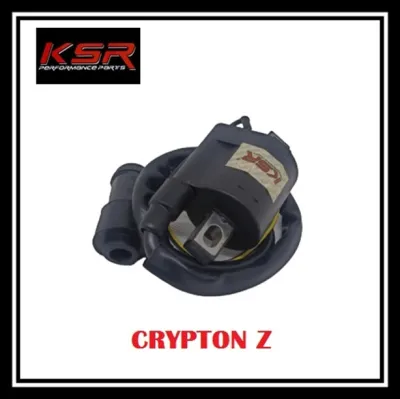
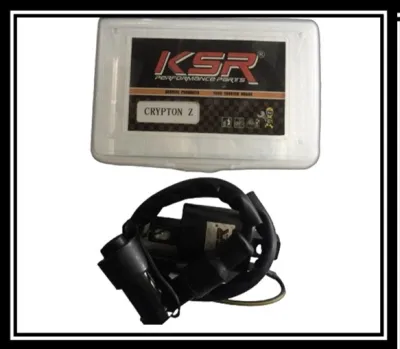
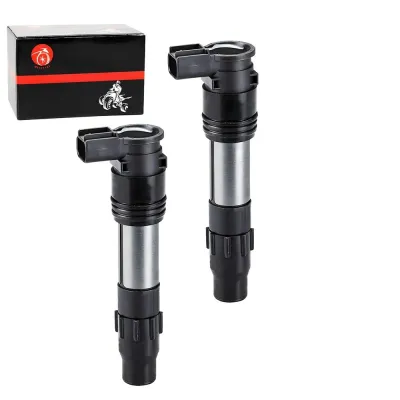
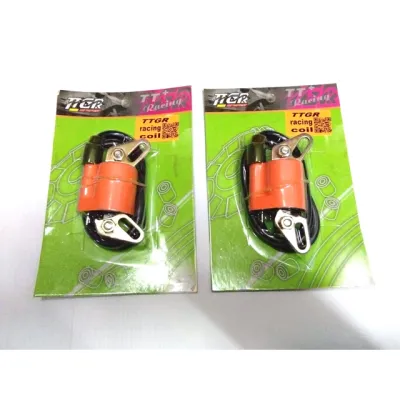
Prices are valid at publication and may change. Please refer to the product page for the latest price.
To set accurate expectations for your specific setup, always consult the product packaging, the included warranty card, or the manufacturer’s official catalog. These documents outline the rated service life and specify whether the coils are covered by a limited warranty, helping you plan your maintenance intervals accordingly. Before purchasing replacement units, verify your vehicle’s model, production year, electrical interface, and mounting position to ensure absolute compatibility.
What Shortens the Life of Your Ignition Coils?
Operating a vehicle in a tropical climate exposes electrical components to harsh operational, environmental, and mechanical conditions. Understanding these factors can help you prevent premature failures.

- Heat and Thermal Cycling: The engine bay of a vehicle operating in the tropical climate of the Philippines is subjected to extreme thermal stress. In dense urban areas like Metro Manila, where stop-and-go traffic on major thoroughfares is the norm, the lack of consistent airflow prevents the engine bay from cooling efficiently. This constant heat cycling—where the engine repeatedly heats up to high operating temperatures and cools down—causes the internal epoxy insulation and copper windings of the coil to expand and contract. Over time, this physical expansion leads to micro-fractures in the insulation, causing internal short circuits.
- Spark Plug Neglect: There is a direct relationship between your spark plugs and your ignition coils. As a spark plug wears down over thousands of kilometers, its electrode erodes, and the gap between the ground and center electrodes widens. To jump this wider gap and ignite the air-fuel mixture, the ignition coil must generate a significantly higher voltage. This forces the coil to operate under continuous strain, generating excessive internal heat that rapidly degrades the delicate copper windings and epoxy seals.
- Moisture and Humidity: High relative humidity, intense rainy seasons, and localized flooding introduce moisture into the engine bay. When moisture enters the spark plug wells, it can seep past worn, brittle, or improperly sealed rubber boots. This moisture creates an alternative, low-resistance path for the electrical current. Instead of traveling down to the spark plug electrode, the high-voltage charge arcs through the moisture to the engine block, causing immediate misfires and carbon tracking.
- Vibration and Physical Stress: Constant physical vibration from driving on uneven road surfaces, navigating potholes, or dealing with worn engine mounts can take a toll on ignition components. These physical shocks can cause micro-fractures in the coil's rigid plastic housing or loosen the internal electrical connections. Additionally, over-tightening the mounting bolts during installation can crack the mounting tabs, allowing moisture to penetrate the coil body.
Warning Signs That Your Z Series Coils Are Failing
Recognizing the warning signs of a failing coil early can prevent a complete breakdown or expensive damage to other engine components. Watch for these common symptoms during daily driving:
- Performance Issues: A failing ignition coil will immediately manifest as noticeable engine performance issues. You may experience engine misfires, which feel like a sudden hesitation, jerking, or stuttering when you press the accelerator. Rough idling is another common symptom; the car may shake or vibrate excessively while waiting at a red light. You will also notice a distinct lack of power, particularly when carrying a heavy load or climbing steep, winding inclines.
- Dashboard Indicators: Modern vehicles are equipped with sophisticated On-Board Diagnostics (OBD) systems. When an ignition coil fails to deliver a consistent spark, the engine control unit (ECU) detects an incomplete combustion event and illuminates the Check Engine Light (CEL). If the misfire is severe enough to risk damaging the catalytic converter, the light may flash. Scanning the vehicle's computer will typically reveal specific Diagnostic Trouble Codes (DTCs) ranging from P0300 (random or multiple cylinder misfire) to P0301 through P0308, where the final digit indicates the exact cylinder that is misfiring.
- Efficiency Drops: When an ignition coil produces a weak spark or fails to fire entirely, the air-fuel mixture in that cylinder does not burn completely. This unburned fuel is pushed straight into the exhaust system, resulting in a dramatic drop in fuel economy. You may also notice a strong smell of unburned gasoline coming from the exhaust, along with increased tailpipe emissions.
- Starting and Stalling: A compromised ignition system can make your vehicle difficult to start, resulting in extended cranking times. This issue is often more pronounced when the engine is hot, as heat increases electrical resistance within the failing coil's damaged windings. In severe cases, the vehicle may stall unexpectedly while idling or decelerating.
- Physical Degradation: A physical inspection of the coil can reveal clear visual indicators of failure. When removing the coil, look closely at the plastic and epoxy body for visible cracks, swelling, or signs of melting caused by internal overheating. Inspect the silicone rubber boot for a white, powdery residue (which indicates electrical arcing) or carbon tracking, which looks like thin, black pencil lines running down the length of the boot.
How to Safely Test and Verify a Failing Coil
Before attempting any diagnostic work on your vehicle’s ignition system, it is vital to establish clear safety boundaries. Ignition coils operate at extremely high voltages that can deliver a dangerous electrical shock. Always ensure the engine is turned off, the ignition key is removed, and the vehicle has cooled down completely. Disconnect the negative battery terminal to eliminate the risk of accidental short circuits. Always consult your vehicle’s original manufacturer service manual and the specific documentation of your z series coil before starting. If you are uncomfortable working with high-voltage automotive electrical systems, seek the assistance of a qualified professional mechanic.
Once safety measures are in place, you can proceed with these diagnostic steps:
- Visual and Physical Inspection: Begin by carefully removing the mounting bolt and pulling the coil straight out of the spark plug well. Inspect the well itself for any signs of engine oil or water pooling. Oil leaking from a degraded valve cover gasket can submerge the coil boot, swelling the rubber and shorting out the electrical charge. If you find oil, you must replace the spark plug tube seals before installing a new coil.
- OBD2 Scanning: Connect an OBD2 scanner to your vehicle's diagnostic port (usually located under the dashboard). Read the stored codes to identify which cylinder is misfiring. For example, a P0303 code points directly to cylinder number three, allowing you to focus your diagnostic efforts on that specific coil.
- The "Swap Test" Method: The most reliable DIY method to verify a faulty coil is the swap test. If your scanner indicates a misfire on Cylinder 3, swap the coil on Cylinder 3 with the coil on Cylinder 1 (or any other functioning cylinder). Clear the trouble codes using your scanner, start the engine, and take the vehicle for a short test drive until the Check Engine Light returns. Scan the vehicle again. If the code has shifted to P0301 (Cylinder 1), you have successfully isolated the fault to that specific coil. If the misfire remains on Cylinder 3, the issue is likely caused by a faulty spark plug, a clogged fuel injector, or a loss of engine compression.
- Professional Boundaries: While the swap test is highly effective for basic troubleshooting, some scenarios require professional diagnostics. If you suspect damage to the engine wiring harness, if multiple coils have failed simultaneously, or if your vehicle utilizes a complex, integrated coil pack system, specialized testing equipment like an oscilloscope is required. A certified technician can analyze the voltage waveforms to diagnose underlying electrical faults that a standard OBD2 scanner cannot detect.
Proven Maintenance Habits to Extend Coil Life
To maximize the service life of your ignition system and protect your investment in replacement coils, implement these practical, low-risk preventive maintenance habits:
- Strict Spark Plug Intervals: Replace your spark plugs at or before the vehicle manufacturer's recommended intervals. Keeping spark plug gaps within the correct specifications prevents the coils from having to generate excessive voltage, keeping internal operating temperatures low and extending their overall service life.
- Keep the Area Clean and Dry: Periodically inspect the top of the engine and the area surrounding the ignition coils. Ensure that the spark plug wells remain free of dust, road grime, water, and oil. When washing your engine bay, take extreme care to cover the ignition coils and electrical connectors with plastic wrap to prevent water from penetrating the delicate seals.
- Inspect Wiring and Connectors: The intense heat under the hood can cause plastic electrical connectors and wiring looms to become brittle over time. Regularly check the wiring harness leading to your coils for cracked insulation, exposed wires, or broken locking clips. A loose or corroded connector can cause intermittent electrical resistance, leading to misfires and putting unnecessary strain on the coil.
- Proper Installation Techniques: During installation, apply a thin layer of high-quality dielectric grease to the inside tip of the rubber boot. Only use the grease for its label-authorized purpose of sealing electrical connections and preventing moisture ingress; do not apply it to other engine parts. This grease acts as a barrier against moisture, prevents the rubber boot from baking and sticking to the ceramic insulator of the spark plug, and prevents electrical current from leaking out. Always refer to your vehicle's service manual for the correct torque specifications for the coil mounting bolts; over-tightening can easily crack the plastic mounting ears, ruining the coil.
Frequently Asked Questions (FAQ)
Should I Replace One Ignition Coil or the Entire Set?
Deciding whether to replace a single coil or the entire set depends largely on the age and mileage of your ignition system. If your vehicle has low mileage (for example, under 50,000 kilometers) and a single z series coil fails, it is usually safe and cost-effective to replace only that specific faulty unit. However, if your coils have accumulated significant mileage—approaching or exceeding the 80,000 to 100,000-kilometer mark—and one coil fails due to natural wear, the remaining coils are likely in a similar state of degradation. In this scenario, replacing the entire set is highly recommended. Doing so ensures consistent ignition performance across all cylinders, prevents the inconvenience of subsequent failures, and saves on repeated labor costs or diagnostic fees.
Can a Failing Ignition Coil Damage Other Engine Components?
Yes, ignoring a failing ignition coil can lead to severe and expensive secondary damage to your vehicle. When a coil misfires, the air-fuel mixture in that cylinder does not ignite. This unburned fuel is forced out of the cylinder during the exhaust stroke and travels down into the exhaust system. Once it reaches the catalytic converter, the raw fuel ignites on the extremely hot internal catalyst elements, causing them to melt and clog. Replacing a catalytic converter is far more expensive than replacing an ignition coil. Furthermore, prolonged misfires can wash the protective oil film off the cylinder walls, leading to metal-on-metal contact between the piston rings and cylinder bores, accelerating engine wear and potentially fouling your oxygen sensors.
Community discussion
Share your experience or ask a question. Comments are reviewed before publication.