
Navigating the busy streets of Manila, Cebu, or Davao requires not only sharp riding skills but also reliable protective gear that can withstand the local climate. For many Filipino riders, finding a dependable zebra half face helmet is the ideal solution to stay cool, comfortable, and legally compliant on the road. These open-face helmets offer a practical balance between ventilation during hot afternoon commutes and the necessary impact protection required by national safety standards.
However, selecting the right helmet is not just about picking a stylish design or finding the lowest price tag. With a wide range of options available across different price tiers, riders must understand what features they are paying for and how to verify that their chosen gear will actually protect them in an accident. By examining the specific characteristics of entry-level, mid-range, and premium options, you can make an informed decision that fits both your budget and your daily riding needs.
Setting Your Budget and Safety Baseline for Zebra Helmets
Before comparing specific models, every rider must establish a non-negotiable safety baseline. In the Philippines, road safety laws mandate that all motorcycle helmets used on public roads must carry official certification marks. Specifically, the Land Transportation Office (LTO) requires either an Import Commodity Clearance (ICC) sticker or a Philippine Standard (PS) mark. These certifications, issued by the Bureau of Product Standards (BPS) under the Department of Trade and Industry (DTI), prove that the helmet has undergone rigorous impact, penetration, and retention tests to ensure it can protect your head during a collision.
Products mentioned in this guide
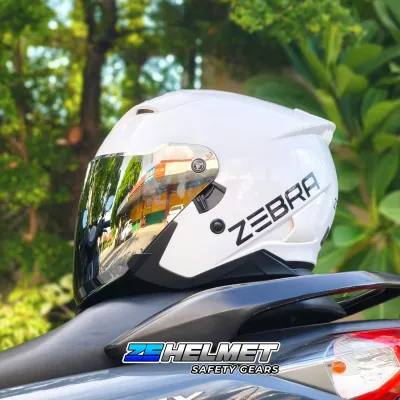
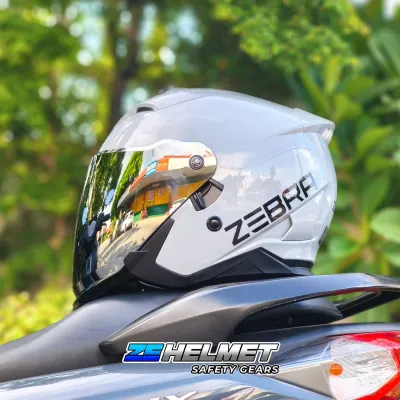
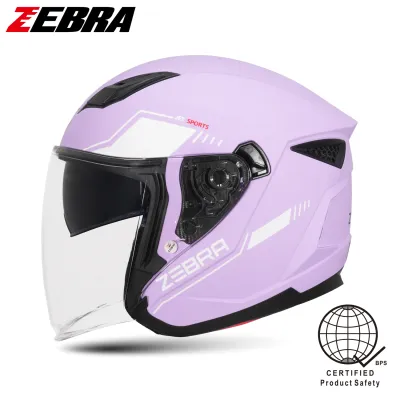
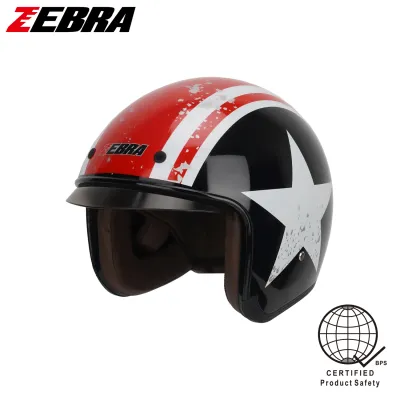
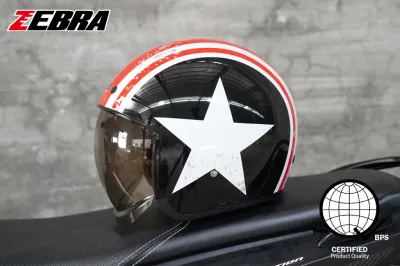
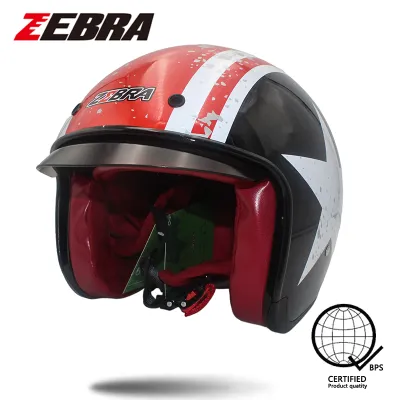
Prices are valid at publication and may change. Please refer to the product page for the latest price.
When planning your purchase, it is helpful to categorize available options into three distinct budget tiers based on their feature sets rather than focusing on fluctuating daily prices:
- Entry-Level Tiers focus entirely on essential protection, offering a basic shell and liner setup that meets legal requirements without any extra design flourishes.
- Mid-Range Tiers introduce convenience features like dual-visor systems, improved ventilation channels, and partially removable liners that make daily commuting much more comfortable.
- Premium Tiers provide the highest level of comfort and durability, featuring advanced multi-density liners, fully removable moisture-wicking paddings, and aerodynamic shells that reduce neck strain over long distances.
Regardless of which tier fits your current financial situation, safety certification must remain your absolute priority. A lower price should never be an excuse to bypass the ICC or PS mark, as uncertified helmets often fail to provide even basic protection during an impact.
Entry-Level Zebra Half-Face Helmets: Essential Protection
For riders on a tight budget or those looking for a secondary helmet for occasional passengers, entry-level models provide the absolute essentials of road safety. These helmets are designed to meet the minimum legal standards while keeping production costs as low as possible. When looking at an entry-level zebra half face helmet, you will typically find an outer shell made of high-impact Acrylonitrile Butadiene Styrene (ABS) plastic, paired with a single-density Expanded Polystyrene (EPS) foam inner liner.

While these materials are highly effective at absorbing impact energy, entry-level models do require some practical compromises. The interior padding is often fixed or only partially removable, which makes deep cleaning a challenge after sweaty rides in the tropical heat. Additionally, the visors on these models are usually basic single-pane polycarbonate sheets that lack advanced anti-scratch or anti-fog coatings, meaning they may require more frequent replacement if they become scuffed.
To ensure you are getting a genuine, safe product at this price point, always use this verification checklist:
- Check that the chin strap is securely anchored to the shell with robust metal rivets.
- Verify that the quick-release micrometric buckle operates smoothly and does not slip when pulled firmly.
- Look for a physical, tamper-evident ICC sticker with a unique, clear serial number on the rear of the helmet.
- Confirm that the helmet fits snugly around your head without any painful pressure points, as an ill-fitting helmet cannot protect you properly.
Mid-Range Zebra Helmets: Balancing Cost and Daily Comfort
Stretching your budget slightly into the mid-range tier unlocks several practical upgrades that can significantly improve your daily riding experience. For the average Filipino commuter who spends hours navigating heavy traffic under the intense tropical sun, these comfort-oriented features are often worth the modest extra investment.
One of the most notable upgrades in this category is the inclusion of a dual-visor system. These helmets feature a clear outer visor to shield your face from wind, dust, and rain, along with an integrated, drop-down inner sun visor. This setup is incredibly convenient for local riding conditions, allowing you to quickly shield your eyes from blinding midday glare and then retract the inner visor when entering tunnels or riding home after dark.
Additionally, mid-range models generally offer improved ventilation systems. They feature strategically placed air intake vents on the forehead and exhaust vents at the rear, which utilize passive airflow to draw hot, humid air away from your scalp. The interior comfort is also enhanced by partially or fully removable cheek pads, allowing you to wash them regularly to prevent sweat buildup, skin irritation, and unpleasant odors.
Premium Zebra Half-Face Models: Long-Term Value and Features
At the top end of the lineup, premium half-face models focus on maximizing long-term durability, rider comfort, and advanced safety engineering. While these helmets require a higher upfront investment, they often provide better overall value over time by lasting longer and reducing physical fatigue during extended rides.
Premium models distinguish themselves through the use of advanced materials and superior build quality. Instead of a basic single-density liner, these helmets often utilize multi-density EPS liners that are engineered to absorb varying levels of impact force more efficiently. The outer shells are frequently designed with aerodynamic contours that minimize wind resistance and buffeting, which helps reduce neck fatigue when riding at higher speeds on bypass roads or highways.
The interior of a premium helmet is designed for maximum comfort in hot climates. They feature fully removable, washable, and hypoallergenic inner linings made from high-grade moisture-wicking fabrics. These materials pull sweat away from your skin and dry quickly, keeping you cool and comfortable. Furthermore, the visors on premium models typically offer superior optical clarity, scratch resistance, and built-in UV protection, ensuring a clear and undistorted view of the road ahead.
How to Spot Counterfeits and Verify Safety Marks
As the popularity of affordable riding gear has grown, so has the market for counterfeit and uncertified helmets. These fake products often mimic the appearance of reputable brands like Zebra but are constructed from cheap, brittle plastics that can shatter easily upon impact. Protecting yourself requires knowing how to spot these dangerous imitations before making a purchase.
The most critical step is to carefully inspect the safety stickers. A genuine ICC sticker should have a holographic finish that shifts colors when tilted under a light source. The printing of the serial number and the BPS logo must be sharp and clear, not blurry or faded. Be highly suspicious of stickers that look like simple paper printouts, are crooked, or peel off easily with a fingernail.
Other common red flags include:
- Suspiciously low prices: If a seller is offering a helmet for a fraction of its usual retail price on an online marketplace, it is likely a counterfeit.
- Poor overall build quality: Loose stitching on the chin strap, a flimsy visor mechanism, or a strong chemical smell from the interior glues are clear signs of substandard manufacturing.
- Unverified sellers: Avoid buying from random social media profiles or unauthorized online shops that cannot provide an official receipt or clear proof of authenticity.
To guarantee your safety, always purchase your helmet from authorized physical dealers, official brand flagship stores on reputable ecommerce platforms, or well-established local motorcycle accessory shops.
Hidden Costs and Maintenance for Half-Face Helmets
When budgeting for a new helmet, it is important to look beyond the initial purchase price and consider the total cost of ownership. Maintaining your helmet properly not only ensures your safety but also extends the usable lifespan of your gear, saving you money in the long run.
Potential additional expenses to keep in mind include shipping fees if purchasing online, replacement visors (as they inevitably get scratched over time), and specialized helmet cleaning supplies. To keep your helmet in optimal condition, follow these low-risk maintenance guidelines:
- Visor Care: Clean the visor using only mild soap, warm water, and a soft microfiber cloth. Avoid using harsh window cleaners, glass sprays, or abrasive paper towels, as these can strip away protective UV coatings and create micro-scratches that cause glare at night.
- Interior Cleaning: If your helmet has a removable liner, hand wash it in lukewarm water using a mild baby shampoo. Gently squeeze out excess water and allow it to air-dry completely in a well-ventilated, shaded indoor area. Never use a tumble dryer, a hair dryer, or leave the liner in direct, intense sunlight, as extreme heat can warp the plastic fittings or degrade the foam padding.
- Shell Maintenance: Wipe down the outer shell with a soft, damp cloth to remove road grime, dust, and insects. Store your helmet in a cool, dry place away from direct sunlight and chemical fumes, such as gasoline or exhaust, which can weaken the outer shell over time.
Frequently Asked Questions (FAQ)
Are Zebra half-face helmets legal for motorcycle riding in the Philippines?
Yes, half-face (open-face) helmets are fully legal for motorcycle riding on all public roads in the Philippines, provided they carry a valid, physical ICC or PS certification mark. Under Republic Act No. 10054, also known as the Motorcycle Helmet Act of 2009, all riders and passengers must wear a certified helmet with the chin strap securely fastened at all times. While half-face helmets are legally compliant and offer excellent ventilation, keep in mind that full-face helmets provide a higher level of protection by covering the chin and jaw area.
How often should I replace my Zebra half-face helmet?
As a general rule, you should replace your helmet every 3 to 5 years of regular use, or up to 7 years from its manufacture date, even if it has never been involved in an accident. Over time, exposure to sweat, hair oils, UV rays, and temperature fluctuations naturally degrades the protective EPS foam and the outer shell materials, reducing their ability to absorb shock. Additionally, you must replace your helmet immediately if it suffers any significant impact or drop, if you notice visible cracks in the outer shell, or if the internal EPS foam feels loose or compressed.
Community discussion
Share your experience or ask a question. Comments are reviewed before publication.