
Identifying a genuine Zeus helmet requires a systematic approach of inspecting physical build quality, verifying official safety stickers, and purchasing only from authorized distributors. In a tropical climate like the Philippines, where daily commutes expose riding gear to intense heat, heavy rain, and high humidity, a helmet’s structural integrity is your primary line of defense. Counterfeiters have become increasingly sophisticated, replicating external designs while omitting the critical energy-absorbing materials that protect your head during an impact. By learning how to spot subtle manufacturing defects and verify official certification markings, you can ensure your investment provides real, certified protection on the road.
Why Helmet Authenticity Is Critical for Riding Safety
A motorcycle helmet is engineered as a complete safety system designed to manage and dissipate extreme impact energy. Genuine helmets utilize high-grade materials such as advanced polycarbonate, fiberglass, or carbon fiber composites for the outer shell, paired with a multi-density expanded polystyrene (EPS) inner liner. These materials work in tandem to absorb forces that would otherwise transfer directly to your skull and brain.
Counterfeit helmets, by contrast, prioritize low production costs over life-saving engineering. Manufacturers of fake gear often substitute cheap, brittle plastics for the outer shell and low-grade packaging foam for the inner liner. Under impact, these substandard materials can crack instantly or fail to compress properly, offering virtually zero protection during a collision.
Products mentioned in this guide
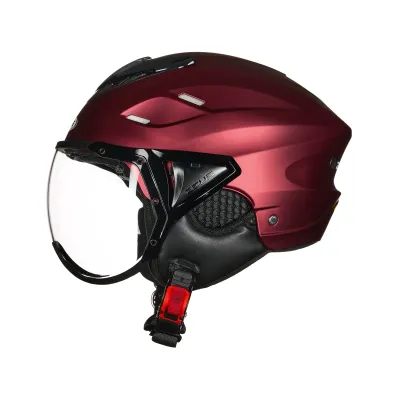
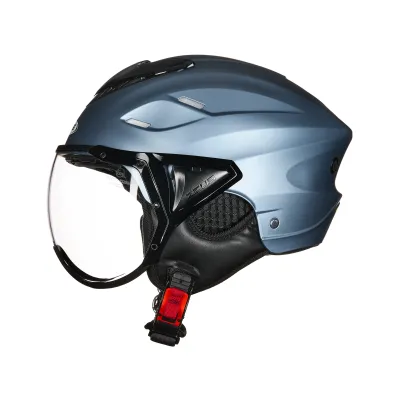
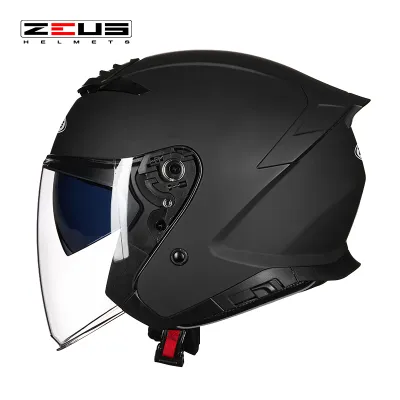
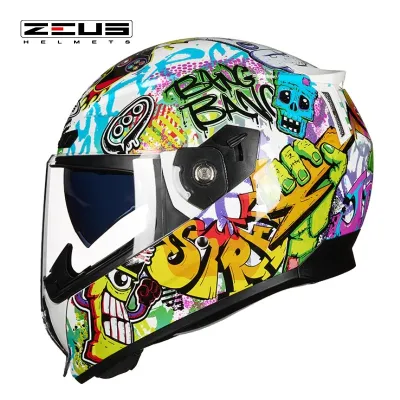
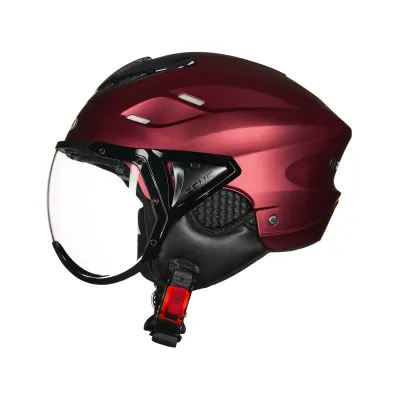
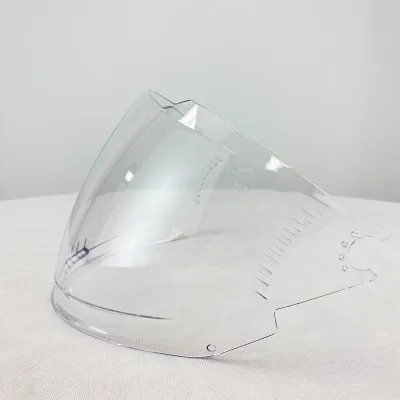
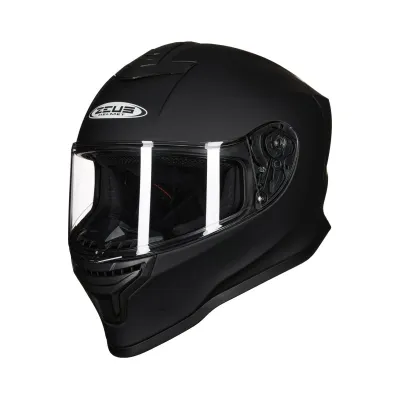
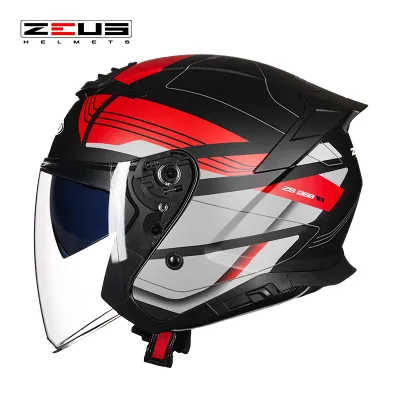
Prices are valid at publication and may change. Please refer to the product page for the latest price.
Furthermore, genuine helmets undergo rigorous testing to meet international and local safety standards, ensuring they can withstand penetration, chin strap retention failures, and rotational forces. Fake helmets bypass these evaluations entirely, meaning their structural integrity is completely unverified. Saving a few pesos on a suspected counterfeit is a compromise that can lead to catastrophic, preventable head injuries in an accident. Additionally, always verify your correct size using the manufacturer’s official sizing chart before purchasing. Even a genuine, highly certified helmet cannot protect you effectively if it does not fit your head shape and size securely.
Physical and Visual Checks to Spot a Fake Zeus Helmet
Before handing over your money, a thorough physical inspection of the helmet can reveal several telltale signs of a counterfeit product. Genuine manufacturers maintain strict quality control standards that replica factories simply cannot replicate at low price points.

Build Quality and Finish
Examine the outer shell closely under bright, direct light. A genuine Zeus helmet features a flawless paint finish with even color distribution, a smooth clear coat, and precisely aligned decals. Run your fingers along the edges of the graphics; any bubbling, peeling, or rough edges suggest a cheap aftermarket sticker application rather than factory-applied water decals. Additionally, check the molding seams along the bottom edge of the shell and around the eyeport for any rough plastic flashings or uneven cuts, which are common indicators of poor manufacturing quality.
Visor and Mechanism
The visor on an original helmet is made from high-optical-grade polycarbonate that provides a distortion-free view of the road. When you look through a genuine visor, objects should appear sharp and true to their actual distance. Open and close the visor repeatedly to test the ratchet mechanism. Genuine helmets feature a smooth, positive engagement at each detent, and the visor should seal tightly against the rubber eyeport gasket to prevent wind noise and water leaks during heavy tropical downpours. Fakes often have flimsy, loose visor mechanisms and gaps in the rubber seal.
Interior Padding and Odor
The comfort liner of a genuine helmet is designed for long-term durability, moisture-wicking performance, and rider comfort in hot weather. Original Zeus helmets feature high-quality, removable, and washable interior padding with neat, consistent stitching and secure snap fasteners. If the padding feels thin, rough, or is secured with cheap glue instead of snaps, it is likely a counterfeit. Additionally, take note of any strong, chemical, or gasoline-like odors emanating from the interior; genuine helmets use non-toxic, treated materials, whereas fakes often smell strongly of cheap adhesives and untreated synthetic fabrics.
Weight and Balance
While you might expect a fake helmet to feel heavier, many counterfeits are actually dangerously light because they lack the necessary multi-layered EPS foam and robust shell materials. Hold the helmet in both hands to assess its balance. A genuine helmet feels solid and evenly balanced from front to back. If the helmet feels unusually light, hollow, or if pressing firmly on the inner EPS liner causes it to flex or squeak easily, the structural core is likely compromised or non-existent.
Verifying Safety Certifications and Authenticity Labels
Safety certifications are legal requirements designed to protect riders, making them a primary target for counterfeiters who print fake stickers to deceive buyers.
Local Safety Certifications
In the Philippines, all legal motorcycle helmets must carry mandatory safety markings, such as the Import Commodity Clearance (ICC) sticker or the Philippine Standard (PS) mark. Genuine stickers have specific security features, including unique serial numbers, holographic elements, and tamper-evident backings. Inspect the sticker closely to ensure it is not a cheap color printout or photocopy. You can verify the validity of these stickers by checking the serial numbers against official government databases or using authorized verification apps provided by the Department of Trade and Industry (DTI).
Brand Holograms and Tags
Original Zeus helmets come equipped with official brand-specific tags, holograms, and barcode labels attached to the chin strap or included in the packaging. These labels display the exact model name, color code, size, and manufacturing date. Check if the information on these tags matches the physical helmet and the box it came in. Any discrepancies, such as a tag listing a different model or size than the helmet itself, are immediate red flags indicating a mismatched or counterfeit product.
Manual and Warranty Cards
A genuine helmet is packaged with a high-quality, professionally printed user manual and an official warranty card. The manual should feature clear diagrams, proper grammar, and multi-language instructions detailing correct fitment, maintenance, and visor replacement procedures. Counterfeit helmets rarely include these documents, or if they do, they are often poorly printed single-sheet photocopies with noticeable spelling errors and low-resolution graphics.
Choosing Safe Purchasing Channels for Zeus Helmets
The most effective way to avoid buying a counterfeit helmet is to control where you shop. Purchasing from unverified sources significantly increases your risk of receiving a fake product.
Official Stores and Authorized Distributors
Always prioritize buying from official brand flagship stores, authorized physical dealerships, or verified sellers on reputable e-commerce platforms. Authorized dealers are vetted by the manufacturer and are required to maintain strict standards of authenticity. If you are unsure whether a local motorcycle accessory shop is an authorized dealer, ask to see their official dealership certificate or verify their store name through the manufacturer’s official website or social media channels.
Red Flags in Third-Party Listings
When browsing online marketplaces, be highly skeptical of listings that feature prices significantly lower than the standard retail price. If a deal seems too good to be true, it almost certainly is. Other warning signs include listings that rely solely on stock photos rather than actual product images, sellers with generic or newly created profiles, and listings with vague descriptions that avoid mentioning safety certifications or brand authenticity guarantees.
Pre-Purchase Verification
If you are purchasing from an online seller, do not hesitate to ask for real-time, unedited photos of the actual helmet you will receive. Request close-up shots of the ICC or PS sticker, the interior manufacturing tags, the chin strap buckle, and the box labels. A legitimate seller who has nothing to hide will gladly provide these photos to secure a sale, whereas a seller dealing in counterfeits will often make excuses or ignore your request.
Steps to Take If You Receive a Suspected Counterfeit
If you have already purchased a helmet and suspect it is a fake, do not ride with it. Your safety is paramount, and using a compromised helmet puts your life at risk.
Document the Evidence
Immediately take clear, well-lit photos and videos of the helmet from multiple angles. Document the specific areas that raised your suspicion, such as peeling decals, misaligned stitching, a flimsy visor mechanism, or a suspicious safety sticker. Keep all original packaging, tags, and shipping labels, as these will serve as crucial evidence for your claim.
Initiate Returns and Disputes
If you purchased the helmet through an online marketplace, immediately file a return or refund dispute under the platform’s buyer protection program. Select the option for receiving a counterfeit or misrepresented item. Upload your documented evidence, including comparisons with official product specifications, to support your case. Avoid contacting the seller outside the platform’s official dispute resolution system to ensure your claim remains protected.
Report the Fraudulent Seller
To protect fellow riders from purchasing dangerous gear, report the fraudulent listing and the seller’s account directly to the e-commerce platform. Additionally, you can file a formal complaint with local consumer protection authorities, such as the DTI. Reporting these activities helps authorities track down distributors of counterfeit safety gear and remove hazardous products from the market.
Frequently Asked Questions (FAQ)
Can I verify a Zeus helmet's authenticity using just the serial number?
While checking the serial number is an important step, it should not be your only verification method. Sophisticated counterfeiters can copy legitimate serial numbers from genuine helmets and print them onto fake labels. To ensure authenticity, you must combine serial number verification with physical quality inspections, safety sticker checks, and purchasing from authorized channels.
Are cheaper Zeus helmets on e-commerce platforms always fake?
Not necessarily, but extreme price differences are a major warning sign. Authorized dealers may offer legitimate discounts during seasonal sales, clearance events, or platform-wide promotions. However, if a listing price is half of the standard retail price or lower, it is highly likely to be a counterfeit. Always verify the seller’s authorized status before purchasing discounted gear.
Community discussion
Share your experience or ask a question. Comments are reviewed before publication.