
Quick Answer: ZIC vs. Shell, Castrol, and Motul for Diesel Engines
Choosing the right fully synthetic diesel engine oil is a critical maintenance decision for vehicle owners in the Philippines. With severe driving conditions characterized by intense tropical heat, high humidity, and prolonged stop-and-go traffic in major metropolitan areas, your engine requires an oil that can withstand extreme thermal stress. ZIC, Shell, Castrol, and Motul each offer high-quality fully synthetic diesel oils, but they approach engine protection with distinct additive technologies, base oil formulations, and market pricing structures.
There is no single “best” brand; the ideal choice depends on your specific vehicle requirements, driving habits, and maintenance budget. ZIC, manufactured by SK Enmove, leverages its proprietary Yubase base oil technology to deliver excellent thermal stability and reliable baseline protection at a highly competitive price point. Shell focuses heavily on engine cleanliness and soot control, utilizing active cleansing technologies that are highly effective for high-mileage or hard-working utility vehicles. Castrol emphasizes robust wear protection and cold-start lubrication, making it well-suited for vehicles experiencing frequent stop-and-go cycles. Motul occupies the premium segment, utilizing advanced synthetic formulations and ester technologies designed for high-performance, high-load, or enthusiast-driven applications.
Ultimately, the final choice must be dictated by the vehicle manufacturer’s required viscosity grade and industry certifications (such as API, ACEA, or specific OEM approvals) printed on the label, not just the brand name. Before making any purchase, check your vehicle owner’s manual and verify that the oil label displays the exact specifications required for your engine.
Products mentioned in this guide
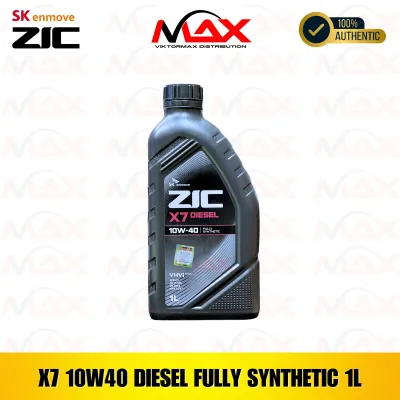
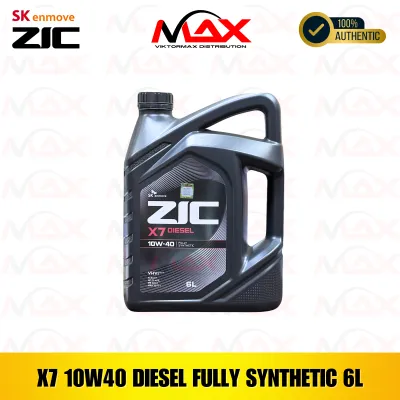
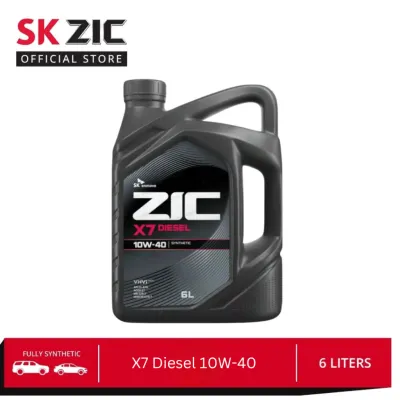
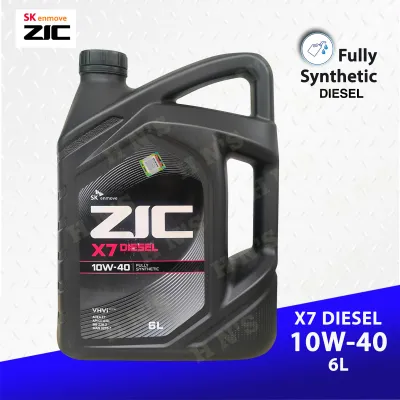
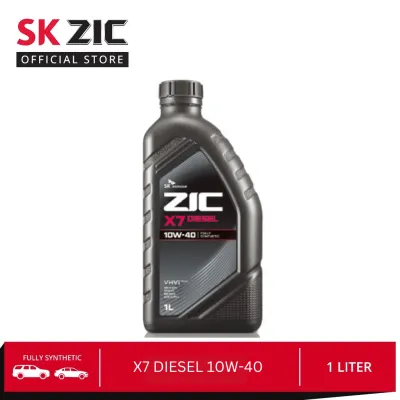
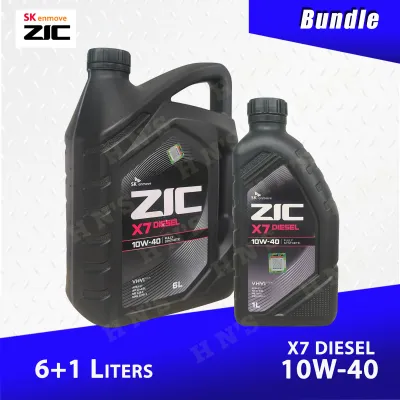
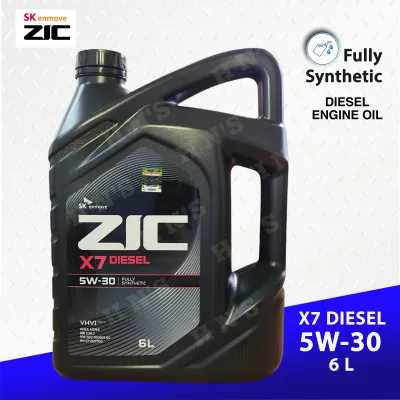
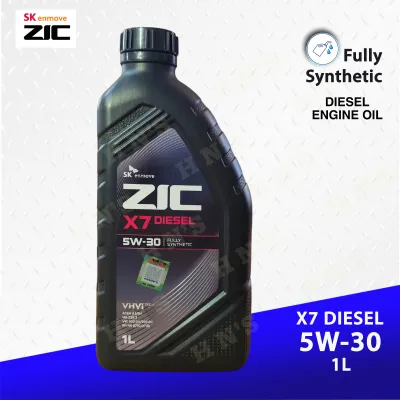
Prices are valid at publication and may change. Please refer to the product page for the latest price.
Core Comparison Dimensions: Protection, Viscosity, and Certifications
To understand how these brands compare, you must first look at the fundamental science of fully synthetic diesel engine oils. Unlike conventional mineral oils, fully synthetic lubricants are engineered from highly refined or chemically synthesized base stocks. The American Petroleum Institute (API) categorizes base oils into five groups. Group III base oils are severely hydrocracked mineral oils that offer synthetic-grade performance, Group IV consists of polyalphaolefins (PAOs), and Group V includes all other synthetic bases, such as esters. This molecular uniformity provides superior thermal stability, meaning the oil resists breaking down under the high operating temperatures common in modern turbocharged diesel engines. Furthermore, synthetic oils exhibit much higher resistance to oxidation, which prevents the formation of harmful sludge and varnish on critical engine components over extended service intervals.

In a tropical climate like the Philippines, ambient temperatures frequently exceed 35 degrees Celsius, and high humidity can introduce moisture contamination into the crankcase. Under these severe conditions, maintaining a stable oil film thickness is paramount to prevent metal-on-metal contact. This is where the High-Temperature High-Shear (HTHS) viscosity rating becomes a critical metric. The HTHS rating measures an oil’s resistance to shearing and thinning under extreme heat and mechanical stress. When selecting a viscosity grade, such as 5W-30 or 5W-40, you must ensure the oil can maintain its protective barrier during long highway drives or hours spent idling in heavy traffic, without causing excessive drag that reduces fuel efficiency. A higher HTHS value generally indicates a more robust protective film under extreme stress, whereas a lower HTHS value is designed to optimize fuel economy in modern engines engineered for low-viscosity lubricants.
Modern diesel engines are equipped with sophisticated emission control systems, including Diesel Particulate Filters (DPFs), Selective Catalytic Reduction (SCR) systems, and Diesel Oxidation Catalysts (DOCs). These systems are highly sensitive to the chemical composition of the engine oil. Industry certifications from organizations like the API and ACEA define these chemical limits. For example, API CK-4 is the current standard for high-speed four-stroke diesel engines, offering improved protection against oxidation, shear loss, and catalyst poisoning. ACEA C-class standards (such as C3 or C4) specify “low-SAPS” (Sulfated Ash, Phosphorus, and Sulfur) formulations, which are mandatory for vehicles with DPFs to prevent premature filter clogging. Conversely, ACEA E-series classifications are typically reserved for heavy-duty commercial vehicles that require robust wear protection and longer drain intervals but may not have the same emission system constraints as passenger cars.
Another vital characteristic of diesel engine oil is its ability to manage soot and neutralize acids. Diesel combustion naturally produces soot, which can agglomerate and cause abrasive wear, oil thickening, and filter plugging. High-quality synthetic oils contain advanced dispersant additives that keep soot particles suspended individually so they can be carried to the oil filter rather than settling on engine parts. Additionally, the Total Base Number (TBN) indicates the oil’s reserve alkalinity, which neutralizes acidic byproducts formed during combustion. If you regularly operate your vehicle under severe conditions, tow heavy loads, or use diesel fuel with a higher sulfur content—which is still encountered in certain regional areas of the Philippines—verifying a robust TBN on the oil’s technical data sheet is essential for preventing corrosive wear on bearings and cylinder liners.
Brand Profiles: Market Positioning and Label Verification
ZIC Fully Synthetic Diesel
ZIC is the flagship brand of SK Enmove, a global leader in the production of Group III base oils. Because ZIC controls its own supply chain of high-quality Yubase base oils, the brand is uniquely positioned to offer premium fully synthetic performance at a highly competitive price point in the Philippine market. This makes ZIC an exceptionally cost-effective option for vehicle owners who want the protective benefits of a fully synthetic oil without paying a premium price.
When evaluating ZIC’s diesel lineup, such as the ZIC X9 or ZIC X7 Diesel series, you should carefully examine the back label for specific certifications. Many of ZIC’s fully synthetic diesel formulations carry advanced API CK-4 or ACEA C3 approvals, making them suitable for modern common-rail direct injection (CRDI) engines equipped with DPFs. For routine maintenance of daily commuters, family SUVs, and light commercial vehicles operating in standard urban and highway conditions, ZIC provides a highly reliable, budget-friendly synthetic solution that meets or exceeds OEM requirements.
Shell Diesel Engine Oils
Shell is a household name in the Philippines, backed by an extensive retail network and decades of research in diesel lubrication. Shell’s primary technological differentiator is its gas-to-liquid (GTL) base oil technology, often marketed as PurePlus Technology, which refines natural gas into a crystal-clear base oil virtually free of the impurities found in crude oil. This ultra-pure base oil is combined with proprietary active cleansing additives designed to prevent soot and deposit buildup on critical engine parts.
For passenger diesel vehicles, Shell’s Helix Ultra Diesel range is widely utilized, while the Rimula range (such as Rimula R6) serves the heavy-duty and commercial sectors. When purchasing Shell oil, verify whether the specific formulation is designed for light-duty CRDI passenger cars or heavy-duty commercial applications, as their additive packages differ significantly. Shell’s widespread availability at local service stations and retail shops across the country makes it an incredibly convenient choice for drivers who prioritize easy access to top-up fluids and consistent nationwide product support.
Castrol Diesel Engine Oils
Castrol has built its reputation on engineering lubricants that provide specialized wear protection under high-stress driving conditions. The brand’s research focuses heavily on transitional wear phases, such as engine startup and stop-and-go driving, which account for a significant portion of engine wear. Castrol utilizes proprietary additive technologies, such as those found in the Magnatec Diesel series, which feature molecules designed to cling to critical engine components like a magnet, providing an active layer of protection from the moment you turn the key.
For modern, high-performance diesel engines, Castrol Edge Diesel offers a robust synthetic option designed to withstand extreme pressures. When selecting a Castrol product, it is vital to check the back label for specific OEM approvals, such as Mercedes-Benz (MB-Approval), Volkswagen (VW), or BMW specifications, which are frequently required for European diesel vehicles imported to the Philippines. Castrol is highly recommended for drivers who spend a significant amount of time navigating congested city streets, where frequent idling and low-speed acceleration put continuous mechanical stress on the engine’s wear surfaces.
Motul Diesel Engine Oils
Motul is a premium French lubricant brand highly favored by automotive enthusiasts, performance tuners, and owners of high-end diesel vehicles. Motul is renowned for its pioneering work with ester-based synthetic lubricants, which offer exceptional thermal stability, high shear resistance, and an inherent polar attraction to metal surfaces. This ensures that a protective oil film remains intact even under extreme operating temperatures and high-load conditions, such as towing or off-road driving.
Motul’s fully synthetic diesel offerings, including the 8100 X-clean or Specific series, are formulated to meet the most stringent international and OEM standards. While Motul products generally carry a higher price tag in the Philippine market, often ranging from ₱600 to over ₱1,000 per liter depending on the specific line, they provide peace of mind for drivers who demand maximum performance and thermal protection. If your vehicle operates under continuous high-stress conditions, or if you own a modern European diesel vehicle with highly specific oil requirements, Motul’s premium formulations offer a level of technical sophistication that justifies the higher initial investment.
Decision Framework: Which Diesel Oil Should You Choose?
To simplify your purchasing decision, you can evaluate these four brands based on your vehicle’s specific operational profile, your driving environment, and your maintenance budget.
- Choose ZIC if: You are seeking a highly cost-effective, reliable fully synthetic oil for routine maintenance of a daily commuter or family vehicle. If the specific ZIC product (such as ZIC X9 Diesel) matches the exact viscosity (e.g., 5W-30 or 5W-40) and API/ACEA ratings specified in your owner's manual, ZIC offers outstanding value without compromising on synthetic protection.
- Choose Shell if: Your primary goal is maintaining engine cleanliness, preventing soot accumulation, and ensuring easy product availability. Shell is ideal if you want a trusted, widely distributed brand and require a formulation with proven active cleansing agents to keep your diesel engine free of sludge and deposits.
- Choose Castrol if: Your daily driving consists primarily of heavy stop-and-go traffic in congested urban centers like Metro Manila. Castrol's specialized anti-wear additives are engineered to protect your engine during critical startup and idling phases, making it an excellent choice for urban commuters and delivery vehicles.
- Choose Motul if: You operate your vehicle under severe high-load, high-temperature, or high-performance conditions, such as heavy hauling, mountain driving, or performance tuning. If you are willing to invest a premium price for advanced synthetic base oils and ester-based technology that offer maximum thermal stability, Motul is the preferred option.
- Verify First if: Your vehicle features a modern emission control system, such as a Diesel Particulate Filter (DPF). You must verify that the selected oil is explicitly labeled as a "low-SAPS" formulation, typically indicated by an ACEA C3 or C4 certification. Using a standard "high-SAPS" oil in a DPF-equipped vehicle can cause irreversible soot clogging and extremely expensive repairs, regardless of the brand you choose.
- Neither may fit if: The oil's viscosity grade or minimum performance specifications do not align with your vehicle manufacturer's requirements. Never prioritize brand reputation, marketing claims, or promotional pricing over the technical specifications detailed in your vehicle's owner's manual. If you are unsure of compatibility, always consult a qualified automotive technician or contact your vehicle manufacturer's authorized service center before performing an oil change.
Frequently Asked Questions (FAQ)
Can I mix ZIC fully synthetic diesel oil with Shell or Castrol?
While mixing fully synthetic diesel oils of different brands is generally safe in emergency situations to top up a dangerously low oil level, it is not recommended as a long-term practice. Each brand formulates its engine oils with proprietary additive packages designed to work cohesively. Mixing different brands can disrupt this chemical balance, potentially reducing the oil’s overall effectiveness, anti-wear properties, and soot-dispersing capabilities. For optimal engine protection, perform a complete oil and filter change when switching from one brand to another.
Does fully synthetic diesel oil extend the oil change interval?
Fully synthetic oils offer superior resistance to thermal breakdown and oxidation compared to conventional mineral oils, which theoretically allows them to remain effective for longer periods. However, you must always adhere to the oil change intervals recommended by your vehicle’s manufacturer in the owner’s manual. Factors such as fuel quality, severe driving conditions, and the filtration capacity of your oil filter dictate the safe service life of the oil. Extending intervals beyond manufacturer guidelines can lead to excessive soot accumulation and engine wear.
How do I know if the oil is safe for my DPF (Diesel Particulate Filter)?
To determine if a fully synthetic diesel oil is safe for a DPF-equipped vehicle, you must check the product label for specific low-SAPS certifications. Look for European ACEA C-class specifications, such as ACEA C2, C3, or C4, or specific OEM approvals that denote low-ash formulations (e.g., Mercedes-Benz MB-Approval 229.51 or 229.52). Standard heavy-duty diesel oils often contain high levels of sulfated ash, phosphorus, and sulfur, which will permanently block the fine channels of a DPF, leading to exhaust restriction and costly emissions system failures.
Community discussion
Share your experience or ask a question. Comments are reviewed before publication.