
Finding a reliable, road-legal motorcycle helmet for men under ₱2,000 in the Philippines is entirely possible, provided you know exactly what safety markers and structural features to look for. At this entry-level price point, your primary focus must be on verifying official safety certifications and understanding the physical trade-offs between different helmet designs. While you may have to forego premium aesthetic finishes, integrated high-tech accessories, or advanced composite materials, you should never compromise on basic impact protection. By learning how to spot genuine safety labels and evaluate physical build quality, you can confidently secure a budget-friendly helmet that keeps you safe and compliant on your daily commutes.
Understanding ICC Certification and Road Legality in the Philippines
To ride legally on public roads, your helmet must bear a valid Import Commodity Clearance (ICC) sticker or a Philippine Standard (PS) mark. Issued by the Bureau of Philippine Standards under the Department of Trade and Industry, these labels prove that the helmet model has undergone mandatory safety testing to ensure it can absorb impacts and resist penetration. Under the Motorcycle Helmet Act of 2009, wearing a helmet without this approved certification can result in significant fines and traffic citations during routine checkpoints.
A genuine ICC sticker features distinct visual characteristics designed to prevent counterfeiting. It is a small, metallic, holographic label that reflects light with a rainbow sheen when tilted. Each sticker contains a unique serial number and a clear, sharp print of the ICC logo. Because these stickers are tamper-evident, any attempt to peel them off will destroy the label, leaving behind a distinct pattern or tearing the foil.
Products mentioned in this guide
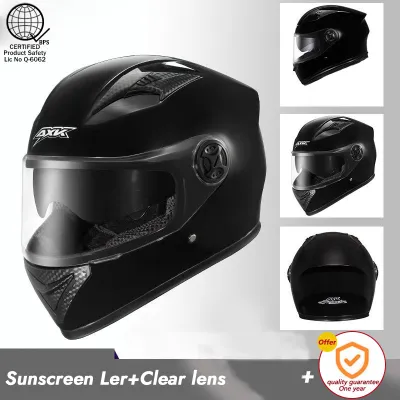
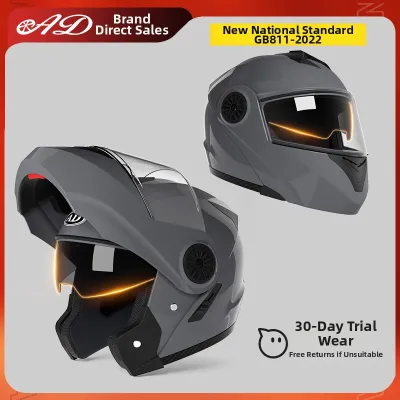
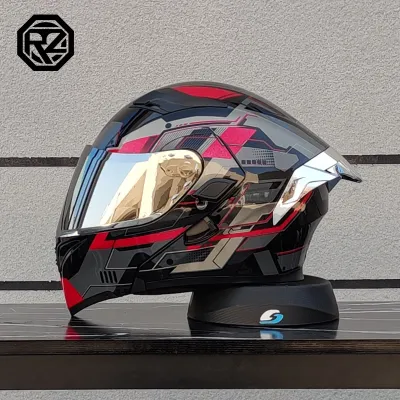
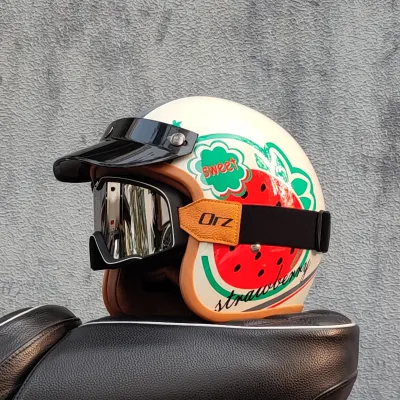
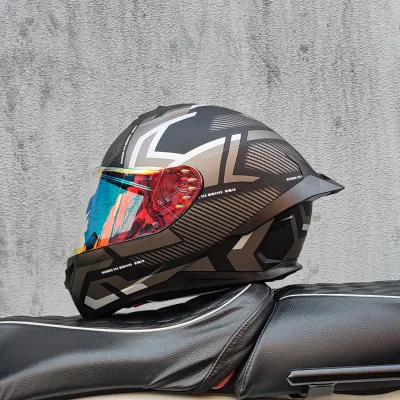
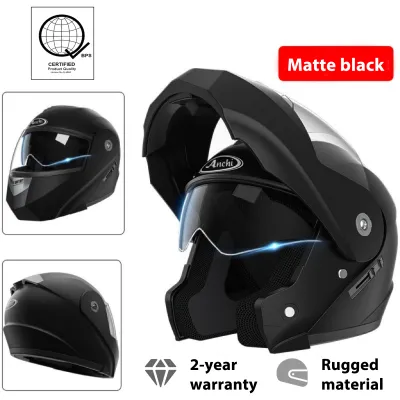
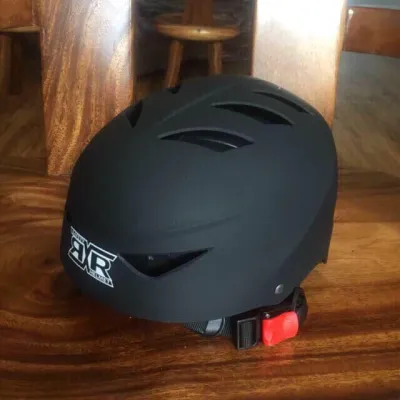
Prices are valid at publication and may change. Please refer to the product page for the latest price.
When inspecting a budget helmet, be highly vigilant against common red flags. Counterfeiters often use flat, non-holographic paper printouts, or stickers with blurry text and mismatched serial numbers. Another common trap is finding a genuine sticker that has been carefully peeled from a damaged helmet and glued onto a non-compliant, sub-standard shell. If the sticker edges are lifting, show signs of adhesive residue, or are placed over deep scratches or fresh paint, treat the helmet as unsafe and non-compliant.
While international safety standards like the United States Department of Transportation (DOT) or the Economic Commission for Europe (ECE) indicate excellent engineering, they do not replace local legal requirements. Local traffic enforcers specifically look for the physical ICC or PS sticker. If you purchase an imported helmet that carries a DOT or ECE rating but lacks the official local sticker, you may still face penalties. Always prioritize helmets that carry the official local certification alongside any international ratings.
Full-Face vs. Open-Face: Making the Right Trade-Off on a Strict Budget
When working with a strict ₱2,000 budget, choosing between a full-face and an open-face helmet requires balancing maximum safety against daily comfort. Both styles are widely available at this price point, but they serve different riding profiles and environmental conditions. Understanding how each design performs in a tropical climate will help you make an informed decision.

Full-face helmets offer the highest level of physical protection because they cover the entire head, including the chin, jaw, and face. Statistically, a significant percentage of motorcycle impact forces occur in the chin area, making the solid chin bar of a full-face helmet a critical safety feature. Additionally, full-face designs shield your eyes and face from flying debris, heavy rain, and high-speed wind noise. However, budget-friendly full-face helmets tend to be heavier and may feature basic ventilation systems that can feel hot and stuffy during slow-moving, humid city traffic.
Open-face helmets, or three-quarter designs, provide excellent airflow, a wider field of peripheral vision, and superior convenience. They make it much easier to communicate, drink water, or wear prescription glasses without removing your headgear. The increased ventilation is highly welcome during hot afternoon commutes. The major compromise, however, is safety; open-face helmets leave your face and jaw completely exposed to direct impacts, road rash, and harsh weather elements.
To choose the right style, evaluate your typical riding environment and daily commute:
- Highway and Long-Distance Commuting: If your daily route involves high-speed bypass roads, provincial highways, or long distances, a full-face helmet is highly recommended. The superior impact protection and wind management are essential at higher speeds.
- Low-Speed City Riding: If you primarily navigate slow, congested inner-city streets, residential areas, or complete short errands, an open-face helmet offers the necessary ventilation to keep you cool while maintaining legal compliance.
- Weather Adaptability: If you ride year-round, remember that sudden tropical downpours can make riding with an open-face helmet painful and distracting. A full-face helmet with a sealing visor keeps your face dry and maintains clear visibility.
Key Features to Prioritize When Shopping Under ₱2,000
To maximize the value of an entry-level helmet, you must distinguish between non-negotiable safety components and luxury features that can be compromised. At this price point, manufacturers must keep production costs low, meaning you should focus your budget entirely on structural integrity rather than cosmetic extras.
The most critical, non-negotiable component is the Expanded Polystyrene (EPS) liner. This is the thick, shock-absorbing foam layer situated directly beneath the hard outer shell. When shopping, press your fingers firmly against the inner foam liner; it should feel dense, rigid, and uniform. Avoid helmets where the liner feels soft, spongy, or easily crumbles, as these materials cannot adequately absorb impact energy. The outer shell itself should be made of a sturdy, impact-resistant thermoplastic.
Next, inspect the retention system and the visor. The chin strap must be securely anchored to the helmet shell with heavy-duty metal rivets. Look for a robust micro-metric quick-release buckle or a classic double D-ring system made of thick metal or high-grade composite plastic. The visor should offer clear, distortion-free optical quality to prevent eye strain, especially during night riding. Ensure the visor has a basic scratch-resistant coating and operates on a sturdy hinge mechanism.
At this budget, you should expect to compromise on premium features. You will likely have to forego integrated drop-down inner sun visors, which often add unnecessary weight and can fail easily on cheap models. Premium moisture-wicking interior fabrics, complex multi-port ventilation systems, and pre-molded cavities for Bluetooth communication systems are also rare. Prioritize a basic, well-constructed helmet with a removable and washable comfort liner over one that tries to pack in too many cheap accessories.
Before finalizing your purchase, assess the overall build quality through a physical inspection. Examine the rubber trim around the eyeport and base; it should be cleanly glued without gaps or loose edges. Test the visor mechanism by opening and closing it several times; it should detent smoothly and lock securely into place. Shake the helmet gently to ensure there are no rattling parts or loose internal components.
Where to Buy and How to Verify Authenticity Before Checkout
To ensure you are getting a genuine, certified product, you must be highly selective about where you shop. Avoid buying helmets from unauthorized roadside stalls, general surplus shops, or unverified online sellers who cannot guarantee the origin of their inventory. Instead, purchase from official brand stores, authorized motorcycle gear dealers, or established physical retail shops.
If you prefer the convenience of shopping on online marketplaces, stick to verified flagship stores or sellers with high ratings and positive customer feedback. Before adding an item to your cart, utilize the platform’s chat feature to ask the seller specific questions. Request real-time, high-resolution photos of the actual helmet they plan to ship, focusing closely on the holographic ICC sticker, the manufacturing date stamp, and the inner safety labels. A legitimate seller will gladly provide these details, while those selling counterfeit goods will often make excuses.
Once your helmet arrives, perform a thorough post-delivery inspection before confirming the order or discarding the packaging. Verify that the ICC sticker is indeed holographic and firmly adhered to the shell, rather than a flat paper copy. Check the overall weight of the helmet; it should feel solid and substantial, not flimsy or excessively light like a toy.
Smell the interior of the helmet; a strong, pungent chemical or industrial adhesive odor can indicate the use of cheap, non-regulated plastics and toxic glues. Finally, put the helmet on to test the fit and visor clarity. Ensure the seller offers a clear return and refund policy so you can easily send the product back if it fails any of these basic safety and compliance checks.
Maintenance and Replacement Rules for Budget Helmets
Proper maintenance is essential to preserve the protective qualities of an entry-level helmet and extend its usable lifespan. Because budget helmets often use simpler materials, they can be more sensitive to improper cleaning and harsh environmental exposure.
When cleaning your helmet, always use mild, non-corrosive cleaning agents. A gentle soap, such as baby shampoo, mixed with warm water is ideal for washing the removable comfort liner and cheek pads. Avoid using harsh household detergents, bleach, gasoline, or aerosol cleaners. These chemicals can chemically react with the outer thermoplastic shell and the internal EPS liner, causing them to weaken, dissolve, or lose their impact-absorbing capabilities. Allow the washed liner to air-dry completely in a shaded, well-ventilated area; never use a high-heat dryer or leave it in direct sunlight, as extreme heat can warp the plastic components.
Storage conditions play a major role in material degradation. In a tropical climate, high humidity and intense heat can accelerate the breakdown of the adhesives and foam inside your helmet. Store your helmet in a cool, dry place away from direct sunlight. Avoid leaving it hanging on your motorcycle’s handlebars or side mirrors while parked outdoors, as this exposes the interior to UV rays and can deform the EPS liner where it rests on the mirror.
Finally, understand the mandatory replacement triggers. Helmets are strictly single-use safety devices designed to protect you from a single major impact. If you are involved in any accident, or if you accidentally drop your helmet from a significant height onto a hard surface, you must replace it immediately. Even if the outer shell looks perfectly fine, the internal EPS liner may have compressed or fractured to absorb the energy, rendering it useless for future impacts. Additionally, replace your helmet if the buckle mechanism becomes loose, if the inner padding remains permanently compressed, or if the helmet reaches the end of its recommended lifespan, which is typically three to five years from the date of manufacture.
Frequently Asked Questions (FAQ)
Can I use a second-hand helmet if it has a valid ICC sticker?
No, using a second-hand helmet is highly discouraged, even if it features a valid ICC sticker. You cannot verify the helmet’s history, and it may have been involved in a crash or dropped from a height, causing invisible internal damage to the EPS liner. Over time, the internal foam also molds to the shape of the original owner’s head, which prevents it from fitting you snugly and safely. Furthermore, counterfeit or transferred stickers are common on the used market. It is always safer to allocate your ₱2,000 budget toward a brand-new, entry-level certified helmet.
Does a heavier helmet mean it offers better protection?
No, weight is not a reliable indicator of safety. A helmet’s weight is primarily determined by the materials used in its outer shell and the number of integrated features, such as dual visors or thick comfort padding. Budget helmets often use heavier thermoplastic shells, whereas premium helmets utilize lighter, advanced composites like fiberglass or carbon fiber while offering equal or superior protection. An excessively heavy helmet can cause neck fatigue and discomfort during long daily commutes. Focus on verifying the official ICC certification and ensuring a proper, snug fit rather than relying on weight as a measure of safety.

Community discussion
Share your experience or ask a question. Comments are reviewed before publication.