
Protecting your motorcycle from the elements is a constant challenge for riders in the Philippines. With sudden tropical downpours, high humidity, and intense daily sun exposure, your motorcycle seat takes a beating every single day. A high-quality waterproof motorcycle seat cover is one of the most practical and affordable upgrades you can make to protect your investment and ensure a comfortable daily commute.
The best waterproof motorcycle seat covers are those constructed from durable, UV-resistant materials like polyvinyl chloride (PVC), thermoplastic polyurethane (TPU), or heavy-duty Oxford polyester with heat-sealed seams. Rather than relying on a single “universal” brand, finding the ideal cover requires matching the specific dimensions of your motorcycle’s seat, verifying the waterproofing technology used, and selecting a secure fastening mechanism to withstand sudden tropical downpours and intense sun exposure. By focusing on material specifications and precise fitment, you can avoid the common pitfall of buying a cover that sags, leaks, or slips during your ride.
Why Weather Protection Matters for Your Motorcycle Seat
When your motorcycle is parked outdoors during a sudden afternoon downpour, the original seat is highly vulnerable to water infiltration. Most stock motorcycle seats are covered in vinyl or synthetic leather stitched together over open-cell polyurethane foam. While the vinyl itself might resist water, the stitched seams act as entry points. Once rainwater penetrates these seams, the underlying foam acts like a giant sponge, absorbing and holding moisture for days. The next time you mount your bike, your body weight compresses the foam, squeezing the trapped water back up through the seams and soaking your clothes. This waterlogging not only ruins your commute but also accelerates the breakdown of the foam, causing it to lose its shape, support, and cushioning over time.
Products mentioned in this guide
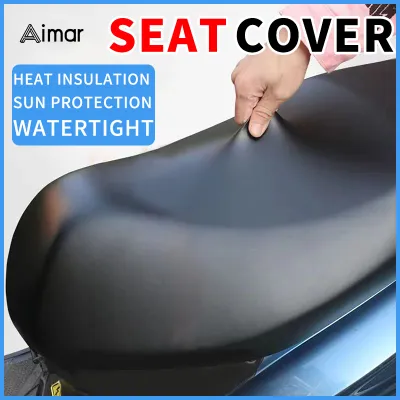
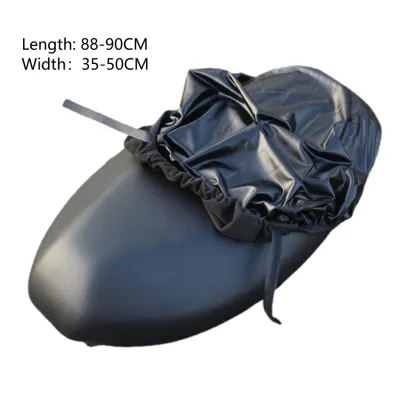
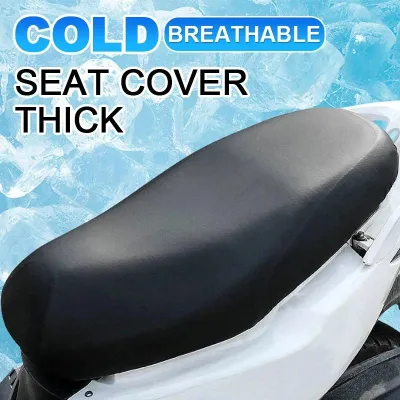
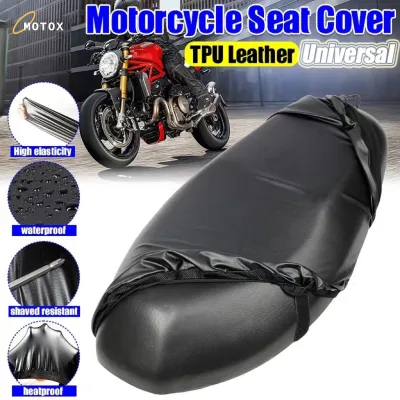
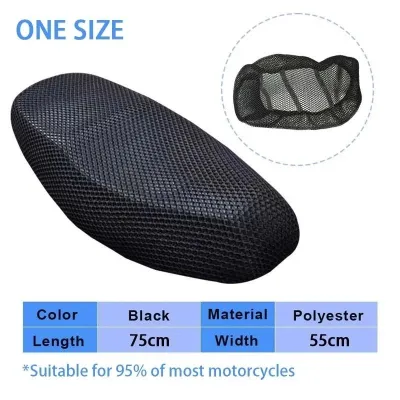
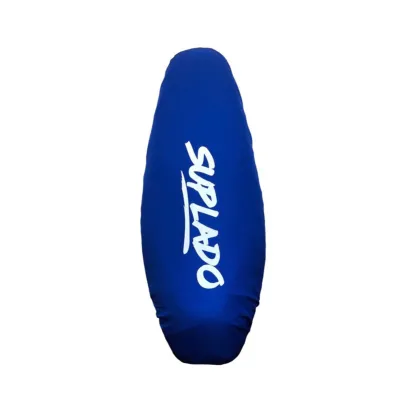
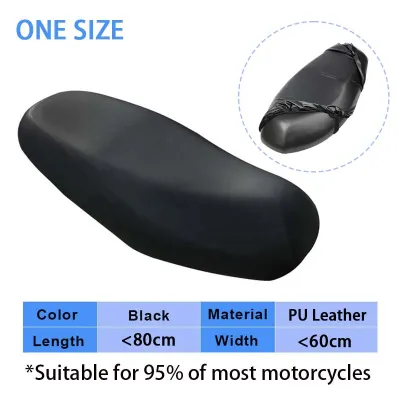
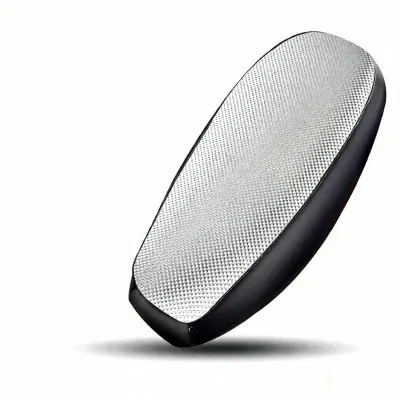
Prices are valid at publication and may change. Please refer to the product page for the latest price.
In addition to heavy rain, the intense tropical sun poses a severe threat to your motorcycle’s upholstery. Ultraviolet (UV) radiation breaks down the plasticizers in vinyl, causing the material to dry out, stiffen, and eventually crack. Once cracks develop, the seat’s core is permanently exposed to moisture, dirt, and debris, leading to rapid deterioration. A dedicated waterproof cover acts as a physical barrier against these harsh UV rays, preserving the flexibility and appearance of the original seat material and significantly extending its lifespan.
Rider comfort and hygiene are also directly linked to proper seat protection. The combination of moisture, heat, and organic matter on a damp motorcycle seat creates an ideal breeding ground for mold, mildew, and bacteria. In a highly humid climate, a waterlogged seat can quickly develop a persistent, unpleasant odor that is difficult to eliminate. Sitting on a mold-infested seat for extended periods can also lead to skin irritation or fungal infections. Using a reliable waterproof cover ensures that your riding surface remains clean, dry, and sanitary, enhancing your overall riding experience during the wet season.
Core Materials and Construction to Look For
When shopping for a waterproof motorcycle seat cover, it is essential to look past generic marketing buzzwords and closely examine the actual materials used in construction. Manufacturers typically list these specifications on product tags, packaging, or online product descriptions. Understanding the characteristics of these materials will help you select a cover that matches your specific riding conditions and durability expectations.

Polyvinyl chloride (PVC) is one of the most common materials used for heavy-duty waterproof covers. It is highly impermeable to water, relatively thick, and exceptionally durable against physical wear. However, PVC can become stiff in cooler temperatures and can absorb a significant amount of heat when left under direct sunlight, making the seat uncomfortable to sit on initially. Thermoplastic polyurethane (TPU) is a more modern alternative that offers excellent waterproofing while remaining highly flexible, lightweight, and resistant to temperature fluctuations. TPU covers conform easily to the contours of the seat and do not harden or crack as easily as standard PVC when exposed to prolonged sunlight.
Another popular option is Oxford polyester or nylon fabric treated with a polyurethane (PU) or silicone coating. These fabrics are categorized by their denier (D) rating, which measures the thickness of the individual threads. A higher denier rating, such as 210D or 600D, indicates a denser, more tear-resistant fabric. While these woven fabrics are highly breathable and lightweight, their waterproofing relies entirely on the integrity of the inner coating. Over time, friction and folding can cause this coating to wear away, so they are best suited for temporary rain protection rather than permanent outdoor parking.
The method used to join the fabric panels is just as important as the material itself. Standard sewing needles create thousands of tiny punctures along the seams, which will inevitably leak during heavy rain if left untreated. High-quality waterproof covers utilize heat-sealed or radio-frequency welded seams, which fuse the material panels together to create a completely seamless, watertight bond. Alternatively, look for covers with taped seams, where a waterproof adhesive tape is applied over the stitched seams on the inside of the cover to block water entry. If a product description does not explicitly mention heat-sealing or seam-taping, assume it uses standard stitching that may require aftermarket seam sealer to be truly waterproof.
Choosing the Right Fit and Attachment System
A waterproof cover is only effective if it fits your motorcycle seat properly and stays securely in place. A loose, poorly fitted cover can sag, creating pockets where rainwater pools instead of draining off. Conversely, a cover that is too tight will put excessive stress on the seams and elastic bands, leading to premature tearing. To find the perfect fit, you must measure your seat accurately rather than relying solely on generic “universal” size labels like medium or large.
Using a flexible measuring tape, measure the maximum length of your seat from the front tip near the fuel tank to the very back edge. Next, measure the width at the widest point, which is typically the passenger section. Finally, measure the depth or contour of the seat, especially if your motorcycle has a stepped seat or a prominent lumbar support. Compare these measurements directly with the manufacturer’s sizing chart. If your measurements fall between two sizes, it is generally safer to choose the larger size to ensure complete coverage, provided the attachment system can cinch the excess material tightly.
The attachment system determines how well the cover performs in windy conditions and during active riding.
- Elastic Hems: Many temporary rain covers feature a simple elasticized hem that slips over the edges of the seat. While incredibly quick to install and remove, these are best suited for stationary parking. High winds can easily catch the edges of a loose elastic cover and blow it away.
- Drawstrings: Covers with an adjustable drawstring and toggle lock allow you to pull the material tight around the underside of the seat base. This provides a much more secure and customized fit than basic elastic, preventing the wind from getting underneath the cover.
- Strap Buckles and Clips: For the ultimate security, look for covers that feature adjustable straps with quick-release buckles or windproof clips that pass completely underneath the seat utility box (U-box) or frame. This system locks the cover in place, making it safe to use while riding without fear of the cover shifting or flying off at highway speeds.
Safety should always be a primary consideration when installing any accessory on your motorcycle. A slippery seat cover can cause you to slide forward during sudden braking or shift unexpectedly during cornering, compromising your control over the vehicle. To prevent this, choose a cover that features an anti-slip backing or a textured inner lining. Many high-quality covers use silicone grip dots, rubberized mesh, or a soft, high-friction fabric on the underside to grip the original vinyl seat securely. Always test the stability of the cover by sitting on it and shifting your weight before riding on public roads.
Evaluating Products on E-commerce Platforms
With numerous options available on online marketplaces, finding a genuine, high-quality waterproof seat cover requires a strategic approach. Many listings use identical stock photos but deliver products of vastly different quality. To navigate these platforms successfully, you must know how to filter listings, analyze customer feedback, and identify potential red flags.
Start by using precise search terms such as “motor seat cover waterproof,” “heavy duty motorcycle rain cover,” or “anti-slip waterproof seat protector.” Apply search filters to prioritize local sellers, which typically results in faster shipping times and a more straightforward return process if the cover does not fit your bike. Look for listings with high seller ratings and a history of successful transactions, as these sellers are more likely to provide accurate product descriptions and reliable customer service. Most standard waterproof covers range from ₱150 to ₱600 depending on the material quality and fitment type.
When evaluating a specific product, do not rely solely on the overall star rating or the featured positive reviews. Scroll down to the user reviews and filter for 2-star, 3-star, and 4-star feedback. These mid-range reviews often provide the most honest and detailed assessments of the product’s real-world performance. Look for customer-uploaded photos and videos to see how the cover actually looks when installed on various motorcycle models. Pay close attention to comments regarding water leakage during heavy downpours, the durability of the elastic bands, and whether the material fades or cracks after a few weeks of exposure to the sun.
Be alert to common red flags that indicate a low-quality product or an unreliable seller. Avoid listings that lack detailed material specifications, precise sizing charts, or clear installation instructions. If a seller uses generic stock images without showing the actual texture of the fabric, the seams, or the underside backing, it is highly likely the product is made from cheap, thin plastic. Additionally, test the seller’s responsiveness by sending a direct message asking for the exact dimensions of the cover or its compatibility with your specific motorcycle model. A seller who fails to respond or provides vague, automated answers is unlikely to assist you if you encounter issues with your purchase.
Care, Maintenance, and Storage Guidelines
Proper care and maintenance are essential to preserve the waterproof properties and extend the lifespan of your motorcycle seat cover. Over time, road grime, dust, salt air, and engine oil residue can accumulate on the surface of the cover, slowly degrading the protective coatings and fabrics. By following a few simple maintenance steps, you can ensure your cover remains fully functional for years.
Always refer to the manufacturer’s care label or instruction sheet before cleaning your seat cover. As a general rule, avoid machine washing, dry cleaning, or using harsh chemical detergents, bleach, or abrasive scrubbers. These aggressive cleaning methods can strip away the waterproof polyurethane or silicone coatings and damage the heat-sealed seams. Instead, clean the cover while it is installed on the bike or spread flat on a clean surface. Wipe it down gently using a soft microfiber cloth, warm water, and a mild, pH-neutral soap. Rinse thoroughly with clean water to remove all soap residue, which can attract dirt if left on the fabric.
Proper drying is critical to prevent the growth of mold, mildew, and unpleasant odors. Never fold, pack, or store a wet or damp seat cover. Trapping moisture inside a folded cover can cause the waterproof backing to peel, crack, or stick to itself, permanently ruining the material. After cleaning or riding in the rain, hang the cover in a shaded, well-ventilated outdoor area to air-dry completely. Avoid exposing the wet cover to direct, intense sunlight during the drying process, as the combination of moisture and extreme heat can weaken the fabric fibers and degrade the elastic components.
When the cover is not in use, store it properly to protect it from unnecessary wear and tear. Avoid stuffing the cover loosely into your under-seat storage compartment (U-box) alongside sharp tools, keys, or heavy locks that could puncture the fabric. Instead, fold the cover gently along its natural seams, avoiding sharp, tight creases that can stress the waterproof membrane. Store the folded cover in a dedicated protective pouch or a soft cloth bag. Keep the storage pouch in a cool, dry place away from direct heat sources, such as the motorcycle’s engine bay or exhaust system, to prevent the synthetic materials from melting or warping.
Frequently Asked Questions (FAQ)
Can I use a universal cover for a scooter with a stepped seat?
Yes, but with significant limitations. Stepped seats, which are common on maxi-scooters and some underbone motorcycles, feature a distinct height difference between the rider’s section and the elevated passenger section. A standard, flat universal cover is designed to stretch straight across a relatively flat profile. When installed on a stepped seat, a flat cover will stretch tightly over the gap, leaving a large empty space underneath. This unsupported section of the cover is highly susceptible to sagging, which allows rainwater to pool in the dip during heavy downpours. The weight of the pooled water can stretch the fabric, stress the seams, and eventually cause water to seep through. For motorcycles with stepped seats, it is highly recommended to search for model-specific custom covers or highly elastic, multi-panel covers designed specifically to conform to the contoured shape of your seat.
How do I know if the waterproof coating is wearing off?
You can easily identify a failing waterproof coating through visual and physical checks. When a seat cover is new and the waterproof coating is fully intact, rainwater will bead up into distinct droplets and roll off the surface effortlessly. If you notice that water is no longer beading but is instead soaking into the outer fabric, creating dark, damp patches, the water-resistant treatment is wearing off. Additionally, inspect the underside of the cover regularly. If the inner polyurethane or silicone lining feels sticky to the touch, has a powdery residue, or is visibly flaking, peeling, or cracking, the chemical barrier has degraded. Once these physical signs of wear appear, the cover will no longer provide reliable protection during heavy rain, and it is time to replace it.
Are reflective strips necessary for a seat cover?
While not strictly necessary for waterproofing, reflective strips are a highly valuable safety feature, especially for riders who frequently commute at night or during the heavy rainstorms common in the Philippines. When your motorcycle is parked on the side of a dimly lit street or in a dark parking lot, reflective elements on the seat cover significantly increase its visibility to oncoming motorists, reducing the risk of accidental collisions. However, safety features should not come at the expense of primary functionality. When choosing a cover, prioritize high-quality waterproof materials, robust seam construction, and a secure fit first. If a high-quality cover happens to include reflective strips, it is an excellent added benefit, but you should not choose a poorly made, leaky cover simply because it has reflective elements.

Community discussion
Share your experience or ask a question. Comments are reviewed before publication.