
Finding a reliable motorcycle helmet requires balancing safety, comfort, and cost. For women riders navigating the busy streets and tropical climate of the Philippines, a certified half-face helmet offers an ideal mix of ventilation and protection. This guide outlines how to select a certified half-face helmet that fits your budget, explaining the critical safety standards, fit considerations, and feature tiers available in the market.
Understanding Your Budget and Safety Requirements
In the Philippines, riding without an approved helmet is not only a major safety hazard but also a legal violation under national road safety laws. Every rider must wear a helmet that carries either the Philippine Standard (PS) mark or the Import Commodity Clearance (ICC) sticker. When shopping for a helmet half face women riders can trust, your budget will dictate the materials, weight, and comfort features, but safety compliance must remain non-negotiable.
Lower-priced options still undergo rigorous testing to meet basic impact standards, while higher-priced models introduce lightweight composites and advanced aerodynamics. A lower budget restricts your material choices to heavier plastics, but it must never mean compromising on basic structural certification. Understanding these trade-offs helps you allocate your funds to features that matter most for your daily commute.
Products mentioned in this guide
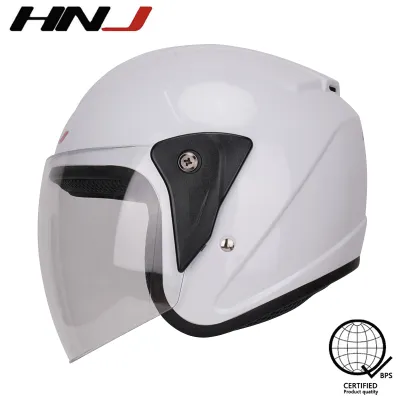
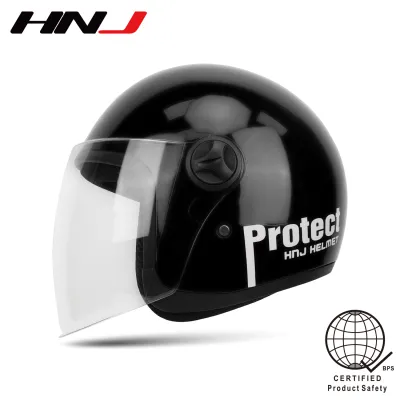
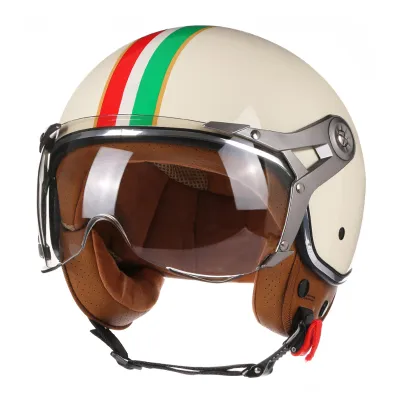
Prices are valid at publication and may change. Please refer to the product page for the latest price.
How to Verify PSB and ICC Certification Marks
Safety certification is your primary defense against head injuries, making verification the most critical step of your purchase. Genuine ICC and PS marks are issued by the Bureau of Philippine Standards (BPS) after strict quality testing. A real sticker features a unique, traceable serial number and a holographic design that reflects light differently when tilted.

Be highly vigilant against counterfeit safety labels, which are common on cheap, unbranded helmets sold on online marketplaces. Red flags include stickers that peel off easily with a fingernail, blurry printing, or the complete absence of manufacturer details on the helmet shell. If a helmet is priced suspiciously low compared to established retail standards, it likely lacks the necessary Expanded Polystyrene (EPS) liner required to absorb impact energy, rendering it unsafe for road use.
To ensure authenticity, cross-reference the certification number printed on the sticker with the official BPS registry when possible. Purchasing exclusively from authorized physical dealers or official online flagship stores is the most reliable way to guarantee you are buying a genuine, certified product.
Key Fit and Design Features for Women Riders
Achieving a secure fit is essential for a helmet to perform correctly during an impact. Rather than relying on generic gender labels, always measure your head circumference using a soft tape measure placed just above your eyebrows. Compare this measurement directly against the manufacturer’s specific sizing chart, as sizing standards vary significantly between brands.
Weight distribution is another critical factor, especially for daily commuters facing long hours in heavy traffic. Lighter shell materials reduce neck strain and fatigue, which is a common concern for riders with smaller frames. In the humid Philippine climate, look for helmets with efficient ventilation channels that draw cool air in and expel hot air.
Interior padding should contour comfortably around your cheeks and temples without causing painful pressure points. Many women riders prefer helmets with removable cheek pads of varying thicknesses to customize the fit. Additionally, consider whether the interior lining accommodates specific hairstyles, such as ponytails, or features dedicated channels for eyewear if you wear glasses or sunglasses.
Navigating Price Tiers: What to Expect and What to Compromise
When planning your purchase, allocate your budget based on how often and how far you ride. Daily commuters who spend hours on the road require higher durability and better moisture management than occasional weekend riders. Avoid “premium-looking” helmets that prioritize flashy graphics or vintage aesthetics over actual safety certifications, as these often use substandard materials.
Entry-Level Budget: Prioritizing Basic Compliance
Entry-level certified helmets focus strictly on meeting safety baselines. These models typically feature shells made of standard Acrylonitrile Butadiene Styrene (ABS) plastic, which is highly impact-resistant but heavier than advanced composites. The visors are usually basic clear polycarbonate without advanced anti-scratch or anti-fog coatings. To keep costs low, the interior padding is often simpler, less moisture-wicking, and permanently attached to the shell, making deep cleaning more challenging.
Mid-Range Choices: Balancing Comfort and Durability
Moving into the mid-range tier introduces significant upgrades in daily usability and comfort. These helmets feature improved multi-port ventilation systems and visors with anti-scratch treatments. The inner liners are typically fully removable and washable, which is essential for maintaining hygiene in hot, humid weather. You will also find more convenient strap mechanisms, such as quick-release micrometric buckles, which allow for easy one-handed operation.
Premium Selections: Advanced Materials and Aerodynamics
Premium helmets utilize advanced shell materials like fiberglass composites or carbon fiber, offering superior strength-to-weight ratios that dramatically reduce neck fatigue. These high-end models often include integrated dual-visor systems with a drop-down inner sun shield to protect your eyes from intense tropical sunlight. They also feature pinlock-ready main shields to prevent fogging during sudden downpours, along with advanced acoustic design to minimize wind noise at higher speeds.
Hidden Costs and Pre-Purchase Checks for Online Orders
Purchasing a helmet online requires careful planning to avoid unexpected expenses. Because helmets are bulky and require large protective packaging, shipping fees can add a noticeable amount to your total cost, especially if you live outside major metropolitan areas. Always factor these delivery charges into your overall budget before finalizing your purchase.
To protect yourself from counterfeit products, only buy from authorized brand distributors or official flagship stores on ecommerce platforms. Check customer reviews for photos of the actual safety stickers and packaging. Furthermore, review the seller’s return and exchange policies thoroughly; ensure they allow size exchanges and clarify whether you must keep the hygiene seals and visor protective films intact to qualify for a return.
Maintenance and Replacement Rules for Half-Face Helmets
Proper maintenance extends the life of your helmet and ensures it remains safe to use. Clean the outer shell and visor using only mild soap, warm water, and a soft microfiber cloth. Avoid harsh chemical cleaners, glass sprays, or petroleum-based solvents, as these can chemically degrade the polycarbonate visor and weaken the outer shell structure.
For helmets with removable liners, hand wash the padding in cold water with a gentle detergent and allow them to air dry completely in a well-ventilated area. Never use a clothes dryer or expose the padding to direct, intense sunlight, as extreme heat can warp the foam. If your helmet has non-removable liners, use specialized helmet disinfectant sprays approved by the manufacturer.
Remember that all helmets have a limited service life, typically three to five years from the date of first use, due to the natural degradation of the internal EPS liner from sweat, hair oils, and UV exposure. Most importantly, if your helmet experiences any significant impact or is dropped from a height onto a hard surface, replace it immediately. The internal protective liner is designed to compress and absorb energy only once, and invisible micro-fractures can compromise its safety in a future accident.
Frequently Asked Questions (FAQ)
Can I use a standard men's half-face helmet if it fits my head size?
Yes, helmet safety is entirely gender-neutral. Certification standards and protective capabilities depend on the physical dimensions and shape of your head, not gender marketing. While some helmets marketed for women offer lighter shell weights or specific padding shapes to accommodate smaller frames, any certified helmet that matches your exact head circumference and provides a snug, secure fit is perfectly safe and legal to use.
Are half-face helmets legally allowed for all motorcycle types in the Philippines?
Yes, half-face helmets carrying valid PSB or ICC certification marks are legally permitted for general motorcycle and scooter use on public roads in the Philippines. However, you must always check local government ordinances, as some municipalities or specific high-speed expressways may enforce stricter safety regulations or recommend full-face helmets. While legally compliant, keep in mind that half-face designs do not offer chin or lower-jaw protection, which are highly vulnerable areas during a collision.

Community discussion
Share your experience or ask a question. Comments are reviewed before publication.