
Quick Answer: Which Tool-Free Car Mount Holds Best?
There is no single, universally superior tool-free car mount for every driver. The most secure hold depends entirely on your vehicle’s interior layout, your dashboard materials, local climate conditions, and the weight of your smartphone. Choosing the wrong type can lead to your device falling during transit, or worse, permanent damage to your vehicle’s cabin trim.
For heavy devices or large smartphones, suction cup mounts equipped with mechanical locking levers and sticky polyurethane gel bases offer the most robust, heavy-duty hold on smooth, non-porous surfaces. If you want to keep your dashboard and windshield completely clear while preventing your phone from overheating, a high-quality air vent mount with a mechanical clamp provides an exceptionally stable, low-profile setup. For drivers who prioritize speed and convenience, magnetic mounts offer the fastest, seamless one-handed mounting experience, provided your phone or case has a compatible magnetic array.
Key Comparison Factors for Tropical Driving Conditions
Driving in the Philippines presents unique challenges that directly impact how well a tool-free car mount performs over time. The combination of intense tropical heat, high relative humidity, and demanding road conditions means a mount that works perfectly in cooler climates might fail quickly here. Understanding these environmental stressors is essential before making a purchase.
Products mentioned in this guide
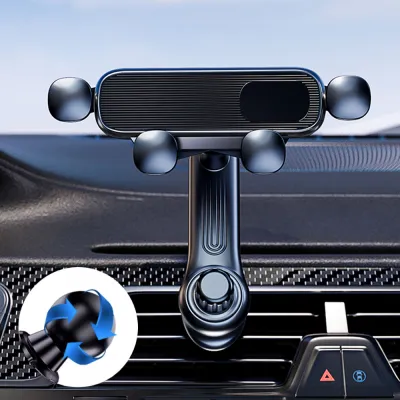
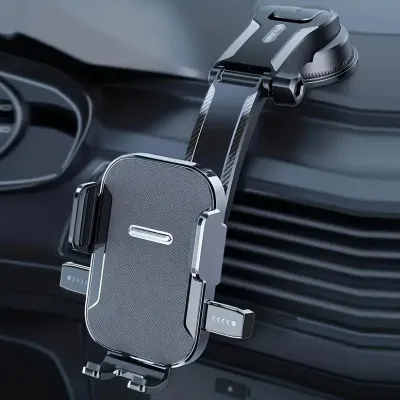
![[COD] 360° Rotating Car Holder Self-adhesive Phone Bracket Strong Dashboard Mount Stable Stand for Hands Free Driving Convenience](https://img.lazcdn.com/g/p/fd32d9e093b172930a52175911936558.jpg_400x400q80.jpg_.webp)
Prices are valid at publication and may change. Please refer to the product page for the latest price.

Extreme Cabin Heat When parked under the direct midday sun in Manila or open provincial areas, interior cabin temperatures can easily exceed 60°C. This intense heat directly affects adhesives and suction materials. Standard double-sided tape and low-grade suction cup gels can soften, melt, or lose their molecular grip under these temperatures, causing the mount to slide down the dashboard or fall off the windshield entirely.
High Relative Humidity Humidity plays a significant role in how well adhesives cure and maintain their bond. If you install an adhesive-backed mount or a sticky-gel suction cup on a humid day without proper surface preparation, moisture trapped beneath the mounting base can prevent a secure bond. Over time, constant exposure to high humidity can degrade cheap adhesive backings, leading to premature failure.
Road Vibrations and Stop-and-Go Traffic Navigating the persistent stop-and-go traffic of major thoroughfares like EDSA, combined with uneven asphalt, speed bumps, and provincial potholes, subjects your car mount to continuous physical stress. These constant micro-vibrations place immense strain on the mount’s joints, clips, and suction seals. A mount with weak joint stiffness or a loose vent clip will gradually droop, rotate, or rattle loose under these daily driving conditions.
Device Thermal Management Running high-demand GPS navigation apps like Waze or Google Maps while simultaneously charging your phone generates substantial internal heat. In a tropical climate, this can quickly trigger your phone’s built-in thermal protection, causing the screen to dim, charging to stop, or the device to shut down entirely. Positioning your mount to utilize your car’s active air conditioning airflow can be a critical factor in keeping your device operational.
Dashboard Surface Texture Modern vehicle dashboards feature a wide variety of materials, ranging from hard, textured plastics to soft-touch synthetic leathers and open-pore wood trims. Standard vacuum suction cups require an airtight seal to function. If your dashboard has even a slight texture or porosity, air will slowly seep under the cup, neutralizing the vacuum and causing the mount to fall. Identifying your specific dashboard material is the first step in determining compatibility.
Air Vent Mounts: Security and Limitations
Air vent mounts are highly popular due to their compact size and simple installation. These mounts typically use a spring-loaded clamp, a rubberized fork, or a mechanical twist-lock hook that grabs onto one of the horizontal or vertical slats of your vehicle’s air conditioning vent.
The Pros of Air Vent Mounts
- Excellent Thermal Regulation: By placing your phone directly in front of the AC vent, the cold airflow actively cools the device, preventing thermal throttling during long drives.
- Clear Sightlines: Because they sit lower than the dashboard line, vent mounts keep your windshield completely unobstructed, ensuring a safer view of the road.
- Low Center of Gravity: Mounting closer to the dashboard trim minimizes the leverage force exerted by the phone's weight, reducing visible shaking on rough roads.
The Cons of Air Vent Mounts
- Risk of Vent Damage: Heavy modern smartphones can weigh well over 200 grams. This weight, combined with road vibrations, puts significant mechanical leverage on fragile plastic vent louvers, which can lead to cracked or broken slats.
- Airflow Obstruction: A mounted phone blocks a substantial portion of the cold air coming from that vent, which can noticeably reduce cabin cooling efficiency on hot days.
- Compatibility Issues: Vent mounts do not work well with circular, turbine-style, or deeply recessed vents. They require flat, sturdy, and accessible louvers to grip securely.
Verification Checklist for Vent Mounts
- Louver Direction: Ensure your vents have straight, horizontal, or vertical louvers. Circular or diagonal slats rarely provide a stable mounting surface.
- Louver Thickness and Depth: Check that the individual slats are thick enough to withstand clamping pressure but thin enough for the mount's clip to fully seat.
- Structural Sturdiness: Gently wiggle the vent louvers with your finger; if they feel flimsy, loose, or are already cracked, avoid using a vent mount.
Suction Cup Mounts: Stability and Surface Requirements
Suction cup mounts are the traditional heavy-duty option for vehicle phone placement. They rely on atmospheric pressure to hold the mount securely against a flat surface, utilizing either a basic PVC suction cup or an advanced sticky polyurethane (PU) gel suction base combined with a mechanical locking lever.
The Pros of Suction Cup Mounts
- Highly Flexible Placement: You can mount them directly to the windshield glass or onto smooth sections of the dashboard, allowing you to position the phone exactly where you need it.
- High Weight Capacity: The mechanical vacuum created by a locking lever provides a powerful hold that can easily support heavy, oversized smartphones and even small tablets.
- Adjustable Telescopic Arms: Many suction mounts feature extendable, articulating arms that let you pull the phone closer to your steering wheel, reducing the need to lean forward to read navigation maps.
The Cons of Suction Cup Mounts
- Extreme Heat Sensitivity: Direct sunlight shining through the windshield can heat the suction cup to extreme temperatures, causing the rubber to expand, the sticky gel to degrade, and the vacuum seal to fail unexpectedly.
- Surface Limitations: They will not hold on textured, curved, porous, or leather-wrapped dashboards. Attempting to force a seal on these surfaces will result in the mount repeatedly falling off.
- Potential Material Damage: Sticky gel bases can leave oily rings, discoloration, or permanent indentations on delicate soft-touch plastics and genuine or synthetic leather dashboards.
Installation and Safety Best Practices
- Clean the Surface Thoroughly: Before mounting, clean the target area with isopropyl alcohol to remove dust, oils, and dashboard dressings. Warning: Check your vehicle's owner's manual first to ensure alcohol will not damage or discolor your specific dashboard material.
- Avoid Airbag Zones: Never place a suction mount, its arm, or your phone within the deployment path of any dashboard or side-curtain airbags.
- Maintain Clear Visibility: Position the mount so it does not block your primary view of the road, particularly your front corners and side mirrors.
Magnetic Mounts: Convenience and Device Compatibility
Magnetic mounts have transformed how drivers interact with their phones on the road. Instead of using mechanical cradles or spring-loaded side arms, these mounts use high-strength neodymium magnets to hold the phone in place. This setup requires either a built-in magnetic ring in your phone (such as MagSafe-compatible systems) or a thin steel plate adhered to your phone or case.
The Pros of Magnetic Mounts
- Effortless One-Handed Operation: You can mount or detach your phone in less than a second. There are no side clamps to squeeze or release buttons to press.
- Minimalist Aesthetics: The mounting head is incredibly small and unobtrusive, leaving your car's interior looking clean and uncluttered when the phone is not mounted.
- Universal Orientation: You can easily rotate your phone between portrait and landscape modes instantly without adjusting any mechanical knobs.
The Cons of Magnetic Mounts
- Case Thickness Limitations: If you use a thick, rugged, or heavily textured phone case, the magnetic pull drops off exponentially. Without a direct metal-to-magnet connection, your phone can easily slide off when hitting speed bumps.
- Wireless Charging Interference: Placing a steel plate directly over your phone's internal wireless charging coil will block induction charging and can cause the metal plate to heat up rapidly, presenting a safety hazard.
- Adhesive Degradation: Many magnetic mounts use double-sided adhesive pads to stick to the dashboard. Under intense tropical heat, this adhesive can soften, causing the entire mount to peel off under the weight of your phone.
Verification Checklist for Magnetic Mounts
- Magnetic Compatibility: Confirm if your phone or case has built-in magnetic alignment. If not, verify if you are willing to stick a metal plate to your device.
- Case Material: Avoid using thick leather, wood, or heavily textured plastic cases unless they feature an integrated, surface-level magnetic ring.
- Charging Habits: If you rely on Qi or MagSafe wireless charging at home or in the car, ensure any adhesive metal plate is positioned far away from the wireless charging coil (typically at the very bottom of the phone).
Tool-Free Car Mount Comparison Matrix
To help you quickly evaluate which mounting mechanism aligns with your specific vehicle and device, refer to the comparative breakdown below. This matrix uses relative, observable performance metrics tailored to typical daily driving scenarios.
| Mount Type | Best Use Case | Relative Hold Strength | Dashboard/Vent Impact | Heat/AC Sensitivity | Device Weight Suitability |
|---|---|---|---|---|---|
| Air Vent Mount | Sturdy horizontal vents; drivers concerned with phone overheating | Medium (reliant on vent slat strength) | Low risk to dashboard; potential wear on plastic vent slats | Low (beneficial AC cooling; no adhesive to melt) | Light to Medium devices; heavy phones may cause vent drooping |
| Suction Cup | Windshields or perfectly smooth, flat dashboards | High (when vacuum seal is fully engaged) | Can leave sticky residue or permanent ring marks on soft materials | High (extreme cabin heat can degrade vacuum and gel) | Heavy devices, rugged cases, and small tablets |
| Magnetic | Quick stop-and-go trips; MagSafe-compatible devices | Medium to High (dependent on case thickness) | Minimal footprint; adhesive bases can leave residue when removed | Medium (adhesives on base or phone plate can soften in heat) | Light to Medium devices; heavy phones require direct metal contact |
Decision Framework: Which Mount Should You Buy?
To make your final decision, apply this conditional framework based on your vehicle’s design, your phone model, and your personal driving habits.
Choose an Air Vent Mount if:
- Your vehicle features traditional, sturdy, horizontal air vent louvers that do not feel loose or fragile.
- You frequently use GPS navigation and charging simultaneously, and want to utilize your car's AC airflow to prevent your phone from overheating.
- You prefer to keep your windshield completely clear of obstructions to maximize your driving field of view.
- You use a standard-sized, lightweight to medium-weight smartphone.
Choose a Suction Cup Mount if:
- Your dashboard has a smooth, flat, non-porous surface, or you prefer to mount the device directly onto your windshield glass.
- You drive a larger vehicle, such as an SUV or pickup truck, with a deep dashboard, and you need an adjustable telescopic arm to bring the screen closer.
- You use a heavy, ruggedized smartphone or a small tablet that requires a highly secure, mechanical vacuum hold.
- You do not mind periodically re-seating the suction cup to maintain vacuum integrity during seasonal temperature shifts.
Choose a Magnetic Mount if:
- You prioritize maximum convenience and want to mount and remove your phone instantly with one hand.
- You own a phone or case with integrated magnetic arrays, or you are comfortable adhering a thin steel plate to your device.
- You prefer a highly minimalist, low-profile interior aesthetic with minimal visual clutter.
- You do not regularly use Qi wireless charging, or you use a case that has a built-in magnetic ring designed to pass through wireless power.
Before making any purchase, always verify first:
- Check if your dashboard is wrapped in delicate genuine leather, synthetic leather, or soft-touch vinyl; if so, avoid direct sticky-gel suction cups to prevent permanent surface damage.
- Examine your air vents to ensure they are not circular, turbine-style, or equipped with ultra-thin, fragile decorative slats.
- Measure your phone case thickness; if it exceeds 2mm and lacks built-in magnets, standard magnetic mounts will not provide a safe hold on rough roads.
Frequently Asked Questions (FAQ)
Will a suction cup mount damage my leather dashboard?
Yes, certain suction cup mounts can cause permanent damage to genuine leather, synthetic leather (vinyl), and soft-touch dashboard materials. The damage typically occurs in two ways: physical indentation and chemical migration. The mechanical pressure of the vacuum suction can leave a lasting circular depression in the soft padding beneath the leather.
Additionally, many modern suction cups use a sticky polyurethane (PU) gel to help seal micro-gaps. Under intense tropical heat, the chemical plasticizers in this gel can react with the dyes and protective coatings on your leather dashboard, leading to permanent discoloration, sticky residue, or peeling. To protect delicate dashboard surfaces, consult your vehicle’s manual regarding interior care, avoid placing sticky gels directly on leather, or use a rigid, semi-permanent adhesive dashboard disk pad designed to distribute the weight safely.
Do magnetic car mounts interfere with phone signals or GPS?
No, the high-strength neodymium magnets used in consumer car mounts do not interfere with your phone’s cellular reception, Wi-Fi connectivity, Bluetooth, or GPS tracking. These communication systems rely on radio frequency (RF) signals, which are unaffected by the static magnetic fields generated by small consumer magnets.
However, there are two minor exceptions to keep in mind. First, the magnets can temporarily disrupt your phone’s internal digital compass (magnetometer), which might briefly affect the directional arrow in your navigation app until you start moving and the GPS takes over. Second, if you use a non-magnetic phone and have to adhere a physical steel plate to the back of your device, this metal plate can block Qi wireless charging signals and near-field communication (NFC) functions like tap-to-pay or RFID parking cards if it is positioned directly over the internal antenna coils.
How do I stop my air vent mount from drooping?
If your air vent mount is drooping or tilting downward under the weight of your phone, you can resolve the issue with a few targeted adjustments. First, ensure the mounting clip is pushed as far back onto the vent louver as possible; seating the clamp close to the base of the vent assembly minimizes leverage and provides the most stable support.
Second, check the tightening mechanism on the mount itself. Many vent mounts feature a threaded collar or tension knob behind the phone cradle’s ball joint; turning this knob clockwise will lock the joint angle firmly in place. If the entire vent louver is tilting downward due to gravity, look for a vent mount that features an integrated lower support kickstand or stabilizer bracket. These brackets rest against the solid dashboard trim below the vent, effectively distributing the phone’s weight and preventing the louvers from moving.

Community discussion
Share your experience or ask a question. Comments are reviewed before publication.