
The “most secure” car phone holder depends entirely on your vehicle’s interior constraints. Suction cups and adhesive magnetic mounts secure directly to the dashboard, while air vent mounts clip to the HVAC vents above it. There is no single universal winner; the best choice is dictated by your dashboard texture, vent blade design, and phone weight. This guide breaks down the physical requirements and failure points of each mechanism to help you choose the most stable option for your specific car.
Selecting an incompatible mounting style does more than just cause daily annoyance. A phone that falls while you are navigating busy city streets or cruising along the highway poses a severe safety hazard. It can slide under the pedals, distract your attention from the road, or result in an expensive screen replacement that could easily cost upwards of ₱10,000.
In tropical climates, cabin conditions add another layer of difficulty. High humidity and intense solar heat radiating through the windshield can rapidly degrade adhesives and weaken suction seals. By analyzing the mechanical limits of each mounting type, you can select a system that remains firmly in place regardless of road vibrations or weather conditions.
Products mentioned in this guide
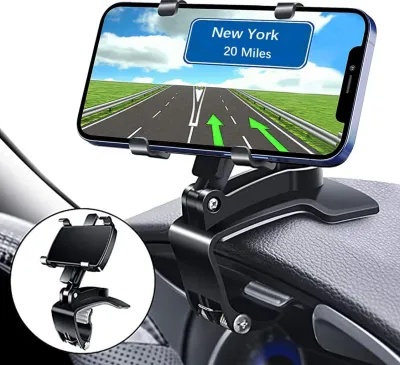
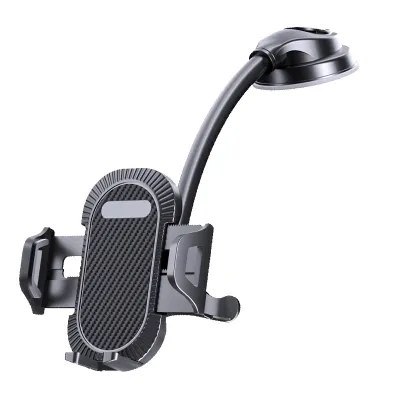
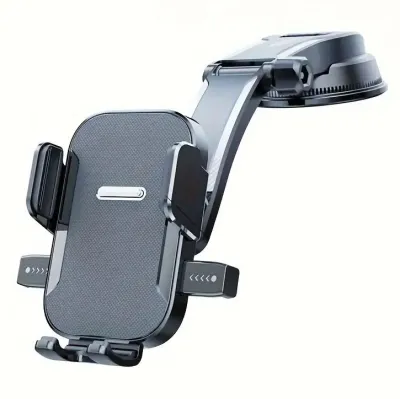
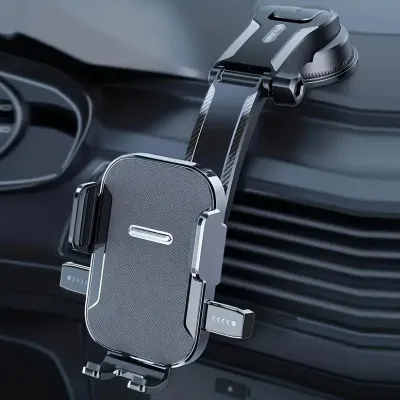
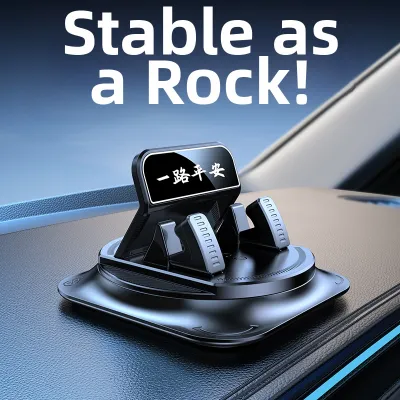
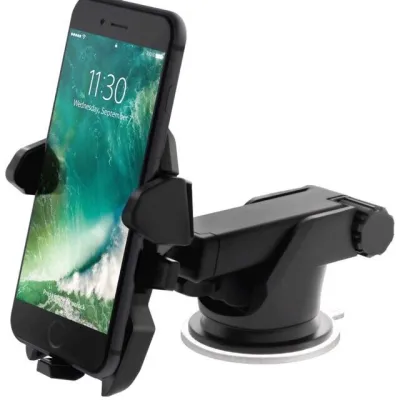
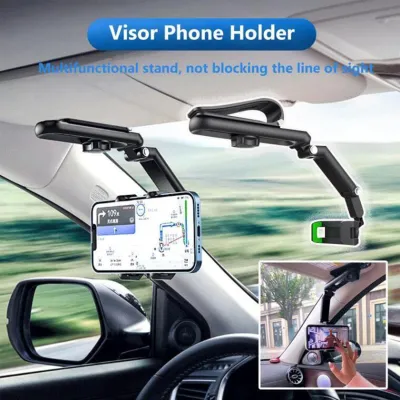
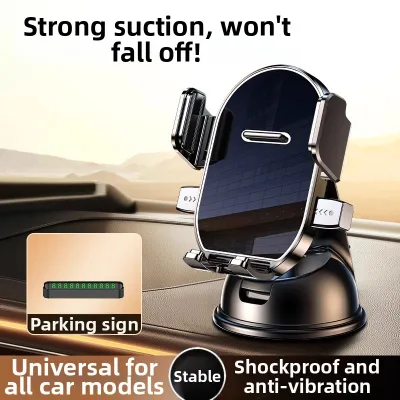
Prices are valid at publication and may change. Please refer to the product page for the latest price.
Assessing Your Car’s Interior Before Choosing a Mount
Before purchasing any car phone holder, you must thoroughly inspect your vehicle’s dashboard and center console. The physical characteristics of these surfaces will immediately eliminate certain mounting options. Start by running your hand across the dashboard to identify its texture. Smooth, hard plastics are highly receptive to suction cups and adhesives, whereas textured vinyl, stitched leather, or soft-touch materials prevent a proper seal and can be easily damaged by strong chemical bonds.
Next, examine the design of your HVAC vents. Standard horizontal vent blades with a flat profile are highly compatible with most clip-on mounts. However, if your vehicle features circular, vertical, or deeply recessed turbine-style vents, standard clips will struggle to find purchase. Some modern vehicles also use ultra-thin, motorized, or fragile vent slats that cannot bear the weight of a heavy smartphone without bending or breaking.
Finally, locate your vehicle’s safety systems and plan your sightlines. Look for the embossed “SRS Airbag” markings on the passenger dashboard, steering wheel, and A-pillars. Your phone mount must never cross these deployment zones, as a deploying airbag can turn a phone into a dangerous high-speed projectile. Additionally, position the mount to comply with local traffic regulations, ensuring it does not obstruct your direct view of the road or side mirrors.
Suction Cup Mounts: Evaluating Vacuum and Gel Adhesion
Suction cup mounts rely on a combination of atmospheric pressure and sticky polyurethane gel to create a secure hold. When you press the cup against a surface and engage the locking lever, it forces air out and creates a low-pressure vacuum chamber inside. The sticky gel pad acts as a secondary seal, filling in microscopic imperfections on the surface to prevent air from slowly leaking back into the chamber.

This dual-action mechanism performs exceptionally well on flat, non-porous, and completely smooth surfaces like glass or polished plastic. On these materials, a high-quality suction cup can withstand significant pulling force and keep your phone stable over long journeys. Many drivers prefer this option because it allows them to position the phone closer to eye level on the windshield or the upper dashboard.
However, suction cups face severe challenges in hot, tropical environments. When a car is parked under direct sunlight, interior cabin temperatures can soar. This extreme heat softens the polyurethane gel, causing it to lose its tackiness, while simultaneously expanding any microscopic air bubbles trapped beneath the cup. This expansion breaks the vacuum seal, leading to sudden, unexpected mount failures.
Textured surfaces also pose a constant threat to suction stability. Even a subtle leather grain provides tiny pathways for air to seep under the rubber edge, gradually neutralizing the vacuum. Furthermore, long telescopic arms on some suction mounts introduce a leverage problem. A heavy smartphone positioned at the end of an extended arm acts as a pendulum, amplifying road vibrations and putting immense mechanical stress on the suction base, which can cause it to wobble or detach entirely on rough roads.
Magnetic Mounts with Adhesive Bases: Evaluating Permanent Holds
Magnetic mounts with adhesive bases offer a low-profile, highly convenient solution for drivers who prefer a minimalist look. These systems typically use a small, semi-permanent adhesive pad to bond the mount base directly to the dashboard. The phone is then held in place by a powerful array of neodymium magnets that attract a thin metal plate attached to the back of the phone or its case.
The security of this system depends heavily on the quality of the adhesive pad and the preparation of the mounting surface. Most high-quality adhesive mounts utilize heavy-duty acrylic foam tape, which requires a completely clean, wax-free surface to bond correctly. Once applied, these adhesives require a strict curing period—often between 12 to 24 hours—before you should subject them to the weight of a phone. Rushing this step almost guarantees that the adhesive will peel away under tension.
Magnet strength is another critical variable, especially when navigating uneven roads or speed bumps. The magnetic force must be strong enough to overcome the inertia of your phone during sudden stops or sharp turns. If you use a heavy, large-format smartphone, a standard magnetic mount may not provide sufficient holding power unless the metal plate is placed directly on the exterior of the phone case.
While adhesive mounts provide a very stable hold, they carry risks of interior damage. Removing a strong adhesive pad from a delicate vinyl or leather dashboard can tear the surface material or leave behind a stubborn, sticky residue that is difficult to clean without specialized solvents. Additionally, placing a metal plate on the back of your phone can interfere with wireless charging systems, as the metal blocks the electromagnetic induction coils and can cause dangerous heat buildup during charging.
Air Vent Clips: Evaluating Stability Without Dashboard Contact
Air vent mounts bypass the dashboard entirely by clipping directly onto the slats of your vehicle’s HVAC system. This design keeps your dashboard free of adhesive residue and suction marks while positioning the phone within easy reach. The stability of an air vent mount depends almost entirely on the design of its clipping mechanism and the structural integrity of the vent blades.
There are two primary types of vent clips: spring-loaded tension clamps and mechanical hook-and-lock designs. Spring-loaded clamps rely purely on friction and spring pressure to grip the vent blade. While easy to install, they can slide off over time due to road vibrations. Hook-and-lock designs, on the other hand, feature a metal or plastic hook that extends behind the vent blade and is tightened mechanically using a screw dial. This creates a highly secure, physical connection that cannot slip off accidentally.
Despite their security, air vent mounts introduce unique climate-related risks. In tropical regions, blocking an active air vent can significantly reduce the cooling efficiency of your car’s air conditioning system. More importantly, blowing cold air directly onto the back of a hard-working phone can cause internal condensation when you exit the vehicle into hot, humid air. Conversely, if you use the car’s heater during cooler rainy seasons, the hot air blowing directly onto the phone can cause it to overheat and shut down.
Structural sagging is another major concern. Modern smartphones are increasingly heavy, and thin plastic vent blades are not designed to support sustained vertical loads. A heavy phone can cause the vent blades to sag downward, altering your viewing angle and potentially scratching or snapping the delicate plastic louvers. If your vehicle has fragile or highly stylized vents, this mounting style can lead to costly dashboard repairs.
Decision Framework: Matching the Mount to Your Driving Needs
To choose the most secure mount for your daily drive, evaluate your vehicle’s specific layout and your personal usage habits against this structured decision framework.
Choose a suction cup mount if:
- Your dashboard has a completely flat, smooth, non-porous section, or you are comfortable mounting the holder directly to your windshield glass.
- You want the flexibility to move the mount between different vehicles or adjust its position without leaving permanent marks.
- You prefer a high-mounted phone that keeps navigation maps closer to your natural line of sight.
Choose an adhesive magnetic mount if:
- Your dashboard is slightly curved or has a mild texture where suction cups fail to maintain a vacuum seal.
- You want a highly compact, low-profile holder that does not clutter your dashboard or block your forward visibility.
- You use a thin phone case or a device with built-in magnetic alignment, and you do not rely heavily on wireless charging pads.
Choose an air vent mount if:
- Your dashboard is entirely covered in textured vinyl, delicate leather, or soft-touch materials that cannot tolerate adhesives or suction cups.
- Your vehicle features sturdy, traditional horizontal vent blades that can easily support the weight of your phone.
- You want to keep your windshield completely clear of obstructions to maintain maximum road visibility.
Before making your final decision, verify if your vehicle has unique constraints. If your car has circular turbine-style vents, standard vent clips will not fit securely. If your dashboard is made of premium stitched leather, avoid both adhesives and suction cups, as they can cause permanent discoloration or physical tearing. Always prioritize a mounting position that complies with local traffic safety laws and keeps your hands free.
Safe Installation and Daily Use Checks
Proper installation is just as important as choosing the right mounting mechanism. To ensure your phone holder remains secure over time, always follow a strict surface preparation protocol. Begin by cleaning the mounting area thoroughly with isopropyl alcohol to remove any dust, finger oils, or dashboard protectants. Allow the surface to dry completely before applying an adhesive pad or suction cup; even a microscopic layer of moisture or oil will severely compromise the bond.
If you are installing an adhesive mount, press the base firmly onto the prepared surface for at least 30 seconds to activate the pressure-sensitive adhesive. Allow the bond to cure fully for 24 hours before attaching your phone or adjusting the mount’s arm. For suction cup mounts, press the cup firmly against the surface before engaging the locking lever to ensure maximum air displacement.
Position the mount carefully to maintain clear sightlines and avoid safety hazards. Under the Republic Act No. 10913, also known as the Anti-Distracted Driving Act in the Philippines, electronic devices must be mounted in a way that does not interfere with the driver’s direct line of sight. The ideal placement is low on the dashboard or near the center console, keeping the windshield clear. Never place a mount within the deployment path of any airbag, as indicated by the “SRS Airbag” labels in your cabin.
Finally, establish a routine to check your mount’s stability. The intense heat and high humidity characteristic of tropical climates will eventually weaken even the strongest adhesives and suction seals. Every few weeks, give the mount a gentle tug to ensure it remains firmly anchored. If a suction cup feels loose, detach it, wash the gel pad with clean water to remove accumulated dust, let it air dry completely, and reapply it to a clean surface to restore its original holding power.
Frequently Asked Questions (FAQ)
Will leaving a suction cup on the dashboard damage the material?
Yes, leaving a suction cup on your dashboard for extended periods can cause cosmetic damage. The area covered by the suction cup is shielded from sunlight, while the surrounding dashboard undergoes natural UV fading from sun exposure, which can leave a permanent, lighter ring on your dashboard. Additionally, the chemical plasticizers used in sticky polyurethane gel pads can react with soft-touch paint, vinyl, or synthetic leather coatings over time, leading to bubbling, discoloration, or a sticky residue. To prevent this, remove the mount when parking in direct sunlight for long periods, and use a thin plastic card and mild soapy water to gently lift the gel pad during removal.
Can I use a magnetic mount if my phone has a thick protective case?
Thick protective cases, especially rugged or wallet-style cases, significantly reduce the holding power of magnetic mounts. Magnetic force decreases exponentially with distance, meaning even a few millimeters of plastic or leather can prevent a secure connection. If you place the metal plate inside a thick case, the phone is highly likely to slide off when you drive over speed bumps or rough roads. To ensure a secure hold, you should stick the metal plate directly to the exterior of the case, or use a phone case that features integrated magnetic alignment rings designed specifically for magnetic mounts.

Community discussion
Share your experience or ask a question. Comments are reviewed before publication.