
Determining the “best” 5W-40 fully synthetic diesel oil among AMSOIL, Shell, Castrol, and Motul depends entirely on matching your specific engine’s manufacturer requirements rather than relying on brand reputation alone. Without a specific vehicle context, universal performance rankings cannot be reliably made. Instead, the right choice is the oil that exactly meets your required API or ACEA standards, holds the necessary OEM approvals, and aligns with your intended maintenance schedule and budget. This guide provides a framework to compare these four brands based on verifiable label specifications, driving conditions, and total cost of ownership in the Philippines. By focusing on technical specifications rather than marketing claims, you can ensure your diesel engine receives optimal protection under demanding local driving conditions.
Identifying Your Diesel Engine's Exact Oil Requirements
Before comparing brands, you must identify your vehicle’s baseline requirements. This information is located in your vehicle owner’s manual under the engine maintenance or specifications section. The manual specifies the required viscosity grade, such as 5W-40, which is highly suitable for the tropical climate and heavy traffic conditions in the Philippines. It also lists the necessary performance standards, such as API CK-4, CJ-4, or ACEA E-series, which dictate how the oil handles soot, shear, and oxidation.
Checking for specific Original Equipment Manufacturer (OEM) approvals is critical, especially if your vehicle is currently under warranty. Manufacturers like Mercedes-Benz, Volkswagen, Volvo, and Ford have proprietary testing standards that oils must pass to receive official approval. An oil might claim to meet a specification, but having the official OEM approval listed on the bottle ensures compliance with warranty terms.
Products mentioned in this guide
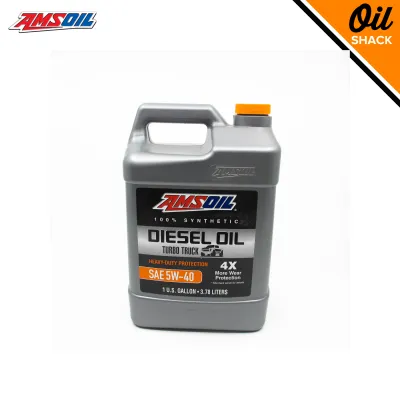
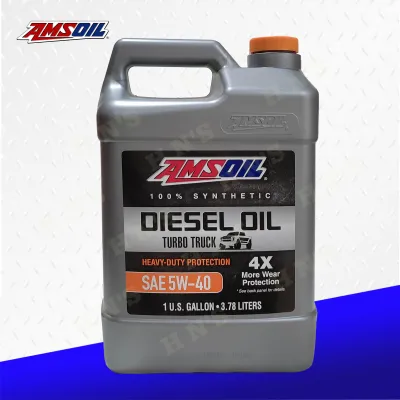
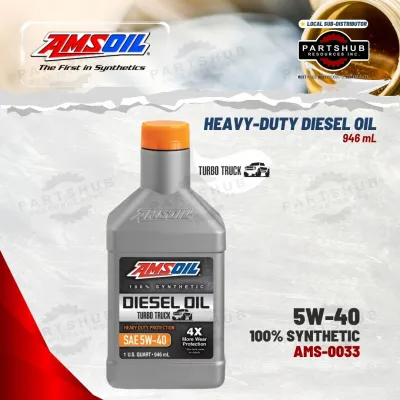
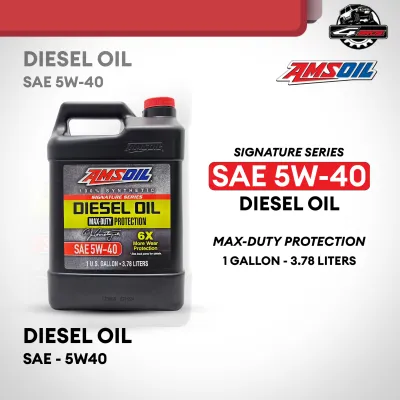
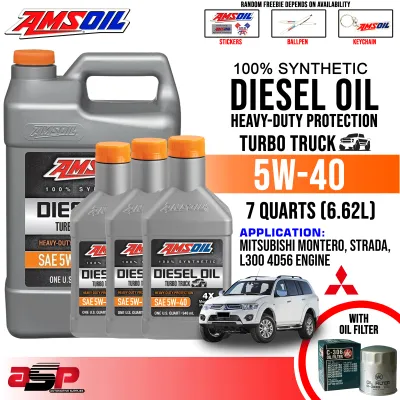
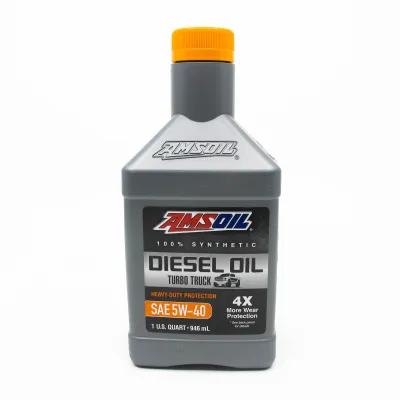
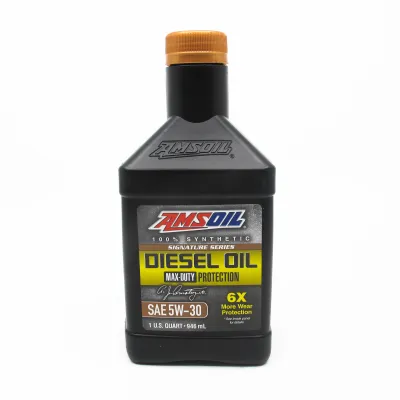
Prices are valid at publication and may change. Please refer to the product page for the latest price.
Matching the exact manufacturer specification is far more critical for long-term engine protection than any brand name or marketing claim. Using an oil with the wrong specification can lead to premature wear, clogged particulate filters, or voided warranties. Therefore, your search should always begin with your manual’s requirements rather than a brand’s reputation.
Additionally, modern diesel engines equipped with emission control devices, such as Diesel Particulate Filters (DPF) or Selective Catalytic Reduction (SCR) systems, require low-SAPS (Sulfate Ash, Phosphorus, and Sulfur) oils. Using a high-SAPS oil in a vehicle designed for low-SAPS formulations can permanently damage these expensive emissions systems. Always cross-reference the exact specifications required by your vehicle manufacturer before purchasing any synthetic diesel oil.
How to Compare AMSOIL, Shell, Castrol, and Motul Specifications
To make an informed decision, you must evaluate and compare the technical data sheets and label claims of the four competing 5W-40 synthetic diesel oils. Each brand positions its products differently, targeting specific driving needs and engine types.

AMSOIL is widely recognized for its focus on extended drain intervals and heavy-duty applications. When evaluating AMSOIL 5W-40, you should look closely at the product line’s specific API or ACEA certifications. Because AMSOIL offers different formulations, verify whether the specific bottle lists the exact OEM approvals required for your vehicle. This brand is often favored by owners who want to maximize the time between oil changes under severe operating conditions.
Shell, with its Rotella or Helix Ultra Diesel lines, is known for its widespread availability and robust soot control. In modern diesel engines, soot accumulation can thicken the oil and cause abrasive wear. When looking at Shell’s offerings, verify the specific OEM approvals and emissions system compatibility, particularly if your vehicle uses a Diesel Particulate Filter (DPF). Shell’s formulations are designed to keep soot dispersed, preventing it from agglomerating and causing engine wear.
Castrol, including its EDGE or CRB lines, emphasizes sludge protection and high-temperature stability. The high humidity and ambient temperatures in the Philippines place extra thermal stress on diesel engines, making resistance to oil breakdown crucial. You should verify Castrol’s exact certification match and base oil formulation to ensure it aligns with your engine’s needs. Castrol’s formulations aim to maintain viscosity even under intense heat and heavy loads.
Motul, particularly its 8100 or Specific series, is highly regarded for its precise, OEM-specific formulations. European diesel vehicles often require very specific chemical compositions to protect sensitive exhaust aftertreatment systems. When considering Motul, you must verify the exact part number and approval list on the bottle. Purchasing a generic formulation instead of the OEM-specific one can lead to compatibility issues with your vehicle’s emissions components.
To help you compare these options at the auto supply shop, use this comparison framework to verify the specifications of each candidate oil:
| Specification Dimension | AMSOIL 5W-40 | Shell 5W-40 | Castrol 5W-40 | Motul 5W-40 |
|---|---|---|---|---|
| API / ACEA Standard | Check Label | Check Label | Check Label | Check Label |
| Key OEM Approvals | Verify on Bottle | Verify on Bottle | Verify on Bottle | Verify on Bottle |
| Recommended Drain Interval | See TDS | See TDS | See TDS | See TDS |
| Base Oil Type | Check TDS | Check TDS | Check TDS | Check TDS |
(Note: Always refer to the Technical Data Sheet (TDS) or product label for the most current specifications, as formulations can change over time.)
By using this structured approach, you can look past the marketing slogans on the front of the bottle and focus on the technical realities printed on the back. This ensures that whichever brand you choose, the oil is chemically compatible with your engine’s internal components and emissions systems.
Evaluating Value: Pricing, Availability, and Drain Intervals
Calculating the true value of a synthetic diesel oil requires looking beyond the initial purchase price. A higher upfront cost can sometimes result in a lower total cost of ownership if the oil is rated for longer service intervals.
To calculate the cost per kilometer, use the following formula:
$$\text{Cost per Kilometer} = \frac{\text{Retail Price of Oil (₱)} + \text{Oil Filter Cost (₱)}}{\text{Safe Drain Interval (Kilometers)}}$$
By inputting the local retail price in Philippine Pesos and the manufacturer-recommended drain interval, you can determine which oil offers the best financial balance for your driving habits.
However, utilizing extended drain intervals requires a compatible high-capacity oil filter. Standard oil filters are designed to last for typical service intervals, usually around 5,000 to 10,000 kilometers. If you run an extended-drain oil like AMSOIL for 15,000 kilometers or more without upgrading to a high-capacity synthetic media filter, the filter may clog, bypass, and allow unfiltered oil to circulate through your engine. Always verify filter compatibility before extending your service intervals.
Local availability is another crucial factor to consider. If an oil is difficult to find, you may struggle to source a matching quart for top-ups or find yourself forced to switch brands during an emergency oil change. Ensure you purchase authentic products through authorized distributors, official brand stores, or reputable local auto shops. Counterfeit engine oils are a significant risk in online marketplaces, and using fake oil can lead to catastrophic engine failure due to inadequate lubrication and thermal breakdown.
Furthermore, the tropical climate of the Philippines, characterized by high humidity and intense stop-and-go traffic, can accelerate oil degradation. This means that even if an oil is rated for extreme drain intervals in other regions, local driving conditions may require more frequent changes. Always adjust your maintenance schedule based on your actual driving environment and regular oil level checks.
Decision Framework: Choosing the Right 5W-40 Synthetic Diesel Oil
To simplify your decision, you can use a condition-based framework to select the brand that best matches your vehicle and driving conditions.
Choose AMSOIL if you prioritize extended drain intervals and have access to high-capacity synthetic oil filters. This option is ideal for drivers who want to minimize maintenance downtime and whose vehicles explicitly match the OEM requirements listed on the AMSOIL product label.
Choose Shell or Castrol if you value widespread local availability, standard drain intervals, and easily verifiable OEM approvals. These brands are excellent choices for daily driving, commercial fleets, or standard maintenance schedules where you want the convenience of buying oil at almost any major service station or auto supply store in the Philippines.
Choose Motul if your vehicle requires a highly specific European OEM approval that other brands do not explicitly list. Motul’s specialized formulations are tailored for precise engineering standards, making them highly suitable for modern European diesel engines with complex emissions systems.
Before making any purchase, always verify your vehicle’s warranty status. If your vehicle is still under warranty, cross-reference the chosen oil’s technical data sheet with the manufacturer’s approved list. Using an oil that lacks official approval, even if it is a premium brand, can give the manufacturer grounds to deny a warranty claim in the event of an engine issue.
Additionally, consider your access to professional service centers. Some brands have dedicated service bays or authorized partner shops that offer professional oil change services. Utilizing these authorized centers can provide peace of mind, ensuring that the oil is genuine and that the service is performed according to industry standards.
Frequently Asked Questions (FAQ)
Can I mix AMSOIL 5W-40 with Shell, Castrol, or Motul?
While mixing synthetic oils of the same viscosity and performance specification generally will not cause immediate engine damage, it is not recommended. Each brand engineers a unique additive package designed to work cohesively to control soot, prevent wear, and resist oxidation. Mixing different brands dilutes these specific additive packages, potentially reducing the overall effectiveness of the oil. If you are attempting to utilize extended drain intervals, you should never mix different brands. When switching from one brand to another, it is best to perform a complete drain and fill, along with a filter replacement, to ensure your engine receives the full benefits of the new formulation.
Does a higher price guarantee better protection for my diesel engine?
A higher retail price does not automatically guarantee superior protection for your specific engine configuration. The price of engine oil often reflects marketing budgets, import duties, base oil sourcing, and the licensing fees paid to vehicle manufacturers for official OEM approvals. An oil that meets your exact OEM specifications at a standard price will provide all the protection your engine needs. Paying a premium price is only justified if the oil offers verified, tangible benefits that align with your maintenance plan, such as documented extended drain capabilities or a highly specific manufacturer approval required by your vehicle’s warranty.

Community discussion
Share your experience or ask a question. Comments are reviewed before publication.