
Choosing the right synthetic motor oil for your vehicle in the Philippines is not about finding a single, universally superior brand. Instead, optimal protection comes from matching a lubricant’s specific formulation, viscosity, and industry certifications to your engine’s design and your daily driving habits. While Amsoil, Shell, Castrol, and Motul all produce high-quality synthetic oils, each brand targets different performance priorities, such as extended drain intervals, active engine cleaning, high-temperature film strength, or specialized track performance.
To make an informed decision, you must look past marketing slogans and evaluate the technical specifications printed on the back of the bottle. Operating a vehicle in tropical conditions—characterized by high ambient temperatures, intense humidity, and prolonged idling in heavy metropolitan traffic—places unique thermal stress on your engine. By understanding how to read oil labels and aligning each brand’s strengths with your specific driving environment, you can select the oil that offers reliable protection and the best long-term value for your vehicle.
Identify Your Engine's Exact Oil Requirements
Before comparing individual brands, you must establish the baseline requirements set by your vehicle’s manufacturer. Using an oil that does not match these specifications can lead to accelerated engine wear, reduced fuel efficiency, or even catastrophic component failure, regardless of how premium the oil brand is.
Products mentioned in this guide
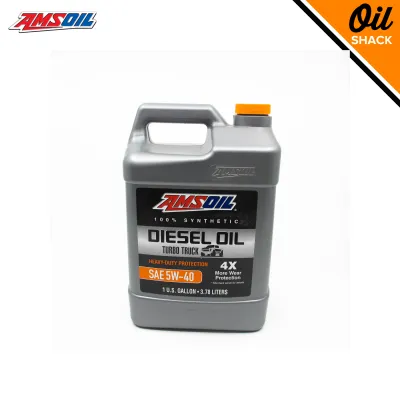
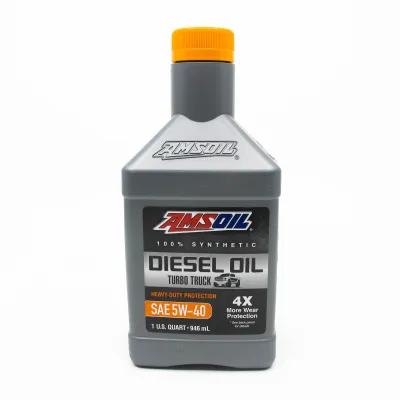
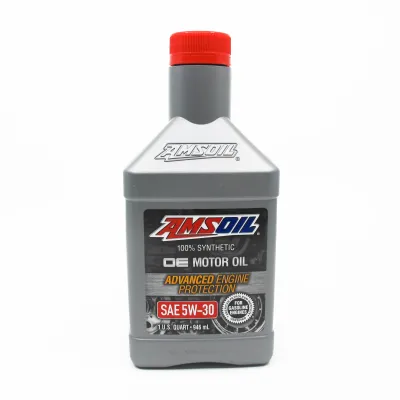
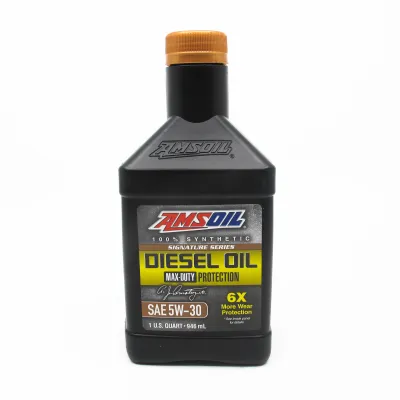
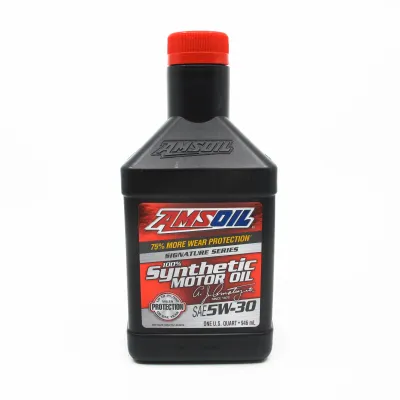
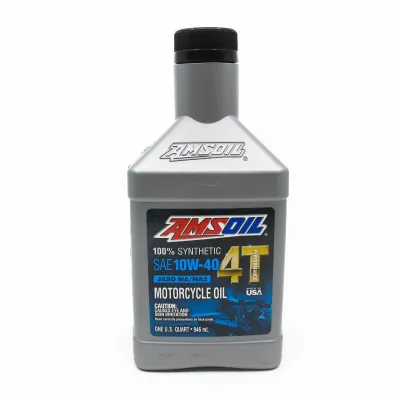
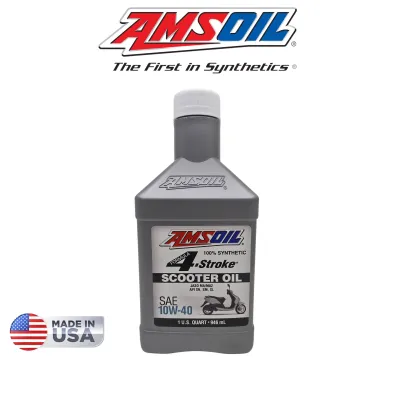
Prices are valid at publication and may change. Please refer to the product page for the latest price.
Your first step is to consult your vehicle’s owner’s manual to locate the recommended viscosity grade, such as 0W-20, 5W-30, or 10W-40. The first number, followed by a “W,” indicates the oil’s flow characteristics in cold temperatures, while the second number represents its viscosity at operating temperature. In a tropical climate like the Philippines, cold-start flow remains important, but the oil’s ability to maintain a stable protective film under high operating temperatures is critical.
Beyond viscosity, you must identify the required industry standards and original equipment manufacturer (OEM) approvals. Look for current American Petroleum Institute (API) service categories, such as API SP, or International Lubricant Standardization and Approval Committee (ILSAC) grades like GF-6. European vehicles often require specific European Automobile Manufacturers’ Association (ACEA) sequences or proprietary OEM approvals, such as those from BMW, Volkswagen, or Mercedes-Benz.
Matching these exact specifications is far more critical for engine longevity than the brand name on the bottle. Modern engines are designed with incredibly tight tolerances and complex variable valve timing systems that rely on specific oil pressures and flow rates. Using an incorrect specification can disrupt these systems, increase friction, and potentially void your manufacturer’s warranty.
How to Compare Amsoil, Shell, Castrol, and Motul Labels
Evaluating synthetic oils objectively requires looking past the front label’s marketing terms and examining the technical specifications on the back. Every reputable oil manufacturer publishes a Technical Data Sheet (TDS) and a Safety Data Sheet (SDS) for their products, which provide verifiable physical properties that you can compare.

Start by checking the back label for the official API donut or the specific ACEA sequences. These markings confirm that the oil has undergone standardized testing to meet minimum wear protection, sludge control, and fuel economy requirements. If your vehicle requires a specific OEM approval code, ensure that exact code is explicitly listed under the “specifications” or “approvals” section on the bottle, rather than just a generic claim of suitability.
Next, review the manufacturer’s stated formulation focus and verify it against their official product data sheets. For instance, look at the oil’s viscosity index, which measures how well the lubricant resists thinning as temperatures rise. A higher viscosity index generally indicates better stability under the intense heat of stop-and-go traffic in urban areas.
You should also look for specific performance metrics, such as the Total Base Number (TBN), which indicates the oil’s capacity to neutralize acidic byproducts over time. A higher TBN is particularly useful for extended drain intervals, as it shows the oil can combat degradation longer. By comparing these verifiable metrics across Amsoil, Shell, Castrol, and Motul, you can identify which product line genuinely aligns with your engine’s needs.
Match the Brand to Your Driving Conditions and Vehicle
Each of these four premium brands has developed a distinct reputation and formulation philosophy that makes them suitable for different driving scenarios and vehicle types. Understanding these differences helps you select a product tailored to your daily commute and driving style.
Amsoil is widely recognized for its focus on extended drain intervals and extreme thermal stability. Their premium synthetic lines are formulated with robust synthetic base stocks and highly concentrated additive packages designed to resist chemical breakdown over longer periods. If you drive long distances regularly or want to minimize the frequency of your maintenance cycles, Amsoil is a strong candidate, provided you pair it with a high-efficiency oil filter capable of matching the extended service life.
Shell frequently highlights its advanced cleaning technologies and base oils derived from natural gas, which contain fewer impurities than traditional crude-based synthetics. This focus on purity and active cleansing agents makes Shell synthetic oils highly effective at preventing sludge and deposit buildup. This is particularly beneficial for vehicles operating in dense, stop-and-go traffic in major Philippine cities, where prolonged idling accelerates oil contamination and deposit formation.
Castrol is commonly marketed for its strong oil film strength and wear protection under high-stress conditions. Their formulations often feature specialized titanium or liquid engineering additives designed to physically change how the oil behaves under extreme pressure, preventing metal-to-metal contact. This makes Castrol a suitable choice for turbocharged engines, older vehicles with higher mileage, or vehicles that frequently carry heavy passenger or cargo loads.
Motul is deeply rooted in motorsport and high-performance engineering, often utilizing ester-based synthetic technology in its premium lines. Esters provide exceptional shear stability, high-temperature resistance, and a natural polarity that allows the oil to cling to metal surfaces even when the engine is turned off. If you drive a high-performance sports car, operate a motorcycle, or frequently run your engine at high RPMs, Motul’s performance-oriented formulations offer robust protection under extreme thermal stress.
Calculate the True Value: Price vs. Drain Intervals
When choosing a synthetic oil, looking only at the upfront retail price per liter can be misleading. A more accurate way to assess value is to calculate the total cost of ownership over a complete maintenance cycle, factoring in the oil’s service life and the cost of supporting components.
In the Philippine market, premium synthetic oils vary significantly in price, with some imported specialty brands commanding a substantial premium over mass-market options. To determine the true value, compare the retail price per liter (₱) of equivalent full synthetic grades across the brands. A higher-priced oil may actually be more cost-effective if it safely allows for longer oil change intervals (OCI), thereby reducing the frequency of oil purchases and labor costs.
However, extending your drain intervals safely requires strict adherence to specific conditions. You must use a premium, high-efficiency oil filter designed to last the entire duration of the extended interval, as a standard filter may clog and go into bypass mode, circulating unfiltered oil through your engine. Additionally, operating in severe driving conditions—such as short trips, dusty environments, or heavy traffic—significantly shortens the safe lifespan of any motor oil, regardless of the brand’s claims.
When performing an oil change, always follow your vehicle’s original documentation and safety instructions. Ensure the engine has cooled completely before draining the oil to prevent severe burns, use appropriate personal protective equipment, and dispose of used fluids and filters at an authorized recycling center. If you are uncomfortable performing this maintenance yourself, seek qualified professional installation to ensure the oil filter and drain plug are torqued to the correct specifications.
To safely maximize your oil change intervals, especially when using premium formulations like Amsoil, consider performing a used oil analysis through a qualified laboratory. This test measures the remaining additive levels, viscosity stability, and wear metals in your oil, providing scientific proof of whether you can safely extend your service intervals under your specific driving conditions.
Decision Framework: Which Brand Should You Choose?
To finalize your decision, evaluate your vehicle’s specific requirements, your budget, and your typical driving conditions against the strengths of each brand.
Choose Amsoil if you want to maximize the time and distance between oil changes and are committed to using premium, high-capacity oil filters. This brand is ideal for drivers who cover long highway distances and want to minimize maintenance downtime, provided they monitor their oil levels and condition regularly.
Choose Shell if your daily driving consists primarily of short trips and heavy, stop-and-go city traffic where engine cleanliness and sludge prevention are paramount. Its focus on active cleaning helps keep sensitive engine components free of deposits under continuous idling conditions.
Choose Castrol if you operate a turbocharged engine, drive an older vehicle that requires robust wear protection, or frequently tow heavy loads. Its emphasis on film strength provides reliable protection against metal-to-metal contact under high mechanical stress.
Choose Motul if you drive a high-performance vehicle, participate in track days, or own a European car that requires specific manufacturer approvals. Its high-temperature stability and ester-based formulations are engineered to withstand the extreme thermal demands of high-RPM driving.
Before making any purchase, verify your vehicle’s warranty status. If your car is still under the manufacturer’s warranty, you must prioritize using an oil that carries the exact OEM approval code listed in your manual, regardless of brand preference. Using an unapproved oil, even a premium one, can give the manufacturer grounds to deny a warranty claim if an engine issue arises.
Frequently Asked Questions (FAQ)
Can I mix Amsoil with Shell, Castrol, or Motul?
While mixing API-certified synthetic oils of the same viscosity grade is generally safe in emergency situations, it is not recommended for routine maintenance. Each brand uses a unique, proprietary blend of base oils and chemical additives designed to work together cohesively. Mixing different brands can dilute these specialized additive packages, potentially reducing the oil’s overall effectiveness, wear protection, and lifespan. For optimal and predictable engine protection, always perform a complete drain and fill using a single brand and product line.
Will switching from Castrol to Amsoil void my car's warranty?
Switching synthetic oil brands will not void your vehicle’s warranty, provided the new oil meets the exact viscosity grade and OEM performance specifications required by your manufacturer. Vehicle warranties are legally tied to the technical specifications of the lubricant, not the brand name on the bottle. To protect your warranty status, always ensure the oil you choose explicitly lists your vehicle’s required OEM approval code on its label, and keep detailed records and purchase receipts of all maintenance work performed.

Community discussion
Share your experience or ask a question. Comments are reviewed before publication.