
Finding a reliable anti-scratch motorcycle seat cover in the Philippines requires looking past flashy marketing terms and focusing on material specifications, precise fitment, and environmental resilience. With the country’s intense tropical heat, heavy monsoon rains, and the everyday wear of urban commuting, a seat cover must do more than just resist scratches—it must protect the underlying foam from moisture and UV degradation. By understanding what makes a material truly durable, you can make an informed purchase that extends the lifespan of your motorcycle’s seat.
Quick Guide: Identifying Reliable Anti-Scratch Seat Covers
An authentic anti-scratch seat cover is defined by its material density and surface treatment rather than generic marketing buzzwords. Many products are labeled as “scratchproof” or “indestructible,” yet they fail under daily use because they are made of thin, single-layer plastics. True scratch resistance comes from engineered polymers, heavy-duty vinyl, or reinforced synthetic leather that can withstand the friction of riding gear, zippers, and external elements.
Before making a purchase, it is essential to verify the manufacturer’s specifications and material labels. Look for detailed descriptions that state the material thickness, weight, and construction layers. A reliable product listing will explicitly detail these physical properties rather than relying on vague promotional claims.
Products mentioned in this guide
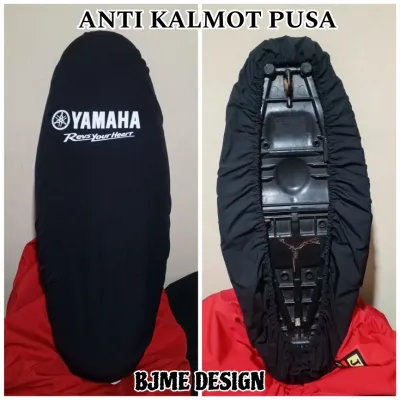
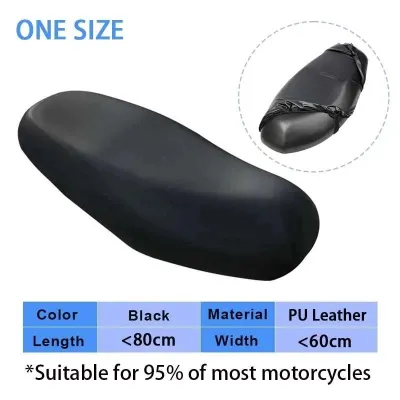
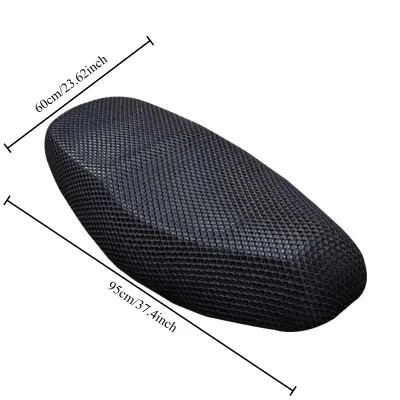
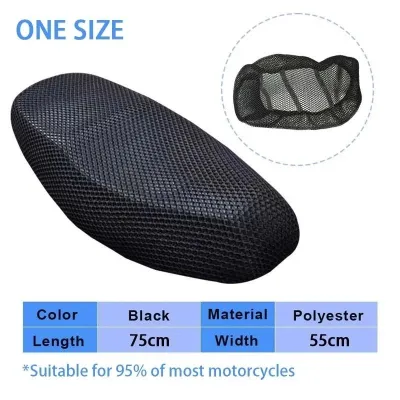
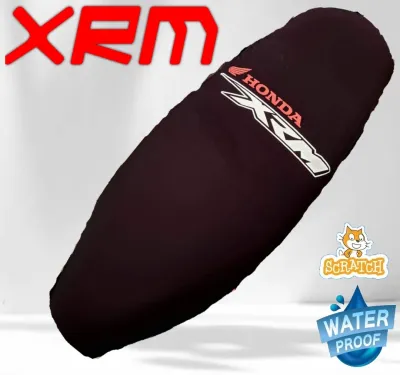
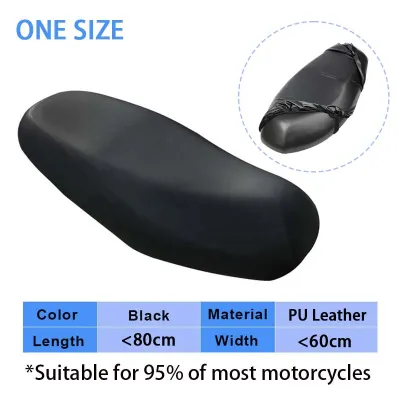
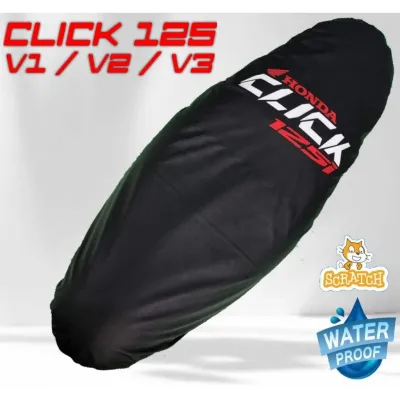
Prices are valid at publication and may change. Please refer to the product page for the latest price.
Your core decision path should follow three clear steps:
- Identify your exact motorcycle model and seat shape to ensure a compatible fit.
- Check the material construction for multi-layer reinforcement and UV protection.
- Verify local availability and return policies to protect yourself against sizing errors or manufacturing defects.
Material Guide: What Actually Makes a Seat Cover Scratch-Resistant?
To choose a seat cover that can withstand daily wear, you must understand the structural traits of common materials. Different materials offer varying levels of durability, flexibility, and resistance to abrasion.

- Heavy-Duty Marine-Grade Vinyl: This is one of the most reliable options for scratch resistance. Marine-grade vinyl is engineered to withstand harsh outdoor environments, making it highly resistant to punctures, tears, and abrasions. Its dense molecular structure prevents sharp objects from easily penetrating the surface.
- Reinforced Synthetic Leather (PU/PVC): High-quality polyurethane (PU) or polyvinyl chloride (PVC) synthetic leathers offer a premium appearance while maintaining excellent flexibility. However, for true scratch resistance, these materials must feature a reinforced backing layer, such as a woven polyester mesh, which prevents punctures from spreading into large tears.
- Canvas and Polyester Blends: Heavyweight canvas or high-denier polyester blends provide excellent resistance to scuffs and abrasions. While they are highly durable, they require specialized water-resistant coatings to prevent moisture from soaking through to the seat foam.
Surface texture plays a significant role in dispersing friction. Textured surfaces, such as carbon fiber patterns, matte finishes, or embossed honeycomb designs, help redirect the force of an abrasive object, reducing the likelihood of a deep scratch. Additionally, textured surfaces are much better at hiding minor scuffs that accumulate over time compared to smooth, glossy finishes.
Material thickness and stitching patterns are equally critical. A thicker cover (typically 1.0mm or greater) provides a deeper protective barrier. Look for double-stitched or heat-sealed seams; these construction methods ensure that the cover does not split at the stress points when stretched over the seat frame.
Always check product descriptions for specific abrasion-resistance indicators, such as material weight (measured in grams per square meter) or manufacturer durability ratings. If a listing lacks these technical details, it is highly likely a low-grade cosmetic cover rather than a protective shield.
Essential Features to Evaluate Beyond Scratch Resistance
While scratch resistance is vital, a seat cover must also handle the extreme environmental conditions of the Philippines. A cover that resists scratches but cracks under the sun or lets rainwater seep through is ultimately impractical.
Weatherproofing and UV Resistance
The intense tropical sun can quickly degrade unprotected synthetic materials, causing them to become brittle, fade, and crack. When evaluating seat covers, look for explicit mentions of UV-inhibitor treatments. Furthermore, complete water resistance is necessary to protect your motorcycle’s original seat foam from waterlogging during heavy downpours, which can lead to mold, unpleasant odors, and structural deterioration of the seat.
Rider Comfort and Grip
A protective cover should not compromise your riding experience. Look for materials that offer a balance of heat dissipation and breathability. Some advanced covers feature a ventilated mesh layer or heat-reflective coatings that prevent the seat from becoming scalding hot when parked in open areas. Additionally, a non-slip surface texture is essential to keep you securely positioned during sudden braking or sharp turns.
Secure Fastening Systems
How the cover attaches to your seat determines its long-term durability. A loose cover will shift and slide, creating friction between the cover and the original seat, which can wear down both surfaces. Evaluate the fastening mechanism carefully:
- Elastic Hems: Provide a quick, snug fit but can lose elasticity over time due to heat exposure.
- Adjustable Nylon Straps: Offer a highly secure, customizable tension across the underside of the seat.
- Heavy-Duty Hooks or Drawstrings: Allow for precise adjustments and help maintain even tension across the entire surface.
Product Evaluation Checklist
When browsing online marketplaces or local shops, use this checklist to filter out low-quality options:
- Does the listing provide clear, close-up photography of the material texture, underside, and seams?
- Are the exact dimensions (length, width, and height) clearly stated?
- Is there an explicit mention of UV protection and waterproofing?
- Does the seller provide a verified fitment guide for specific motorcycle models?
Verifying Fitment: Avoiding Premature Wear and Tearing
An improperly fitted seat cover is highly susceptible to premature damage. If a cover is too tight, the material is placed under excessive tension, making it easy for zippers or keys to puncture and tear the stressed fibers. Conversely, a loose cover will bunch up, creating folds that trap dirt and moisture, leading to localized abrasion.
To ensure a perfect fit, start by accurately measuring your existing seat. Use a flexible measuring tape to measure the maximum length from the front tip to the rear edge, the widest part of the rider’s section, and the widest part of the pillion section. Note down your motorcycle’s exact make, model, year, and specific variant, as manufacturers often alter seat shapes between model years or trim levels.
You will generally choose between two fitment types:
- Universal-Fit Covers: These are designed with highly elastic edges to stretch over a wide range of seat shapes. While convenient and budget-friendly (often ranging from ₱150 to ₱500), they may not provide a perfectly smooth fit on highly contoured or unusually shaped seats.
- Custom-Molded Covers: These are tailored specifically to a single motorcycle model. They match every contour, seam, and edge perfectly, ensuring even tension distribution and superior long-term durability. While more expensive, they offer the best protection and aesthetic integration.
Always consult the manufacturer’s fitment chart before purchasing. If your specific motorcycle variant is not explicitly listed, do not assume compatibility. Contact the seller directly to verify the dimensions and ask if the cover is suitable for your specific seat configuration.
Sourcing Reliable Options in the Philippines
Navigating the local market requires caution, as counterfeit products and low-grade plastics are common. To ensure you receive a genuine, high-quality product, choose your purchasing channels carefully.
Buying from authorized local motorcycle accessory shops or official brand stores on established e-commerce platforms is the safest route. Physical shops allow you to feel the material thickness and inspect the stitching quality firsthand. If buying online, stick to official flagship stores or preferred sellers who have a proven track record of positive customer service.
When evaluating online listings, read verified buyer reviews carefully. Look for reviews that include photos of the installed cover on the same motorcycle model you own. Pay attention to feedback regarding fitment difficulty, material durability after several months of use, and how well the cover handles heavy rain.
Avoid unverified listings that use generic stock images, lack detailed material specifications, or omit the manufacturer’s name. Extremely low prices (such as covers sold for under ₱100 claiming to be “heavy-duty leather”) are a strong indicator of low-quality materials that will degrade within a few weeks of exposure to the Philippine sun.
Installation and Care: Maintaining the Protective Surface
Proper installation and routine maintenance are essential to preserve the anti-scratch properties and structural integrity of your seat cover.
Safety Boundary and Installation Guidelines
Before installing any aftermarket seat cover, consult your motorcycle’s original owner’s manual for instructions on safely removing and reinstalling the seat assembly.
Safety Warning: A loose, slipping, or improperly installed seat cover can shift your seating position during operation, potentially leading to a loss of vehicle control. Always ensure the cover is tightly secured and does not slide. Furthermore, verify that the cover does not obstruct the seat latch, lock mechanism, under-seat storage access, or any integrated electrical components.
To install the cover:
- Prepare the Material: If the cover is stiff, leave it in the sun for a few minutes to make the material more pliable.
- Align the Center: Position the cover over the seat, aligning the front and rear center seams first.
- Stretch Evenly: Gently pull the material toward the sides, ensuring even tension across the entire surface to prevent bunching.
- Secure the Fasteners: Tighten the straps, drawstrings, or hooks on the underside of the seat. Double-check that the seat can latch securely back onto the motorcycle frame without resistance.
Cleaning and Maintenance
To clean your seat cover, use only mild soap, warm water, and a soft microfiber cloth. Avoid harsh chemical cleaners, bleach, degreasers, or abrasive scrubbing pads, as these can strip away the protective UV-resistant and water-resistant coatings applied by the manufacturer. Allow the cover to air dry completely in a shaded area before riding.
If you encounter difficulties during installation, such as severe material bunching, or if the cover requires professional stapling to secure it to a plastic seat pan, stop the DIY process. Consult a professional motorcycle upholsterer to ensure a safe, secure, and visually appealing fit.
Frequently Asked Questions (FAQ)
Can I use a universal anti-scratch cover on a heavily contoured sportbike seat?
Using a universal cover on a heavily contoured sportbike seat is generally not recommended. Sportbike seats feature aggressive angles, stepped sections, and narrow profiles that universal covers cannot conform to smoothly. This mismatch leads to excess material bunching in some areas and extreme tension in others, which accelerates wear, compromises rider grip, and increases the risk of the cover tearing at the seams. For sportbikes, custom-fit or model-specific covers are highly recommended to maintain surface integrity and safety.
Do anti-scratch seat covers protect against pet claws?
Standard anti-scratch seat covers are designed primarily to resist surface abrasion from riding gear, keys, and zippers, but they do not guarantee complete puncture resistance against sharp pet claws. While a thick, marine-grade vinyl cover offers excellent protection against light scratches from stray cats, heavy pressure from a dog’s claws can still puncture the material. If you frequently transport pets, look for covers with high puncture-resistance ratings, or place an additional heavy-duty protective mat over the seat during transport.
Will a dark-colored anti-scratch cover fade quickly under the sun?
Scratch resistance and UV resistance are two entirely different material properties. A cover made of highly scratch-resistant material can still fade, dry out, and crack quickly under the intense Philippine sun if it lacks proper UV inhibitors. To prevent rapid fading and material degradation, always verify that the product specifications explicitly state the inclusion of UV-resistant treatments or solar-reflective coatings. Regular cleaning and parking your motorcycle in shaded areas will also significantly extend the colorfastness and lifespan of the cover.

Community discussion
Share your experience or ask a question. Comments are reviewed before publication.