
Quick Answer: Is Your Akrapovic Pipe Legal for Philippine Roads?
The legality of an Akrapovic exhaust system (frequently searched by riders as an “akropovic pipe”) on public roads in the Philippines depends entirely on the specific model installed, its emissions configuration, and its measured noise level. There is no blanket approval or ban on the brand itself; rather, compliance is determined on a product-by-product basis. If your exhaust system exceeds the national decibel limits or lacks a functioning catalytic converter, it is considered illegal for street use regardless of the brand name or the premium price paid for the component.
Slip-on exhausts that retain your motorcycle’s original catalytic converter or utilize an officially certified aftermarket catalytic cartridge are generally compliant, provided their noise output remains within legal limits. Conversely, full racing exhaust systems—which typically eliminate the catalytic converter to maximize exhaust flow—are engineered exclusively for closed-circuit track racing. Operating a motorcycle equipped with a track-only system on public highways violates environmental and transportation laws, exposing you to immediate apprehension, steep fines, and vehicle impoundment by the Land Transportation Office (LTO) or the Department of Environment and Natural Resources (DENR).
Understanding LTO and DENR Noise and Emission Regulations
Enforcement of exhaust regulations in the Philippines is a joint effort between the LTO, the DENR, and local government units (LGUs), aimed at curbing both noise pollution and harmful emissions in highly populated areas. The primary legal backbone for emissions control is Republic Act No. 8749, also known as the Philippine Clean Air Act. Under this law, all motor vehicles operating on public roads must meet strict emission standards, which directly mandates the presence of an operational emissions control system, specifically a catalytic converter, to filter out toxic exhaust gases before they exit the tailpipe.
Products mentioned in this guide
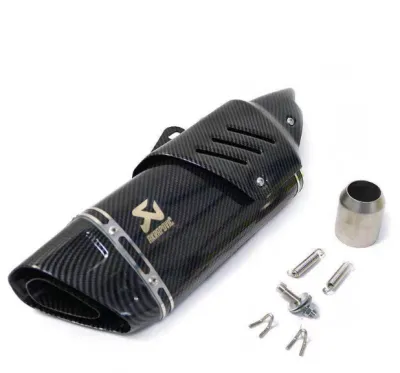
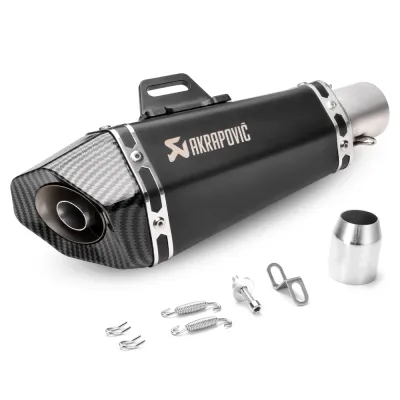
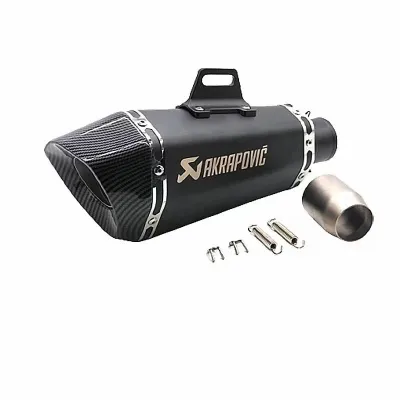
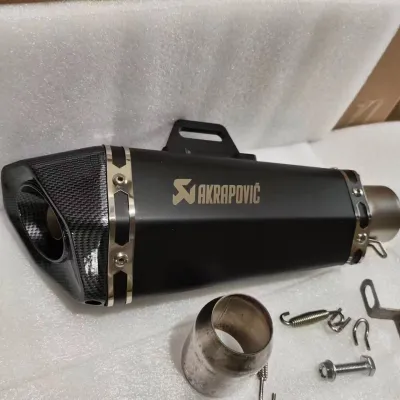
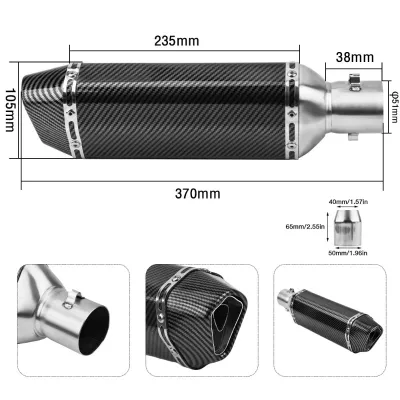
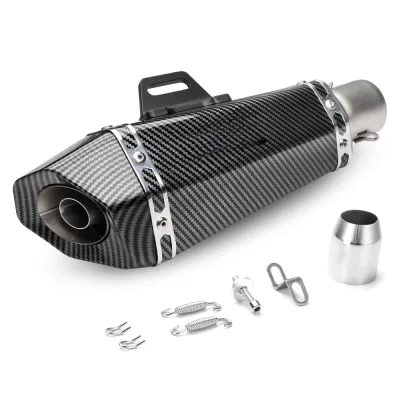
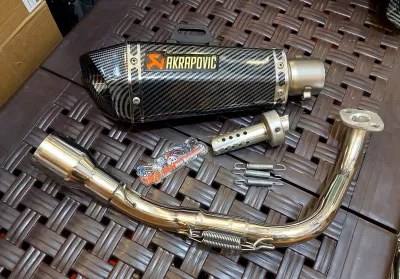
Prices are valid at publication and may change. Please refer to the product page for the latest price.

Alongside emissions, noise control is heavily regulated under LTO guidelines and various joint administrative orders, such as Joint Administrative Order (JAO) No. 2014-01. While the LTO has historically established a baseline limit of 99 decibels (dB) for stationary motorcycle exhaust tests, riders must remain vigilant as local government units frequently implement their own stricter ordinances. In several metropolitan cities and residential zones across the Philippines, local traffic enforcers operate under municipal ordinances that lower the acceptable noise threshold significantly, sometimes targeting any aftermarket exhaust that sounds noticeably louder than a stock unit.
To verify compliance during roadside operations, enforcers utilize a sound level meter to conduct a stationary noise test. The standard testing protocol requires placing the microphone at a specific distance—typically 0.5 meters—and at a 45-degree angle from the exhaust outlet while the motorcycle is parked on a flat, open surface away from sound-reflecting walls. The engine is then revved to a designated engine speed, which is usually half of the engine’s rated maximum power revolutions per minute (RPM). If the meter registers a sound level higher than the legally permitted threshold, the vehicle is deemed non-compliant.
Violating these noise and emission standards carries severe penalties that can disrupt your daily commute and strain your finances. Under current LTO regulations, operating a vehicle with an unauthorized or non-compliant modification can result in a standard fine of ‛5,000, along with the confiscation of the illegal exhaust component or the temporary confiscation of your driver’s license. Furthermore, the LTO requires the vehicle owner to restore the motorcycle to its stock configuration or install a fully compliant, certified exhaust system before the vehicle can clear its alarm status and be legally operated on public roads again.
Street-Legal vs. Track-Only: Identifying Your Akrapovic Exhaust Type
Akrapovic manufactures a wide array of exhaust systems tailored to different riding environments, making it crucial for Filipino riders to distinguish between street-legal models and those built strictly for performance on the track. Installing the wrong type not only risks legal penalties but can also negatively affect engine performance if the motorcycle’s electronic control unit (ECU) is not properly calibrated for the altered exhaust backpressure.
Slip-On Exhausts and Catalytic Converters
Slip-on mufflers represent the most common aftermarket upgrade for riders seeking a deeper exhaust note and modest weight savings without violating local laws. These systems are designed to replace only the rear muffler portion of the exhaust while retaining the stock header pipes, which house the factory catalytic converter on most modern motorcycles. Because the primary emissions control device remains fully intact and functional, a high-quality slip-on is highly likely to pass roadside emission checks and annual registration inspections.
When shopping for an Akrapovic slip-on, look for models that carry EC/ECE type-approval markings, which are typically engraved directly onto the exhaust sleeve or inlet cap. These markings indicate that the product has undergone rigorous testing in Europe to comply with strict noise and environmental standards. While European homologation is not a direct substitute for Philippine law, it serves as reliable proof that the exhaust is engineered to operate within reasonable acoustic and environmental limits, making it much easier to verify its compliance during local inspections. However, you must ensure that the specific slip-on model is compatible with your exact motorcycle model and year, as an improper fit can lead to exhaust leaks that increase noise levels beyond the legal limit.
Full Systems and Racing Exhausts
Full exhaust systems are comprehensive replacements that swap out the entire stock assembly, including the headers, mid-pipes, and muffler. These systems are engineered by Akrapovic to maximize horsepower and torque, which is achieved by optimizing gas flow through larger-diameter piping and removing restrictive components like the catalytic converter. Often referred to as “de-cat” systems, these configurations are explicitly labeled by the manufacturer as “Racing Line” or “Track Use Only” and are not intended for public road use.
Riding a motorcycle equipped with a full racing system on public roads in the Philippines is a clear violation of both the Clean Air Act and LTO modification rules. Without a catalytic converter, the motorcycle releases unfiltered pollutants directly into the atmosphere, which will cause it to fail any standard emissions test at a Private Emission Testing Center (PETC). Additionally, the lack of internal baffling in racing exhausts results in a high-decibel sound profile that easily exceeds the 99 dB limit, making the motorcycle highly conspicuous to law enforcement officers at checkpoints along popular riding routes.
How to Verify Your Exhaust's Compliance Before Riding
Before hitting the road, taking proactive steps to verify your motorcycle’s compliance can save you from costly fines and the hassle of roadside apprehension. Ensuring your exhaust system is fully legal requires a combination of documentation checks, physical inspections, and objective sound measurements.
- Check Documentation and Labels: Carefully inspect the physical body of your Akrapovic exhaust for any engraved homologation numbers or safety certifications. Keep the manufacturer's compliance certificates, user manuals, and original purchase receipts in a secure, waterproof compartment under your seat or save digital copies on your smartphone. Having these documents readily available allows you to demonstrate to enforcers that your exhaust is a certified, street-legal model designed specifically for your vehicle.
- Inspect the Physical Setup: Ensure that the catalytic converter is properly installed and sealed within the exhaust system. If your aftermarket setup utilizes an optional link pipe, verify whether it requires an auxiliary catalytic cartridge to remain compliant. Regularly inspect the mounting brackets, springs, and exhaust gaskets for any signs of wear, loose fittings, or exhaust leaks. In the hot and humid tropical climate of the Philippines, moisture and road salt can accelerate wear on seals, leading to leaks that can artificially elevate your exhaust's noise level and potentially damage surrounding plastic fairings or electrical wiring.
- Measure Noise Levels: Do not rely on subjective listening to determine if your exhaust is too loud. Use a dedicated, calibrated decibel meter or visit a reputable motorcycle service center to conduct a stationary noise test following the official LTO methodology. Measure the sound output at the correct RPM specified for your motorcycle's engine displacement and power rating. If the reading approaches or exceeds the legal threshold, you may need to install an approved noise-reduction insert or revert to a quieter setup.
- Keep Stock Parts and Receipts: Always preserve your motorcycle's original factory exhaust system. Store the stock headers, catalytic converter, and muffler in a dry, clean environment to prevent rust and corrosion. If local noise ordinances become stricter in your municipality, or if you need to clear an LTO alarm, having your original parts on hand allows you to quickly and safely revert your motorcycle to its stock configuration without incurring the high cost of buying replacement OEM parts.
When performing any modification or maintenance on your motorcycle’s exhaust system, always consult the original vehicle manufacturer’s service manual alongside the exhaust manufacturer’s installation instructions. Exhaust modifications alter engine backpressure, which can cause the engine to run lean, increase operating temperatures, and potentially damage internal components like exhaust valves. If you are unsure about the compatibility, mounting torque specifications, or sensor integration—such as reinstalling the oxygen (O2) sensor—it is highly recommended to have the installation performed by a qualified professional motorcycle technician.
What to Do If Apprehended for an Illegal Exhaust
If you are flagged down at an LTO, DENR, or joint police checkpoint due to your aftermarket exhaust, your immediate actions can significantly influence the outcome of the encounter. Remaining calm, polite, and cooperative is the most effective way to handle the situation and avoid escalating the confrontation into more serious legal trouble.
When stopped, safely pull over to the side of the road, turn off your engine, and present your driver’s license and vehicle registration (OR/CR) as requested by the enforcer. If you are confident that your Akrapovic exhaust is a fully compliant, street-legal slip-on, politely inform the officer and present your supporting documentation, such as the manufacturer’s certificate of compliance and proof that the catalytic converter is intact. Some enforcers may proceed to conduct a roadside decibel test using a sound level meter; ensure they follow the correct testing distance and angle guidelines during the measurement.
If the enforcer determines that your exhaust violates the noise or emission limits and decides to issue a citation, accept the Temporary Operator’s Permit (TOP) or traffic ticket without arguing or acting aggressively. Arguing with law enforcement officers or attempting to offer bribes is strictly illegal under Philippine law and can result in immediate arrest, criminal charges, and the permanent impoundment of your motorcycle. If you believe the apprehension was unjust or that the testing equipment was faulty, the correct recourse is to file a formal protest at the designated LTO adjudication office listed on your ticket.
To resolve the citation and clear your record, you must pay the prescribed fine at an authorized LTO office within the specified timeframe. In addition to paying the fine, you will be required to present the motorcycle for a follow-up inspection to prove that the violation has been corrected. This typically involves reinstalling the original stock exhaust or a fully compliant, certified aftermarket system that passes both the noise and emissions tests. Only after the vehicle successfully passes this inspection will the LTO clear the alarm from your registration and return your confiscated documents or parts.
Frequently Asked Questions (FAQ)
Can I use a db killer to make my racing exhaust legal?
While installing a db killer (also known as a baffle or noise insert) can successfully reduce the acoustic output of a racing exhaust to meet local decibel limits, it does not make a full racing system fully street-legal in the Philippines. Street legality requires compliance with both noise regulations and emission standards simultaneously. Because full racing systems eliminate the catalytic converter, the motorcycle will still fail emissions testing under the Clean Air Act, making the setup illegal for public roads regardless of how quiet the db killer makes the exhaust.
Do I need to register my aftermarket exhaust with the LTO?
The LTO does not have a formal registration or endorsement process for individual aftermarket exhaust systems, meaning you do not need to list the modification on your motorcycle’s Certificate of Registration (CR). However, the modified motorcycle must still pass the mandatory emissions and noise inspections during your annual registration renewal. These tests are conducted at Private Emission Testing Centers (PETC) or through the Motor Vehicle Inspection System (MVIS) at authorized centers, where your exhaust must meet all active national standards to secure registration renewal.

Community discussion
Share your experience or ask a question. Comments are reviewed before publication.