
The safety of a coconut shell helmet depends entirely on its internal construction and verified compliance with mandatory safety standards, rather than its exterior aesthetic. While some “nut shell” designs are purely novelty items offering zero impact protection, others may be legitimate composite helmets styled to look like natural shells. Before purchasing, riders must understand what local certifications actually guarantee and how to physically verify them to ensure they are buying legal, protective gear rather than a dangerous cosmetic accessory.
Many riders are drawn to the minimalist, retro look of a compact helmet, especially when navigating congested urban streets in hot, humid weather. The appeal of a lightweight, highly ventilated headpiece is understandable when daily commutes involve slow-moving traffic under the tropical sun. However, choosing style over structural integrity can have catastrophic consequences if you are involved in a collision.
A helmet’s primary job is to manage and dissipate the violent forces of an impact before they reach your skull and brain. A cosmetic novelty item simply cannot perform this life-saving function. To make an informed decision, you must look past the outer design and evaluate the engineering beneath the surface.
Products mentioned in this guide
![[KGC] KGC MATTE BEIGE Motorcycle / Bike Helmet Open Face None Visor Nutshell Bike Bicycle Capac Lens Visors With Wind Protection](https://img.lazcdn.com/g/p/f136e26d831a7cf1371e51fe6d67d46d.png_400x400q80.png_.webp)
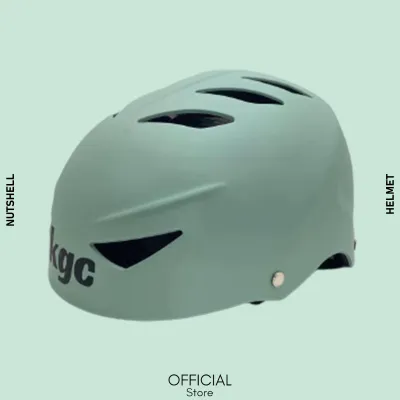
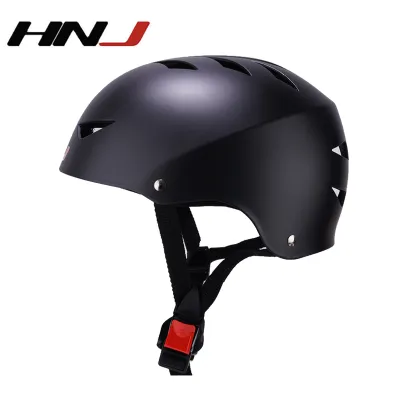
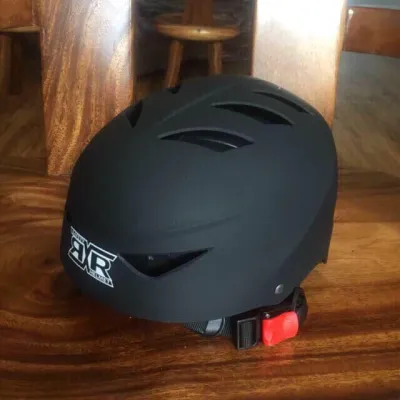
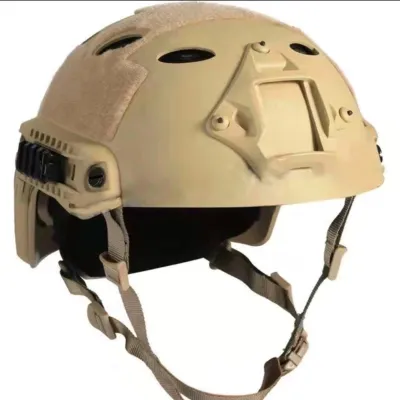
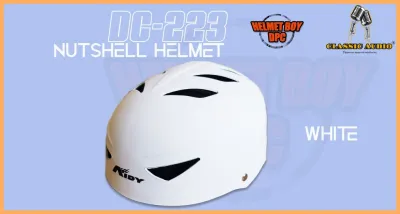
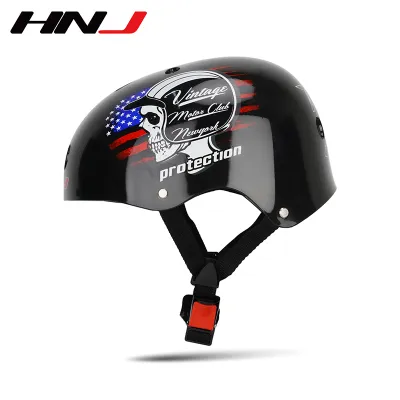
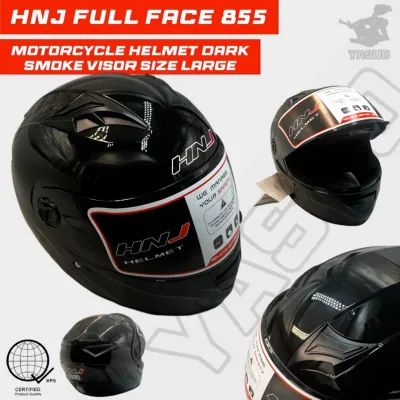
Prices are valid at publication and may change. Please refer to the product page for the latest price.
Evaluating Coconut Shell Helmet Safety and Construction
To understand why novelty “nut shell” helmets are unsafe, you must examine how a certified motorcycle helmet is constructed. A protective helmet is not just a hard hat; it is a highly engineered safety system consisting of three non-negotiable layers. Each layer plays a specific role in keeping you safe during an accident.
The first layer is the rigid outer shell, typically made from advanced materials like Acrylonitrile Butadiene Styrene (ABS), polycarbonate, fiberglass, or carbon fiber. This outer layer is designed to resist penetration from sharp objects and distribute the force of an impact over a wider surface area. A raw, natural coconut shell or a thin, unreinforced plastic novelty shell lacks the uniform strength and flexural properties required to prevent cracking or shattering upon impact.
The second, and arguably most critical, layer is the impact-absorbing liner, which is almost universally made of high-density Expanded Polystyrene (EPS). This liner acts as a crushable zone, absorbing the kinetic energy of a crash by collapsing slowly under pressure. Novelty helmets often omit this layer entirely, replacing it with thin, soft comfort foam that offers absolutely no deceleration protection for your brain.
The third component is the retention system, which consists of heavy-duty chin straps and secure fasteners, such as double D-rings or reinforced micro-metric buckles. This system ensures that the helmet remains firmly on your head during multiple impacts or slides. Novelty headgear frequently uses cheap plastic clips that can easily snap or release under tension, causing the helmet to fly off before your head hits the pavement.
Riding on public roads with an uncertified novelty helmet carries severe physical and legal risks. In the event of a crash, the lack of an EPS liner and a secure strap means your head absorbs the full force of the impact, dramatically increasing the risk of traumatic brain injury. Furthermore, local traffic laws mandate the use of certified protective gear, meaning you can face heavy fines and vehicle impoundment for wearing non-compliant novelty items.
Understanding PSB and ICC Certification in the Philippines
In the local market, helmet safety is regulated through specific certification frameworks managed by the Bureau of Philippine Standards. The two primary marks you will encounter are the PSB (Philippine Standard Bureau) mark and the ICC (Import Commodity Clearance) sticker. Understanding what these marks represent is crucial for verifying the road legality of your riding gear.

The PSB mark is typically issued for locally manufactured helmets, certifying that the production facility and the helmets themselves adhere to strict national quality standards. Conversely, the ICC sticker is applied to imported helmets, indicating that the specific shipment has undergone inspection and sampling to verify compliance with local safety regulations. Both marks serve as official confirmation that the helmet model has passed standardized safety evaluations.
These evaluations are rigorous and cover several performance areas. Testing protocols generally assess the helmet’s ability to absorb impacts at various temperatures, resist penetration by sharp objects, and remain securely fastened under sudden loads. A helmet that carries a genuine PSB or ICC mark has proven its ability to protect a rider under simulated crash conditions.
However, the presence of a sticker alone does not guarantee safety, as counterfeit labels are highly prevalent on online marketplaces and informal roadside stalls. Unscrupulous sellers often print fake ICC stickers to make cheap, uncertified novelty helmets appear legal. Legitimate certification is always backed by official documentation, permanent interior labeling, and authorized distribution networks.
How to Verify Helmet Compliance Before You Buy
Protecting yourself from counterfeit or unsafe helmets requires a proactive inspection before you hand over your money. You should never rely solely on a visible sticker on the back of the shell. Instead, perform a thorough physical check of the helmet’s interior and exterior components.
Start by looking for permanent, non-peelable labels inside the helmet. Legitimate manufacturers sew safety and information tags directly into the comfort liner or stamp them onto the EPS foam beneath the padding. These labels must display the manufacturer’s name, the specific model designation, the size, the production date, and the country of manufacture. If these details are missing, blurry, or printed on a cheap sticker, the helmet is highly suspect.
Next, check for recognized international safety standards that often accompany local certifications. High-quality helmets sold in the local market usually carry markings such as the Economic Commission for Europe (ECE 22.05 or 22.06) standard or the United States Department of Transportation (DOT FMVSS 218) standard. The presence of these international certifications, which are molded or painted onto the shell under the clear coat, provides strong evidence of the helmet’s structural integrity.
Be highly cautious of where you purchase your riding gear. Avoid buying helmets from unauthorized online sellers, social media marketplaces, or temporary physical stalls. Authorized dealers and reputable motorcycle accessory shops can provide official receipts, manufacturer warranties, and verifiable proof of certification. If a seller cannot produce documentation or if the price of a supposedly certified composite helmet seems too good to be true, it is best to look elsewhere.
Safety Boundaries and When to Replace Your Helmet
Even the most robust, certified helmet has strict safety boundaries and a limited operational lifespan. To maintain optimal protection, you must understand when your gear needs to be retired and replaced. A helmet is a single-use safety device when it comes to managing major impacts.
You must replace your helmet immediately after any significant impact, drop, or crash. The EPS liner is designed to deform and compress to absorb energy; once this occurs, the material loses its protective properties permanently. Even if the outer shell shows no visible cracks or scratches after a fall from a handlebar or a minor accident, the internal structure may be compromised, rendering it useless in a subsequent crash.
Environmental degradation is another critical factor, especially in tropical climates. High ambient temperatures, intense ultraviolet (UV) radiation, heavy rain, and constant exposure to sweat and hair oils accelerate the breakdown of the helmet’s materials. Over time, the adhesives holding the EPS liner can degrade, and the comfort padding will compress, altering the helmet’s fit.
As a general rule, safety professionals recommend replacing a regularly used helmet every three to five years from the date of purchase, or five years from the manufacturing date. You should also conduct regular inspections of your gear. Stop using the helmet immediately if you notice frayed chin straps, a malfunctioning buckle, a loose fit, or any hairline cracks in the outer shell.
Frequently Asked Questions (FAQ)
Can I use a novelty coconut shell helmet for short rides?
No, you should never wear a novelty helmet on public roads, regardless of how short your journey is. Traffic regulations require standard-compliant, certified helmets for all motorcycle trips to ensure rider safety. Accidents can happen within seconds of leaving your driveway, and a novelty shell offers no impact absorption, leaving you completely vulnerable to severe head injuries.
What should I do if my helmet's ICC sticker is peeling off?
A peeling or damaged ICC sticker can indicate a counterfeit product, poor adhesive quality, or environmental wear. If the sticker is lifting, you should verify the helmet’s authenticity by checking for permanent interior labels and cross-referencing the model with official certification databases. If you cannot confirm that the helmet is genuinely certified, do not use it for riding on public roads.
Are open-face helmets with a retro shell design safe to use?
Yes, retro-styled open-face helmets are safe to use as long as they carry genuine PSB or ICC certifications. Many reputable manufacturers produce vintage-style helmets using modern composite shells and thick EPS liners that meet all safety standards. However, keep in mind that while certified open-face helmets protect the top, sides, and back of your head, they do not offer the facial and chin protection provided by a full-face helmet.

Community discussion
Share your experience or ask a question. Comments are reviewed before publication.