
Installing an aftermarket HKS muffler tip in the Philippines is not inherently illegal, but its road legality depends entirely on the specific model, installation method, and whether the final exhaust output complies with current Land Transportation Office (LTO) noise regulations. A simple cosmetic tip that clamps or welds onto the end of an otherwise stock exhaust pipe is generally compliant, provided it does not increase noise levels beyond legal limits or bypass emission control devices like the catalytic converter. However, if the tip is part of a larger, louder aftermarket exhaust system, it can easily trigger fines, checkpoint citations, or failure during the Motor Vehicle Inspection System (MVIS) evaluation.
Navigating the rules surrounding vehicle modifications in the Philippines requires a clear understanding of what constitutes a cosmetic upgrade versus a structural or functional alteration. Many car enthusiasts opt for aftermarket tips to achieve a sportier look or a slightly deeper exhaust note. In the local automotive community, brands like HKS are highly popular, leading to a wide availability of both genuine products and replicas on online marketplaces and in physical auto shops. To enjoy these upgrades without the constant worry of law enforcement apprehensions or registration hassles, vehicle owners must familiarize themselves with the legal boundaries set by national transport authorities.
Understanding LTO Noise Rules for Aftermarket Exhausts
The Land Transportation Office (LTO) regulates vehicle modifications to ensure public safety, environmental protection, and peace on public roads. Under Philippine clean air and transport guidelines, all motor vehicles must adhere to strict noise emission standards. The primary tool used by law enforcement and inspection centers to evaluate compliance is the decibel (dB) meter, which measures the sound pressure level produced by the exhaust system under specific testing conditions.
Products mentioned in this guide
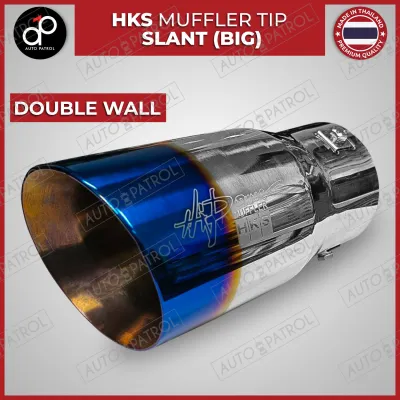
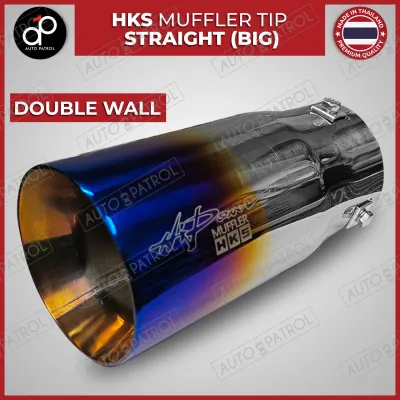
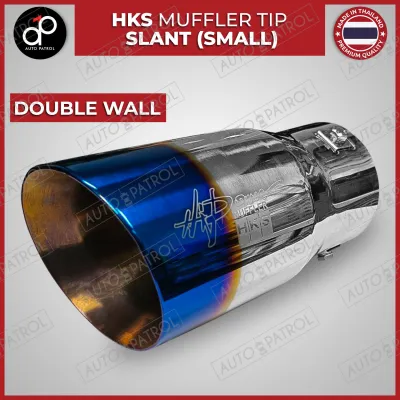
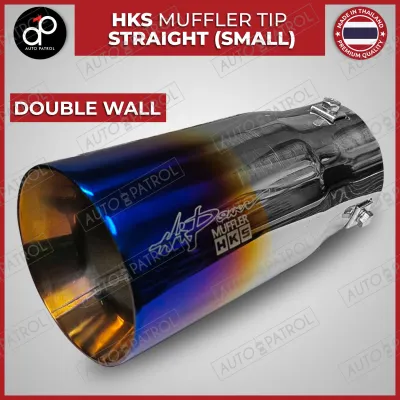
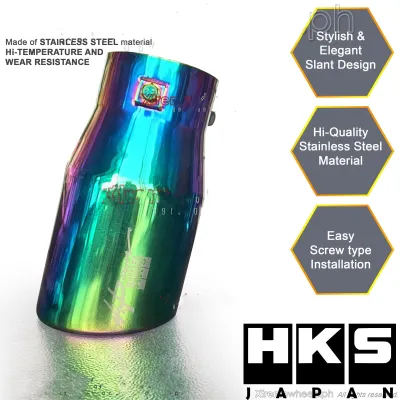
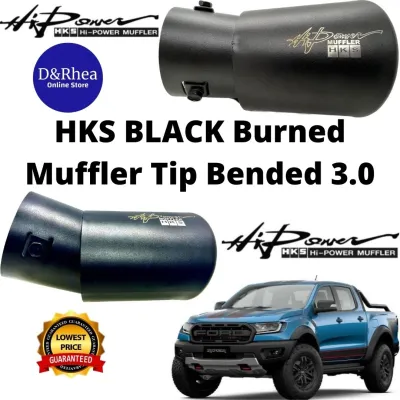
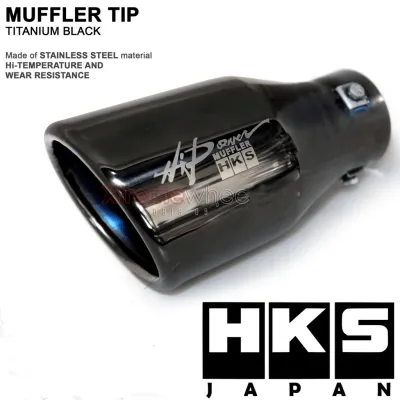
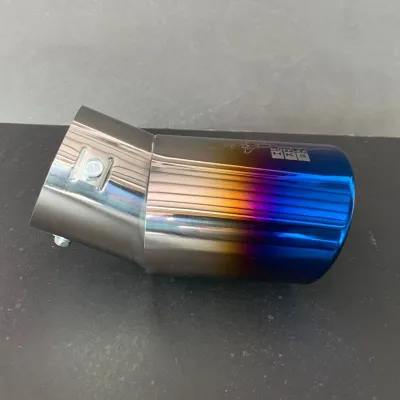
Prices are valid at publication and may change. Please refer to the product page for the latest price.
To verify the current maximum allowable decibel limits for your specific vehicle class, it is essential to consult official LTO administrative orders or visit an authorized Private Motor Vehicle Inspection Center (PMVIC). While historical guidelines have often referenced a limit of 99 decibels for passenger cars and motorcycles, these standards can be updated or vary depending on the engine displacement, vehicle category, and the specific testing protocol used. During an official test, the sound level meter is typically positioned at a precise 45-degree angle and a distance of 0.5 meters from the exhaust tailpipe while the engine is held at a designated RPM, usually half of the engine’s maximum rated speed.
A critical distinction that vehicle owners must understand is the difference between a cosmetic muffler tip and a functional exhaust modification. A cosmetic tip is an extension attached to the end of the existing tailpipe that does not alter the internal baffling, resonators, or catalytic converter of the vehicle. Because it does not change how the engine expels exhaust gases or dampens sound, a purely cosmetic tip rarely affects the vehicle’s decibel output. On the other hand, a full exhaust system modification—which may include replacing the stock muffler, removing the resonator, or deleting the catalytic converter—directly alters the sound-dampening capabilities of the vehicle, making it highly susceptible to violating LTO noise limits.
Legal Risks and Inspection Failures for Non-Compliant Exhausts
Operating a vehicle with a non-compliant or excessively loud exhaust system in the Philippines carries significant legal and financial risks. Roadside checkpoints are a common sight across major thoroughfares, highways, and provincial roads. These checkpoints are frequently conducted by joint task forces comprising the LTO, the Philippine National Police Highway Patrol Group (PNP-HPG), and local government unit (LGU) traffic enforcers. If an officer deems your vehicle’s exhaust to be unusually loud, they may pull you over for a physical inspection and a decibel test using a portable sound level meter.

Failing a roadside noise test or being cited for an unauthorized modification can result in severe administrative penalties. Under standard LTO guidelines, violations can lead to substantial fines, the confiscation of your driver’s license, or the temporary removal of your vehicle’s license plates. In more serious cases, such as when a vehicle is found to have completely bypassed mandatory emission control systems, law enforcement officers have the authority to impound the vehicle until the owner restores the exhaust system to its original, compliant state.
Beyond roadside apprehensions, non-compliant exhaust modifications present a major hurdle during the annual vehicle registration renewal process. The LTO has increasingly transitioned to automated testing through the Motor Vehicle Inspection System (MVIS) and partner PMVICs. During these comprehensive inspections, the vehicle’s exhaust system is subjected to both a visual check and an acoustic test. If the exhaust noise exceeds the legally permitted threshold, or if the inspector notes that emission control devices have been tampered with, the vehicle will receive a failing grade. You will be unable to renew your vehicle’s registration until you address the issue, undergo a re-inspection, and pay the associated re-testing fees.
Pre-Purchase Checklist: Verifying HKS Muffler Tip Compliance
Before purchasing an HKS muffler tip or any aftermarket exhaust accessory, it is vital to perform a thorough compatibility and compliance check. Because the market is flooded with various exhaust components, taking a systematic approach to your purchase will help ensure that your vehicle remains road-legal and safe to operate.
First, verify the vehicle model, year, interface, dimensions, mounting position, and safety impact using the specific product documentation and your vehicle’s original manual. Never assume that an aftermarket tip is compatible or legal simply because it is labeled with a generic category term or a popular brand name. Ensure that the inlet diameter of the aftermarket tip matches the outer diameter of your vehicle’s stock tailpipe to guarantee a secure fit.
Second, check the manufacturer’s specifications for any noise-reduction features. High-quality aftermarket tips and mufflers often come with detailed specifications regarding their sound profile. Look for products that include or are compatible with removable silencers, inner baffles, or DB killers. These components are designed to restrict exhaust gas flow slightly, dampening the sound waves before they exit the tailpipe and helping keep the overall noise level within the legal limits.
Third, ensure that the installation of the tip does not require altering the original exhaust routing or removing mandatory catalytic components. The catalytic converter and original resonators play a crucial role in reducing harmful emissions and controlling sound. Any modification that bypasses these systems is illegal under the Philippine Clean Air Act and will result in automatic failure during LTO emission and noise testing.
Finally, consider the material and environmental suitability of the product. The Philippine climate is characterized by high temperatures, intense humidity, and heavy rainfall, particularly during the monsoon season. Coastal areas also expose vehicles to salt-laden air, which accelerates corrosion. Opt for muffler tips constructed from high-grade, corrosion-resistant materials such as SUS304 stainless steel or titanium. Inferior materials can rust quickly, leading to exhaust leaks that not only increase noise levels but also compromise vehicle safety.
Installation Boundaries and Maintenance for Legal Compliance
Proper installation and ongoing maintenance are critical to ensuring that your aftermarket muffler tip remains compliant and safe over the lifespan of your vehicle. Because exhaust modifications can affect backpressure, thermal management, and structural safety, they must be approached with care and adherence to original-vehicle instructions.
Always prioritize professional installation by a qualified technician at a reputable automotive shop. Whether the tip is a bolt-on design or requires custom welding, professional installation ensures that the component is securely mounted and aligned. A poorly installed muffler tip can vibrate loose on uneven road surfaces, potentially detaching while driving and posing a severe hazard to other motorists. Furthermore, professional installers can verify that there are no exhaust leaks at the connection point. Exhaust leaks occurring before the muffler can dramatically increase noise levels and allow dangerous carbon monoxide gas to enter the vehicle cabin.
Routine maintenance is equally important for preserving compliance. Over time, the sound-dampening materials inside resonators or mufflers can degrade due to extreme heat and moisture exposure. This degradation can cause the exhaust note to become progressively louder over months or years of driving. Periodically inspect the exhaust system for signs of rust, loose brackets, or physical damage, and address any issues immediately to prevent the noise level from creeping past the legal limit.
Lastly, it is highly recommended to keep your original equipment manufacturer (OEM) exhaust parts in safe storage. Retaining your stock exhaust system provides a reliable contingency plan. If you ever face an unexpected inspection failure, or if LTO regulations become stricter in the future, having the original parts readily available allows you to quickly and easily revert your vehicle to its factory-compliant state without the need for expensive last-minute purchases.
Frequently Asked Questions (FAQ)
Will an HKS muffler tip automatically fail my LTO registration?
No, installing an HKS muffler tip will not automatically cause your vehicle to fail its LTO registration. The registration renewal process relies on objective measurements rather than brand names or cosmetic appearances. During the MVIS or PMVIC inspection, the technicians will evaluate the actual decibel level of your exhaust and perform a visual check to ensure all emission control devices are intact. If your aftermarket tip is purely cosmetic or paired with a compliant, quiet muffler that keeps the noise level within the legal threshold, your vehicle will pass the inspection. To prepare for your registration, ensure the tip is securely mounted, free of leaks, and that the exhaust does not emit excessive smoke.
Can I use a removable silencer to pass noise inspections?
While a removable silencer or DB killer can temporarily lower your exhaust’s noise level to help pass an MVIS or PMVIC inspection, relying on it as a temporary fix carries significant legal risks. LTO regulations require that a vehicle remain compliant with noise and emission standards at all times while operating on public roads. If you remove the silencer after passing the inspection and are subsequently stopped at a roadside checkpoint, law enforcement officers can test your vehicle in its current operating state. If the noise level exceeds the legal limit without the silencer, you will still face fines and potential impoundment. Additionally, inspectors at PMVICs may flag temporary or poorly secured baffles that do not represent a permanent, safe installation.
Do LTO noise limits apply equally to motorcycles and cars?
LTO noise limits and testing protocols can vary based on the specific vehicle classification, engine displacement, and the administrative orders governing them. While the general testing methodology using a decibel meter remains similar, you should not assume that a single universal decibel limit applies equally to all engines and vehicle types. Motorists must consult the latest official LTO guidelines, administrative orders, or their local PMVIC to verify the exact decibel thresholds and testing RPMs specified for their particular vehicle category. Keeping informed about these class-specific rules ensures you make compliant modification choices for your car or motorcycle.

Community discussion
Share your experience or ask a question. Comments are reviewed before publication.