
When typhoon season arrives in the Philippines, motorcycle owners face a constant battle against heavy downpours, high winds, and intense humidity. Protecting an outdoor-parked motorcycle becomes a priority, and investing in a plastic motorcycle cover is a common, budget-friendly response. However, standard thin plastic covers often fail to deliver the protection riders expect during a severe storm. While they can keep light rain off the bodywork, the extreme conditions of a tropical typhoon present unique challenges that can turn a cheap cover into a hazard for your bike.
Evaluating the effectiveness of a plastic motorcycle cover requires looking beyond simple waterproofing. To keep your motorcycle safe, you must understand how wind, heavy rain, and humidity interact with plastic materials, what specific features make a cover storm-ready, and when it is safer to remove the cover entirely. This guide breaks down the performance of plastic covers under extreme weather conditions and provides actionable strategies to protect your ride.
How Typhoon Weather Challenges Plastic Motorcycle Covers
Typhoon weather in the Philippines is characterized by violent wind gusts, relentless torrential rain, and lingering, heavy humidity. These three elements work together to test the structural limits of any protective cover, often exposing the weaknesses of basic plastic materials.
Products mentioned in this guide
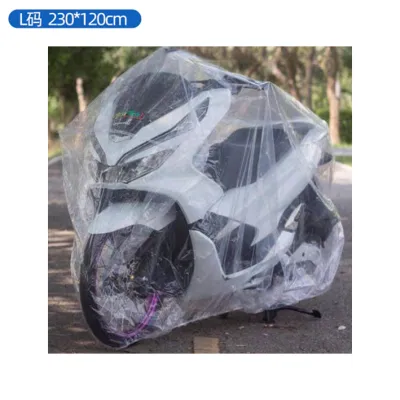
![[COD] Premium Clear Motorcycle Cover Transparent Waterproof Thick Plastic Motor Bike Rain Cover](https://img.lazcdn.com/g/p/06a86d34ecbefa60c80c7ac7c4a30916.jpg_400x400q80.jpg_.webp)
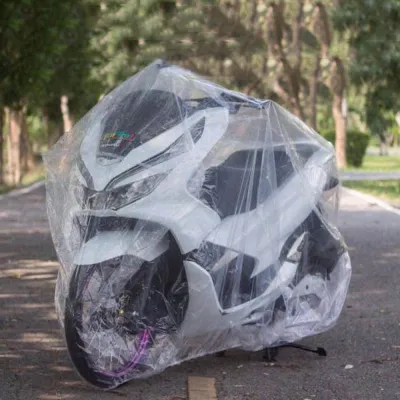
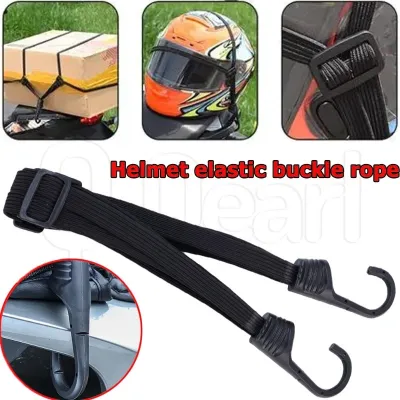
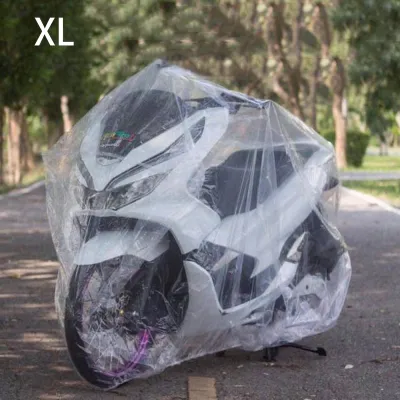
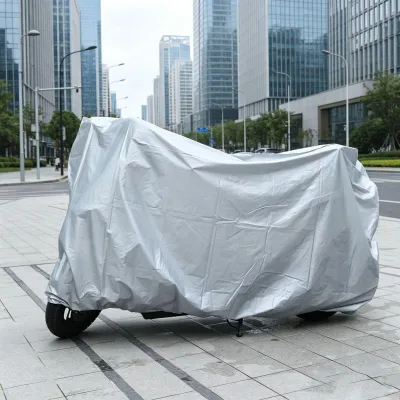
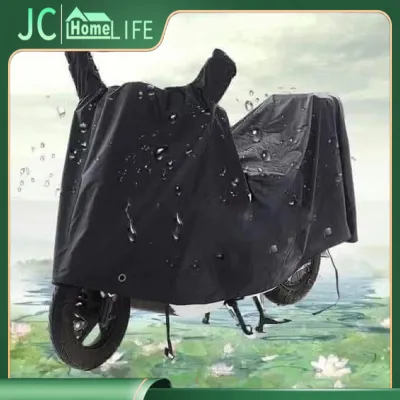
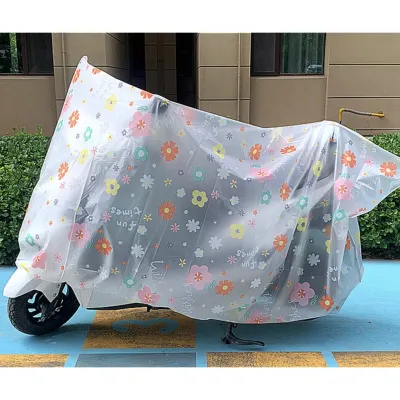
Prices are valid at publication and may change. Please refer to the product page for the latest price.
Wind stress and tearing During a typhoon, wind gusts can easily exceed 60 kilometers per hour, shifting directions rapidly and creating turbulent air currents. Standard plastic motorcycle covers, particularly those made from thin, single-layer polyethylene (PE) or polyvinyl chloride (PVC), have very low tensile strength. When wind catches a loose fold of the cover, it creates a whipping motion that concentrates stress on the seams and mounting points. If the plastic has been weakened by previous exposure to the sun, these high-velocity gusts can easily tear the material apart, leaving your motorcycle completely exposed to the elements mid-storm.
Heavy rainfall and seam leakage While a solid sheet of plastic is inherently waterproof, the way a cover is constructed determines whether it will actually keep your motorcycle dry. Cheap or basic covers are typically assembled using standard stitched seams. During a prolonged downpour, water pools in the natural depressions of the cover, such as the area between the handlebars and the seat. The weight of this pooled water, combined with wind pressure, forces moisture through the tiny needle holes of the stitched seams, dripping directly onto the electrical components, instrument cluster, and fuel tank below.
Humidity and condensation In tropical climates, the relative humidity during and after a storm often approaches 100 percent. Standard plastic is entirely non-breathable. When you wrap a damp motorcycle—or even a dry one parked over wet ground—in a non-breathable plastic cover, you trap moisture inside. As the ambient temperature shifts, this trapped moisture evaporates and condenses on the underside of the plastic, creating a highly humid greenhouse effect. This constant dampness accelerates the oxidation of metal parts, leading to rusted chains, corroded electrical contacts, and mold growth on vinyl or leather seats.
Verifiable Features for Storm-Ready Motorcycle Covers
If you choose to use a plastic motorcycle cover during the rainy season, you must select one designed to withstand severe weather. Rather than relying on generic marketing claims, look for specific, verifiable physical features and construction details on the product packaging or specifications.

Material thickness and construction Avoid paper-thin, single-layer plastic utility covers. Instead, look for multi-layer composite materials, such as heavy-duty PEVA (Polyethylene Vinyl Acetate) or covers that feature a robust outer plastic shell bonded to a soft, non-abrasive inner lining. The inner lining protects your motorcycle’s paint from scratches caused by wind-induced friction, while the thicker outer layer provides the necessary tear resistance to withstand high winds. Always check the manufacturer’s sizing chart to ensure the cover matches your specific motorcycle model, year, and accessories (such as top boxes or tall windshields); an oversized cover will flap excessively, while an undersized one will experience high tension and tear easily.
Seam construction and sealing Examine the seams of the cover closely before purchasing. For reliable storm protection, the seams must be heat-welded or ultrasonically sealed rather than simply stitched. Welded seams fuse the plastic panels together, creating a continuous, waterproof barrier with no needle holes. If the cover does have stitched seams, verify that they are reinforced with waterproof seam tape on the underside to prevent water ingress during heavy downpours.
Secure fit and anchoring mechanisms To prevent the wind from lifting or stealing your cover, look for robust anchoring systems. A storm-ready cover should feature heavy-duty elastic hems at both the front and rear to wrap snugly around the tires. Additionally, look for adjustable under-bike straps with secure buckle closures that clip beneath the frame, keeping the cover anchored even in strong crosswinds. Reinforced metal or heavy-duty plastic grommets near the wheels are also essential, as they allow you to thread security locks or extra tie-down cords through the cover.
Ventilation design To combat the destructive effects of trapped humidity, a high-quality cover must include built-in air vents. These vents are typically positioned near the top of the cover, shielded by downward-facing flaps that allow warm air and moisture to escape while preventing wind-driven rain from entering. This ventilation not only reduces condensation on your motorcycle’s metal components but also helps relieve air pressure under the cover, reducing the likelihood of the cover ballooning and lifting.
Actionable Steps to Secure Your Cover Before a Typhoon
Using a high-quality cover is only half the battle; how you prepare and secure your motorcycle before the storm arrives determines whether your bike remains upright and undamaged.
Check manufacturer instructions first Before applying any cover, always consult your motorcycle’s owner’s manual and the cover’s safety guidelines. Never place a plastic cover over a hot motorcycle. Allow the engine, exhaust pipe, and catalytic converter to cool down completely to prevent the plastic from melting onto hot metal surfaces, which can ruin both the cover and your bike’s finish, and presents a severe fire hazard.
Reinforce anchor points Do not rely solely on the cover’s built-in straps during a typhoon. Use supplementary heavy-duty bungee cords, adjustable tie-down straps, or soft ropes to wrap around the exterior of the covered motorcycle. Secure these straps around the middle and lower sections of the bike, threading them through the reinforced grommets. This extra reinforcement keeps the cover tight against the bike’s body and prevents the wind from getting underneath.
Mitigate the sail effect When wind gets trapped under a loose motorcycle cover, the cover acts like a sail, catching the wind and generating significant lifting force. This “sail effect” can easily tip over a parked motorcycle, leading to bent handlebars, cracked fairings, and fluid leaks. To prevent this, pull the cover as taut as possible, securing any loose or flapping fabric with extra straps. Minimizing the surface area exposed to the wind is critical to keeping your bike on its stand.
Park strategically A cover cannot protect your motorcycle from falling debris or rising floodwaters. Park your bike on solid, level ground—avoiding soil or grass that can turn into mud and cause the stand to sink. Use a sidestand coaster or a flat piece of wood under the stand to distribute the weight. Position the motorcycle close to a solid concrete wall or windbreak, away from weak trees, unanchored sheet-metal roofs, and overhead power lines. If possible, park the bike on its center stand for maximum stability, and face the front of the bike into the prevailing wind direction to minimize the side-profile surface area.
Perform a pre-storm inspection Take ten minutes to inspect your cover and motorcycle before the wind starts to pick up. Look for existing micro-tears, brittle patches from sun exposure, or worn-out elastic bands. If you find any small holes, patch them with heavy-duty waterproof tape on both sides as a temporary fix. Check that all cables, mirrors, and license plates are tucked in so they do not catch on the cover or create sharp friction points that could puncture the plastic.
Recognizing the Limits of Plastic and Exploring Alternatives
While a well-secured plastic cover offers basic protection, plastic has clear physical limits. Understanding when to retire a plastic cover or seek better shelter is key to long-term motorcycle maintenance.
Recognizing material degradation Plastic covers degrade quickly under the harsh tropical sun. UV radiation breaks down the chemical bonds in the plastic, making it brittle, stiff, and prone to cracking. If your cover makes a loud, crinkling paper sound when folded, feels rough or powdery to the touch, or shows visible color fading, its structural integrity is compromised. A degraded cover will almost certainly shred during the next major storm and should be replaced before typhoon season begins.
Heavy-duty fabric alternatives If you find yourself replacing cheap plastic covers every few months, consider upgrading to heavy-duty fabric alternatives. Covers made from high-denier polyester (such as 300D or 600D Oxford fabric) with a polyurethane (PU) or PVC inner coating offer vastly superior tear strength, UV resistance, and longevity. These fabric covers are more flexible, less prone to wind-whipping damage, and usually feature much better ventilation systems than standard utility plastic covers.
Evaluating indoor storage options Ultimately, no cover can protect a motorcycle from a severe Signal No. 3 or 4 typhoon if the bike is left outdoors. Flying debris, falling branches, and extreme wind forces present risks that no fabric or plastic sheet can mitigate. When extreme weather warnings are issued, evaluate the feasibility of moving your motorcycle indoors. Utilizing a garage, a covered hallway, a barangay multi-purpose court, or even renting a temporary commercial parking space during the peak of the storm is the most reliable way to guarantee your motorcycle’s safety.
Frequently Asked Questions (FAQ)
Can a non-breathable plastic cover cause my motorcycle to rust?
Yes. Non-breathable plastic covers trap ambient moisture and ground condensation underneath the cover. In the high-humidity environment of the Philippines, this trapped moisture cannot escape and condenses directly onto the metal surfaces of your motorcycle. This continuous dampness accelerates the oxidation process, leading to rust on your chain, brake rotors, frame, and electrical connections. To prevent this, avoid covering a wet motorcycle, choose a cover with built-in air vents, and remove the cover to let the bike air dry as soon as the weather clears.
Should I remove my motorcycle cover if extreme wind warnings are issued?
Yes, if extreme wind warnings (such as Typhoon Signal No. 3 or higher) are active and you cannot park indoors, it is often safer to remove the cover entirely. A cover increases the surface area of your motorcycle, acting like a sail that catches the wind and increases the risk of the bike blowing over. Removing the cover allows strong winds to pass through the motorcycle’s frame with less resistance. In this scenario, leave the cover off, park the bike on stable ground next to a strong wall, and secure the motorcycle to a fixed anchor point using heavy-duty tie-down straps or locks.

Community discussion
Share your experience or ask a question. Comments are reviewed before publication.