
Retro motorcycle helmets have surged in popularity across the Philippines, matching the rise of classic scooters, cafe racers, and custom cruiser motorcycles. While these vintage-inspired designs offer an undeniable aesthetic appeal, riders must prioritize safety and legal compliance before hitting the road. In the Philippines, any motorcycle helmet worn on public roads must carry an official Import Commodity Clearance (ICC) sticker or a Philippine Standard (PS) mark. Many retro-style helmets sold online or in boutique shops are marketed as fashion accessories rather than protective gear, meaning they may lack the structural integrity required to pass local safety certifications.
Navigating the market for classic riding gear requires a clear understanding of what makes a helmet legally compliant and physically protective. Wearing an uncertified helmet not only exposes you to steep fines at Land Transportation Office (LTO) checkpoints but also increases the risk of severe head injuries in the event of an accident. By learning how to identify genuine certification marks and distinguish real protective gear from cheap novelty replicas, you can enjoy the classic look without compromising your safety on busy Philippine roads.
Understanding PSB and ICC Marks for Motorcycle Helmets
To regulate the quality of protective gear sold in the country, the Department of Trade and Industry (DTI) Bureau of Philippine Standards enforces strict certification protocols. Locally manufactured motorcycle helmets must obtain the Philippine Standard (PS) license, which is granted only after the manufacturing process and the finished products undergo rigorous quality audits. For imported helmets, which make up the vast majority of the retro helmet market, distributors must secure an Import Commodity Clearance (ICC) certificate. This certificate is represented by a unique, holographic sticker applied directly to the helmet’s exterior shell.
Products mentioned in this guide
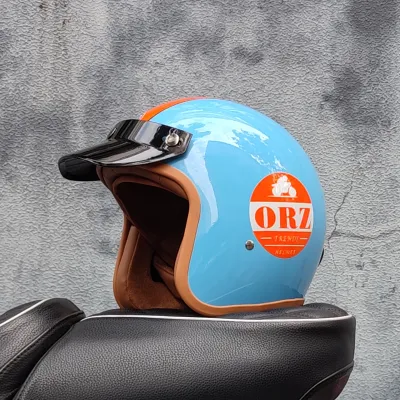
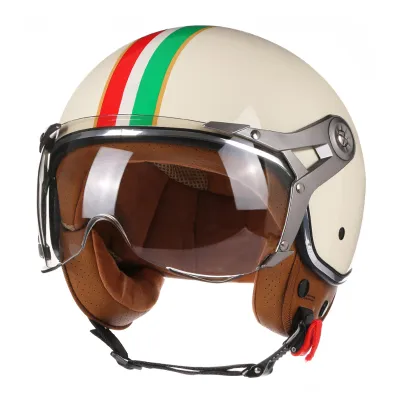
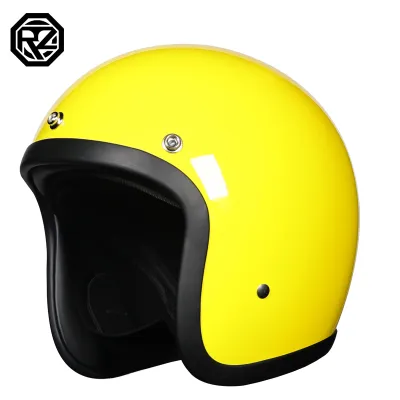
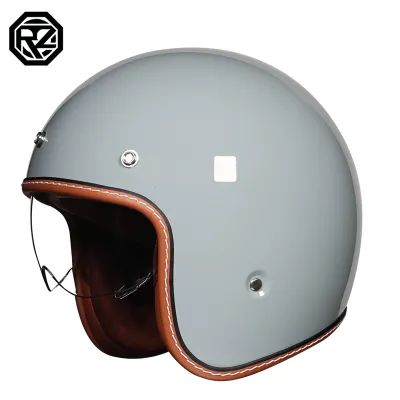
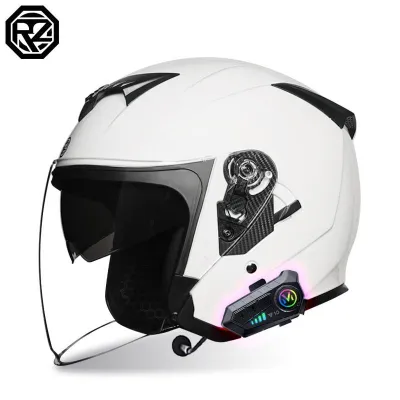
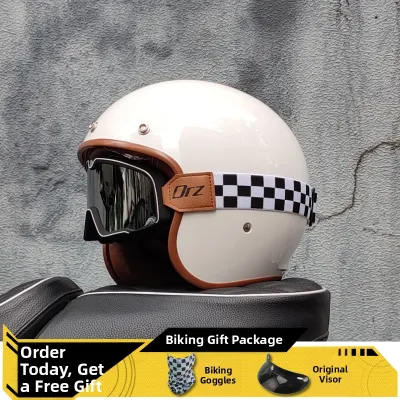
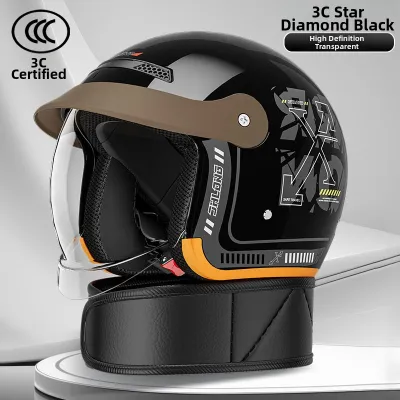
Prices are valid at publication and may change. Please refer to the product page for the latest price.
The Land Transportation Office strictly enforces the use of these certified helmets under Republic Act No. 10054, also known as the Motorcycle Helmet Act of 2009. This law mandates that all motorcycle riders, including both drivers and pillion passengers, must wear standard protective motorcycle helmets while riding on any public road or highway. The law specifically targets the eradication of substandard headgear, ensuring that every rider has a baseline level of protection against traumatic brain injuries during a collision.
A common point of confusion among local riders is the status of international safety standards, such as the United States Department of Transportation (DOT) standard or the Economic Commission for Europe (ECE) standard. While these international certifications indicate that a helmet has undergone high-level safety testing abroad, they do not automatically grant legal compliance in the Philippines. An imported helmet with a DOT or ECE rating must still go through the official DTI verification process to receive its local ICC sticker before it can be legally sold and used on public roads.
Can Retro-Styled Helmets Pass Safety Certifications?
There is a widespread misconception that retro-styled helmets are inherently less safe than modern, aggressive-looking full-face helmets. In reality, reputable riding gear manufacturers successfully design classic open-face and vintage full-face helmets that easily pass modern safety tests. These certified retro helmets utilize advanced materials such as fiberglass composites, carbon fiber, or high-impact ABS plastic for the outer shell. Beneath the vintage paint job, they feature multi-density Expanded Polystyrene (EPS) foam liners engineered to absorb and disperse impact energy.

However, the popularity of the vintage aesthetic has also created a massive market for uncertified “novelty” or “toy” helmets. These products are designed solely for fashion, prioritizing an ultra-low profile and lightweight feel over actual head protection. Because they lack the thick protective layers required by safety standards, these novelty helmets fail to absorb impact forces during a crash. They are often sold under vague descriptions like “classic half-face” or “vintage cruiser cap” and are widely distributed through online marketplaces without any legitimate safety credentials.
To protect yourself from purchasing a substandard product, you must learn to spot the physical red flags of a novelty helmet. First, examine the thickness of the helmet’s shell and inner lining; a certified helmet will always have a thick, dense EPS foam layer visible beneath the comfort padding, whereas a novelty helmet often has nothing but thin fabric or soft sponge over a flimsy plastic shell. Second, check the retention system. Certified helmets feature heavy-duty chin straps secured by reinforced double D-rings or robust, metal micrometric buckles, while uncertified models typically use thin, weak nylon straps with cheap plastic clips that can easily snap or release under tension.
Step-by-Step Guide to Verifying Helmet Compliance
Verifying the authenticity of a retro helmet’s safety credentials requires a combination of physical inspection and administrative checks. Before handing over your money, start by locating the physical certification sticker on the helmet. For imported helmets, the ICC sticker is typically affixed to the rear or lower portion of the outer shell. This sticker should feature a holographic background that shifts color when tilted under light, along with a unique serial number printed clearly on its surface. If the sticker is a flat, non-holographic paper print, or if it lacks a serial number, it is highly likely to be a counterfeit.
Next, look inside the helmet for the permanent manufacturer labels. Legitimate safety helmets feature a compliance label sewn directly into the comfort liner or permanently glued to the EPS foam structure. This label must display essential tracking information, including the manufacturer’s registered brand name, the specific model designation, the size, and the exact date of manufacture. If this internal label is missing, generic, or contains spelling errors, the helmet should not be trusted as genuine safety gear.
For absolute peace of mind, you should cross-reference the helmet’s brand and model with the official registry maintained by the DTI Bureau of Philippine Standards. The DTI regularly updates its list of approved helmet brands and certified importers, which is accessible through their official government website. If you are purchasing a retro helmet from an online store or an independent boutique, ask the seller for the specific DTI certificate number or check if the brand is listed in the registry. If the brand does not appear on the official list, the ICC sticker on the helmet may have been illegally transferred from another product.
Legal Penalties and Safety Risks of Uncertified Helmets
Riding with an uncertified retro helmet carries severe legal consequences under Philippine traffic laws. LTO officers and local traffic enforcers actively conduct checkpoints to inspect riders’ gear for valid ICC or PS markings. If you are caught wearing a non-compliant novelty helmet, you face immediate apprehension and substantial fines under Republic Act No. 10054. Repeat offenses can lead to even higher financial penalties, the confiscation of your driver’s license, and the impounding of your motorcycle, causing major disruptions to your daily commute.
Beyond the legal and financial headaches, the physical risks of wearing an uncertified helmet are catastrophic. During a motorcycle accident, the head is highly vulnerable to severe impacts against the pavement, other vehicles, or roadside obstacles. A novelty retro helmet offers virtually zero energy absorption, meaning the full force of the collision is transferred directly to your skull and brain. Furthermore, because these fashion-focused helmets often lack secure retention systems, they are highly likely to fly off your head during the initial moments of a fall, leaving you completely unprotected when you hit the ground.
Finally, using non-compliant safety gear can lead to severe complications with insurance providers. If you are involved in a road accident while wearing an uncertified helmet, your insurance company may conduct a thorough investigation into the incident. If the report reveals that you failed to wear a legally mandated, certified helmet, the provider has grounds to deny your personal accident, medical reimbursement, or disability claims. Investing in a genuine, certified retro helmet is the only way to protect your physical well-being, your legal standing, and your financial security.
Frequently Asked Questions (FAQ)
Can I use a DOT-certified helmet without a PSB/ICC mark in the Philippines?
Legally, you cannot use a helmet that only carries a DOT or ECE mark on public roads in the Philippines without a local ICC or PS sticker. Even if the helmet is highly rated by international safety bodies, the LTO requires the local certification mark to prove the helmet has been officially cleared for the Philippine market. If you personally purchased a high-quality foreign helmet abroad, you can bring the helmet and its purchase documents to a DTI regional office to apply for an official ICC clearance and sticker.
Are all open-face retro helmets illegal for highway use?
No, open-face retro helmets are completely legal for highway use in the Philippines, provided they carry a valid PS or ICC certification sticker. The law does not ban the open-face style itself, as long as the helmet meets the required structural safety standards. However, because open-face designs do not protect the lower face, riders are strongly advised to wear shatterproof riding goggles or a compatible face shield to protect their eyes from high-speed wind, dust, insects, and road debris.
How often should I replace a certified retro motorcycle helmet?
As a general safety rule, you should replace your certified retro helmet every five years from the date of purchase, or seven years from its manufacturing date. Over time, exposure to tropical heat, humidity, sweat, and hair oils naturally degrades the protective EPS foam liner and the outer shell materials, reducing their ability to absorb impacts. Additionally, you must replace your helmet immediately after any crash or significant drop, even if there is no visible damage on the outside, as the internal EPS liner is designed to compress only once to absorb impact forces.

Community discussion
Share your experience or ask a question. Comments are reviewed before publication.