
Deciding whether to invest in waterproof riding shoes for your daily commute in the Philippines requires balancing wet-weather protection against tropical heat. While keeping your feet dry during sudden afternoon downpours is highly desirable, the high humidity and intense heat of the dry season can make fully sealed footwear uncomfortable. The choice ultimately depends on your specific route, parking conditions, and how you manage your gear throughout the workday.
Waterproof riding shoes are not a universal necessity for every commuter, but they offer distinct advantages for those facing long distances and unpredictable weather. To make an informed decision, you must weigh the benefits of water resistance against the physical trade-offs of wearing sealed membranes in a tropical climate.
Assessing Your Daily Commute and Wet Weather Exposure
Evaluating your daily route is the first step in determining if waterproof footwear is a practical requirement. Urban commuting in major Philippine cities often involves navigating unpredictable road conditions, especially during the monsoon season.
Products mentioned in this guide
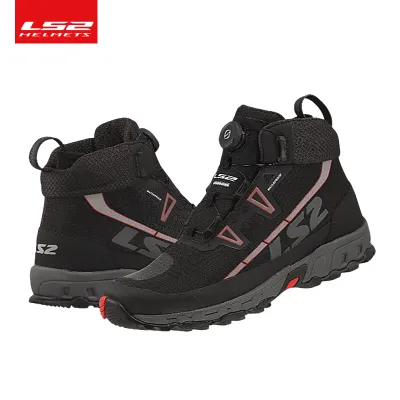
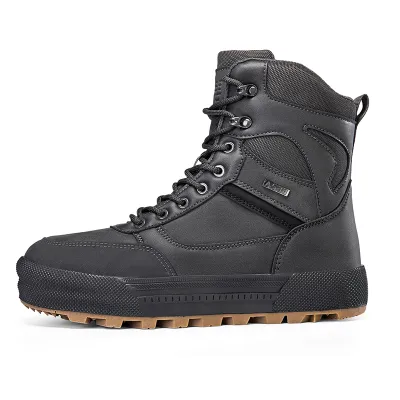
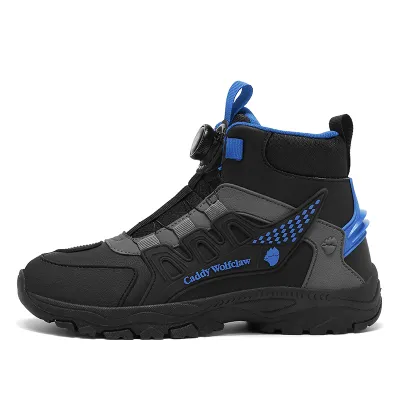
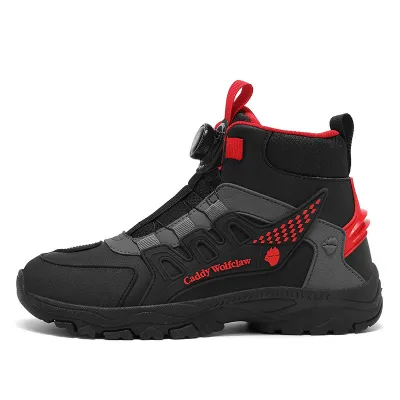
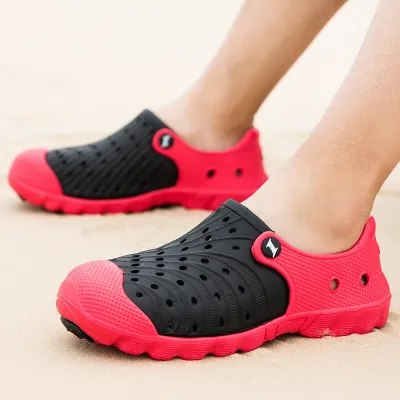
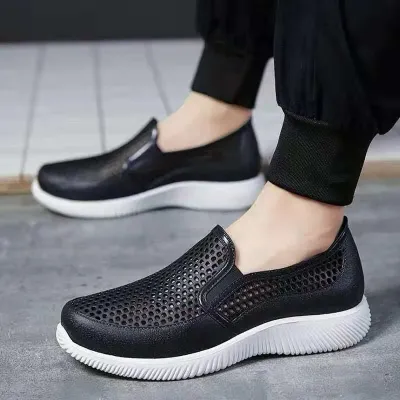
Prices are valid at publication and may change. Please refer to the product page for the latest price.
Analyze the typical puddle depths and drainage efficiency along your primary riding routes. Some low-lying streets accumulate standing water within minutes of a heavy downpour, while other elevated routes drain relatively quickly. If your daily ride forces you to splash through deep puddles or slow-moving water logged on the asphalt, standard mesh shoes will saturate almost instantly, leaving you with wet feet for the rest of your journey.
Consider the walking distance from your parking spot to your final destination. If you park in an open-air lot or have to walk several blocks in the rain before reaching your office, your footwear will face direct exposure to falling rain and splashing water. Waterproof shoes ensure that this final leg of your commute does not ruin your comfort for the day.
Assess whether your workplace provides secure, dry storage for wet gear or spare footwear. If you have a dedicated locker or under-desk space where you can store a change of shoes and dry your riding gear, the urgency of owning waterproof riding shoes decreases. However, if you must wear your riding footwear all day or lack space to dry wet items, keeping water out during the ride becomes a priority.
Weighing the Trade-offs of Waterproof Riding Footwear
While waterproof riding shoes excel at keeping external moisture out, they introduce specific compromises that you must manage in a tropical climate.

Check for recognized waterproof-breathable membrane labels on product tags when shopping. These membranes are engineered to let sweat vapor escape while blocking liquid water droplets. However, breathability has physical limits in high humidity. In the Philippines, where ambient humidity is frequently high, the temperature and moisture differential between the inside and outside of the shoe is minimal, which can severely reduce the membrane’s ability to vent moisture.
Evaluate the added weight and stiffness of waterproof layers compared to standard mesh or perforated riding shoes. Waterproof shoes typically feature extra layers of fabric, gusseted tongues, and sealed seams. This construction can make the footwear feel heavier and less flexible, which might affect your comfort when walking or operating your motorcycle’s foot controls over long periods.
Consider your thermal comfort during dry, hot days. The dry season brings intense heat, and wearing fully sealed waterproof shoes during these months can cause excessive sweating. This trapped sweat can lead to discomfort, skin irritation, and persistent odors inside the shoe, making them less practical for year-round daily use if you only own one pair of riding shoes.
Evaluating Alternative Solutions for Wet Commutes
If you decide that dedicated waterproof riding shoes are not the right fit for your daily routine, several cost-effective and flexible alternatives can help you manage wet commutes.
Waterproof shoe covers, often made of silicone or heavy-duty PVC, offer a packable and affordable solution. You can store them under your seat or in a backpack and slip them over your standard riding shoes when it starts to rain. However, keep in mind their limitations regarding convenience and sole grip. Putting them on at the roadside during a sudden downpour can be tedious, and some covers have thin, slippery soles that reduce traction on wet footpegs and asphalt.
Aftermarket waterproofing sprays can add a water-resistant layer to your existing non-waterproof riding shoes. These sprays work well on canvas, leather, and synthetic materials to repel light rain and road spray. However, they have clear application limits; they cannot prevent water from entering through large mesh panels or tongue openings, and they require regular reapplication to maintain their effectiveness.
Planning a “wet ride, dry office” strategy is another highly practical approach. This involves wearing highly breathable, standard riding shoes that dry quickly, paired with a change of dry socks and professional shoes stored in a waterproof backpack or at your workplace. This strategy allows you to enjoy maximum ventilation during hot dry-day rides while ensuring you remain dry and comfortable once you arrive at work.
Core Safety Features You Should Never Compromise
Regardless of whether you choose waterproof or highly ventilated footwear, safety must remain your primary concern. The pursuit of dry feet should never lead you to compromise on essential motorcycle protective features.
Verify the presence of reinforced ankle protection, toe boxes, and heel cups by checking the product specifications and physical labels. These reinforcements protect your feet from impact and crushing forces during a fall. A waterproof shoe that lacks these structural safety elements is merely a rain boot and does not provide the necessary protection for motorcycle commuting.
Check the outsole material and tread pattern for adequate grip. Wet footpegs and slippery pavement at intersections require a sole that offers reliable traction. Look for slip-resistant rubber outsoles with deep grooves designed to channel water away, preventing your feet from slipping when you stop or shift gears in wet conditions.
Look for dedicated shift pads on the upper toe area of the shoes. These pads prevent premature wear from the gear lever and provide a secure, non-slip surface for shifting. Without a proper shift pad, wet conditions can cause your foot to slip off the lever, potentially leading to missed gears or loss of control.
How to Decide: A Commuter's Decision Matrix
To choose the right footwear setup, you can match your daily riding habits to specific commuter profiles.
A rider who strictly needs waterproof riding shoes typically faces a long commute through areas prone to localized flooding, parks in uncovered areas, and has limited storage space at work. If you cannot easily change your shoes at your destination and frequently ride through heavy seasonal rains, investing in dedicated waterproof riding footwear is highly justified.
Conversely, a rider better served by alternatives typically has a shorter commute, parks in covered structures, and has ample space to store spare shoes at work. If you highly value breathability and prefer maximum airflow during the hot dry season, using standard riding shoes paired with packable shoe covers or a change of shoes at the office is often the more comfortable and cost-effective choice.
Before purchasing any waterproof riding footwear, review this final checklist:
- Does the shoe carry verified safety certifications for motorcycle use?
- Is the waterproof membrane integrated high enough to handle typical puddle depths on your route?
- Are the soles designed for wet-weather traction?
- Do you have a plan to manage heat and sweat during the dry season?
Frequently Asked Questions (FAQ)
Can I just use regular sneakers with waterproof socks?
Regular sneakers do not provide the necessary protection for motorcycle commuting. They lack reinforced ankle inserts, crush-resistant toe boxes, and stiff soles designed to prevent foot flexion during an impact. While waterproof socks can keep your feet dry, they offer no structural safety. Always prioritize dedicated riding shoes that feature built-in armor and slide resistance.
How do I maintain the waterproofing of my riding shoes?
To preserve the water resistance of your riding shoes, always check the manufacturer’s care label for specific cleaning instructions. Clean off dirt and road grime using a soft brush and clean water, as accumulated dirt can clog breathable membranes and degrade the outer material. Avoid using harsh household detergents that can strip the factory-applied Durable Water Repellent (DWR) coating, and reapply compatible waterproofing treatments as directed by the manufacturer.

Community discussion
Share your experience or ask a question. Comments are reviewed before publication.