
Finding the right AXK helmet for your daily ride in the Philippines requires balancing your hard-earned budget with non-negotiable safety standards. Whether you are navigating the congested streets of Metro Manila or cruising along provincial highways, your helmet is your primary line of defense against road hazards. AXK offers a variety of entry-level and mid-range options, but choosing the right model is not just about picking the lowest price tag or the most aggressive graphic design. It is about understanding how different styles, materials, and features fit your specific riding habits, local weather conditions, and financial limits. By focusing on certified protection first, you can find an affordable helmet that keeps you safe and comfortable without overstretching your wallet.
Setting Your Budget and Non-Negotiable Safety Standards
When setting a budget for your AXK helmet, it is essential to look at the total cost of ownership rather than just the retail price of the helmet itself. A practical budget in ₱ should account for the base price of the helmet, potential shipping fees if purchasing online, and any immediate accessories you might need, such as a clear visor for night riding or a protective storage bag. Setting a firm upper limit prevents impulse buying and helps you focus on models that offer the best functional value. It is always wiser to spend your entire allocated budget on a highly certified, basic helmet than to buy a cheaper, uncertified model just to save a few hundred pesos.
In the Philippines, safety is not a matter of personal preference; it is strictly regulated by law. Every motorcycle helmet used on public roads must carry either an Import Commodity Clearance (ICC) sticker or a Philippine Standard (PS) mark issued by the Bureau of Product Standards (BPS). When browsing AXK helmets, verifying the presence of these physical, tamper-evident stickers is your very first step. These marks indicate that the helmet model has undergone rigorous impact, penetration, and retention tests to ensure it can withstand real-world crash forces. Never purchase a helmet that lacks these official markings, regardless of how attractive the price or design may be.
Products mentioned in this guide
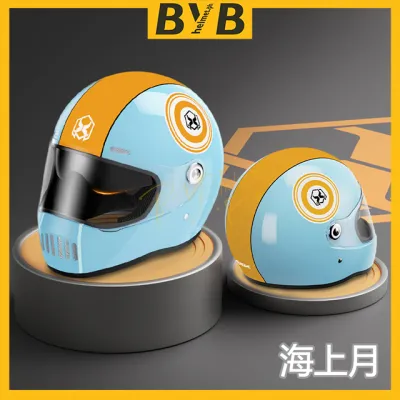
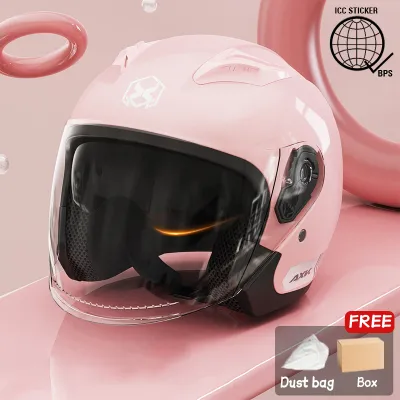
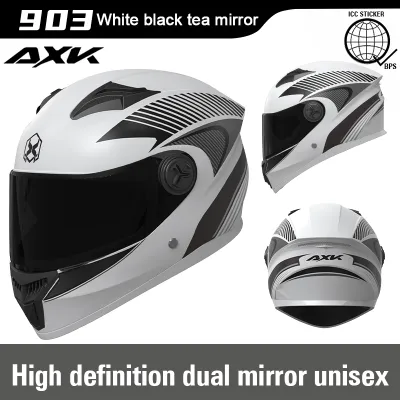
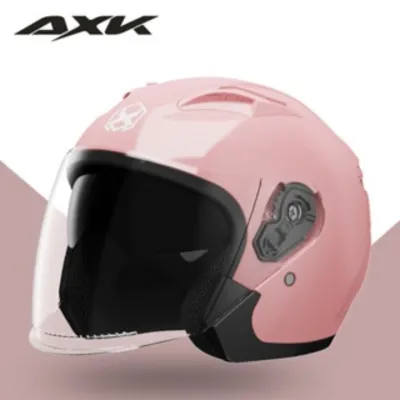
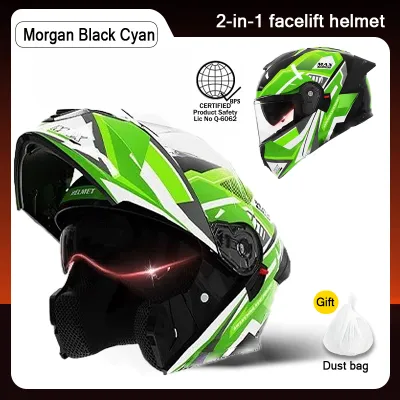
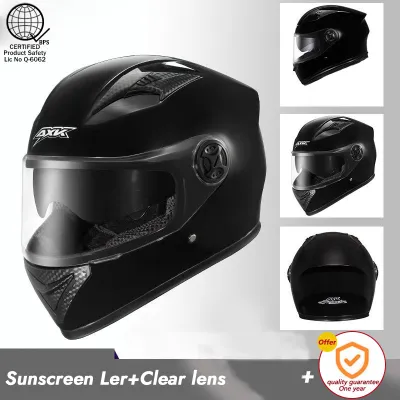
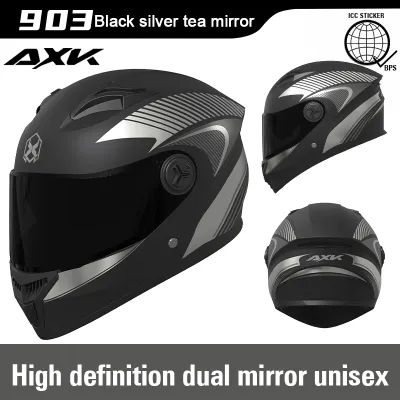
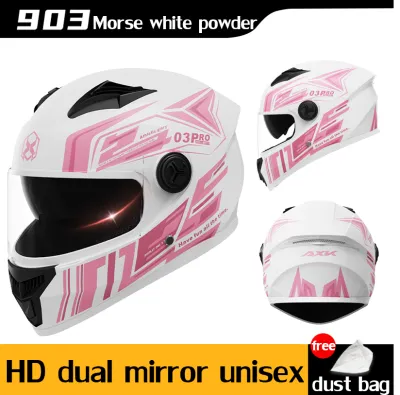
Prices are valid at publication and may change. Please refer to the product page for the latest price.
To stay within your budget without compromising safety, you must distinguish between non-negotiable safety features and negotiable comfort options. Non-negotiable features include a robust outer shell, a thick energy-absorbing expanded polystyrene (EPS) inner liner, and a certified retention system like a heavy-duty micrometric quick-release buckle or a double D-ring system. These components are responsible for absorbing impact energy and keeping the helmet securely on your head during an accident. On the other hand, features like custom graphic designs, aerodynamic rear spoilers, and integrated Bluetooth speaker pockets are negotiable. Opting for a plain, solid-colored AXK helmet often saves you money while providing the exact same level of physical protection as its more expensive, highly decorated counterpart.
How AXK Helmet Styles and Materials Affect Price
The physical design and style of an AXK helmet play a major role in determining its price point and the level of protection it provides. Full-face helmets, which completely cover your head, face, and chin, generally sit at a slightly higher price tier due to the additional materials and manufacturing complexity involved. However, they offer the highest level of safety because they protect the jaw and face, which are highly vulnerable areas in a motorcycle accident. Open-face or three-quarter helmets are often more budget-friendly and offer excellent ventilation for hot, humid Philippine afternoons, but they leave your face exposed to wind, debris, and impact. Weighing the cost savings of an open-face model against the comprehensive protection of a full-face model is a critical decision for every budget-conscious rider.

The materials used to construct the helmet shell are another primary driver of cost. Most budget-friendly AXK helmets utilize injection-molded thermoplastic materials, such as Acrylonitrile Butadiene Styrene (ABS). ABS shells are highly durable, impact-resistant, and cost-effective to produce, making them the standard choice for riders looking to maximize safety per peso. Advanced composite materials, such as fiberglass or carbon fiber blends, are lighter and distribute impact forces more efficiently, but they command a premium price that may exceed a modest budget. For daily commuting at moderate speeds, a well-engineered ABS thermoplastic AXK helmet provides excellent, certified protection without the premium price tag of exotic composites.
Visor mechanisms and shell configurations also influence the final retail price. Single-visor models are simpler, lighter, and more affordable, making them ideal for riders who primarily commute during the day or don’t mind swapping visors. Dual-visor models feature an outer clear shield and an inner drop-down sun visor, offering incredible convenience when transitioning from bright tropical sunlight to sudden rainstorms or nighttime riding. While dual-visor systems add weight and cost, many riders find the added versatility worth the extra investment. Additionally, choosing special edition graphics or licensed designs will always increase the price of an AXK helmet, so sticking to solid matte or gloss finishes is an easy way to keep your purchase within a lower price bracket.
Evaluating AXK Features Within Your Target Price Range
Once you have established your budget and preferred style, you can begin comparing specific AXK features to find the best value. In the tropical climate of the Philippines, a removable and washable inner liner is an absolute necessity rather than a luxury. Daily riding in high humidity leads to sweat accumulation, which can cause unpleasant odors, bacteria growth, and skin irritation. Choosing an AXK model with a fully detachable comfort liner allows you to wash the interior regularly, extending the lifespan of your helmet and keeping it fresh. Ensure the liner fabric is breathable and hypoallergenic to maximize comfort during long, hot rides in traffic.
Ventilation is another critical feature to evaluate when shopping within a specific price range. A budget helmet that lacks proper airflow will quickly become uncomfortable, tempting you to ride with an open visor or, worse, without a helmet at all. Look for AXK models that feature adjustable intake vents on the chin and forehead, along with exhaust vents at the rear to pull hot air out. Effective ventilation not only keeps your head cool but also helps prevent your visor from fogging up during sudden downpours. Inspect the vent sliders to ensure they are sturdy and easy to operate even while wearing riding gloves.
Visor quality and functionality should also be prioritized based on your typical riding conditions. Look for visors that offer built-in UV protection to shield your eyes from intense tropical sunlight, as well as scratch-resistant coatings that prevent road grit from ruining your field of vision. If you frequently ride during the rainy season, check if the AXK model is compatible with anti-fog inserts or has a reliable quick-release visor mechanism that allows you to swap shields easily. While premium add-ons like built-in Bluetooth communication systems or aerodynamic racing spoilers are appealing, they should only be considered if they fit comfortably within your budget after all safety and comfort essentials are fully met.
Accounting for Hidden Costs and Verifying Authenticity
Buying an AXK helmet involves more than just the initial checkout price; you must also account for potential hidden costs that can quietly inflate your total expenses. For instance, if the helmet comes standard with a dark smoke visor, you will need to purchase an additional clear visor for safe riding at night, as riding with a tinted visor in low-light conditions is extremely dangerous. You should also factor in the cost of shipping and handling, especially if you live in provincial areas outside Metro Manila. Budgeting an extra ₱300 to ₱500 for these accessories and fees ensures you will not be caught off guard by the final transaction total.
Because AXK is a popular budget-friendly brand, counterfeit products can sometimes flood online marketplaces and physical shops. Counterfeit helmets do not undergo safety testing and can fail catastrophically during an impact, putting your life at serious risk. To ensure you are buying an authentic, certified AXK helmet, always purchase from authorized dealers, official brand stores, or highly rated sellers on reputable e-commerce platforms. Look for official badges, read customer reviews carefully, and verify that the seller provides clear photos of the actual helmet showing the genuine ICC or PS certification stickers.
Finally, always inspect the seller’s return, exchange, and warranty policies before finalizing your purchase. A helmet must fit perfectly to provide its rated level of protection; a helmet that is too loose can slip off during a crash, while one that is too tight will cause painful pressure points. Since you cannot always try on a helmet when buying online, choose a seller that offers hassle-free exchanges for sizing issues. Additionally, a valid manufacturer’s warranty against defects in materials or workmanship provides peace of mind and ensures your investment is protected if a strap, buckle, or vent mechanism fails prematurely.
Final Pre-Purchase Checklist for Your AXK Helmet
Before you click the buy button or hand over your cash, run through this quick checklist to ensure your chosen AXK helmet meets all your requirements:
- Verify Safety Certifications: Confirm that the helmet features a genuine, physical ICC sticker or PS mark.
- Check the Fit: Ensure you have measured your head circumference correctly and matched it to the AXK sizing chart, keeping in mind your specific head shape.
- Assess the Liner: Verify that the inner comfort liner is fully removable and washable to handle tropical sweat and humidity.
- Evaluate the Visor: Confirm the visor type (clear, smoke, or dual-visor) matches your primary riding hours, and check for scratch resistance.
- Calculate Total Cost: Add up the helmet price, shipping fees, and any necessary accessories (like a clear night visor) to ensure the total remains within your ₱ budget.
- Confirm Seller Credibility: Buy only from authorized dealers or official online stores, and double-check their return and exchange policy for sizing adjustments.
Frequently Asked Questions (FAQ)
Are cheaper AXK open-face helmets safe for daily commuting?
Yes, cheaper AXK open-face helmets are safe for daily commuting provided they carry a genuine ICC sticker or PS mark, which proves they meet local safety standards. However, you must understand the physical trade-offs of this design. Open-face helmets do not feature a chin bar, leaving your jaw, teeth, and face completely exposed to direct impacts and road debris. While they offer excellent airflow and convenience for short, low-speed trips in hot weather, a full-face helmet always provides significantly better overall protection in a collision.
How often should I replace my AXK helmet if I ride on a budget?
Even if you are riding on a tight budget, you should generally replace your AXK helmet every three to five years of regular use, or immediately after any accident. Over time, exposure to sweat, hair oils, UV rays, and extreme tropical heat degrades the protective EPS foam liner and the outer thermoplastic shell, reducing their ability to absorb impact. Furthermore, if your helmet experiences a drop from a significant height or is involved in any crash, the EPS liner will compress to absorb the force; this damage is often invisible but permanent, making the helmet unsafe for future use.

Community discussion
Share your experience or ask a question. Comments are reviewed before publication.