
Choosing the right brake shoes for your Bajaj CT125 in the Philippines comes down to balancing the guaranteed reliability of Original Equipment Manufacturer (OEM) parts against the cost savings and specialized compounds of aftermarket alternatives. The Bajaj CT125, widely used for daily commuting, heavy-duty hauling, and navigating both steep provincial terrains and congested city streets, relies heavily on its drum braking system to maintain safety under diverse loads. While OEM brake shoes provide a perfect factory fit and predictable friction characteristics designed specifically for this model, reputable aftermarket brands offer viable alternatives for riders looking to optimize their budget or seek specific performance traits. Making the right choice requires understanding how these options perform under tropical conditions, verifying critical physical specifications, and knowing how to spot high-quality friction materials.
Evaluating OEM vs Aftermarket Trade-Offs
When evaluating brake shoes for the Bajaj CT125, the primary trade-off lies between the plug-and-play assurance of OEM components and the diverse options of the aftermarket. OEM brake shoes are manufactured to the exact specifications of the motorcycle’s original design, ensuring that the metal backing plate, spring tension points, and friction material compound match the drum’s metallurgy perfectly. This factory-tested friction level guarantees consistent stopping power right out of the box, minimizing the risk of premature drum wear or unexpected brake fade. For riders who use their CT125 for heavy commercial hauling or daily travel through hilly provinces, this baseline reliability is often the safest and most straightforward path.
Conversely, aftermarket brake shoes cater to a wider variety of rider preferences and budgets. Some aftermarket manufacturers focus on cost reduction, offering budget-friendly replacements that lower daily maintenance expenses for high-mileage riders. Other premium aftermarket brands develop specialized friction compounds, such as semi-metallic or organic blends designed to handle high heat dissipation or offer a softer, quieter lever feel. However, because the aftermarket is highly fragmented, performance can vary wildly between brands. Without independent, standardized testing data readily available for every brand on the market, riders must look past marketing buzzwords and rely on physical inspections, material certifications, and precise measurements to ensure safety.
Products mentioned in this guide
![GPC Kawasaki CT125 Front/Rear Brake Shoe Set [JN131812]](https://img.lazcdn.com/g/p/9a334a9951cb622373ac7cb287b68b7b.jpg_400x400q80.jpg_.webp)
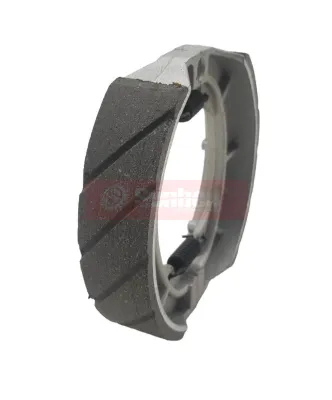
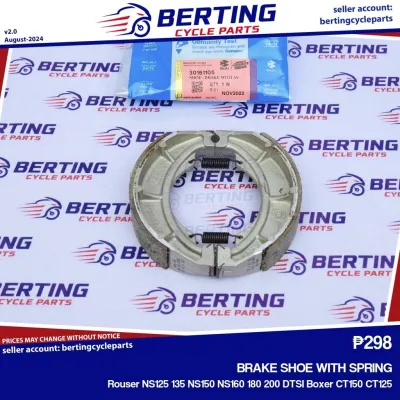
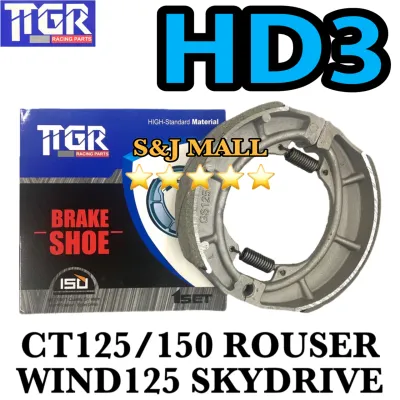
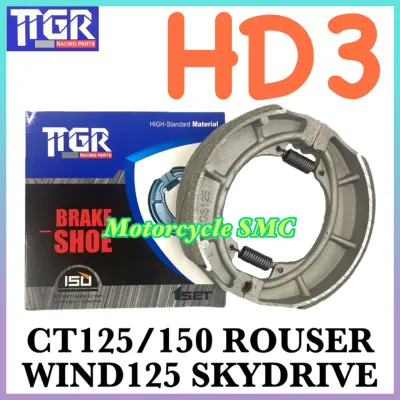
Prices are valid at publication and may change. Please refer to the product page for the latest price.
Critical Specifications to Verify Before Purchase
Because the Bajaj CT125 relies on drum brakes, precise physical compatibility is non-negotiable for rider safety. Before purchasing any replacement brake shoes, you should measure your worn shoes or consult the official Bajaj service manual to verify the exact length, width, and arc radius required for your specific model year. Even minor deviations of a millimeter can prevent the shoes from fitting inside the drum or, worse, cause them to drag constantly, generating extreme heat that can lead to sudden brake failure.

When inspecting potential replacement shoes, pay close attention to the structural integrity of the backing plate. High-quality brake shoes typically feature a robust aluminum alloy or cast iron backing plate that resists flexing under hard braking pressure. Examine the thickness of this plate and inspect the anchor pin holes and cam contact points; these areas must be perfectly machined without rough edges or casting defects. The spring tension points must also be strong enough to hold the return springs securely, as weak or poorly positioned anchor points can cause the springs to slip, leading to immediate brake lock-up.
The friction material itself must be securely bonded to the backing plate. Look for clean, consistent bonding lines without any gaps, adhesive overflow, or cracks between the friction lining and the metal backing. Forcing a mismatched or poorly manufactured brake shoe into your motorcycle’s drum can result in uneven wear, severe scoring of the inner drum surface, or mechanical binding that locks the wheel while riding. Always prioritize exact physical verification over generic compatibility claims on packaging.
Assessing Performance and Durability Claims
Navigating the marketing claims of aftermarket brake shoe manufacturers requires a critical eye. Reliable indicators of quality are rarely found in bold performance promises on the box; instead, look for recognized safety certifications and standard compliance marks printed directly on the packaging or the backing plate itself. Reputable manufacturers often display compliance with international quality standards, such as ISO certifications or specific friction material codes that indicate the coefficient of friction under hot and cold conditions. Additionally, the presence of clear manufacturer contact details, batch numbers, and detailed installation instructions indicates a transparent and accountable production process.
Conversely, there are several red flags that should prompt you to reject a set of brake shoes immediately. Poorly printed packaging, missing documentation, and the absence of any brand or batch markings on the shoes themselves often point to counterfeit or substandard products. Physically handle the shoes to assess their weight; unusually lightweight friction blocks or backing plates suggest the use of cheap, porous alloys or low-density friction materials that will wear down rapidly or crumble under thermal stress.
Understanding the relationship between friction material hardness, braking noise, and drum wear will help you set realistic expectations. Softer organic compounds generally offer quiet operation and excellent initial bite, but they wear out faster and are more prone to brake fade under heavy loads or prolonged downhill braking. Harder semi-metallic compounds offer superior durability and heat resistance, making them suitable for heavy-duty use, but they may produce more squealing noises and accelerate the wear of your motorcycle’s brake drum. Consider your typical riding environment—whether it is stop-and-go traffic in Manila or long, dusty provincial highways—to choose the compound that best matches your durability needs.
Price and Value Considerations
Evaluating the true value of brake shoes requires looking beyond the initial purchase price in Philippine Pesos (₱). While it is tempting to opt for the lowest-priced aftermarket options available at local motorcycle parts shops or online marketplaces, these products often carry hidden long-term costs. Substandard friction materials can wear out prematurely, requiring frequent replacements that quickly add up in labor costs or personal maintenance time. More critically, low-quality shoes can cause severe scoring or warping of the inner brake drum, turning a simple brake shoe replacement into an expensive wheel hub or drum assembly repair.
To make an informed financial decision, establish a clear comparison framework. OEM parts carry a price premium, but this cost is justified by their guaranteed safety, perfect fitment, and predictable lifespan, making them the most cost-effective choice for riders who prioritize safety and hassle-free maintenance. Reputable, mid-tier aftermarket brands can be an excellent alternative if they offer verified material standards and are sourced from authorized distributors. These options are ideal for budget-conscious riders who are willing to perform regular inspections to monitor wear.
Be extremely cautious of suspiciously low-priced items, especially when shopping on online marketplaces. Counterfeit parts designed to look exactly like OEM Bajaj packaging are common and pose a severe safety risk, as they often use dangerous, unbonded friction materials that can delaminate under pressure. Always purchase your brake components from authorized Bajaj dealerships or highly rated, established local motorcycle supply shops to ensure you are getting genuine products.
Installation Safety and Break-In Procedures
Brake installation is a safety-critical task that directly impacts your control of the motorcycle. Before installing new brake shoes, you must thoroughly clean the brake drum assembly using an authorized brake cleaner to remove accumulated brake dust, road grime, and grease. Inspect the inner surface of the drum for deep grooves, warping, or blue heat discoloration; if the drum is severely worn or out of round, installing new shoes will not restore proper braking performance, and the drum must be machined or replaced.
During installation, ensure that the brake cam, anchor pins, and return springs are properly positioned and lubricated with a high-temperature, brake-specific grease applied sparingly to the contact points only—never let grease touch the friction material or the drum surface. The return springs must be installed with the correct orientation to ensure they pull the shoes away from the drum when the brake lever is released. Once assembled, adjust the brake play according to the original-vehicle instructions so that the wheel spins freely without any dragging or binding.
After installation, a proper break-in or bedding-in process is mandatory to ensure safety and optimal stopping power. For the first few dozen kilometers, avoid sudden, hard braking unless absolutely necessary. Instead, perform gentle, controlled stops from moderate speeds to allow the new friction material to conform to the drum’s shape and transfer an even layer of friction material to the drum surface. If at any point during installation or the initial test ride you encounter components that do not align, feel binding in the lever, or hear unusual scraping noises, stop immediately and consult a qualified professional mechanic before riding the motorcycle.
Frequently Asked Questions (FAQ)
How do I know if my Bajaj CT125 brake shoes need replacing?
You can determine if your Bajaj CT125 brake shoes need replacement through visual, auditory, and tactile checks. Visually, inspect the thickness of the friction lining; if it has worn down close to the metal backing plate, or if it is unevenly worn, it must be replaced. Tactilely, if you notice a spongy feel in the brake pedal or lever, or if your stopping distances have noticeably increased, the shoes may be glazed or worn out. Additionally, most drum brake assemblies feature an external mechanical wear indicator arrow on the brake panel; when you apply the brake fully and the pointer aligns with the limit mark on the hub, it indicates that the brake shoes have reached their service limit and require immediate replacement.
Can I use brake shoes from a different Bajaj model on my CT125?
While some Bajaj models share similar engine platforms, you should never assume that brake shoes are interchangeable across different models without verifying exact part numbers. Drum diameters, shoe widths, cam profiles, and return spring configurations vary significantly between models like the CT125, CT100, or Boxer series. Attempting to force a brake shoe from a different model can lead to improper contact with the drum, mechanical binding, or complete brake failure. Always cross-reference the official Bajaj parts catalog or consult an authorized dealer to verify compatibility before purchasing any brake components.

Community discussion
Share your experience or ask a question. Comments are reviewed before publication.