
Riding a motorcycle in the Philippines requires a careful balance of preparation, adaptability, and spatial efficiency. Whether navigating the congested lanes of Epifanio de los Santos Avenue (EDSA) during the daily rush hour or embarking on a weekend tour along the scenic, winding roads of the Marilaque Highway, storage space is a constant necessity. A topbox 45 liters w back rest offers an optimal configuration for local riders, serving as a highly versatile cargo solution that enhances both utility and passenger comfort.
A storage capacity of 45 liters represents a practical sweet spot for daily commuting and touring. This volume is sufficiently spacious to accommodate two standard half-face helmets, or a single large full-face helmet alongside essential riding gear. For the typical Filipino commuter, this translates to having dedicated, secure space for heavy-duty raincoats, a change of clothes, a laptop bag, and daily essentials. Choosing a 45-liter box provides this utility without the excessive width or weight of larger 55-liter or 65-liter options, which can destabilize smaller-displacement motorcycles or make lane-filtering through tight traffic hazardous.
In addition to storage, the integration of a passenger backrest addresses a critical comfort and safety need. Pillion riding is incredibly common in the Philippines, with family members, friends, or ride-hailing passengers frequently sharing the saddle. Long hours spent on provincial highways or idling in slow-moving urban traffic can cause significant physical fatigue and lower back strain for the passenger. A padded backrest attached to the front of the top box provides essential lumbar support, allowing the pillion rider to maintain a relaxed, upright posture. This support reduces passenger fatigue and minimizes the physical shifting that can upset the motorcycle’s balance during low-speed maneuvers.
Products mentioned in this guide
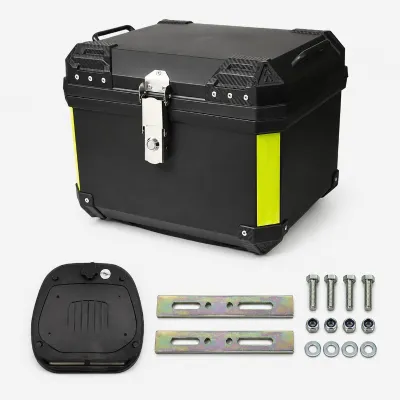
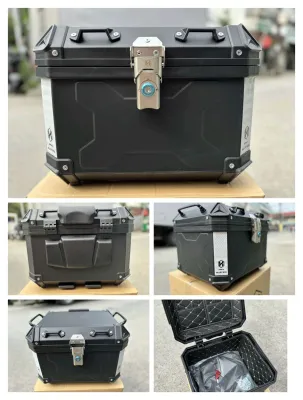
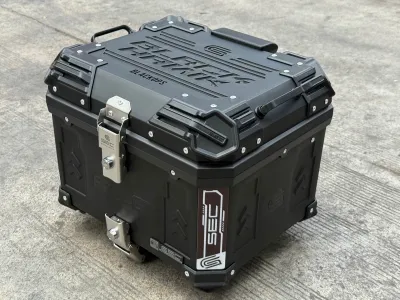
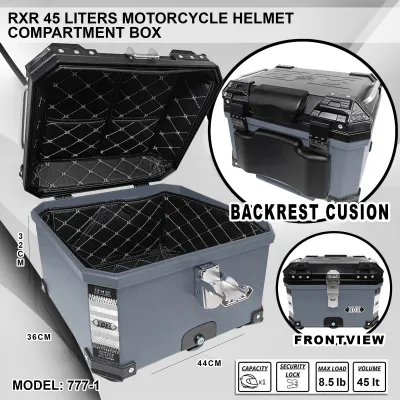
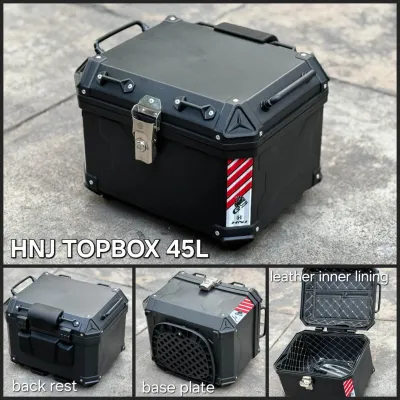
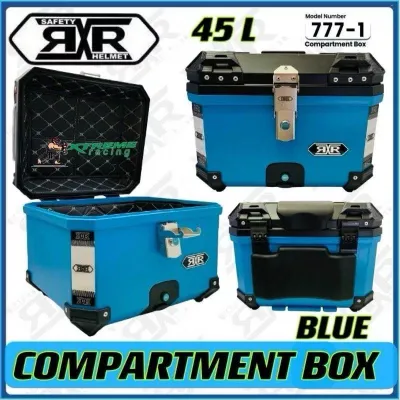
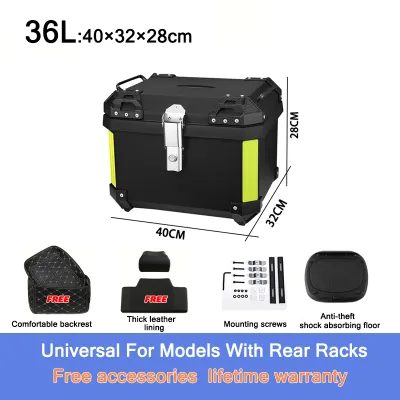
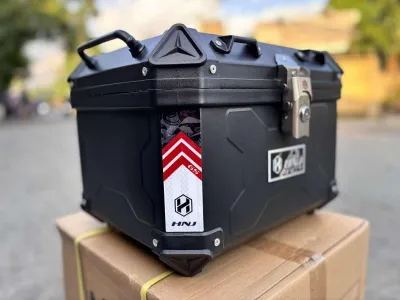
Prices are valid at publication and may change. Please refer to the product page for the latest price.
The tropical climate of the Philippines further underscores the necessity of a reliable top box. With sudden, intense downpours common during the monsoon season and heavy dust during dry months, keeping personal belongings dry and clean is a constant challenge. Unlike soft canvas tail bags or open baskets, a sealed top box acts as an impervious barrier against torrential rain, road spray, and airborne dust. Safely locking away electronics, documents, and spare dry clothing ensures that riders can commute with peace of mind, regardless of sudden changes in the weather.
What to Look for in a 45L Top Box and Backrest Combo
Selecting the right 45-liter top box requires evaluating several technical specifications to ensure long-term durability, safety, and compatibility with your motorcycle. Because a top box is exposed to harsh environmental elements and constant road vibrations, understanding the engineering details behind its construction will help you make an informed investment.
Material Durability under UV and Humidity
The intense tropical sun and high relative humidity in the Philippines place severe stress on materials. Prolonged exposure to ultraviolet (UV) radiation degrades low-quality plastics, causing them to fade, become brittle, and eventually crack under load. Similarly, high humidity and salt-laden air in coastal regions can accelerate the corrosion of metal components. When evaluating top boxes, look for high-grade, UV-stabilized polymers or anodized aluminum alloys. Stainless steel hardware is highly recommended for hinges, latches, and mounting brackets to prevent rust from compromising the structural integrity of the box over years of service.
Waterproofing and Seals
A top box is only as good as its weather seal. To protect your gear from heavy tropical rains, inspect the closure mechanism of the lid. High-quality top boxes utilize a tongue-and-groove lid design lined with a continuous rubber gasket, typically made of Ethylene Propylene Diene Monomer (EPDM) or high-grade silicone. When the latches are closed, they must compress this gasket evenly along the entire perimeter of the opening to block water ingress. Additionally, look for built-in drainage channels or overlapping lid lips that direct rainwater away from the seal area, preventing water from pooling and seeping inside when the box is opened.
Mounting System Compatibility
A top box must be securely anchored to the motorcycle to prevent dangerous shifts in weight while riding. This requires a compatible rear rack (bracket) specifically designed for your motorcycle model, along with a robust base plate. The base plate acts as the interface between the rack and the box. Verify whether the top box uses a universal quick-release mounting system or a proprietary lock-in design. Ensure that the mounting hardware includes high-tensile bolts (Class 8.8 or higher) and nylon-insert lock nuts (nyloc nuts), which resist backing out due to engine and road vibrations.
Backrest Ergonomics and Materials
Passenger backrests generally fall into two categories: integrated molded designs and separate padded cushions. Integrated backrests are often made of semi-rigid rubber or textured plastic molded directly onto the box’s exterior. While highly durable and weather-resistant, they offer limited cushioning. Separate padded cushions, typically constructed from polyurethane foam wrapped in synthetic leather (vinyl), provide superior comfort and shock absorption. However, these padded cushions must feature high-quality waterproof stitching and secure adhesive or bolt-on mounting to prevent water from soaking into the foam during rainstorms.
Security Features
To protect your helmet and valuables when the motorcycle is parked in public spaces, a robust locking mechanism is essential. Look for top boxes equipped with dual-stage central locking systems, where the key can only be extracted when the latch is fully engaged and locked. Heavy-duty locking cylinders made of brass or reinforced steel resist picking and drilling. Additionally, look for reinforced steel latch bars and dual-side locking hooks, which prevent thieves from prying open the corners of the lid with basic hand tools.
Top 45L Top Box Types to Consider for Your Motorcycle
Understanding the distinct advantages and limitations of different top box materials allows you to choose a model that aligns with your riding style, budget, and motorcycle type. The three primary categories available in the market are ABS plastic, aluminum alloy, and polypropylene (PP) plastic.

Heavy-Duty ABS Plastic Boxes for Daily Commuting
Acrylonitrile Butadiene Styrene (ABS) is a rigid, impact-resistant thermoplastic polymer widely favored for urban commuting. ABS top boxes are manufactured using injection molding, which allows for aerodynamically optimized shapes, smooth rounded corners, and integrated styling cues that complement modern scooters and underbones. The material possesses excellent dimensional stability and impact resistance, allowing the box to absorb energy and withstand minor drops or low-speed scrapes without cracking or shattering.
Many ABS top boxes feature streamlined, integrated backrest pads designed to match the contours of the box. These backrests are often low-profile, reducing wind drag while providing a supportive surface for the passenger. The smooth, non-porous finish of ABS is also easy to clean and maintain, requiring only basic washing to remove road grime.
Despite these benefits, ABS boxes are generally heavier than those made from simpler plastics like polypropylene. Over years of continuous exposure to direct sunlight, the outer surface of untreated ABS can undergo photo-degradation, leading to minor color fading or a chalky texture. To prevent this, riders should periodically apply a high-quality UV-protectant spray designed specifically for automotive plastics.
Aluminum Alloy Boxes for Adventure and Touring
For riders who frequently travel on rugged provincial roads, unpaved trails, or long-distance tours, aluminum alloy top boxes offer unmatched structural rigidity and durability. Constructed from high-strength aluminum sheets (typically ranging from 1.5mm to 2.0mm in thickness), these boxes feature a rugged, industrial aesthetic with reinforced nylon or metal corner bumpers. The primary advantage of aluminum is its exceptional strength-to-weight ratio and its ability to withstand severe impacts; if dented during an off-road fall, the metal can often be carefully hammered back into shape, preserving the box’s functionality.
Backrests for aluminum boxes are typically thick, separate padded cushions made of high-density foam covered in heavy-duty synthetic leather. These cushions are designed to be bolted directly to the flat surface of the aluminum lid or secured with industrial-strength adhesive backing. Because of the flat, vertical design of aluminum boxes, these backrests can be positioned to offer excellent ergonomic support, making them the preferred choice for long-distance touring with a passenger.
However, aluminum top boxes are significantly heavier than their plastic counterparts. This added weight, combined with a heavy-duty steel mounting rack, raises the motorcycle’s center of gravity. This change can noticeably affect the handling, steering response, and stability of smaller underbone motorcycles and lightweight scooters, particularly when riding at low speeds or negotiating sharp turns. It is crucial to verify that your motorcycle’s rear subframe can safely support this concentrated weight.
Lightweight PP Plastic Boxes for Budget-Conscious Riders
Polypropylene (PP) is a highly flexible, lightweight thermoplastic polymer that serves as the material of choice for entry-level and budget-friendly top boxes. PP boxes are exceptionally light, which minimizes the mechanical stress placed on the motorcycle’s rear rack and subframe. This lightweight characteristic makes them highly suitable for small-displacement scooters and commuter bikes where minimizing overall vehicle weight is a priority.
The inherent flexibility of PP allows the box to flex slightly under impact rather than cracking immediately. Furthermore, PP top boxes are highly affordable, making them an accessible option for riders who need basic, functional storage without a large financial investment.
However, PP has several notable trade-offs. It possesses lower tensile strength and lower UV resistance compared to ABS and aluminum. Over time, prolonged exposure to the harsh tropical sun can cause PP to become brittle, increasing the risk of cracking around the high-stress mounting points. The flexible nature of the plastic also means the lid can warp slightly under extreme heat, potentially compromising the waterproof seal during heavy downpours. Riders opting for a PP box should carefully inspect the thickness of the plastic, ensure the mounting base plate uses large load-distributing washers, and park in shaded areas whenever possible to prolong the material’s lifespan.
Comparing 45L Top Box Materials and Features
To help you quickly evaluate which top box material best suits your daily riding requirements, the table below summarizes the key characteristics of ABS plastic, aluminum alloy, and PP plastic.
| Material Type | Ideal Rider Profile | Weight Impact | Weather/UV Resistance | Backrest Style |
|---|---|---|---|---|
| ABS Plastic | Daily urban commuters seeking a balance of durability, style, and aerodynamic performance. | Moderate; heavier than PP but lighter than aluminum. | High; excellent weather resistance, but requires UV protectant to prevent long-term fading. | Integrated, streamlined pads molded to the box's shape. |
| Aluminum Alloy | Adventure riders and long-distance tourers who travel on rough, unpaved roads. | High; requires a sturdy, heavy-duty mounting rack. | Excellent; highly resistant to UV and weather, with rust-resistant hardware. | Separate, thick padded cushions bolted or adhered to the flat lid. |
| PP Plastic | Budget-conscious riders and owners of lightweight, small-displacement scooters. | Low; exceptionally lightweight, placing minimal stress on the rack. | Moderate; prone to UV degradation and warping under extreme heat. | Simple, detachable padded cushions or basic textured plastic. |
When selecting a top box type, it is vital to match the weight of the empty box and your typical cargo to your motorcycle’s maximum rear load capacity. Overloaded rear racks can lead to structural damage or front-wheel instability. Always prioritize a balanced setup that keeps your motorcycle within its safe operating limits.
Installation Requirements and Safety Checks Before You Ride
Installing a 45-liter top box with a backrest introduces significant weight and aerodynamic surface area to the rear of your motorcycle. To ensure your safety and the safety of your passenger, you must perform several critical mechanical checks and follow proper installation procedures.
Verifying Rack Load Capacity
Before purchasing or installing a top box, consult your motorcycle’s owner’s manual to identify the maximum weight limit specified for the rear subframe or luggage rack. This limit is often lower than riders assume, typically ranging between 3 to 10 kilograms. Remember that the total load includes the weight of the aftermarket mounting bracket, the base plate, the empty top box itself (which can weigh up to 6 kilograms for aluminum models), the cargo stored inside, and the physical force exerted by the passenger leaning back against the backrest cushion. Exceeding this limit can cause metal fatigue, leading to cracked subframes or sudden bracket failure while riding.
Ensuring Proper Base Plate Alignment
When mounting the base plate to your rear rack, position it as far forward as possible while still allowing sufficient clearance for the passenger. Keeping the box closer to the rear axle minimizes the leverage effect on the subframe and helps maintain a balanced center of gravity. Align the plate carefully so it is perfectly centered on the rack. Use high-tensile hardware and tighten the bolts in a diagonal, cross-pattern sequence to ensure even clamping force. Always use nylon-insert lock nuts or apply a medium-strength thread-locking compound to the bolt threads to prevent them from loosening due to engine vibrations.
Checking Backrest and Lid Clearance
Once the top box is mounted, verify that the passenger backrest cushion does not interfere with the opening and closing mechanism of the lid. The cushion must be positioned so that when the passenger leans back, their weight is distributed evenly across the support structure. Ensure that passenger pressure does not cause the top box lid to flex excessively, as this can distort the rubber gasket and allow water to enter during heavy rain. If the backrest is a separate cushion, double-check that its mounting screws or adhesive backing do not pierce or compromise the inner waterproof lining of the box.
Establishing a Routine Maintenance Schedule
The rough road conditions, potholes, and speed bumps common in many parts of the Philippines subject your motorcycle’s mounting hardware to continuous, high-frequency vibrations. Establish a routine maintenance schedule to inspect your top box setup at least once a month, or more frequently if you regularly ride on unpaved roads. Check all mounting bolts for signs of loosening and retighten them to the manufacturer’s specified torque. Inspect the mounting bracket and the base plate for any hairline cracks or signs of metal fatigue. Additionally, apply a small amount of dry graphite lubricant to the locking mechanism and hinges to keep them operating smoothly; avoid using wet oils or multi-purpose sprays, as they can attract road dust and clog the lock cylinder over time.
Frequently Asked Questions (FAQ)
Can I install a 45L top box on any scooter or underbone?
While most modern scooters and underbones can physically accommodate a 45-liter top box, compatibility depends heavily on the structural capacity of the motorcycle’s rear subframe and the aftermarket mounting bracket. Lightweight, small-displacement motorcycles (such as 110cc to 125cc models) often have delicate subframes designed for minimal rear loads. Installing a heavy aluminum 45-liter box, especially when fully loaded, can significantly alter the vehicle’s center of gravity, causing light steering, reduced front-wheel traction, and unstable handling. Always verify that both your rear bracket and your motorcycle’s frame are rated to handle the combined weight of the bracket, base plate, box, cargo, and passenger backrest pressure before proceeding with installation.
How do I maintain the backrest cushion in a humid climate?
To maintain a backrest cushion in the humid, tropical climate of the Philippines, regular cleaning and protection are essential to prevent mold, mildew, and material degradation. Clean synthetic leather or vinyl cushions at least once a month using a soft cloth dampened with a mild, pH-neutral soap and water solution to remove accumulated sweat, body oils, and road grime. After cleaning, dry the cushion thoroughly with a clean towel. Apply a dedicated vinyl protectant containing UV blockers to prevent the material from cracking and fading under intense sun exposure. If your top box features a detachable backrest cushion, consider removing and storing it indoors when parking the motorcycle outdoors for extended periods to prevent moisture absorption and fungal growth.

Community discussion
Share your experience or ask a question. Comments are reviewed before publication.