
Finding the right car gear shift knob cover automatic drivers can rely on in the Philippines requires balancing style, comfort, and safety. The intense tropical heat and high humidity can quickly degrade factory shifter materials, leaving them sticky, cracked, or uncomfortably hot to the touch. A quality cover protects your vehicle’s interior while improving your daily driving experience. However, because automatic shifters feature unique mechanisms like shift lock buttons and specific gate paths, choosing a cover is not just about aesthetics. It is a functional decision that directly affects how safely you control your vehicle.
How to Choose the Right Shift Knob Cover for Your Automatic Car
Selecting an aftermarket accessory for your automatic transmission requires a careful look at your vehicle’s specific cabin layout. Unlike manual gearsticks, which generally feature a simple spherical or cylindrical shape, automatic shifters are highly specialized. You must evaluate several physical and mechanical factors before making a purchase to ensure the accessory does not compromise your control on the road.
Shifter Shape and Size
Products mentioned in this guide
![[COD] Car Silicone Automatic Gear Shift Knob Cover Antislip Shifter Knob Univeral Fit Shifter Handle Automatic Gear Handle Sleeve](https://img.lazcdn.com/g/p/30c08bbaf1ace3ea17158c783b275bac.jpg_400x400q80.jpg_.webp)
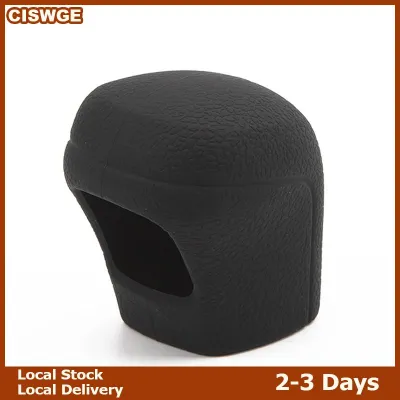
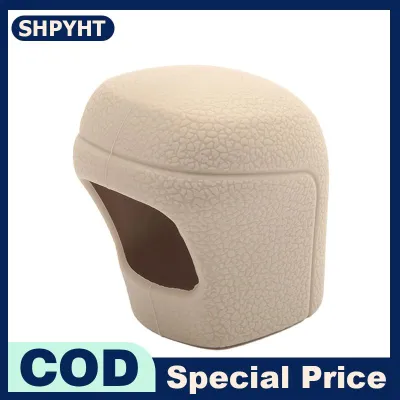
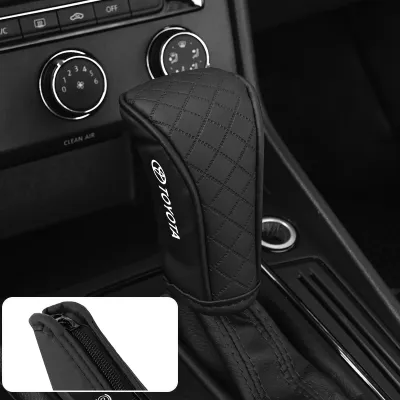
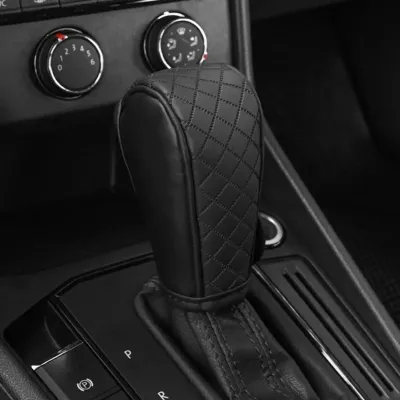
![[COD] CISWGE SPORTS 1Pc Gear Shift Hoodie Cover Shift Cover Car Gear Handle Decoration Fits Manual Automatic Universal Car Shift Lever InteriorDecor](https://img.lazcdn.com/g/p/9f653fb8b0bb39b39e4b8393bd3c2a33.jpg_400x400q80.jpg_.webp)


Prices are valid at publication and may change. Please refer to the product page for the latest price.
Automatic gear shifters come in three primary profiles: cylindrical columns, traditional spheres, and asymmetrical, ergonomic T-bars or pistol grips. A generic, one-size-fits-all cover rarely provides a secure fit across these diverse shapes. A loose cover can slide or twist during gear changes, which can be distracting or dangerous. Always check your vehicle’s manual and use a flexible tape measure to record the height, maximum width, and circumference of your factory shift knob before browsing local listings.
Shift Lock Button Clearance
The presence of a shift lock release button is the most critical safety distinction for automatic transmissions. Many vehicles require you to depress a thumb-trigger or a top-mounted button to shift out of Park or transition between specific gears. Any cover you install must feature a precise cutout that leaves this button completely unobstructed. If a cover is too thick, too tight, or lacks the proper opening, it can accidentally depress the button or prevent it from springing back into place, creating a severe safety hazard.
Material Considerations for Tropical Climates
The climate in the Philippines presents unique challenges for interior car accessories. High cabin temperatures can cause cheap plastics to release unpleasant odors or become sticky, while high humidity accelerates the wear of low-grade synthetic leathers. Sweat from your hands can make smooth finishes slippery, reducing your grip during sudden maneuvers. Prioritize materials that offer reliable breathability, heat resistance, and high surface friction to maintain a confident hold even on hot afternoon drives.
Installation Method
How a cover attaches to the shifter determines its long-term stability and ease of maintenance. Slip-on designs offer quick installation but rely entirely on material elasticity to stay in place. Wrap-around covers require hand-stitching or lacing, which takes more time but provides a highly secure, custom-tailored fit. Velcro or zip-tie options offer a middle ground, providing quick removal for cleaning while maintaining better tension than basic slip-on models.
Top Gear Shift Knob Cover Styles for Automatic Transmissions
While specific brands and inventory on local online marketplaces change frequently, three core design styles remain highly reliable for automatic vehicles. The ideal choice for your cabin depends on whether you prioritize a premium tactile feel, maximum slip resistance, or a sporty, modern aesthetic.

Wrap-Around Leather and Suede Covers
Best For: Drivers seeking an OEM-plus look, a premium tactile feel, and superior sweat absorption during long commutes.
Pros: These covers offer a classic, sophisticated aesthetic that blends seamlessly with leather-trimmed interiors. Real leather and high-quality suede naturally absorb minor hand moisture, preventing the shifter from feeling slick or greasy. Because they are typically laced or wrapped tightly, they do not add excessive bulk to the shifter, preserving the original ergonomics of your hand grip.
Cons: Leather and suede require periodic maintenance to prevent the buildup of oils and dirt. Over time, exposure to intense sunlight and sweat can cause the material to dry out, stiffen, or crack if left untreated. Additionally, installing a lace-up cover requires patience and basic hand coordination to achieve a neat, tight finish.
What to Look For: Look for kits that include pre-punched lacing holes, high-tensile waxed thread, and a soft microfiber backing. The inner lining is crucial because it prevents the cover from sliding around and protects the original factory leather or plastic from abrasion. Ensure the product listing explicitly specifies compatibility with automatic shifters and includes a dedicated cutout for your vehicle’s shift lock button.
Silicone and Rubber Anti-Slip Grips
Best For: Daily commuters, utility vehicles, shared family cars, and drivers who value maximum grip and effortless cleaning over luxury styling.
Pros: Silicone and rubber covers provide exceptional surface friction, ensuring your hand will not slip even in highly humid conditions. They are highly resilient, waterproof, and completely immune to damage from sweat, hand sanitizers, or spilled drinks. When they collect dust, you can quickly slide them off and wash them with mild soap and water to restore their original texture.
Cons: From an aesthetic standpoint, silicone covers can look basic or utilitarian, which may not complement premium cabin designs. They also tend to attract dust, pet hair, and lint due to static electricity. Cheap, ultra-thin silicone variants are prone to tearing when stretched over larger shifters during the installation process.
What to Look For: Seek out food-grade, high-density silicone that resists tearing. Look for designs featuring textured, dimpled, or ribbed surfaces, which further enhance grip and allow air to circulate under your palm. Avoid generic covers that rely on stretching thin material directly over the shift lock button; instead, choose models with pre-molded, reinforced openings for the trigger mechanism.
Hard Shell and Carbon Fiber-Look Caps
Best For: Modern vehicle cabins, protecting pristine factory shifters from physical damage, and achieving a sporty, high-tech interior look.
Pros: Hard shell covers, often made of ABS plastic with carbon fiber patterns or piano black finishes, offer rigid, durable protection. They shield the original shifter from scratches caused by rings, keys, or long fingernails. They do not fade or wear down from hand sweat and can be wiped clean instantly with a dry microfiber cloth.
Cons: Smooth, glossy plastic finishes can become slippery when exposed to sweaty hands or interior detailing sprays. Because these shells are rigid, they do not stretch; they require an absolute, millimeter-perfect match with your specific vehicle model to fit correctly. Adhesive-backed versions can also leave a stubborn, sticky residue on the factory shifter if you decide to remove them later.
What to Look For: Select hard shells that feature a soft inner foam or felt lining to prevent the hard plastic from scratching the original shift knob during installation or daily use. Choose snap-fit designs over adhesive-only models whenever possible to avoid glue residue. If you prefer a glossy finish, look for options with textured side grips to maintain a secure hold.
Installation and Fitment Checklist for Automatic Shifters
Installing an aftermarket cover on an automatic shifter requires a methodical approach to ensure passenger safety and system reliability. Before beginning, always consult your vehicle’s manufacturer instructions and the accessory packaging. If you encounter any resistance or if the instructions conflict with your vehicle’s design, stop immediately and consult a qualified professional.
Measuring Your Shifter
To find a compatible cover, use a flexible sewing tape to take precise measurements of your bare shift knob. Measure the total height from the base of the knob to the crown. Next, measure the width at the widest point, and wrap the tape around the thickest section to determine the circumference. Finally, measure the distance from the top of the knob to the edges of the shift lock button to ensure any pre-cut openings will align perfectly.
Installation Steps
The installation process varies depending on the style of cover you select:
- Wrap-and-Lace Covers: Position the cover over the shift knob, aligning the seams and button cutouts. Thread the provided needle and lace the cord through the pre-punched holes using a cross-stitch pattern, pulling gently after each stitch to ensure a tight, wrinkle-free fit. Secure the thread with a double knot at the base and trim any excess.
- Slip-on Covers: Turn the cover partially inside out if the material allows. Align the button cutout with the shift lock trigger, then slide and roll the cover down over the knob. Smooth out any air bubbles or folds.
- Snap-on Shells: Thoroughly clean the factory shift knob to remove oils. If using adhesive tape, peel the backing, align the shell perfectly over the knob, and press firmly for thirty seconds to ensure a secure bond.
Safety Verification
Once the cover is installed, you must perform three critical safety checks before starting the engine or driving:
- Button Operation: Press the shift lock button repeatedly. It must depress fully and spring back instantly without catching, sticking, or feeling stiff. If the cover impedes the button in any way, adjust or remove it immediately.
- Gate Clearance: Move the shifter through its entire range of motion (from Park to Sport or Manual mode, if equipped). Ensure the cover does not rub against the shift gate, center console trim, or block the gear indicator lights.
- Stability Check: Apply firm twisting and pulling force to the cover. It must remain securely anchored. If the cover slips or rotates under moderate pressure, it could shift during an emergency maneuver and must be re-secured or replaced.
Maintenance and Cleaning Tips for a Humid Climate
The tropical environment in the Philippines requires regular maintenance of your vehicle’s interior touchpoints to prevent hygiene issues and material degradation. High humidity combined with sweat and skin oils creates a breeding ground for bacteria and mold if left unaddressed.
Cleaning Routines
Different materials require specific cleaning methods to preserve their longevity and appearance:
- Leather and Suede: Clean monthly using a dedicated leather cleaner applied to a damp microfiber cloth. Avoid saturating the material. Once dry, apply a small amount of leather conditioner to keep the material supple, checking the product label for compatibility first.
- Silicone and Rubber: Slide the cover off and wash it in warm water with a few drops of mild dish soap. Rinse thoroughly and allow it to air dry completely before re-installing.
- Hard Shells: Wipe down weekly with a clean microfiber cloth slightly dampened with water or a mild interior detailer spray. Avoid harsh chemical solvents that can strip the glossy finish or degrade the plastic.
Humidity Management
To prevent mold, mildew, or sticky residue from developing underneath the cover, ensure your vehicle is well-ventilated. If you park in a damp environment or experience heavy rain, wipe down the shifter area regularly. Avoid leaving damp items in the cabin, and consider using moisture-absorbing silica gel packs in your center console to lower local humidity levels.
Replacement Signals
Inspect your shift knob cover regularly for signs of wear. You should discard and replace the cover immediately if you notice the material peeling, becoming sticky or gummy, losing its grip, or if the stitching begins to unravel. Most importantly, replace the cover if it stretches out over time and begins to slide, as this directly interferes with your ability to operate the shift lock button safely.
Frequently Asked Questions (FAQ)
Practical ownership concerns often arise when customizing vehicle interior components. Below is a common query regarding aftermarket shift knob covers.
Will installing an aftermarket shift knob cover void my car's warranty?
Generally, installing a non-destructive slip-on, wrap-around, or snap-on cover will not void your vehicle’s warranty. These accessories are classified as cosmetic interior additions because they do not alter the car’s mechanical, hydraulic, or electrical systems. However, you must avoid using heavy permanent adhesives, drilling into the shifter, or modifying the original shift knob assembly itself, as doing so can damage the shift mechanism and lead to warranty disputes. If you are uncertain about your specific dealer’s policies regarding interior accessories, consult your warranty booklet or contact your dealership’s service advisor before making any modifications.

Community discussion
Share your experience or ask a question. Comments are reviewed before publication.