
To keep your engine running smoothly in the intense heat of the Philippines, the best coolant for car radiator systems is a high-quality, pre-diluted Organic Acid Technology (OAT) or Hybrid Organic Acid Technology (HOAT) formulation that matches your vehicle manufacturer’s original equipment manufacturer (OEM) specifications. Year-round tropical temperatures, high humidity, and grueling stop-and-go traffic in major urban hubs like Metro Manila, Cebu, and Davao place immense thermal stress on your vehicle’s engine. Relying on generic products or plain water can quickly lead to overheating, component degradation, and expensive repair bills.
Selecting the correct coolant requires understanding your vehicle’s specific metallurgy and the chemical properties of the fluid. Modern engines utilize lightweight aluminum components that are highly sensitive to corrosion and heat. By choosing a coolant that aligns with your vehicle’s manual, you ensure that the fluid can effectively transfer heat away from critical engine parts even during the hottest summer months.
Why the Tropical Climate Demands Specific Radiator Coolant
The climate of the Philippines presents a unique set of challenges for automotive cooling systems. With ambient temperatures frequently climbing above 35°C during the dry season, the temperature difference between the hot engine coolant and the outside air is significantly narrowed. This narrow margin makes it much harder for the radiator to dissipate heat efficiently, forcing the cooling system to work at its absolute limit.
Products mentioned in this guide
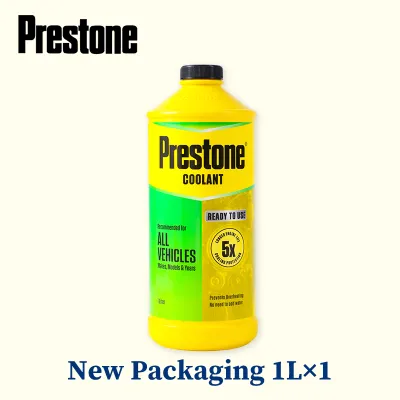
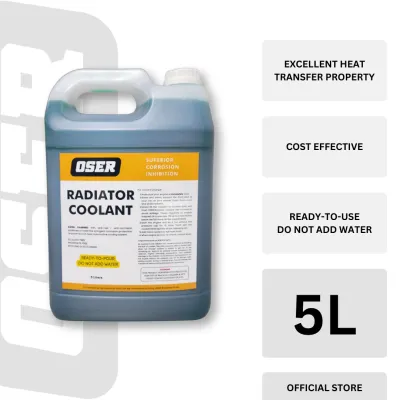
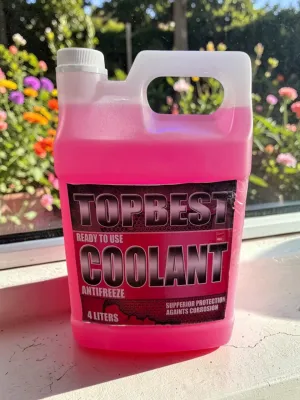
![[YAMAS] 4 LITERS COOLANT TOP BEST BRAND](https://img.lazcdn.com/g/p/4e94c30d27e1e92e799327048730f2de.png_400x400q80.png_.webp)
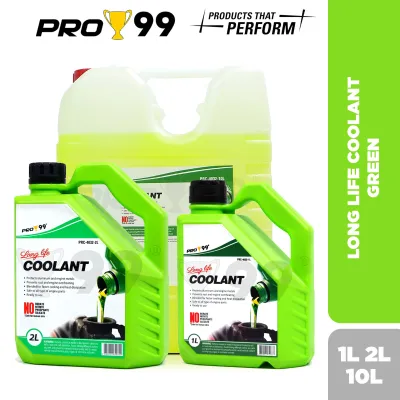
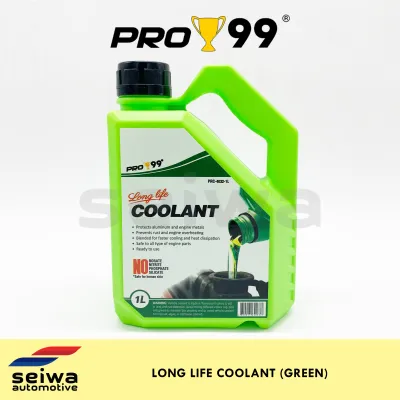
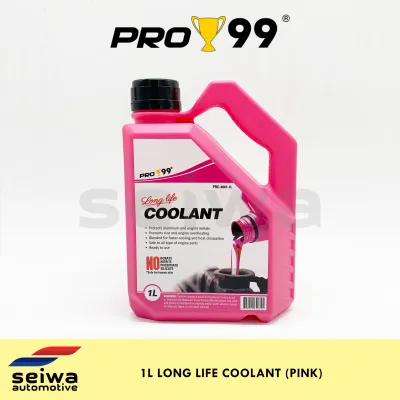
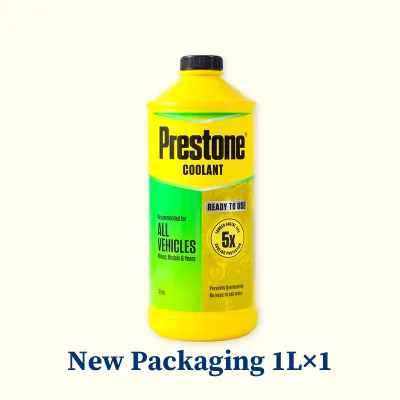
Prices are valid at publication and may change. Please refer to the product page for the latest price.
This environmental heat is compounded by the country’s notorious urban traffic congestion. When a vehicle is idling or crawling through stop-and-go traffic, there is very little ram air flowing naturally through the front grille to cool the radiator. Under these conditions, the cooling system relies entirely on the radiator fan and the thermal capacity of the coolant itself. Without a high-performance fluid, the heat inside the engine block can rapidly build up to dangerous levels.
High relative humidity also plays an indirect but destructive role in under-hood health. Humid air retains heat more effectively than dry air, which keeps the engine bay temperatures elevated long after you have parked. This prolonged thermal exposure accelerates the aging, hardening, and cracking of rubber hoses, plastic expansion tanks, and critical gaskets. Over time, these weakened components are more prone to sudden leaks and pressure losses.
A high-quality coolant for car radiator units does more than just lower the freezing point; in tropical climates, its primary job is raising the boiling point of the water in the system. Under the operating pressure of a modern cooling system, a proper coolant mixture prevents the fluid from boiling and turning into vapor. Vapor pockets cannot transfer heat and can cause localized hot spots, leading to warped cylinder heads. Furthermore, proper coolant prevents cavitation—the rapid formation and collapse of vapor bubbles around the water pump impeller—which can physically erode the metal pump blades over time.
Key Coolant Specifications to Check for High-Temperature Driving
When shopping for a coolant for car radiator protection, you must look past generic “tropical formula” marketing labels and focus on verifiable technical specifications. The chemistry of the fluid determines how well it will perform under intense thermal loads.

Boiling Point Elevation The boiling point of pure water is 100°C at sea level. However, a pressurized cooling system running a standard 50/50 mixture of ethylene glycol and water typically raises this boiling point to between 125°C and 129°C. This extra margin is critical when climbing steep, mountainous roads like the Marilaque Highway or the road to Baguio, where the engine is under constant load in thin air. Always check the product label for the specific boil-over protection rating under pressure to ensure it meets your driving demands.
Corrosion Inhibitors Tropical heat and moisture act as catalysts for electrochemical reactions inside your engine block. If left unprotected, the mix of metals in your cooling system—including aluminum, copper, brass, steel, and cast iron—will undergo rapid galvanic corrosion. This process creates a layer of oxide scale that insulates the metal, preventing heat from transferring into the coolant. Look for formulations containing advanced corrosion inhibitors that form a microscopic protective barrier over these metal surfaces without restricting fluid flow.
Concentration Ratios Most coolants are sold as either concentrated fluids or pre-diluted mixtures. While a standard 50/50 mix of glycol and water is ideal for most daily drivers, some high-temperature environments might tempt drivers to increase the ratio to 60/40 (60% coolant, 40% water) to maximize boil-over protection. However, glycol is less efficient at transferring heat than pure water. Increasing the glycol concentration too much actually reduces the system’s overall cooling efficiency. Always consult your vehicle’s owner manual to verify the maximum allowed coolant concentration for your specific model.
OEM Compliance and Standards Every vehicle manufacturer designs their cooling system around specific chemical tolerances. For instance, Japanese manufacturers often require phosphate-based hybrid organic acid technology (P-HOAT) and strictly forbid silicates, which can wear out water pump seals. Conversely, many European manufacturers mandate silicate-based formulations and ban phosphates due to hard-water scaling issues. To ensure compatibility, look for specific industry standards on the label, such as ASTM D3306 (for light-duty vehicles) or JIS K2234 (Japanese Industrial Standard), and match them directly to the specifications listed in your owner’s manual. Never infer compatibility from a generic category term; always verify the exact vehicle model, year, and specifications from your vehicle documentation.
Choosing the Right Coolant Technology for Your Engine
To make an informed decision, you must understand the three primary chemical families used in modern radiator coolants. Each technology is formulated for specific metallurgical environments and service intervals.
Inorganic Additive Technology (IAT) This is the traditional green-colored coolant that was standard in older vehicles built before the mid-1990s. IAT formulations rely on fast-acting inorganic inhibitors like silicates and phosphates to coat and protect metal surfaces. While highly effective at preventing rust initially, these inhibitors deplete rapidly under high-temperature driving conditions. IAT coolants typically require replacement every 2 years or 40,000 kilometers, making them high-maintenance options that are largely unsuited for modern, high-heat aluminum engines.
Organic Acid Technology (OAT) OAT coolants represent a major leap forward in durability and high-temperature stability. Instead of coating the entire cooling system, OAT formulations use organic acids that react chemically only at sites where corrosion is beginning to form. This targeted action allows the inhibitors to last much longer, often up to 5 years or 250,000 kilometers. OAT is highly compatible with the aluminum radiators found in modern passenger cars, providing excellent protection against high-temperature oxidation without forming abrasive deposits.
Hybrid Organic Acid Technology (HOAT) HOAT formulations combine the long-lasting benefits of organic acids with small, controlled amounts of inorganic inhibitors like silicates or phosphates. This hybrid approach delivers rapid surface passivation alongside long-term chemical stability.
- P-HOAT (Phosphate HOAT): Commonly specified for Asian brands like Toyota, Honda, and Hyundai. The phosphates provide immediate protection to aluminum parts, while the organic acids ensure long-term durability in tropical climates.
- Si-HOAT (Silicate HOAT): Frequently required by European brands such as Mercedes-Benz and Volkswagen. The silicates protect aluminum alloys under extreme thermal stresses, while the organic acids extend the fluid's service life.
Pre-diluted vs. Concentrated Coolant When choosing a coolant for car radiator maintenance, you will face the choice between pre-diluted (ready-to-use) and concentrated formulas. Pre-diluted coolants are highly recommended for the average car owner because they are mixed at the factory using demineralized or deionized water. This guarantees a precise 50/50 ratio and eliminates the risk of introducing harmful minerals into your engine. Concentrated coolants are more economical to transport but require you to source pure distilled water for mixing. If you use local tap or mineral water to dilute a concentrate, you will introduce dissolved minerals that will eventually crystallize and clog your radiator core.
Step-by-Step Radiator Maintenance for Tropical Conditions
Maintaining your car’s cooling system in a hot and humid climate requires a proactive approach. Regular inspections can help you catch minor issues before they escalate into catastrophic engine failures on the road.
Safety Boundary Warning Before performing any maintenance on your cooling system, ensure the engine has been turned off and allowed to cool completely for at least several hours. The cooling system operates under high pressure, and the fluid inside can reach temperatures well over 100°C. Never attempt to open the radiator cap while the engine is hot, as pressurized, boiling liquid and steam can erupt, causing severe, life-altering burns. Always check the applied product’s label and your vehicle manufacturer’s instructions before proceeding. If instructions conflict, the vehicle is unidentified, or the use is not covered, stop immediately and consult the manufacturer or a qualified professional.
Visual Inspection Start by locating the translucent coolant overflow reservoir in your engine bay. The fluid level should rest between the “Min” and “Max” (or “Low” and “Full”) markings when the engine is cold. Next, inspect the color and clarity of the fluid. Healthy coolant should be bright and clear (whether pink, blue, green, or yellow). If the fluid appears cloudy, muddy brown, or has dark oil droplets floating on the surface, it indicates internal contamination or a failing head gasket, requiring immediate professional diagnosis.
Component Checks The intense heat of a tropical engine bay accelerates the degradation of rubber and plastic.
- Radiator Cap: Inspect the rubber seal on the underside of the radiator cap. If the rubber is cracked, swollen, or hardened, the cap will fail to maintain system pressure, lowering the boiling point of your coolant and causing premature boil-over.
- Hoses: Inspect the upper and lower radiator hoses. Gently squeeze them along their length; they should feel firm but pliable. If a hose feels excessively soft, spongy, or brittle, or if you notice bulging near the metal clamps, replace it immediately to prevent a sudden blowout.
Flushing Intervals Do not rely solely on standard highway mileage intervals for your coolant changes. The combination of high ambient temperatures and heavy stop-and-go traffic in the Philippines qualifies as “severe driving conditions” under almost all manufacturer guidelines. This classification typically cuts the recommended service interval in half. Check your vehicle’s owner manual for the severe-use maintenance schedule to determine exactly when to perform a complete system flush.
Critical Coolant Mistakes That Cause Overheating
Avoiding common maintenance errors is just as important as choosing the right fluid. Certain practices can rapidly compromise your cooling system’s integrity, especially during the hottest months of the year.
Topping Up with Tap or Mineral Water When the coolant level drops, many drivers make the mistake of topping up the reservoir with tap water or bottled mineral water. This water contains dissolved minerals like calcium and magnesium. Under the extreme heat of the engine, these minerals precipitate out of the solution and bind to the hot metal surfaces inside the radiator and engine block. This forms a layer of scale that restricts coolant flow and acts as an insulator, trapping heat inside the engine and causing persistent overheating.
Mixing Incompatible Coolant Chemistries Never mix different types of coolant, such as adding a traditional green IAT coolant to a modern pink OAT system. The chemical additives in these formulations are incompatible. When mixed, they can react to form a thick, jelly-like sludge. This sludge settles in the narrow passages of your radiator core and water pump, completely blocking fluid circulation and leading to rapid, severe engine overheating.
Relying Solely on “Water Wetters” or Pure Water Some performance enthusiasts advocate using pure water combined with a “water wetter” additive, pointing out that water transfers heat more efficiently than glycol. While this setup is common on race tracks to prevent slippery spills, it is highly dangerous for daily-driven street cars in the Philippines. Pure water lacks the essential corrosion inhibitors, anti-foaming agents, and water pump lubricants provided by a proper coolant mixture. Running pure water will lead to rapid internal rust, water pump seal failure, and localized boiling in heavy traffic.
Frequently Asked Questions (FAQ)
Can I use pure water in my radiator during the Philippine summer?
No, you should never use pure water in your radiator. At sea level, pure water boils at 100°C, a temperature that is easily reached inside an engine idling in heavy traffic on a hot day. Without the boiling point elevation provided by a proper glycol-based coolant, pure water will boil away, leading to severe overheating. Furthermore, pure water does not contain corrosion inhibitors to protect the metal components of your engine, nor does it provide the lubrication required to keep your water pump seal functioning correctly.
Does the color of the coolant determine its quality or suitability?
No, coolant color does not indicate its chemical technology, quality, or compatibility. Color is simply a dye added by manufacturers to help identify leaks and distinguish their products. While some manufacturers follow loose conventions—such as pink or blue for long-life Asian formulations—there is no universal industry standard. A green coolant could be an older IAT formula or a modern OAT formula. Always read the technical specifications and OEM approvals on the product label rather than relying on the color of the fluid.
How do I know if my coolant needs to be replaced before the scheduled interval?
You can identify the need for an early coolant replacement through several observable signs. Inspect the overflow reservoir for a muddy brown or cloudy appearance, which indicates that the corrosion inhibitors have depleted and rust is forming inside the system. Floating particles, a burnt chemical smell, or a persistent drop in the fluid level that requires frequent top-ups are also clear indicators of degradation or leaks. If you observe any of these symptoms, perform a professional system pressure test and a complete coolant flush.

Community discussion
Share your experience or ask a question. Comments are reviewed before publication.