
Choosing a motorcycle helmet for a young girl in the Philippines is one of the most important safety decisions a parent can make. Whether she is riding as a passenger on the daily school run, navigating bustling city streets, or enjoying weekend family trips, her safety depends entirely on the quality and fit of her protective gear. In a market filled with various styles, colors, and eye-catching designs, it is easy to get distracted by aesthetics. However, safety standards, tropical comfort, and proper sizing must always come first. This guide breaks down the best helmet options for girls across budget, mid-range, and premium tiers, helping you make an informed choice that balances cost with uncompromising protection.
How We Evaluate and Select Helmets for Girls
Evaluating helmets for children requires a strict focus on safety certifications, physical ergonomics, and climate suitability. In the Philippines, any motorcycle helmet used on public roads must comply with strict safety regulations. Look for the Import Commodity Clearance (ICC) sticker or the Philippine Standard (PS) mark issued by the Department of Trade and Industry (DTI), which align with Land Transportation Office (LTO) mandates. These local marks indicate that the helmet has passed rigorous impact and penetration testing. Internationally recognized certifications such as the United States’ DOT (Department of Transportation) or Europe’s ECE (Economic Commission for Europe, specifically ECE 22.05 or 22.06) provide additional assurance of high-level engineering.
Children’s neck muscles and cervical spines are still developing, making them highly susceptible to strain and fatigue. A helmet that is too heavy can cause discomfort during rides and increase the risk of neck injury during a sudden stop or impact. Therefore, selecting a helmet with a lightweight shell is critical. Additionally, the retention system—whether a quick-release micrometric buckle or a traditional double D-ring—must be secure, reliable, and easy for parents to operate and adjust.
Products mentioned in this guide
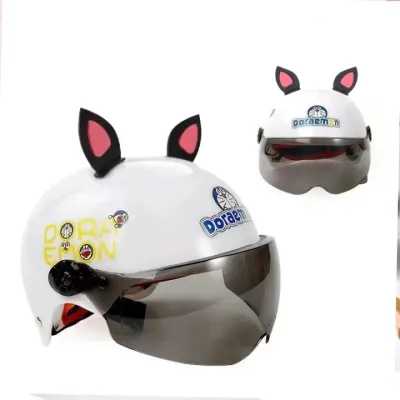
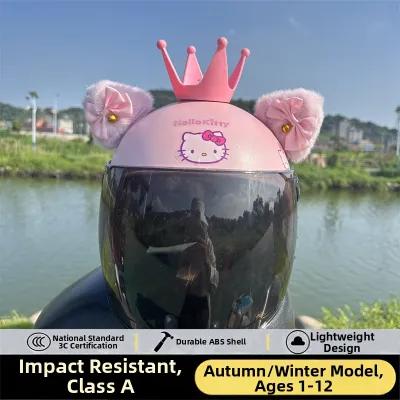
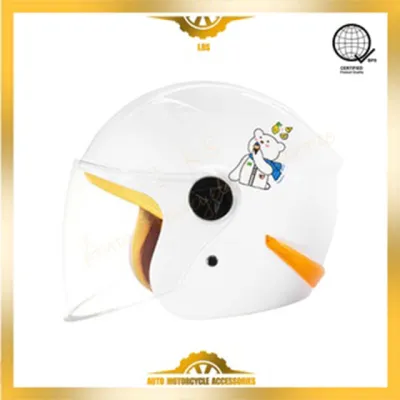
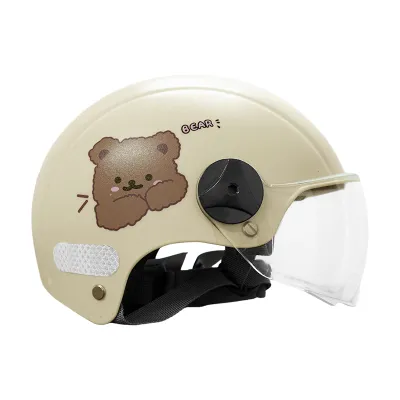
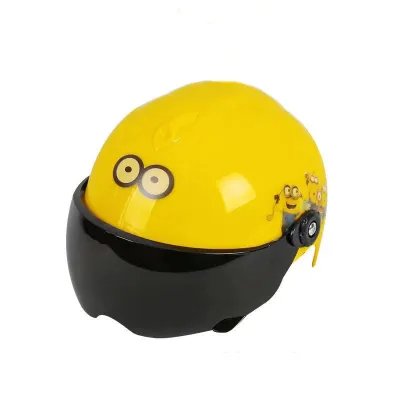
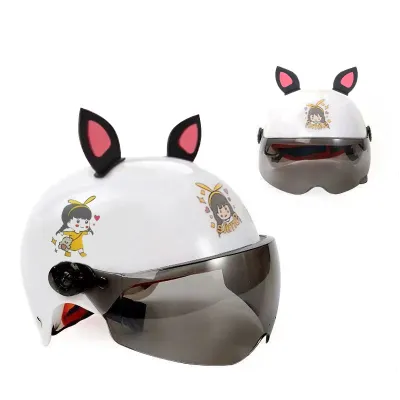
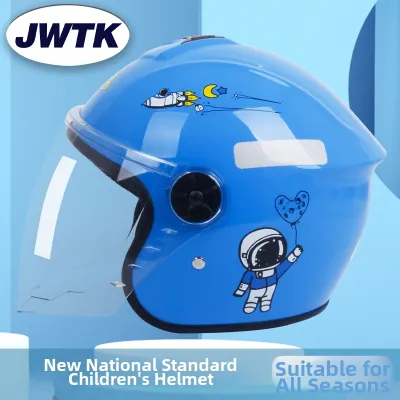
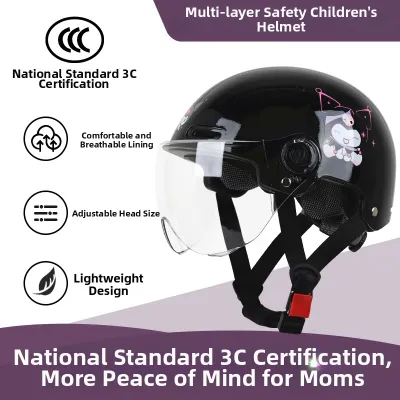
Prices are valid at publication and may change. Please refer to the product page for the latest price.
Riding in the Philippines means dealing with intense tropical heat and high humidity. A helmet with poor airflow quickly becomes hot, sweaty, and uncomfortable, which may tempt a child to loosen the strap or refuse to wear it entirely. Effective ventilation channels that draw fresh air in and expel hot air out are essential. Furthermore, look for helmets with removable, moisture-wicking, and washable inner liners to maintain hygiene and prevent odors caused by sweat.
To help you find the best value, we have categorized our recommendations into budget, mid-range, and premium tiers. While higher tiers offer advanced materials and enhanced comfort features, every recommended category focuses on certified options that prioritize your child’s safety on the road.
Budget Tier: Reliable Entry-Level Helmets for Short Rides
The budget tier is designed for cost-conscious buyers who need compliant, safe helmets for occasional or short-distance travel. While these helmets lack the advanced lightweight materials of high-end models, they provide reliable basic protection without compromising on essential safety certifications.

Best Basic Full-Face for Maximum Coverage
For parents seeking the highest level of physical coverage on a budget, an entry-level full-face helmet is the ideal choice. These helmets typically feature a durable ABS (Acrylonitrile Butadiene Styrene) thermoplastic shell paired with a standard EPS (Expanded Polystyrene) foam liner. The primary benefit of a full-face design is its comprehensive protection, covering the chin, jaw, and face—areas that are highly vulnerable during a fall.
However, budget-friendly full-face helmets do come with trade-offs. They tend to be heavier than premium options, which can cause quicker fatigue for younger girls. The ventilation systems are often basic, and the interior padding may not be fully removable for washing. When purchasing from online marketplaces or local dealers, always inspect the helmet physically to verify the presence of a genuine, tamper-evident ICC or PS sticker.
Best Lightweight Open-Face for Short Commutes
An open-face or three-quarter helmet is an excellent alternative for younger girls who find the weight and enclosed feel of a full-face helmet overwhelming. Because these helmets lack a chin bar, they are significantly lighter, which greatly reduces neck strain during short rides. This open design also allows for natural airflow, keeping the rider cooler in humid weather.
The major trade-off is the complete absence of chin and facial protection, making this style unsuitable for high-speed travel or long highway journeys. It is best reserved for low-speed, short-distance commutes, such as riding within residential subdivisions or quiet barangay roads. To protect your child’s eyes from dust, wind, insects, and flying debris common on Philippine roads, always ensure the helmet is equipped with a clear, impact-resistant built-in visor, or pair it with proper protective eyewear.
Mid-Range Tier: Upgraded Comfort for Daily Commutes
The mid-range tier is the sweet spot for parents whose children ride daily, such as on the morning school run. Helmets in this category offer substantial upgrades in comfort, ventilation, and visor quality without a premium price tag.
Best Overall Value for Daily School Rides
Mid-range helmets feature multi-density EPS liners that provide superior energy absorption and interior comfort paddings made from hypoallergenic, moisture-wicking fabrics. These liners are fully removable and washable, allowing you to easily clean out sweat and grime after hot afternoon rides.
Another significant upgrade is the retention system. Mid-range helmets frequently feature high-quality micrometric quick-release buckles. This mechanism allows parents to securely fasten and adjust the chin strap in seconds, ensuring a snug fit every single time without the struggle of traditional rings. These features combine to reduce fatigue and irritation during longer or more frequent rides compared to budget options.
Best Visor Clarity and Scratch Resistance
Clear, undistorted vision is a fundamental safety requirement when riding, especially during the sudden downpours of the Philippine rainy season or during evening commutes. Mid-range helmets often feature optically correct, anti-scratch visors that prevent visual distortion, which can otherwise cause eye strain and headaches for young riders.
Many of these visors also include UV-resistant coatings to shield your child’s eyes from intense tropical sunlight. Some models are even Pinlock-ready, allowing you to install an anti-fog insert that keeps the visor perfectly clear when humidity spikes. Before making a purchase, always verify the availability of replacement visors from the manufacturer or local distributor, and check that the visor mechanism operates smoothly so you can easily swap or clean the shield.
Premium Tier: Advanced Protection and Lightweight Materials
Premium helmets represent the pinnacle of safety, materials science, and rider comfort. These high-end models utilize advanced materials and engineering to offer maximum protection without the heavy weight, making them ideal for frequent or long-distance riders.
Top Pick for Advanced Impact Protection
Instead of standard heavy plastics, premium helmets utilize advanced shell materials like fiberglass composites or carbon fiber. These materials are exceptionally strong and rigid, yet incredibly lightweight, which dramatically reduces the physical load on a young girl’s neck and shoulders during extended rides.
Inside, premium helmets feature multi-density EPS liners designed to manage both low-speed and high-speed impact forces. Many also incorporate advanced rotational impact protection systems, which help reduce the rotational energies transmitted to the brain during an angled fall. While the initial cost is higher, the investment is fully justified by the superior protection, reduced physical fatigue, and long-term durability.
Best Premium Modular for Convenience
A modular or flip-up helmet offers the ultimate blend of full-face safety and open-face convenience. With the press of a single button, the chin bar can be raised, allowing parents to easily communicate with their child, give them a drink of water, or let them breathe fresh air during quick roadside stops without having to take the entire helmet off.
Premium modular helmets feature luxurious, antibacterial inner fabrics, integrated drop-down sun visors to combat glare, and advanced aerodynamics that minimize wind noise. However, parents must observe a critical safety boundary: modular helmets should always be ridden with the chin bar locked down in the full-face position unless the specific model is dual-homologated (bearing a P/J certification) for riding in the open position. Additionally, keep in mind that the internal hinge mechanism makes modular helmets slightly heavier than standard full-face models of the same material class.
Quick Comparison of Recommended Girls' Helmets
| Price Tier | Helmet Type | Key Advantage | Best Suited For | Weight Consideration |
|---|---|---|---|---|
| Budget | Full-Face | Maximum physical coverage and chin protection | Occasional short rides and basic safety | Heavier; may cause quicker neck fatigue |
| Budget | Open-Face | Lightweight and highly ventilated | Low-speed commutes on quiet roads | Very lightweight; minimal neck strain |
| Mid-Range | Full-Face | Washable moisture-wicking liners and quick buckles | Daily school runs and regular city commutes | Balanced weight with improved ergonomics |
| Mid-Range | Open-Face | Superior visor clarity and scratch resistance | Daily rides in varying light and weather | Lightweight and comfortable for daily use |
| Premium | Full-Face | Advanced composite shell and rotational protection | Long-distance travel and maximum safety | Exceptionally lightweight; minimal fatigue |
| Premium | Modular | Flip-up chin bar convenience with premium comfort | Frequent riders requiring versatility | Slightly heavier due to hinge mechanism |
Essential Fitting and Safety Checks Before Purchase
To ensure a helmet provides actual protection, it must fit perfectly. Never guess your child’s size or rely solely on age-based recommendations. Follow these critical steps and safety checks before making a purchase:
- Step-by-Step Head Measurement: Use a soft, flexible measuring tape and wrap it horizontally around the widest part of your child's head, which is approximately 2.5 centimeters (1 inch) above the eyebrows and ears. Note the measurement in centimeters and cross-reference it directly with the specific manufacturer's size chart, as sizing standards vary significantly between brands.
- The Snugness and "Shake Test": Once the helmet is on, perform a physical fit check. The helmet must fit snugly all around the head without causing painful pressure points. Have your child fasten the chin strap securely—you should only be able to fit two fingers between the strap and her throat. Ask her to shake her head vigorously from side to side and up and down. If the helmet slides, rotates, or slips over her eyes, it is too large. The cheek pads should press gently against her cheeks, pushing them up slightly; if there is a gap between her face and the padding, the helmet will not protect her properly during an impact.
- Avoid the "Grow Into" Trap: A common and highly dangerous mistake is buying a larger helmet with the expectation that the child will "grow into" it. A loose helmet can easily fly off during an accident, or rotate out of position, leaving vital areas of the head completely exposed. It also fails to properly manage impact energy, as the head will strike the inside of the helmet before the helmet can absorb the external force. Always buy a helmet that fits her current head size perfectly.
- The Danger of Second-Hand Helmets: Never purchase or use a second-hand helmet, even if it looks pristine on the outside. Helmets are designed to absorb impact through the destruction or compression of the internal EPS liner. Once a helmet has experienced a drop or a crash, its protective capability is permanently compromised, even if there are no visible cracks on the outer shell. Additionally, the materials inside a helmet naturally degrade over time due to sweat, hair oils, and environmental exposure, rendering older helmets unsafe.
- Shelf Life and Maintenance Checks: Always locate the manufacturing date sticker inside the helmet, typically found under the comfort liner. Manufacturers generally recommend replacing a helmet every 3 to 5 years from the date of first use, or 5 years from the date of manufacture, due to the natural degradation of resins and protective foams. For maintenance, instruct your child to handle the helmet with care. When cleaning, always refer to the manufacturer's care instructions. Wash removable liners by hand using mild soap and warm water; never use harsh chemical solvents, gasoline, or household detergents on the shell or EPS liner, as these substances can chemically weaken the protective materials and compromise the helmet's structural integrity.
Frequently Asked Questions (FAQ)
At what age should a girl transition from a toddler to a youth helmet?
There is no strict age bracket for transitioning from a toddler to a youth helmet. The transition must be based entirely on physical head circumference measurements and the child’s neck muscle development. Toddler helmets are designed for very small heads and low-impact scenarios (like balance bikes), whereas youth helmets feature more robust shells and impact liners. Always measure your child’s head circumference and compare it to the manufacturer’s official size specifications to determine when she is physically ready for a youth helmet.
Are full-face helmets too heavy for young girls?
Neck strength and physical tolerance vary significantly among children. While full-face helmets provide the highest level of safety, some budget models can feel heavy and cause fatigue or strain on a young girl’s neck during longer rides. To prevent discomfort, look for helmets that specify a lightweight construction, or invest in premium composite materials like fiberglass. If your child struggles to support the weight of a full-face helmet even during short trials, a lightweight, high-quality open-face helmet is a safer alternative than a poorly supported or improperly worn full-face model.
How often should a child's motorcycle helmet be replaced?
A child’s motorcycle helmet must be replaced immediately after any significant impact, drop, or accident, even if there is no visible damage to the outer shell. Under normal, impact-free conditions, safety standards recommend replacing a helmet every 3 to 5 years because the internal EPS foam and outer resins naturally degrade over time from exposure to sweat, heat, and UV rays. Additionally, because children grow rapidly, you must replace the helmet immediately as soon as her head measurement exceeds the upper limit of the current helmet’s size range.

Community discussion
Share your experience or ask a question. Comments are reviewed before publication.