
To survive the daily grind of commuting in the Philippines, finding the right seatcover for motorcycle use is one of the most practical upgrades you can make. With riders spending hours navigating congested metropolitan highways under intense tropical conditions, a standard factory vinyl seat often becomes an uncomfortable liability. The ideal seat cover directly addresses your primary daily commuter pain point: a 3D air mesh cover is excellent for mitigating extreme solar heat, a waterproof neoprene or heavy-duty nylon cover protects against sudden monsoon downpours, and an ergonomic gel or memory foam pad relieves physical fatigue during prolonged gridlock. Selecting the best option requires balancing these material properties against your specific daily route, parking habits, and motorcycle model.
How to Choose the Right Seat Cover for Philippine Commuting
Commuting on Philippine roads presents a unique combination of environmental and physical challenges that quickly expose the limitations of stock motorcycle seats. The climate is characterized by intense, direct tropical sunlight that can raise seat surface temperatures to uncomfortable levels within minutes, followed by sudden, torrential downpours that can saturate seat foam if the outer cover is compromised. Furthermore, navigating through dense, stop-and-go traffic in major urban hubs like Metro Manila, Cebu, or Davao means riders spend extended periods idling on hot asphalt, which intensifies heat transfer from the engine and the road surface directly to the rider.
To make an informed decision, you must evaluate potential seat covers across four primary dimensions: breathability, water resistance, ergonomic support, and anti-slip grip. Breathability is crucial for preventing sweat and heat buildup during midday rides, while water resistance determines how quickly you can dry your seat after a heavy rain shower. Ergonomic support helps distribute your body weight evenly, reducing pressure points that lead to lower back and hip pain during multi-hour commutes. Finally, an anti-slip grip is a critical safety feature that prevents you from sliding forward during sudden braking maneuvers in unpredictable traffic.
Products mentioned in this guide
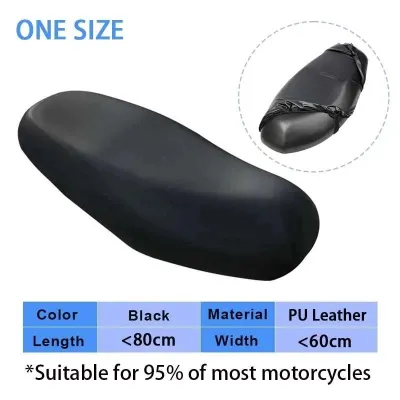
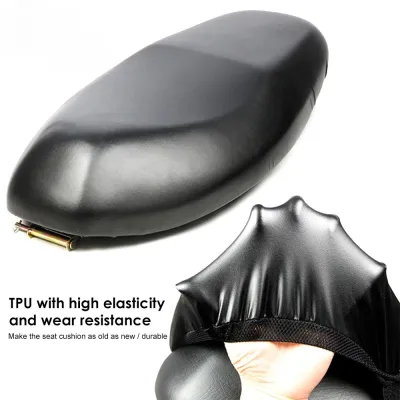

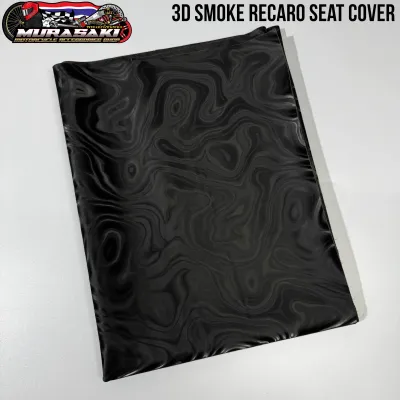
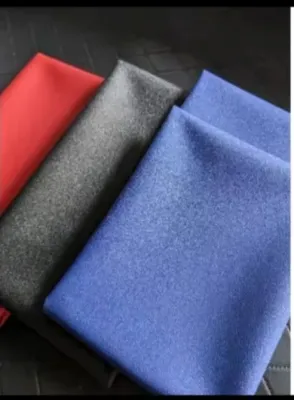
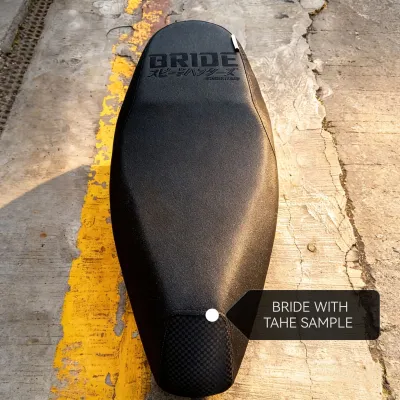
Prices are valid at publication and may change. Please refer to the product page for the latest price.
Your daily routine and parking environment should heavily influence your choice. For instance, if your motorcycle is parked in an open, unshaded lot during your work shift, prioritizing heat-resistant materials like 3D air mesh will prevent the painful “burning” sensation when you mount the bike at the end of the day. Conversely, if you frequently ride during the wet season and park your bike where it is exposed to the elements, a fully waterproof cover is essential to keep the underlying seat foam dry and prevent mold growth. Riders who face long-distance commutes on poorly paved roads will benefit most from the vibration-dampening properties of gel or foam inserts.
Regardless of the material you choose, prioritizing exact model compatibility over generic “universal” fits is vital. Universal covers often rely on excessive stretching to fit a wide range of seat shapes, which can lead to loose fabric, bunching, or premature wear at the seams. A loose-fitting cover can slide under your body during cornering, compromising your control over the motorcycle. Opting for a cover designed specifically for your motorcycle’s make, model, and year ensures proper tension, a clean aesthetic, and a secure fit that maintains riding safety.
Best Seat Cover Materials for Heat, Rain, and Long Rides
Matching the physical properties of different seat cover materials to your specific commuting patterns is the most effective way to ensure long-term comfort and durability. However, simply looking at material names on a product listing is not enough to guarantee performance. You must carefully examine the structural design, material thickness, and manufacturer specifications of each cover to verify that it can withstand the rigors of daily use.

3D Air Mesh for Breathability and Heat Reduction
The 3D air mesh seatcover for motorcycle riders is specifically engineered to combat the intense heat of tropical climates. This material utilizes a specialized spacer fabric structure, featuring a top and bottom mesh layer separated by millions of vertical micro-polyester fibers. This unique design creates a continuous, highly breathable air gap between your body and the base seat of the motorcycle. When you ride, air flows freely through this gap, facilitating rapid heat dissipation and moisture evaporation, which prevents sweat buildup and keeps the seat surface remarkably cool even during midday sun exposure.
This cooling effect is highly beneficial for daytime commuters who must park their vehicles in open, sun-drenched parking spaces. Standard vinyl seats absorb and retain solar radiation, often reaching temperatures that can cause physical discomfort or even minor skin irritation upon contact. A 3D air mesh cover acts as a thermal barrier, ensuring that the seat remains touch-safe and comfortable even after hours of direct exposure to the sun. Additionally, the springy nature of the spacer fibers provides a mild, cushioned feel that helps distribute weight more evenly than flat vinyl.
However, 3D air mesh has distinct limitations when it comes to wet weather. Because the material is highly porous to allow airflow, it will absorb and hold water during heavy rain showers. If you leave your bike parked in the rain with a mesh cover installed, the spacer fabric will act like a sponge, holding moisture that will transfer directly to your clothes when you sit down. To mitigate this, riders who commute during the monsoon season must either remove the mesh cover when parking in the rain, use a secondary waterproof rain cover, or ensure their base seat vinyl is completely sealed so water does not seep into the underlying foam.
When shopping for a 3D air mesh cover, it is important to check the density and stiffness of the mesh structure. Low-quality, thin mesh covers will flatten completely under your body weight, eliminating the air gap and defeating the primary purpose of the product. Look for high-density, multi-layered mesh that offers resistance when compressed by hand, ensuring that the air gap remains functional even under the full weight of a rider and a passenger.
Waterproof and Neoprene Covers for Rainy Seasons
For commuters who prioritize wet-weather protection, seat covers made from neoprene, coated polyester, or heavy-duty nylon offer an excellent defense against the elements. Neoprene, the synthetic rubber material used in wetsuits, is inherently waterproof, highly durable, and offers a comfortable, slightly cushioned texture. Coated polyester and heavy-duty nylon covers rely on specialized polyurethane (PU) or polyvinyl chloride (PVC) backing layers to repel water, ensuring that rain slides off the surface rather than soaking into the seat.
The primary advantage of a waterproof cover is its ability to protect the underlying polyurethane seat foam from moisture penetration. Once motorcycle seat foam becomes saturated with water, it can take days to dry completely, leading to an unpleasant damp sensation every time you ride. Over time, trapped moisture within the foam can cause the material to rot, lose its structural integrity, and develop mold or mildew, which creates unpleasant odors and potential health hazards. A high-quality waterproof cover keeps the foam dry, extending the lifespan of your original seat.
The primary trade-off with waterproof materials is their tendency to trap heat and moisture against your body. Because these materials are non-porous, they do not allow air to circulate, which can lead to localized sweating during long, hot rides. Furthermore, some smooth waterproof plastics or vinyls can become extremely slippery when wet, causing you to slide forward during sudden stops or feel unstable while cornering in the rain.
To address these drawbacks, look for waterproof covers that feature a textured, high-traction top surface to maintain grip even when wet. Additionally, choose models with sealed or taped seams, as water can easily penetrate the stitching holes of standard sewn seams during heavy downpours. Some advanced waterproof covers also incorporate a breathable backing layer or a hybrid design that combines waterproof side panels with a water-resistant, textured seating area to balance moisture protection with heat management.
Gel and Memory Foam Pads for Stop-and-Go Comfort
Riders who face long, grueling commutes through heavy urban traffic often suffer from physical fatigue, numbness, and lower back pain caused by prolonged sitting and constant road vibrations. Gel inserts and memory foam layers are designed specifically to address these ergonomic challenges by distributing body weight across a larger surface area, thereby reducing pressure points on your tailbone and sit bones. These materials excel at absorbing high-frequency road vibrations and sharp impacts from uneven pavement, potholes, and speed bumps.
It is helpful to understand the structural differences between the available padded options. Full seat replacements involve removing your original seat cover and foam to install a custom-shaped gel or foam core, which offers the cleanest look and most integrated feel. Slip-on padded covers stretch over your existing seat, providing an easy-to-install layer of cushioning. Standalone cushion pads are independent units that strap onto the top of your existing seat using adjustable webbing, allowing you to remove them easily when parking in high-risk areas.
While thick padding offers superior comfort, it can significantly alter your riding ergonomics. Adding a thick gel or foam pad raises your riding height, which can make it more difficult to plant your feet firmly on the ground when stopped—a critical safety consideration for shorter riders navigating stop-and-go city traffic. It can also slightly alter your reach to the handlebars and footpegs, shifting your center of gravity. Always check the thickness specifications of any padded cover and consider how it will affect your ability to control the motorcycle safely.
To ensure stability and safety, any padded seat cover must feature a high-traction, non-slip top fabric. Without sufficient surface grip, the added height and cushioning can make you feel disconnected from the motorcycle’s chassis, causing you to slide around during acceleration, braking, or cornering. Look for pads that utilize heavy-duty, textured materials on the seating surface and robust fastening straps to keep the cushion firmly anchored to the seat frame.
Essential Features to Verify Before Purchase
Before purchasing a seatcover for motorcycle use, it is essential to conduct a thorough verification of its design features to ensure it is safe, durable, and compatible with your vehicle.
First, inspect the cover’s anti-slip backing. The underside of the cover—the side that makes direct contact with your motorcycle’s original vinyl seat—must feature a high-friction material, such as a rubberized coating or a dense pattern of silicone grip dots. This backing is critical for preventing the cover from shifting, bunching, or sliding under your weight when you lean into a turn or apply the brakes suddenly. A cover that slides easily against the base vinyl is a major safety hazard that can compromise your balance and control.
Second, evaluate the fastening system used to secure the cover. Common designs include elastic skirts, drawstrings, and adjustable strap-and-buckle systems that run underneath the seat pan. While elastic skirts and drawstrings offer quick installation, they can loosen over time as the elastic degrades from heat exposure. Adjustable nylon straps with quick-release plastic buckles provide the most secure and adjustable fit, allowing you to pull the cover taut across the seat contours. Ensure that any buckles or straps are positioned so they do not pinch electrical wiring under the seat, scratch your motorcycle’s painted side panels, or come into contact with hot exhaust components.
Third, look for UV-resistant stitching. The intense tropical sun in the Philippines degrades standard polyester or cotton sewing threads rapidly, leading to split seams and frayed edges within a few months of daily outdoor parking. High-quality seat covers utilize heavy-duty, UV-treated nylon or bonded polyester threads that resist solar degradation and maintain seam strength under constant tension. Inspect the stitching closely; it should be double-stitched or reinforced at high-stress areas, such as the corners and strap attachment points.
Fourth, verify that the installed cover does not obstruct critical safety components or mechanical operations. The cover must not block or obscure your tail lights, rear turn signals, or passenger grab rails. Additionally, it should not interfere with the seat’s latching mechanism, lock cylinder, or the hinges that allow you to access the under-seat storage compartment (U-box) or fuel cap. If the cover is too thick or poorly fitted, it may prevent the seat from locking securely, leaving your helmet and personal belongings vulnerable to theft.
Finally, perform precise measurements of your motorcycle’s seat before making a purchase. Do not rely solely on generic compatibility claims such as “fits all scooters” or “universal fit for underbone motorcycles.” Use a flexible measuring tape to measure the maximum length, width, and vertical contour profile of your seat. Cross-reference these dimensions with the manufacturer’s detailed sizing chart. If your motorcycle has a stepped or highly contoured seat, look for covers specifically designed to accommodate those shapes to prevent the fabric from bridging across the dip, which reduces contact area and compromises support.
Installation, Care, and Maintenance
Proper installation and consistent maintenance are essential for maximizing the lifespan, safety, and hygiene of your motorcycle seat cover. When installing the cover, begin by cleaning the original vinyl seat thoroughly to remove any dust, dirt, or slippery silicone-based vinyl polishes, which can cause the cover to slide. Stretch the cover evenly over the seat from front to back, ensuring that the seams align correctly with the edges of the seat pan. Pull the fastening straps taut, securing them underneath the seat pan while ensuring they are tucked away from moving parts, such as the rear wheel, drive chain, belt drive, or suspension components.
Routine cleaning methods must be tailored to the specific material of your seat cover to prevent damage. For waterproof neoprene, coated polyester, or vinyl covers, wipe the surface down regularly using a soft microfiber cloth, warm water, and a mild, pH-neutral dish soap. Avoid using harsh chemical detergents, bleach, or abrasive scrubbing pads, which can strip away water-repellent coatings and damage the material’s texture. For 3D air mesh covers, remove the cover periodically to shake out trapped dust, sand, and road grit. You can wash mesh covers by hand in a bucket of soapy water, rinsing thoroughly to remove all soap residue.
Proper drying and storage are critical for preventing hygienic issues and material degradation. After washing or riding through a heavy rainstorm, always allow the seat cover to air-dry completely in a well-ventilated, shaded area before reinstalling it on the motorcycle. Never reinstall a damp cover, as trapped moisture between the cover and the base vinyl creates an ideal environment for mold, mildew, and bacteria to thrive. This can cause unpleasant odors, degrade the original seat foam, and potentially transfer bacteria to your riding gear or skin.
Always prioritize safety by following the specific care and maintenance instructions provided on the product’s label or manufacturer documentation. If you notice that your seat cover has developed severe stretching, deep tears, frayed stitching, or has lost its anti-slip properties, replace it immediately. A compromised seat cover that slips or bunches during a ride poses a direct safety risk by reducing your stability and control over the motorcycle.
Frequently Asked Questions (FAQ)
Can I use a universal seat cover on a scooter?
While some universal seat covers can stretch to fit over a scooter’s seat, they rarely provide an optimal or safe fit. Scooters typically feature wider, flatter, and shorter seat profiles compared to standard underbone or backbone motorcycles, often with a distinct step to accommodate under-seat storage. A universal cover stretched over these unique contours is prone to loose pockets, bunching, and shifting during rides. To ensure proper tension, secure fastening, and reliable anti-slip performance, it is highly recommended to purchase a seat cover specifically patterned and sized for your scooter’s exact model.
Does a dark-colored seat cover get significantly hotter in the sun?
Dark colors, particularly solid black, absorb more solar radiation and heat up faster than lighter colors when exposed to direct sunlight. However, the physical structure of the seat cover material plays a far more critical role in heat retention than color alone. For example, a black 3D air mesh cover will remain significantly cooler to the touch than a light-colored solid vinyl cover, because the mesh’s open spacer fabric allows continuous airflow and prevents heat from trapping on the surface. If you must park in direct sunlight, prioritize breathable structural designs like 3D mesh over color selection.
How do I prevent my seat cover from slipping during rides?
To prevent slipping, first ensure that the original vinyl seat is completely clean and free of slick detailing sprays or silicone polishes before installing the cover. Next, verify that the fastening straps or drawstrings are pulled completely taut and locked securely under the seat pan. If the cover continues to slip because it lacks an integrated high-traction backing, you can place a separate, thin non-slip rubber mesh liner (similar to those used under area rugs) between the original seat and the cover, or upgrade to a seat cover designed with a high-friction silicone-dot backing.

Community discussion
Share your experience or ask a question. Comments are reviewed before publication.