
Navigating the daily commute on Philippine roads presents a unique set of challenges for motorcycle riders. From the intense heat of the tropical sun during the dry season to sudden, heavy downpours during the monsoon months, your motorcycle is constantly exposed to harsh environmental elements. Spending hours in slow-moving traffic on major thoroughfares or provincial highways can quickly lead to physical fatigue if your seating setup is inadequate. Investing in a high-quality cover ng upuan ng motor (motorcycle seat cover) is one of the most practical upgrades you can make to protect your bike and improve your daily riding comfort.
When searching for the right seat cover, weather resistance should be your primary consideration. Instead of relying solely on generic material names, it is essential to check manufacturer labels and product descriptions for verified ultraviolet (UV) protection and water-repellent treatments. A cover that lacks UV stabilization will quickly fade, crack, and degrade under intense sunlight, while a non-treated cover can absorb water during a rainstorm, leaving you with a damp seat long after the rain has stopped.
Ergonomics and padding also play a critical role in reducing fatigue during long commutes. Many riders look for seat covers featuring integrated gel inserts or high-density foam layers. When evaluating these options, review the product specifications to confirm if the padding is designed for vibration dampening. High-density foam helps distribute your weight evenly, reducing pressure points, while gel inserts are excellent for absorbing high-frequency road vibrations from uneven asphalt and potholes.
Products mentioned in this guide
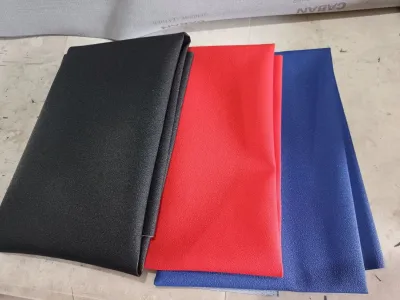
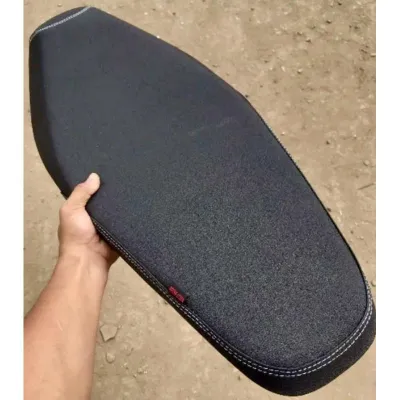
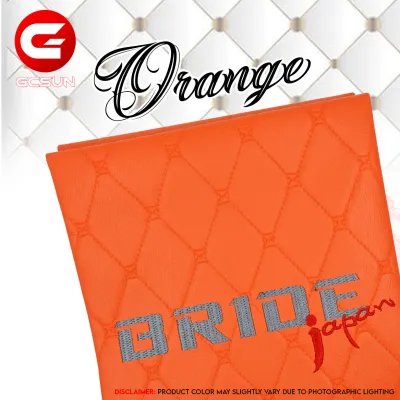
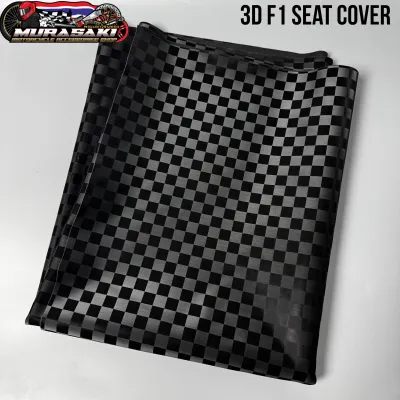
Prices are valid at publication and may change. Please refer to the product page for the latest price.
Finally, pay close attention to the grip and texture of the seat cover. A good commuter seat cover must balance two competing needs: providing enough non-slip texture to keep you securely positioned during sudden braking, while maintaining smooth areas along the sides to allow for easy mounting and dismounting. A cover that is too slippery can cause you to slide forward constantly, straining your wrists and knees, while an overly aggressive grip can restrict your natural movement and cause discomfort over long distances.
Evaluating Seat Cover Materials for Tropical Conditions
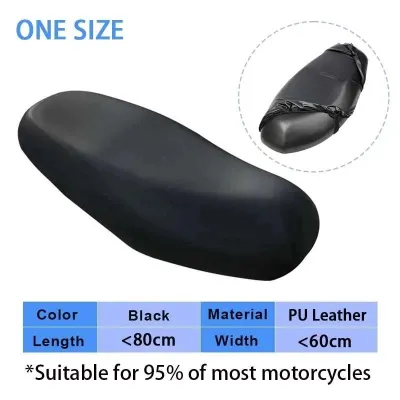
Choosing the right material for your seat cover requires understanding how different textiles perform under tropical conditions. Synthetic leather and vinyl remain popular choices due to their classic appearance and excellent water resistance. When evaluating synthetic leather, check the product specifications for thickness ratings—usually measured in millimeters—and look for options with a reinforced polyester or knit backing, which provides better tear resistance. Additionally, look for manufacturers that specify heat-resistant or heat-reflective properties, as standard dark vinyl can become painfully hot when parked in direct sunlight.
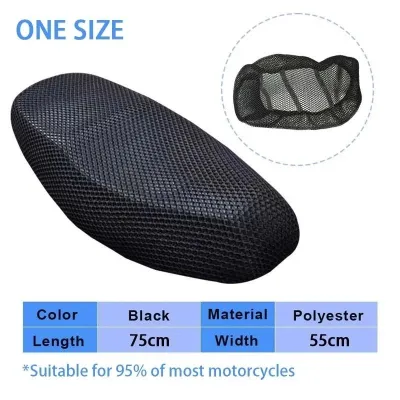
For riders prioritizing temperature control, mesh and 3D spacer fabrics offer an alternative solution. These covers feature a three-dimensional honeycomb structure that allows air to flow freely beneath the rider, significantly reducing heat buildup. When choosing a mesh cover, verify the airflow specifications and structural durability directly from the manufacturer’s data. Look for high-density polyester mesh that resists collapsing under your weight, ensuring the air channels remain open even during extended rides. It is also important to check for quick-dry properties, as mesh covers will let water pass through to the original seat but should dry rapidly once the rain stops.
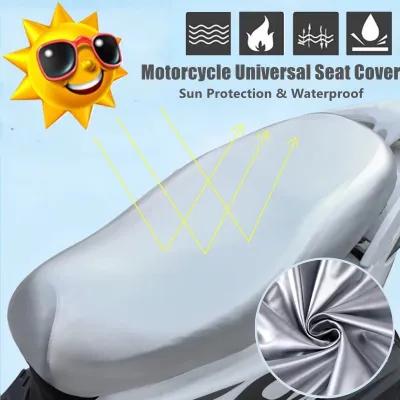
Neoprene and specialized waterproof textiles provide another layer of protection, particularly for riders who frequently commute during the rainy season. If you are considering a waterproof textile cover, review the product details for seam-sealing specifications and water-column ratings, which indicate how much water pressure the fabric can withstand before leaking. Always check the manufacturer’s washing instructions, as improper cleaning can strip away the specialized waterproof coatings or damage the elastic properties of the material.
To help you decide which material aligns with your daily riding habits, consider the following comparison framework:
| Material Type | Heat Reflection | Water Resistance | Grip Level | Best Use Case |
|---|---|---|---|---|
| 3D Spacer Mesh | Excellent (High airflow) | Low (Water passes through) | Medium | Continuous daytime riding in hot weather |
| Synthetic Leather / Vinyl | Moderate (Can absorb heat) | High (Waterproof surface) | Medium to High | All-weather protection and classic styling |
| Neoprene / Waterproof Textile | Moderate | Excellent (Sealed seams) | High | Heavy rainy season commuting |
Verifying Fitment and Compatibility With Your Motorcycle
To ensure your new seat cover provides optimal comfort and safety, you must verify its fitment and compatibility with your specific motorcycle model. A loose cover can slide around while you ride, compromising your control, while an overly tight cover can strain the seams and damage the underlying seat foam.

Before making a purchase on any e-commerce platform, take precise physical measurements of your motorcycle’s seat using a flexible tape measure. Follow this step-by-step checklist:
- Seat Length: Measure from the front tip near the fuel tank or chassis joint, following the curve of the seat, to the very back edge.
- Maximum Width: Measure the widest section of the rider's seat area, and separately measure the widest section of the passenger (pillion) area if applicable.
- Contour Depth: Measure the vertical distance from the top surface of the seat down to the bottom edge where the cover will wrap underneath the seat pan.
Once you have these measurements, decide whether a universal or custom-fit seat cover is right for your needs. Universal covers are highly adjustable and budget-friendly, but they may require careful tensioning to prevent bunching. Custom-fit covers are tailored to specific motorcycle models—such as underbones, scooters, or backbone bikes—offering a seamless, factory-like appearance, though they often require more effort to install.
Next, evaluate the mounting mechanisms used by the cover. Common options include elastic drawstrings, hook-and-loop straps, and adjustable buckle systems. Check these mechanisms against your motorcycle’s under-seat structure. Ensure the straps will not interfere with the seat latch, battery terminals, or under-seat storage compartments. Additionally, verify that no part of the mounting system or excess strap length comes close to hot engine components or the exhaust system. Always cross-reference your physical measurements with the seller’s dimension charts to guarantee a secure fit.
Installation Checks, Maintenance, and Safety Boundaries
Proper installation and regular maintenance are vital to ensure your seat cover remains safe and functional throughout its lifespan. Before installing your new cover, perform a thorough pre-installation check. Clean the original seat surface to remove dirt and debris, and ensure it is completely dry. Trapping moisture between the original seat and a waterproof cover can lead to mold growth, unpleasant odors, and the gradual degradation of the seat’s internal foam.
When securing the cover, pay close attention to safety boundaries. Ensure all straps, buckles, or drawstrings are tightly fastened and tucked away. No loose fabric or dangling cords should ever be allowed to interfere with the rear wheel, drive chain, belt guard, exhaust pipe, or passenger footpegs. After securing the cover, sit on the motorcycle and shift your weight to confirm the cover does not slide or bunch up under pressure.
To maintain the integrity of your seat cover, follow the manufacturer’s cleaning protocols strictly. Avoid using harsh chemical cleaners, bleach, or high-pressure washers, as these can strip away UV-protective coatings, degrade waterproof barriers, or damage specialized grip textures. Instead, wash the cover by hand using mild soap, lukewarm water, and a soft-bristled brush, then allow it to air dry completely in a shaded area.
Finally, recognize when it is time to seek professional help. If your motorcycle’s original seat foam is already severely torn, sagging, or waterlogged, simply adding a seat cover will not restore comfort or support. In such cases, consult a professional upholsterer to repair or replace the underlying foam before installing a new cover.
Frequently Asked Questions (FAQ)
Can I install a custom-fit seat cover without removing the seat?
Installing a custom-fit seat cover typically requires removing the seat assembly from the motorcycle frame. This is because custom-fit designs rely on precise tensioning, which involves wrapping the cover tightly around the seat pan and securing it underneath using heavy-duty staples, tension straps, or hook-and-loop fasteners. Removing the seat gives you full access to the underside, allowing you to distribute tension evenly and prevent wrinkles. While some slip-on universal covers can be installed while the seat is attached, a true custom-fit cover requires seat removal for a secure and safe installation.
How do I know if a seat cover will fit a modified or aftermarket seat?
If you have modified your motorcycle’s seat by adding extra cushioning, shaving down the foam, or replacing it with an aftermarket seat, standard model compatibility charts will no longer apply. To find a cover that fits, you must take new physical measurements of the modified seat’s length, width, and contour depth. Do not rely on the motorcycle’s original factory specifications. Compare your new measurements directly with the detailed dimension charts provided by seat cover manufacturers or sellers on online marketplaces to find a compatible size.
Are there specific seat covers designed for pillion passengers?
Yes, many seat covers are designed with the comfort and safety of pillion passengers in mind. When browsing product descriptions, look for covers that feature extended rear coverage or dedicated dual-zone padding, which provides separate cushioning for both the rider and the passenger. Additionally, ensure the cover’s mounting straps do not block passenger grab rails, footpegs, or top box mounting brackets. Non-slip textures are particularly important for the pillion section to prevent the passenger from sliding forward into the rider during sudden stops.

Community discussion
Share your experience or ask a question. Comments are reviewed before publication.