
Navigating daily commutes in the Philippines presents a unique set of challenges for motorcycle riders. From the grueling, stop-and-go traffic of major urban thoroughfares to the intense tropical heat and sudden, torrential afternoon downpours, your motorcycle’s seat takes a beating. Finding the right sit cover for motorcycle commuting is one of the most practical upgrades you can make to improve your daily ride.
The ideal seat cover must address physical discomfort from hours in the saddle while standing up to harsh environmental elements. Because no single cover excels at everything, selecting the most suitable option requires matching your specific daily route, weather exposure, and physical comfort needs to the right material design.
Key Factors for Choosing a Commuter Seat Cover
To choose a seat cover that will genuinely improve your daily commute, you must first evaluate your typical riding environment and physical requirements. The first major consideration is shock absorption. If your daily route involves navigating uneven urban roads, potholes, speed bumps, or unpaved sections, a cover with robust cushioning is essential. Prolonged vibration and sudden impacts from road imperfections can lead to lower back fatigue and tailbone pain, making high-density padding a priority for long-distance commuters.
Products mentioned in this guide
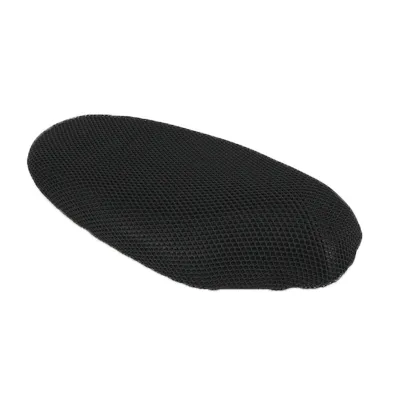
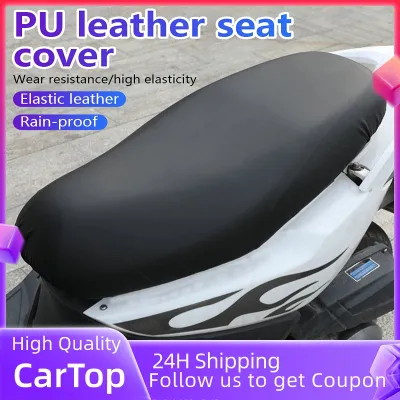
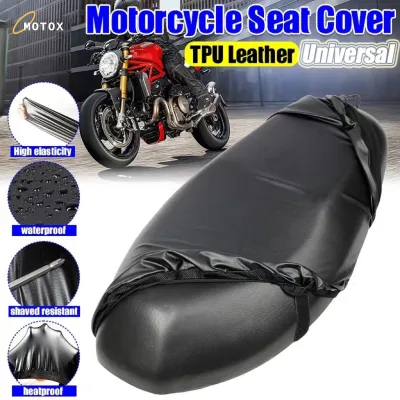
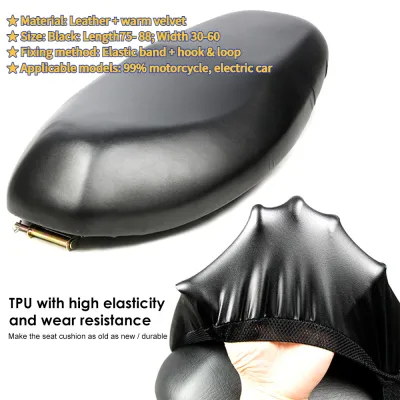
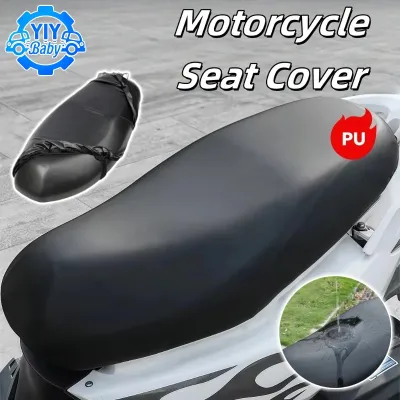
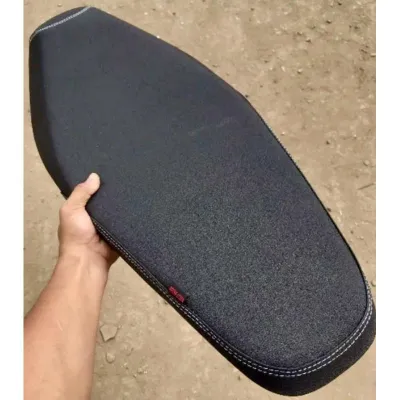
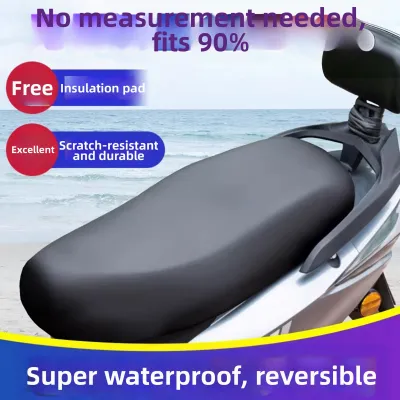
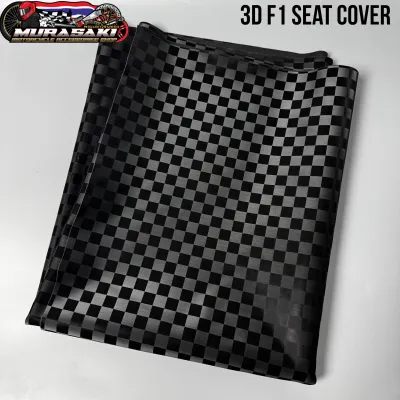
Prices are valid at publication and may change. Please refer to the product page for the latest price.
The second critical factor is heat dissipation and breathability. In a tropical climate, a motorcycle parked in an open lot can quickly reach scorching temperatures. Sitting on a hot vinyl seat not only causes immediate discomfort but also leads to excessive sweating and skin irritation during long rides. A seat cover that facilitates airflow between your body and the saddle helps regulate temperature, keeping you dry and comfortable even during midday traffic jams.
Weather resistance and drying speed are equally vital. The Philippine weather can transition from intense sunshine to a sudden tropical thunderstorm in minutes. A seat cover that absorbs water like a sponge will leave you riding on a wet cushion for days, leading to mold, unpleasant odors, and ruined clothing. You need to look for materials that either repel water completely or are engineered to dry rapidly when exposed to wind and sun.
Finally, secure mounting mechanisms are essential for rider safety. A seat cover that slides or shifts when you accelerate, brake, or lean into a turn can compromise your control over the motorcycle. Look for covers with adjustable, heavy-duty straps, non-slip backing materials, or custom-fit elastic borders that wrap tightly around your specific seat model. Ensuring a snug, immovable fit prevents distractions and keeps your riding posture stable.
Comparing Seat Cover Types for Urban Traffic
Aftermarket motorcycle seat covers generally fall into three primary categories, each designed to solve specific commuting problems. Understanding the fundamental trade-offs between these designs is key to making an informed decision. While some covers focus entirely on plush, impact-absorbing comfort, others prioritize maximum ventilation or complete weatherproofing.

The primary trade-off you will encounter is between cushioning and airflow. Thicker, denser materials like gel and memory foam excel at distributing your weight and absorbing road vibrations, but they tend to trap heat and retain moisture. Conversely, open-structure designs like mesh and wooden beads offer excellent ventilation and dry almost instantly, but they provide very little physical padding. Balancing these characteristics depends on whether your commute is a slow, hot crawl through city traffic or a bumpy ride across poorly maintained roads.
Gel and Memory Foam Pads
For riders who experience significant physical fatigue, lower back soreness, or tailbone pressure during long commutes, gel and memory foam pads offer a high level of comfort. These materials work by distributing your body weight evenly across the entire surface of the seat, eliminating the localized pressure points that cause numbness and pain. Gel pads are particularly effective at dampening high-frequency engine vibrations and sharp road impacts, making them an excellent choice for older motorcycles or routes with rough pavement.
However, dense cushioning materials come with notable heat retention issues. Both gel and memory foam naturally absorb and hold onto heat, especially when the motorcycle is parked under direct sunlight. If left uncovered, a gel pad can become uncomfortably hot and take a long time to cool down. To mitigate this, high-quality gel and foam seat covers are typically designed with a breathable, light-colored outer fabric layer or a textured top surface that promotes minor air circulation.
When choosing a gel or foam cover, it is crucial to check the thickness and density specifications. Adding a thick pad to your saddle will inevitably increase your overall seat height. For shorter riders, even a slight increase of one to two inches can make it difficult to plant both feet firmly on the ground when stopped at traffic lights. Always verify that the added height does not compromise your ability to balance the motorcycle safely in stop-and-go traffic, and ensure that the modified riding posture does not put unnecessary strain on your wrists or shoulders.
Mesh and Bead-Style Covers
If your primary struggle during the daily commute is the intense tropical heat and sweat, mesh and bead-style covers offer an excellent, highly ventilated solution. Wooden bead seat covers, a classic choice among professional riders and long-distance commuters, consist of polished beads woven together with heavy-duty cord. This design creates a significant physical air gap between your body and the vinyl seat, allowing air to circulate freely beneath you as you ride. The beads also provide a mild massaging effect that can help maintain blood circulation during long periods of sitting.
Similarly, 3D mesh covers—often made from durable synthetic polymers—feature a honeycomb or net-like structure that keeps your body elevated off the hot seat surface. This open-air design ensures that even when the motorcycle has been parked in the sun, the seat remains cool to the touch and does not trap heat against your body. Additionally, because these covers do not absorb water, any rain that falls on them simply drains through the mesh, allowing the surface to dry almost instantly once the rain stops.
The main limitation of mesh and bead-style covers is their lack of significant shock absorption. While they prevent sweating and heat buildup, they offer very little cushioning against potholes, speed bumps, and rough roads. On exceptionally long rides, the firm texture of wooden beads or the stiff structure of heavy-duty mesh can become uncomfortable against thin clothing. These covers are best suited for riders who prioritize temperature regulation and dry seating over plush, cloud-like comfort, and those who wear durable commuting trousers or riding gear.
3D Spacer Fabric and Waterproof Covers
For commuters seeking a balanced, all-weather solution, 3D spacer fabric and specialized waterproof covers offer a compelling middle ground. 3D spacer fabric is a technical textile constructed with two outer layers of mesh separated by a vertical micro-filament layer. This unique structure creates a highly breathable, springy cushion that provides moderate shock absorption while maintaining excellent airflow. Because the internal filaments are resilient, they do not collapse completely under your weight, ensuring that the air gap remains functional throughout your ride.
One of the greatest advantages of 3D spacer fabrics is their ability to dry rapidly after sudden rain showers. The open structure allows water to pass through and drain away quickly, and the synthetic fibers do not retain moisture. This makes them highly practical for the unpredictable weather patterns of the wet season, where you may encounter multiple heavy downpours in a single day.
When shopping for weather-focused covers, it is important to distinguish between water-resistant and fully waterproof materials by carefully reading manufacturer labels. Water-resistant covers are designed to repel light rain and dry quickly, but they may eventually allow water to seep through during prolonged exposure. Fully waterproof covers, often made from heavy-duty vinyl, neoprene, or treated PVC, block water entirely, protecting the underlying seat foam from moisture damage. However, fully waterproof covers typically offer very little breathability, meaning they can become hot and sweaty in dry weather.
Additionally, you should check product specifications for UV resistance. The intense sun exposure common in tropical climates can rapidly degrade synthetic fabrics, causing them to fade, become brittle, and tear over time. Choosing a seat cover treated with UV-inhibiting agents ensures that the material remains flexible and durable, extending its lifespan through years of daily exposure to the elements.
Installation, Fit, and Safety Checks
Installing an aftermarket seat cover is generally a straightforward process, but it must be done with careful attention to safety and vehicle functionality. Before purchasing, always verify that the cover is compatible with your specific motorcycle model, seat dimensions, and mounting style. A poorly fitting cover can shift unexpectedly during a ride, creating a serious safety hazard.
When installing the cover, pay close attention to how the mounting straps, hooks, or elastic bands are routed beneath the seat. Ensure that the straps do not interfere with the under-seat storage (U-box) latching mechanism, seat hinges, or any electrical wiring and battery terminals located under the saddle. The seat must be able to lock securely into place without forcing the latch, as a loose seat can detach while riding.
Furthermore, verify that the installed cover does not block or obscure critical safety components. The edges of the cover must not drape over or cover the tail lights, rear turn signals, or passenger grab rails. If your motorcycle has a split-seat design or a highly irregular seat shape, standard universal covers may not fit securely. If the cover does not sit flat, bunches up, or slides despite tightening the straps, stop the installation immediately. In such cases, consult the manufacturer’s instructions or seek assistance from a professional motorcycle upholstery shop to ensure a safe, custom fit.
Maintenance and Cleaning for Longevity
To maximize the lifespan of your motorcycle seat cover and maintain a hygienic riding environment, regular cleaning and maintenance are essential. Because seat covers are constantly exposed to sweat, road dust, exhaust fumes, and rainwater, they can quickly accumulate dirt and bacteria if left uncleaned.
Always refer to the manufacturer’s care label for specific cleaning instructions. For mesh, 3D spacer fabrics, and bead-style covers, a gentle hand wash using mild soap and lukewarm water is generally the safest method. Avoid using harsh chemical detergents, bleach, or stiff-bristled brushes, as these can break down synthetic fibers, strip away UV-resistant coatings, and damage elastic straps. For gel and foam pads with removable covers, unzip the outer cover and wash it separately, taking care not to submerge the inner gel or foam core unless explicitly authorized by the manufacturer.
Proper drying is critical to preventing the growth of mold and mildew, especially in highly humid tropical environments. After washing, allow the seat cover to air dry completely in a well-ventilated, shaded area. Avoid placing synthetic covers in a mechanical dryer or exposing them to direct, intense sunlight while wet, as extreme heat can warp the materials and degrade the elastic components.
Finally, perform regular visual inspections of your seat cover. Check the condition of the mounting straps, plastic buckles, and elastic borders for signs of fraying, cracking, or loss of elasticity. Inspect the cushioning material to ensure it has not permanently compressed or lost its supportive properties. Replacing a worn-out seat cover before it fails completely ensures that your daily commute remains comfortable, safe, and dry.
Frequently Asked Questions (FAQ)
Can I use a car seat cover on my motorcycle?
Using a car seat cover on a motorcycle is highly discouraged due to significant differences in design, mounting mechanisms, and safety requirements. Car seat covers are designed for wide, flat automotive seats and rely on mounting points that do not exist on a motorcycle. Attempting to drape or secure a car cover onto a narrow motorcycle saddle will result in a loose, unstable fit. This loose material can easily slip or bunch up while you are riding, shifting your weight unexpectedly and compromising your control over the motorcycle. Additionally, excess fabric can hang down and interfere with moving parts, such as the rear wheel or drive chain, or come into contact with hot exhaust components, creating a severe safety hazard.
Do seat covers affect the resale value of my motorcycle?
Using a high-quality, properly fitted seat cover generally has a positive effect on the resale value of your motorcycle. The original vinyl upholstery on a motorcycle seat is highly susceptible to cracking, fading, and tearing when exposed to daily sun, rain, and physical wear. By keeping a protective cover installed, you shield the original seat from these damaging environmental factors, preserving its factory-fresh condition. When it comes time to sell the motorcycle, you can simply remove the aftermarket cover to reveal an undamaged, clean original seat, which is highly appealing to potential buyers. To maximize this benefit, ensure that the seat cover’s mounting straps do not scratch the surrounding plastic bodywork or paint during use.

Community discussion
Share your experience or ask a question. Comments are reviewed before publication.