
Finding a purple helmet for women in the Philippines requires balancing personal style with strict safety certifications and budget-friendly features. While the vibrant purple aesthetic stands out on the road, the primary focus must always remain on certified impact protection, proper fitment, and climate-appropriate ventilation to handle local tropical heat. Riders do not need to compromise safety for style, as certified options exist across entry-level, mid-range, and premium price points. This guide breaks down how to verify legitimate safety markings, what features to expect at different price tiers in Philippine Pesos (₱), and how to ensure a secure fit.
Choosing a helmet is one of the most critical decisions a motorcycle rider can make. The helmet serves as the primary barrier against head injuries, making its structural integrity paramount. When searching for a specific color like purple, it is easy to get distracted by aesthetic appeal and overlook the underlying safety specifications. By understanding what makes a helmet safe and comfortable, you can confidently select a model that matches your personal style while providing reliable protection on busy highways and city streets.
Decoding Safety Certifications and Labels
Before evaluating the color, design, or price of a purple helmet for women, verifying its safety credentials is the absolute first step. In the Philippines, all motorcycle helmets must comply with national safety standards enforced by the Department of Trade and Industry (DTI). For imported helmets, this compliance is indicated by the Import Commodity Clearance (ICC) sticker. This sticker is typically blue, silver, or green and features a unique serial number and a hologram that is difficult to replicate. It is usually affixed to the rear of the helmet shell, making it easily visible to traffic enforcers and buyers alike.
Products mentioned in this guide
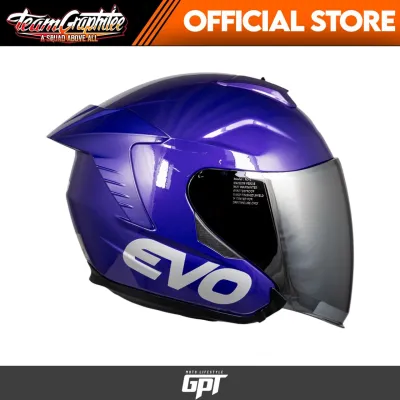
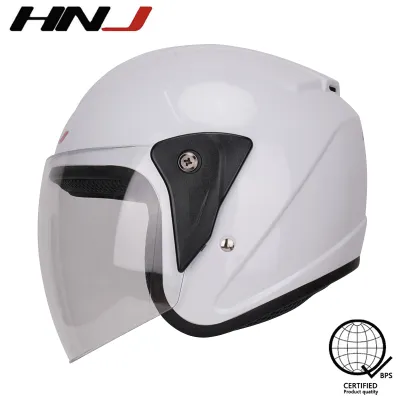
Prices are valid at publication and may change. Please refer to the product page for the latest price.
In addition to the ICC sticker, look for international safety standards that indicate rigorous testing. The most common standards found on quality helmets are DOT (Department of Transportation, US standard) and ECE (Economic Commission for Europe, specifically ECE 22.05 or ECE 22.06). Unlike the ICC sticker, which is applied upon import, DOT and ECE markings are usually painted or permanently printed on the back of the helmet under the clear coat during manufacturing. ECE 22.06 is the newer, more stringent European standard that tests for rotational forces and multi-directional impacts, offering a higher level of safety assurance.
Recognizing counterfeit or uncertified gear is vital for your safety on the road. Fake helmets often flood the market, sporting replica stickers that mimic official certifications. Red flags include stickers that peel off easily with a fingernail, misspelled words on the certification label, or the complete absence of a traceable serial number. If a seller cannot provide documentation or if the price seems too low for a certified brand, the helmet is likely a counterfeit. Riding with an uncertified helmet exposes you to severe risks, as these sub-standard shells can easily shatter upon impact.
Setting Realistic Expectations Across Budget Tiers
Understanding what features are available at different price points helps you set realistic expectations when shopping for a purple helmet for women. Helmet prices in the Philippines generally fall into three distinct tiers: entry-level, mid-range, and premium. Each tier utilizes different materials, manufacturing processes, and comfort features, which directly affect the helmet’s weight, durability, and overall user experience.

Entry-level helmets, typically priced under ₱2,500, are widely accessible and provide basic certified protection. These helmets are almost exclusively constructed from Acrylonitrile Butadiene Styrene (ABS) plastic. While ABS is highly impact-resistant, it is inherently heavier than more advanced materials, which can lead to neck fatigue during long rides. At this price point, visors are usually basic clear plastic without advanced anti-scratch or anti-fog treatments. The interior padding is often non-removable or only partially removable, making it challenging to wash and maintain in the humid Philippine climate.
Mid-range helmets, ranging from ₱2,500 to ₱6,000, offer a significant upgrade in comfort, materials, and features. Shells in this tier are often made from advanced polycarbonate or lightweight thermoplastic blends, which reduce overall weight while maintaining high structural strength. Ventilation systems are much more sophisticated, featuring multiple active intake and exhaust ports that channel cool air across the scalp—a crucial feature for riding in tropical humidity. Additionally, mid-range helmets typically feature fully removable, washable, and hypoallergenic comfort liners, allowing you to keep the interior fresh and odor-free.
Premium helmets, priced above ₱6,000, represent the pinnacle of safety technology, aerodynamics, and comfort. These helmets utilize advanced composite shells made from fiberglass, carbon fiber, or aramid fibers. These materials offer exceptional strength-to-weight ratios, resulting in an incredibly lightweight helmet that minimizes neck strain. Premium models feature highly refined aerodynamics to reduce wind noise and buffeting at high speeds. Visors are often optical-class-1 rated, preventing visual distortion, and come Pinlock-ready with included anti-fog lens inserts. Specialized safety features, such as emergency quick-release cheek pads and multi-directional impact protection systems, are also common in this tier.
Evaluating Design and Comfort Features for Women
When selecting a purple helmet for women, ergonomic design and comfort features play a massive role in how often and how safely you ride. A helmet that is uncomfortable, heavy, or poorly ventilated will quickly become a burden, potentially distracting you from the road. Because physical proportions and facial structures vary, paying attention to specific design details ensures a pleasant riding experience.
Helmet weight is a critical consideration, especially for female riders who may have less neck muscle mass. A heavy helmet can cause significant neck and shoulder strain, particularly during long commutes or stop-and-go traffic in urban areas. When shopping, look for the weight specification printed on the back of the helmet or in the product manual. Ideally, a full-face helmet should weigh between 1.3 to 1.5 kilograms. Choosing a well-balanced helmet with aerodynamic contours can also help reduce the perceived weight by minimizing wind resistance at higher speeds.
The shape and configuration of the interior padding are equally important for achieving a secure and comfortable fit. Many manufacturers design helmets with intermediate oval or round oval interior shapes to match different head profiles. Furthermore, some brands offer female-specific fitments or customizable cheek pads of varying thicknesses. This allows you to adjust the pressure around your jawline and cheeks, ensuring the helmet sits snugly without pinching. Look for liners made from moisture-wicking, quick-drying fabrics to manage sweat and prevent skin breakouts caused by trapped humidity.
Visor functionality and sun protection are essential for riding under the intense tropical sun. A built-in dual-visor system, which features an integrated drop-down dark sun shield, is highly practical for daytime riding. It allows you to transition quickly from bright sunlight to shaded areas or night riding without needing to swap visors. Ensure the main visor offers high UV protection to shield your eyes and face from harmful radiation. Additionally, look for visors with reliable anti-fog coatings or Pinlock compatibility to maintain clear visibility during sudden afternoon downpours when humidity levels spike.
Navigating Retail Channels and Avoiding Counterfeits
Finding a genuine, certified purple helmet for women requires careful selection of where you shop. The market is flooded with cheap, uncertified replicas that mimic the appearance of popular brands but offer zero protection in an accident. To protect your investment and your safety, you must navigate retail channels with caution and prioritize authorized sellers.
The safest way to purchase a helmet is through authorized physical dealers and official brand flagship stores. Visiting a physical store allows you to inspect the helmet’s build quality, verify the presence of legitimate ICC or PS stickers, and try on different sizes. Authorized dealers also provide manufacturer warranties, which cover defects in materials or workmanship. If you prefer to shop online, stick to official flagship stores on major e-commerce platforms. These stores are directly managed by the brands or their official distributors, ensuring that the product you receive is authentic.
Be highly suspicious of extremely low prices on general online marketplaces. If a helmet from a well-known, certified brand is listed at a fraction of its standard retail price, it is almost certainly a counterfeit. Counterfeiters often use low-grade plastics and cheap foam that fail to absorb impact energy, posing a severe safety hazard. Additionally, avoid purchasing used helmets from unknown sellers. A helmet is designed to absorb a single major impact; even if a used helmet looks perfect on the outside, its internal EPS (Expanded Polystyrene) liner may be compressed or damaged, rendering it useless in a crash.
Before finalizing your purchase, always check the retailer’s return and exchange policies. Because helmet sizing is highly specific and varies between brands, you may need to exchange the helmet if the fit is not correct. A reputable seller will have a clear, hassle-free return policy for sizing adjustments, provided the helmet is returned unused with all tags and protective films intact. Reliable after-sales support also ensures you can easily source replacement parts, such as replacement visors, cheek pads, or chin straps, when needed.
The Essential In-Store or At-Home Fitting Test
No matter how stylish or expensive a purple helmet is, it will not protect you effectively if it does not fit correctly. A helmet that is too loose can slip off during an accident, while a helmet that is too tight will cause painful pressure points and headaches. Conducting a thorough fitting test, whether in-store or at home, is essential to ensure maximum safety and comfort.
Start by measuring your head circumference accurately. Wrap a soft measuring tape horizontally around your head, about 2.5 centimeters above your eyebrows and ears. Take this measurement in centimeters and compare it to the specific size chart provided by the helmet manufacturer. Do not assume your size is the same across different brands, as a medium in one brand may correspond to a small or large in another. If your measurement falls between two sizes, it is generally recommended to opt for the smaller size, as the interior padding will compress slightly over time.
Once you put the helmet on and fasten the chin strap securely, perform the “shake test” to evaluate the fit. Shake your head vigorously from side to side and then up and down. The helmet should move in unison with your head, pulling the skin on your cheeks and forehead slightly. If the helmet rotates independently, slides down over your eyes, or slips backward, it is too large. Next, check the pressure distribution around your head. The helmet should feel snug and apply even pressure all around, without any localized hot spots or pain, particularly on your forehead or temples.
Keep the helmet on for at least 10 to 15 minutes while walking around the store or your home. This extended test allows you to identify any slow-developing pressure points that might cause discomfort during a long ride. If you wear eyeglasses or sunglasses, slide them on while wearing the helmet to ensure the temple arms fit comfortably in the designated channels without pressing into your head. Finally, check that the visor seals tightly against the rubber gasket when closed, preventing wind and rain from entering the eyeport.
Frequently Asked Questions (FAQ)
Does a purple helmet fade faster under the sun?
Intense tropical sunlight can degrade paint pigments over time, particularly vibrant colors like purple, red, or neon shades. To minimize fading, look for helmets with a UV-resistant clear coat finish. When not in use, store the helmet in its protective bag in a cool, shaded area rather than leaving it exposed on your motorcycle’s handlebar or seat. Regularly cleaning the shell with a mild, manufacturer-approved helmet cleaner can also help preserve the finish.
Can I customize a standard helmet with purple wraps or paint?
Modifying a helmet’s shell with aftermarket paints, solvents, or vinyl wraps can compromise its structural integrity. Many paints and adhesives contain harsh solvents that chemically degrade polycarbonate or ABS plastic shells, making them brittle and prone to cracking during an impact. Additionally, applying wraps can cover up safety certification stickers, making the helmet non-compliant during roadside inspections. If you want a purple helmet, it is highly recommended to purchase one with a factory-applied purple finish that has been tested and certified.

Community discussion
Share your experience or ask a question. Comments are reviewed before publication.