
Choosing the right radiator coolant for car models operating in the Philippines is a critical maintenance decision that directly impacts engine longevity. In a country characterized by year-round tropical heat and dense urban traffic, the cooling system must work twice as hard to keep operating temperatures within a safe range. Selecting an inappropriate fluid or relying on plain water can lead to rapid corrosion, radiator blockages, and catastrophic engine overheating.
Why the Philippine Climate Demands Specific Coolant Properties
The geographic reality of the Philippines presents a unique set of challenges for automotive cooling systems. With ambient temperatures frequently exceeding 35°C during the dry season, the temperature differential between the hot engine block and the outside air is significantly narrowed. This narrow margin makes it much harder for a standard radiator to shed heat efficiently, especially when the vehicle is idling in heavy traffic.
Stop-and-go traffic on major metropolitan corridors like EDSA, Commonwealth Avenue, or central Cebu routes starves the radiator of natural ram-air cooling. Under these idling conditions, the vehicle must rely entirely on its electric cooling fans to pull air through the radiator fins. The radiator coolant for car engines acts as the vital medium in this process, absorbing intense thermal energy from the cylinder heads and transporting it to the radiator core to be dissipated.
Products mentioned in this guide
![[YAMAS] 4 LITERS COOLANT TOP BEST BRAND](https://img.lazcdn.com/g/p/4e94c30d27e1e92e799327048730f2de.png_400x400q80.png_.webp)
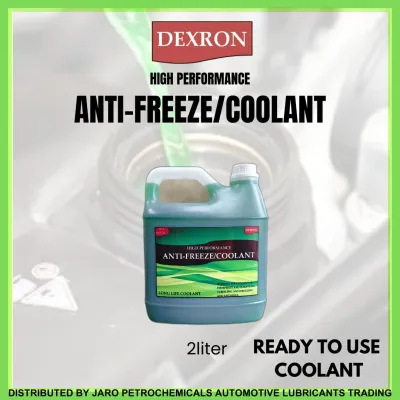
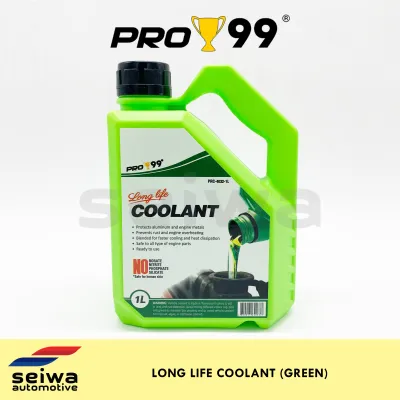
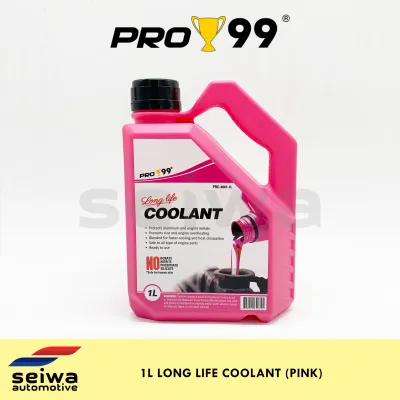
Prices are valid at publication and may change. Please refer to the product page for the latest price.
If the coolant is of low quality or improperly diluted, it can easily reach its boiling point under these high-thermal loads. When a coolant boils, it turns into steam, creating vapor pockets within the engine block. Because vapor cannot absorb or transfer heat effectively, localized hot spots develop rapidly, which can warp aluminum cylinder heads, blow head gaskets, and cause severe engine seizure. This phenomenon is commonly referred to as “boil-over.”
While many global manufacturers refer to this fluid as “antifreeze,” the primary requirement in the Philippines is “anti-boil” performance. The fluid must possess a boiling point significantly higher than that of water to remain in a liquid state under extreme operating temperatures. Additionally, it must contain advanced corrosion inhibitors to protect the cooling system’s internal metal surfaces from the highly corrosive environment accelerated by tropical humidity and heat.
Some vehicle owners mistakenly believe that plain water is an acceptable alternative, especially since freezing temperatures are non-existent in the lowlands of the Philippines. However, plain water boils at 100°C at sea level, leaving almost no safety margin during high-load driving or heavy traffic. Furthermore, water contains no corrosion inhibitors, meaning its exclusive use will rapidly lead to internal rust, scale accumulation, and the eventual destruction of the water pump.
Selecting the Right Radiator Coolant for Car Models in Tropical Climates
To safeguard an engine against the relentless tropical heat, car owners must understand how to evaluate coolant specifications beyond the color of the fluid. The most critical metric to check on any product label is the boiling point elevation. A high-quality coolant formulated with ethylene glycol or propylene glycol, when mixed at the correct ratio, raises the boiling point of the liquid well above 100°C. Under the pressure of a sealed automotive system (typically 15 psi), a proper 50/50 coolant mixture can elevate the boiling point to approximately 126°C to 129°C, providing a vital safety buffer during extreme driving conditions.

While raising the boiling point is essential, the fluid must also maintain high heat transfer efficiency. Water is actually an excellent conductor of heat, whereas pure glycol is relatively poor at transferring thermal energy. Therefore, an effective coolant must strike a precise chemical balance. Utilizing a fluid that is too thick or packed with unapproved aftermarket additives can insulate the engine components rather than cool them, trapping heat inside the cylinder walls and accelerating thermal wear.
High operating temperatures also act as a catalyst for chemical reactions, making robust corrosion and cavitation protection non-negotiable. Cavitation occurs when vapor bubbles form in low-pressure areas of the cooling system, such as near the water pump impeller, and then violently collapse when entering high-pressure zones. These micro-implosions can literally pit and erode metal surfaces over time. A premium coolant contains specialized chemical inhibitors that coat the internal surfaces of aluminum engine blocks, copper radiators, and soldered joints, preventing both chemical corrosion and mechanical cavitation.
Before purchasing any product, the most important step is verifying original equipment manufacturer (OEM) compliance. Automakers design their cooling systems around specific chemical formulations that are compatible with the exact metallurgy and gasket materials used in their engines. Using a coolant that lacks the required OEM approval codes can lead to premature seal degradation or chemical reactions that void the vehicle’s warranty. Always consult the vehicle’s owner’s manual to identify the exact specification required for your specific make, model, and year.
Types of Radiator Coolant: Which Formula Fits Your Car?
Understanding the chemical family of your coolant is essential because mixing incompatible formulas is one of the leading causes of cooling system failure. When incompatible chemical inhibitors are mixed, they can react with one another and precipitate out of the liquid. This reaction creates a thick, gel-like sludge that settles in the narrow tubes of the radiator and heater core, completely blocking coolant flow and causing rapid, severe engine overheating.
Inorganic Additive Technology (IAT)
Inorganic Additive Technology, commonly referred to as IAT, represents the traditional green-colored coolant chemistry that was standard in vehicles manufactured before the late 1990s. These formulas rely on fast-acting inorganic inhibitors, such as silicates and phosphates, to form a protective layer over the metal surfaces inside the cooling system. While highly effective at preventing immediate corrosion, these inorganic inhibitors deplete rapidly under constant thermal stress.
Because of this rapid depletion, IAT coolants generally require a short replacement interval, typically every two years or 40,000 kilometers, whichever comes first. Car owners in the Philippines should only use IAT formulations if specifically mandated by the manufacturer of an older or classic vehicle. Using IAT in modern engines designed for long-life organic chemistry can lead to inadequate protection and premature component wear.
Organic Acid Technology (OAT) and Hybrid (HOAT)
Modern vehicles almost exclusively require Organic Acid Technology (OAT) or Hybrid Organic Acid Technology (HOAT) formulations. OAT coolants do not use silicates or phosphates; instead, they utilize organic acids to provide slow-depleting, long-lasting corrosion protection. This chemistry is highly stable and is specifically designed to protect the aluminum-heavy engines and radiators found in modern passenger cars, often lasting up to five years or 250,000 kilometers.
HOAT formulations represent a hybrid approach, combining organic acids with small amounts of silicates or phosphates to provide both rapid surface passivation and long-term durability. However, different global automakers have vastly different requirements for these hybrid blends. For example, Japanese and Korean manufacturers typically specify phosphate-rich, silicate-free HOATs, whereas European manufacturers strictly require silicate-rich, phosphate-free formulas to prevent scale buildup from hard water. Consequently, you must match the specific OAT or HOAT profile directly to the specifications outlined in your car’s manual.
The Danger of "Universal" Claims
Many aftermarket brands offer products labeled as “universal,” “multi-vehicle,” or “compatible with all makes and models.” While these products can be tempting due to their convenience, car owners should approach them with caution. A universal coolant is designed as a chemical compromise, attempting to balance various inhibitor packages so as not to cause immediate damage to any engine type.
However, a compromise formula may not provide the optimal level of corrosion or cavitation protection required by your specific engine’s metallurgy under the extreme thermal loads of the Philippine climate. Over time, the lack of tailored inhibitors can lead to subtle, slow-acting damage to water pump seals, aluminum cylinder heads, or radiator solder joints. To ensure maximum reliability, it is always safest to select a fluid that explicitly lists your vehicle’s OEM specification on the bottle.
Pre-Mixed vs. Concentrated: The Water Quality Factor
When purchasing radiator coolant for car maintenance, you will generally choose between pre-mixed (often labeled as 50/50) and concentrated formulas. Pre-mixed coolants are highly recommended for the vast majority of vehicle owners in the Philippines. These products are diluted at the factory using highly purified, demineralized water in a precise 50/50 ratio, ensuring that the fluid meets the exact boiling point and corrosion protection standards advertised on the label.
Concentrated coolant, on the other hand, requires manual dilution before it can be added to the vehicle. If you choose to use concentrate, you must mix it to the exact ratio specified by the vehicle manufacturer, which is typically a 50/50 split. A common mistake among some drivers is adding too much concentrate, believing that a thicker mixture will provide superior protection. In reality, an excessively high concentration of glycol reduces the fluid’s heat transfer efficiency and can actually lower the boiling point, making the engine much more prone to overheating.
The water used to dilute concentrated coolant is a critical factor that is frequently overlooked. You must never use regular tap water, well water, or even bottled drinking water to dilute coolant. Tap water contains dissolved minerals such as calcium, magnesium, and silica. Under the intense heat and pressure of an operating engine, these minerals precipitate out of the water and form a hard scale layer on the internal walls of the radiator tubes and engine water jackets.
This scale buildup acts as a highly effective thermal insulator, trapping heat inside the engine block and preventing it from transferring to the coolant. Over time, the scale also physically restricts the flow of fluid through the narrow radiator passages, leading to hot spots and eventual cooling system failure. To prevent this, if you must dilute a concentrated coolant, you should only use clean, mineral-free distilled water. Distilled water has undergone a vaporization process that removes all mineral impurities, ensuring that the coolant’s chemical inhibitors remain stable and effective.
Maintenance and Warning Signs in High-Temperature Driving
Keeping your vehicle’s cooling system in optimal condition requires regular, proactive maintenance, especially when driving in high-temperature environments. One of the most critical yet frequently ignored components of the system is the radiator cap. The radiator cap is an engineered pressure valve designed to maintain a specific system pressure, which directly raises the boiling point of the coolant.
If the rubber seal on the radiator cap becomes cracked, brittle, or worn, or if the internal spring loses its tension, the system will fail to hold pressure. This loss of pressure lowers the boiling point of the coolant back toward its unpressurized limit, causing the fluid to boil and escape into the overflow tank at much lower operating temperatures. Periodically inspect the cap’s rubber gasket for signs of degradation and replace the cap immediately if it shows any wear.
When checking coolant levels, safety must always be your top priority. Never attempt to open the radiator cap or the coolant reservoir cap when the engine is warm or hot. The cooling system operates under high pressure, and opening a hot cap will cause the superheated liquid to violently erupt, resulting in severe, life-altering steam burns. Always allow the engine to cool completely—typically for at least two to three hours—before inspecting the fluid level. Safe inspections should be conducted visually by looking at the minimum and maximum markings on the translucent plastic overflow reservoir.
The intense under-hood heat of the tropical climate also accelerates the aging of rubber components. Regularly inspect the upper and lower radiator hoses for physical signs of wear, such as bulging, cracking, or localized soft spots. Squeeze the hoses when the engine is completely cold; they should feel firm and resilient. If a hose feels spongy or shows hairline cracks near the metal hose clamps, replace it immediately to prevent a sudden rupture while driving.
Remember that coolant is a consumable fluid; its chemical inhibitors deplete over time even if the vehicle is not driven frequently. Rather than simply topping off the reservoir when the level drops, you should follow the manufacturer’s recommended flush and fill intervals. A complete system flush removes accumulated sediment, rust particles, and depleted fluid, replacing it with fresh, active corrosion inhibitors that restore the system’s thermal efficiency.
If you experience an overheating event while driving, your immediate response can prevent catastrophic engine damage. If the temperature gauge spikes or the warning light illuminates, turn off the air conditioning immediately to reduce the thermal load on the engine. If safe to do so, turn on the cabin heater to its maximum temperature and fan speed; this utilizes the heater core as a secondary radiator to help draw excess heat away from the engine block. Pull over safely to the side of the road, switch off the engine, and allow the vehicle to cool completely before seeking professional assistance or inspecting the system.
Frequently Asked Questions (FAQ)
Can I just use plain water in my radiator during the hot season?
No, you should never use plain water in your radiator, even during the hottest months. Plain water has a lower boiling point than a proper coolant mixture, leaving your engine highly vulnerable to boil-over in heavy traffic. Additionally, water lacks the essential corrosion inhibitors needed to protect internal metal components, leading to rapid rust, scale buildup, and water pump damage.
Does a higher coolant concentration always mean better heat protection?
No, a higher coolant concentration does not translate to better heat protection. Pure, undiluted coolant concentrate actually has a lower boiling point and significantly poorer heat transfer properties than a balanced mixture. For optimal performance in tropical climates, always maintain the manufacturer’s recommended ratio—typically a 50/50 mix of coolant and distilled water—to ensure the best balance of heat transfer and boil-over protection.

Community discussion
Share your experience or ask a question. Comments are reviewed before publication.