
Leaving a vehicle parked in an open lot under the intense tropical sun quickly turns the cabin into a virtual oven. The greenhouse effect inside a closed car can raise interior temperatures far beyond the ambient outdoor temperature, heating up every surface. As one of the primary touchpoints in your vehicle, the shifter knob directly dictates whether your daily commute is comfortable or physically painful. If you choose a material with high thermal conductivity, the knob can become too hot to touch after just an hour of sun exposure, forcing you to wait for the air conditioning to cool the cabin or drive with an awkward, unsafe grip.
Beyond extreme heat, the high relative humidity characteristic of the Philippine climate presents another challenge for daily drivers. Humid air prevents sweat from evaporating quickly from your hands, which can compromise your grip on smooth, non-porous surfaces. Over time, intense ultraviolet (UV) exposure through the windshield can also degrade, fade, or crack materials that lack proper UV resistance. Selecting the right shifter knob material is therefore a practical decision that directly impacts your daily driving comfort, control, and safety.
Comparing Shifter Knob Materials for Tropical Conditions
To find the ideal shifter knob for daily driving in a tropical climate, you must evaluate how different materials handle heat retention, grip stability, and long-term durability. A material that performs well in cooler climates might become sticky, slippery, or scalding hot under local conditions. It is also important to note that raw material properties are only part of the equation. Manufacturer specifications, surface textures, and protective coatings can significantly alter how a material behaves in your hand. When comparing options, look for designs that balance thermal insulation with a secure, slip-resistant texture.
Products mentioned in this guide
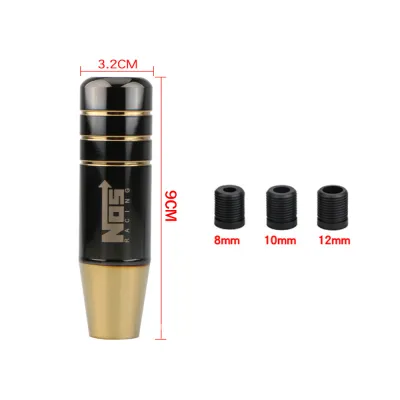
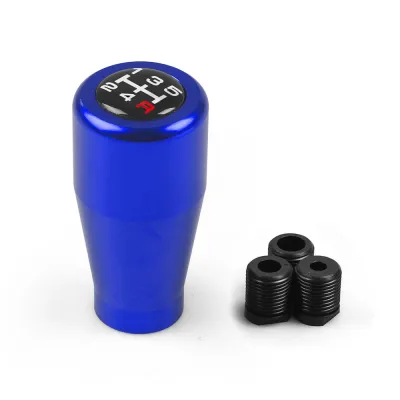
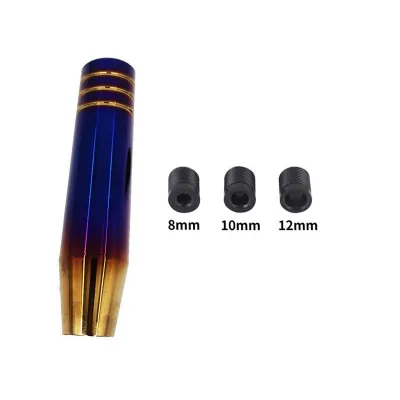
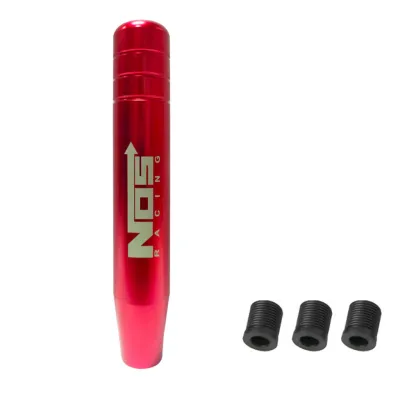
![[IN STOCK] 12/24V Car Handle Gear Shifter Bubble Crystal Truck Shift Knob Manual Shifter Stick With Led Light](https://img.lazcdn.com/g/p/5d5b58b6113ea8957c5f99bc1fcbf006.jpg_400x400q80.jpg_.webp)

Prices are valid at publication and may change. Please refer to the product page for the latest price.
Metals (Aluminum, Stainless Steel, Titanium)
Metal shifter knobs are highly popular for their modern, mechanical aesthetic and solid weight. However, metals like aluminum, stainless steel, and titanium possess high thermal conductivity. When your car is parked under direct sunlight, these materials rapidly absorb and retain heat, often reaching temperatures that can cause discomfort or minor burns upon contact. Aluminum tends to heat up and cool down relatively quickly, while stainless steel has a higher mass that retains heat for a much longer period.
On the positive side, metals offer exceptional durability and are completely immune to humidity-induced degradation, mold, or rot. If you prefer a metal knob, look for mitigation strategies. Textured finishes like knurling can reduce the surface area in contact with your skin, while hybrid designs that combine a metal core with a leather or plastic outer wrap help shield your hand from extreme temperatures.
Leather, Alcantara, and Wood
Organic and wrapped materials like leather, Alcantara, and finished wood offer excellent temperature neutrality. They have low thermal conductivity, meaning they do not get excessively hot in the summer sun or freezing cold in air-conditioned cabins, providing a comfortable initial grip. However, these materials are highly vulnerable to the moisture, sweat, and skin oils common in humid tropical environments.
Without regular maintenance, leather can dry out and peel, Alcantara can become matted and greasy, and wood can warp if moisture penetrates the surface. Sweat contains salts and acids that break down the fibers of Alcantara and the tanning agents in leather, a process accelerated by high ambient temperatures. If you choose wood, verify that it has a high-quality, moisture-resistant clear coat. For all organic materials, prepare to invest time in routine conditioning and cleaning to prevent premature wear.
Resin, Acrylic, and Delrin
Solid synthetics such as resin, acrylic, and Delrin (polyoxymethylene) are outstanding choices for tropical daily driving. These materials have very low thermal conductivity, keeping the shifter knob relatively cool to the touch even after hours of exposure to sunlight. Delrin, a high-performance engineering thermoplastic, is particularly favored in automotive applications because it does not transfer heat easily and offers excellent dimensional stability.
These synthetics are also highly resistant to sweat, humidity, and UV fading, requiring no specialized conditioners or delicate care routines. The primary drawback is that highly polished, smooth synthetics can become slippery when your hands are sweaty. To counter this, look for resin or Delrin knobs with textured, matte, or satin finishes that maintain grip stability even in high humidity.
Carbon Fiber and Modern Composites
Advanced composites, including genuine carbon fiber, offer a lightweight structure and consistent performance across varying cabin temperatures. While carbon fiber is highly durable, its heat retention characteristics depend heavily on the clear coat and underlying resin matrix used in its construction. A thick, glossy clear coat can still become quite warm and slippery under direct sunlight.
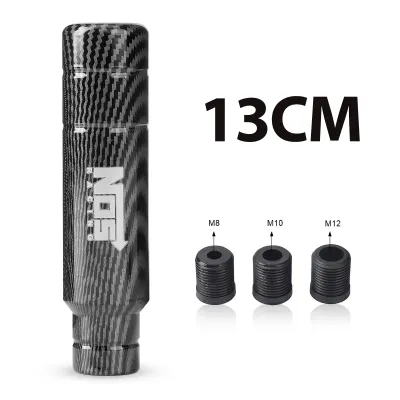
When shopping, it is crucial to verify genuine composite construction. Many budget options marketed as carbon fiber are actually basic plastic or metal knobs covered in a printed vinyl wrap. These imitation wraps can peel, bubble, or degrade rapidly under intense UV exposure and humidity, leaving an unsightly and uncomfortable surface.
Compatibility and Safety Checks Before Upgrading
Before purchasing any aftermarket shifter knob, you must perform several critical compatibility and safety checks to ensure a secure installation. First, verify your vehicle’s specific model, year, and shifter shaft interface. Shifter shafts use different thread pitches, and some vehicles require specific adapters or reverse lockout compatibility. Forcing an incorrect thread pitch can permanently damage the shifter shaft threads, leading to a loose knob that could detach while driving.

Additionally, consider the safety implications of modifying a primary control interface. If the installation requires disassembly of the shifter assembly or console, consult your original-vehicle documentation and consider seeking qualified professional installation to ensure the shift mechanism operates safely. Threaded knobs are generally much safer and more secure than slip-on designs that rely on small set screws, which can loosen over time due to engine vibrations.
Weight is another important factor. While a heavier knob can make gear shifts feel smoother, excessively heavy options can place continuous stress on the transmission’s internal components or alter the shift feel in ways that make gear engagement less precise. Finally, inspect the physical design of the knob before installation. Ensure there are no sharp edges, protruding set screws, or awkward shapes that could snag your clothing, interfere with steering, or compromise leg clearance during emergency maneuvers.
Maintaining Your Shifter Knob in High Humidity
High humidity and sweat accelerate the buildup of dirt, oils, and bacteria on your shifter knob. To prolong the life and appearance of your accessory, establish a regular cleaning routine using safe, material-authorized cleaning agents. Avoid harsh solvents, multi-purpose household cleaners, or abrasive chemicals, as these can strip protective clear coats from wood, dry out leather, or dissolve the adhesives used in wrapped knobs.
For daily maintenance, implement a simple wiping schedule. Use a clean, damp microfiber cloth to wipe away acidic sweat and skin oils after long drives. For deeper cleaning, refer to the manufacturer’s care label. If you are unsure how to clean a delicate material like Alcantara or premium leather without causing damage, stop and consult a qualified professional detailer or the product manufacturer for specific instructions.
Frequently Asked Questions (FAQ)
Will a weighted shifter knob damage my manual transmission in stop-and-go traffic?
A weighted shifter knob changes the subjective feel of your gear shifts by adding inertia, which many drivers find satisfying. However, there is a distinction between subjective feel and actual mechanical stress. Resting your hand on the shifter or using an excessively heavy knob can apply constant pressure to the shift forks and synchronizers, potentially leading to premature wear over time. To protect your transmission, avoid resting your hand on the knob while driving and check your vehicle manufacturer’s specifications or consult a transmission specialist regarding acceptable accessory weights.
How can I prevent my leather shifter knob from peeling in the heat?
To prevent a leather shifter knob from peeling, apply a high-quality leather conditioner and UV protectant regularly to keep the material hydrated and shielded from sun damage. Parking in the shade or using a windshield sunshade also reduces cabin temperatures and UV exposure. If the leather is already peeling severely, it often indicates adhesive failure or the use of low-quality synthetic leather (polyurethane), which cannot be restored and will require replacement with a more durable material.

Community discussion
Share your experience or ask a question. Comments are reviewed before publication.