
Finding the best seat for your TMX Alpha 125 depends entirely on how you use your motorcycle. For delivery riders and tricycle operators, a heavy-duty seat with high-density, firm foam is essential to endure long shifts without bottoming out. Daily city commuters will find the greatest benefit in a balanced seat with medium-density foam and a tapered front profile for easy foot placement at stops, while long-distance touring riders should opt for ergonomic, contoured seats with gel or memory foam inserts to minimize highway fatigue.
Upgrading your seat is one of the most effective ways to improve your daily riding experience on this legendary workhorse. By matching the seat’s internal support, cover material, and overall shape to your specific daily routine, you can protect your physical health, enhance your safety on congested roads, and ensure your motorcycle remains comfortable for years to come.
Key Factors When Upgrading Your TMX Alpha 125 Seat
When shopping for an aftermarket seat, many riders mistakenly believe that a thicker, softer cushion automatically translates to a more comfortable ride. However, soft, thick foam often lacks the structural integrity needed to support your body weight over several hours. Under continuous pressure, low-density foam compresses completely, causing you to bottom out against the hard plastic or metal base plate. Conversely, high-density foam, even when relatively thin, provides a firm foundation that distributes weight evenly, preserves your posture, and prevents hot spots during extended riding sessions.
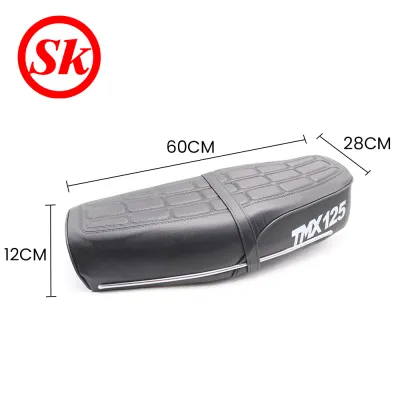
Products mentioned in this guide
![[LIHA TYPE] TRACKING RACE FLAT SEAT ASSEMBLY FOR TMX 155 / TMX 125 ALPHA](https://img.lazcdn.com/g/p/9b2bb3d50712ad2fd1311b7a04be0b04.png_400x400q80.png_.webp)
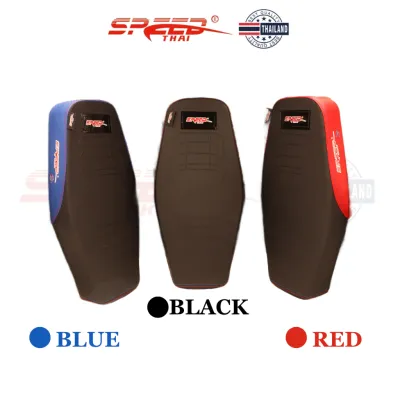
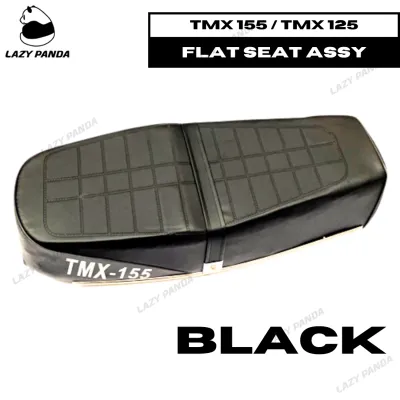
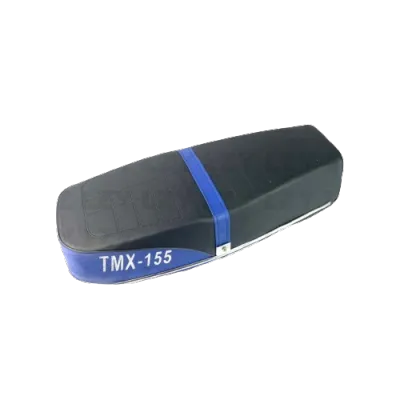
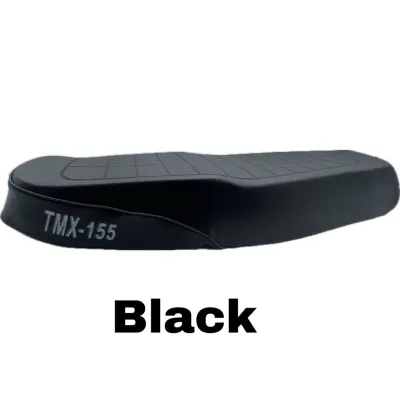
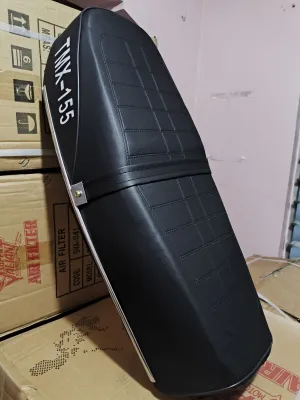
Prices are valid at publication and may change. Please refer to the product page for the latest price.
Given the intense tropical climate of the Philippines, where your motorcycle is subjected to scorching afternoon sun followed by sudden, torrential monsoon downpours, the seat cover material is your first line of defense. Standard vinyl can quickly dry out, crack, and peel under relentless UV exposure, allowing rainwater to seep directly into the underlying foam. Once water penetrates the cushion, it creates a breeding ground for mold and causes the foam to rot from the inside out. Upgrading to a UV-resistant, marine-grade, or heavily treated waterproof synthetic cover ensures that moisture runs off the surface and the seat remains structurally sound throughout the changing seasons.
A seat is only as strong as its foundation. The base plate, typically constructed from molded plastic or pressed steel, must support the combined weight of the rider, passenger, and any mounted cargo. If the base plate is thin or poorly reinforced, the constant flexing from road vibrations and weight shifts will eventually cause it to crack, leading to a sagging seat and potential damage to the motorcycle’s frame. Furthermore, the hinges and mounting brackets must be made of high-quality, corrosion-resistant metal to withstand the frequent lifting required to access the under-seat area or tool compartment, especially on a hard-working utility bike like the TMX Alpha 125.
Before purchasing from online marketplaces or local parts shops, take the time to inspect the manufacturer’s specifications. Look closely at the stated weight limits, material compositions, and structural reinforcements. Relying solely on aesthetic appeal or cheap prices can lead to premature failure, requiring you to spend more money on a replacement sooner than expected.
Heavy-Duty Seat Features for Delivery Riders
For riders who use their TMX Alpha 125 as a primary tool for livelihood—whether navigating narrow city streets for courier services, hauling heavy goods, or operating a tricycle sidecar—the seat undergoes extreme wear and tear. In these high-demand scenarios, comfort is directly linked to productivity. To survive 8-to-12-hour daily shifts, your seat must feature high-density, firm foam. This specialized foam is engineered to resist deep compression, ensuring that your tailbone and lower back remain properly aligned even after hours of continuous riding. By preventing the foam from bottoming out, you significantly reduce lower back fatigue, muscle soreness, and the physical exhaustion that comes with long working hours.

The cover of a delivery seat must be exceptionally rugged. Look for thick, heavy-duty vinyl covers that feature double-stitched seams and heat-sealed edges. Standard stitching can stretch and tear under the constant movement of a rider sliding on and off the bike to make deliveries. Heat-sealed or reinforced edges act as a barrier, preventing heavy tropical downpours from penetrating the seams and turning your seat into a soggy sponge. Additionally, a robust, textured surface provides the necessary grip to keep you stable as you navigate stop-and-go traffic with a fully loaded rear rack.
Carrying heavy cargo or having passengers frequently mount and dismount puts immense lateral and vertical stress on the seat’s mounting hardware. Standard plastic brackets can shear off under these conditions. A heavy-duty seat should feature reinforced steel hinges and robust mounting brackets that bolt securely to the TMX Alpha 125’s frame. These reinforced components distribute the load evenly, preventing the seat from shifting sideways or cracking at the mounting points when you carry heavy delivery bags, insulated boxes, or bulky hardware.
It is highly advisable to steer clear of overly soft or plush aftermarket seats that promise cloud-like comfort. While they may feel pleasant during a brief two-minute test sit, these soft cushions lack the tensile strength required for commercial use. Under continuous daily weight, the cell structure of plush foam breaks down rapidly, leaving you with a permanently deformed and unsupportive seat within a few months. Always verify the seat’s maximum load rating against your typical cargo, passenger, and personal weight to ensure the upgrade can handle the daily grind without structural failure.
Balanced Seat Setups for Daily City Commuting
Commuting through the dense, congested traffic of metro areas requires a motorcycle that is agile, responsive, and easy to manage. For this riding style, a balanced seat setup is ideal. Rather than the extreme firmness of a delivery seat or the bulky contouring of a touring seat, daily commuters benefit most from medium-density foam. This material offers immediate, plush comfort for short to medium-distance trips, absorbing the sudden jolts of potholes and uneven asphalt, while still providing enough structural support to maintain an upright, alert riding posture.
One of the most critical design elements for a commuter seat is a tapered front profile, often referred to as a narrow nose. The TMX Alpha 125 is a popular choice for riders of all heights, and a seat that is too wide at the front forces your thighs outward, effectively shortening your reach to the ground. A tapered front allows your legs to drop straight down, making it much easier to plant both feet flat on the pavement when stopping at red lights or navigating slow-moving traffic. This simple design feature dramatically improves stability and confidence, especially when balancing the bike on slippery, oil-slicked city roads during a sudden drizzle.
Frequent braking and accelerating in stop-and-go traffic can cause you to slide forward repeatedly, putting unnecessary strain on your wrists, knees, and lower back. To combat this, look for commuter seats equipped with textured or non-slip cover materials. These specialized surfaces provide just enough friction to keep your riding position secure during sudden stops, without restricting your ability to shift your weight slightly when cornering or maneuvering around obstacles.
Commuters should actively avoid excessively wide, bulky, or elongated seats. While these designs might look comfortable, they can severely interfere with your leg movement and make the motorcycle feel cumbersome. A seat that is too wide can make filtering through tight spaces between cars difficult and unsafe, as it limits your agility and quick-reaction capability. Keep the seat profile streamlined and matched to the natural dimensions of the TMX Alpha 125’s frame to preserve the bike’s nimble handling.
Ergonomic Upgrades for Long-Distance Touring
If you frequently use your TMX Alpha 125 for weekend getaways, provincial tours, or long-distance highway riding, your primary enemy is riding fatigue. Continuous hours on the road expose your body to constant wind resistance and engine vibrations, which can lead to severe muscle fatigue and numbness. To mitigate this, look for ergonomically contoured seat shapes. Seats with a built-in lumbar support or a distinct stepped design help lock your hips into a stable position, preventing you from sliding backward under acceleration and significantly reducing the strain on your lower back during long stretches of open highway.
To elevate your touring comfort, consider seats that incorporate advanced cushioning technologies, such as gel inserts or memory foam top layers. Unlike standard foam, which can compress unevenly and create painful pressure points, gel and memory foam conform to the unique shape of your body. This even distribution of pressure helps maintain healthy blood circulation, preventing the dreaded numb bum sensation. Furthermore, these materials are excellent at dampening high-frequency engine and road vibrations, protecting your joints and spine from the constant chatter of rough provincial roads and unpaved bypasses.
If you often ride with a pillion passenger, their comfort is just as important as yours. Standard seats often taper off toward the rear, leaving the passenger with a narrow, poorly padded sliver of foam. A high-quality touring seat features an extended, well-padded rear section that provides ample support for your passenger, keeping them comfortable and secure throughout the journey. A happy, comfortable passenger makes for a much safer and more enjoyable ride.
Before purchasing an expanded or extended touring seat, it is crucial to measure and verify the clearance between the rear of the seat and your existing motorcycle accessories. The TMX Alpha 125 is highly customizable, and many riders equip their bikes with top boxes, heavy-duty rear utility racks, or side saddlebag brackets. Because touring seats are often wider and longer than stock seats, they can easily press against or interfere with these accessories. Ensure there is sufficient space for the seat to latch completely without rubbing against your luggage setups, which could damage the seat fabric or prevent the seat from locking securely.
Comparing Seat Options Across Riding Styles
To help you quickly identify the best seat setup for your specific needs, we have compiled a direct comparison of the three primary seat types. This table evaluates each option based on foam density, cover materials, primary benefits, and key fitment considerations, allowing you to make an informed decision at a glance.
| Riding Style | Recommended Foam Type | Ideal Cover Material | Primary Benefit | Key Fitment Consideration |
|---|---|---|---|---|
| Delivery & Utility | High-density, firm foam | Thick, double-stitched waterproof vinyl | Prevents bottoming out and reduces back fatigue during long shifts | Must verify maximum load rating and bracket strength |
| Daily Commuting | Medium-density foam | Textured, non-slip synthetic cover | Enhances stability with a tapered front for easy foot placement | Avoid overly wide designs that hinder filtering in traffic |
| Long-Distance Touring | Contoured gel or memory foam | UV-resistant, breathable textured vinyl | Distributes pressure evenly and dampens road vibrations | Check clearance with top boxes, rear racks, and side brackets |
Fitment Verification and Safe Installation
Because the TMX Alpha 125 has been a staple of Philippine roads for years, aftermarket parts are abundant, but they are not always universal. Before purchasing a new seat, you must verify the exact mounting points, latch mechanisms, and hinge alignments specific to your motorcycle’s exact model year and production run. Minor design updates over the years can result in subtle changes to the subframe layout, meaning a seat designed for an older variant might not align correctly with a newer model. Always double-check the product descriptions and consult with the seller or manufacturer to confirm compatibility.
Once you have acquired the correct seat, perform a thorough visual and physical inspection of the seat lock, latch mechanism, and release cable during the dry-fit process. The seat must engage with the locking mechanism smoothly and securely. If the seat does not lock properly, it can rattle, slide, or even pop open unexpectedly while you are riding, which poses a severe safety hazard. Test the release mechanism several times to ensure it operates smoothly without binding or requiring excessive force to open.
When installing your new seat, remember that it should only involve bolting directly into the existing, factory-designed mounting points on the motorcycle’s subframe. We strongly advise against drilling new holes, bending metal brackets, or making any irreversible modifications to the frame of your TMX Alpha 125. Modifying the subframe can compromise its structural integrity, void your warranty, and lead to catastrophic failure under heavy loads.
If you find that the mounting points do not align perfectly, or if the latch requires excessive downward force to engage, do not attempt to force the installation. Forcing a mismatched seat can bend the mounting bolts, strip the threads, or damage the locking mechanism. Stop the installation immediately and consult a qualified motorcycle mechanic or contact the seat manufacturer for assistance. A professional installer can quickly identify if you have received the wrong part or if minor, safe adjustments can be made to achieve a perfect fit.
Frequently Asked Questions (FAQ)
Are seats from other TMX models compatible with the Alpha 125?
While different models in the TMX family share a similar heritage and classic aesthetic, they do not always share the same chassis dimensions. For instance, the seat pan dimensions, hinge placements, and latch mechanisms often vary significantly between the TMX Supreme, TMX 125 Alpha, and older TMX 150 variants. Never assume that a seat will fit your bike simply because it is labeled for a TMX. To avoid purchasing an incompatible part, always compare the exact mounting bracket measurements and part numbers, or consult a reputable parts dealer before finalizing your purchase.
How can I protect the seat cover from sun and rain damage?
Protecting your seat from the elements is key to extending its lifespan in a tropical environment. Whenever you park your motorcycle outdoors for extended periods, use a breathable, waterproof motorcycle cover or a dedicated, elasticized seat protector to shield the vinyl from intense UV rays and heavy rain. For regular maintenance, clean the seat cover using a mild soap and water solution with a soft microfiber cloth. Avoid using harsh chemical solvents, gasoline, or abrasive scrubbing brushes, as these can strip away the vinyl’s protective UV coating, causing it to dry out, stiffen, and crack prematurely. Always check the seat manufacturer’s care label for any specific approved conditioners or protectants.

Community discussion
Share your experience or ask a question. Comments are reviewed before publication.