
Choosing the right top box is one of the most practical upgrades you can make to your motorcycle or scooter. The ideal storage solution depends entirely on your primary riding purpose: urban commuters require a compact, aerodynamic setup that allows for easy lane-splitting; delivery riders need heavy-duty, high-capacity boxes built to withstand constant use; and touring enthusiasts benefit from spacious, weather-sealed cases designed for high-speed stability and passenger comfort. Matching your top box to your specific riding style ensures you do not compromise your motorcycle’s handling, your personal safety, or your cargo’s security.
In the Philippines, where daily riding involves navigating highly congested urban corridors, sudden tropical downpours, and varied road surfaces, your choice of luggage is critical. A top box that is too large can make a small-displacement scooter unstable, while one that is too flimsy will quickly succumb to the vibrations of rough roads or fail to protect your belongings from heavy rain. By analyzing your daily route, cargo requirements, and parking environments, you can select a top box that enhances your riding experience rather than hindering it.
Core Criteria for Choosing a Motorcycle Top Box
Before selecting a top box based on your riding style, it is essential to understand the foundational specifications that govern all motorcycle luggage. The most critical decision points include capacity, materials, mounting systems, and aerodynamics. Balancing these factors ensures that your top box remains secure, functional, and safe under all riding conditions.
Products mentioned in this guide
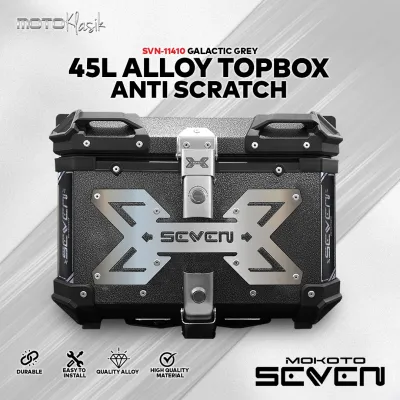
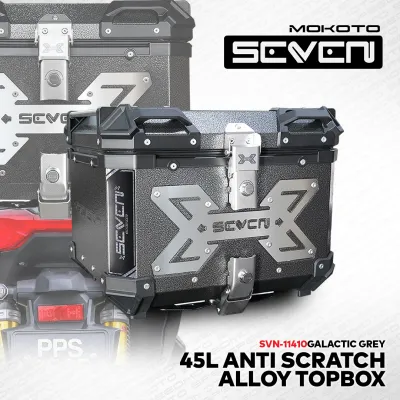
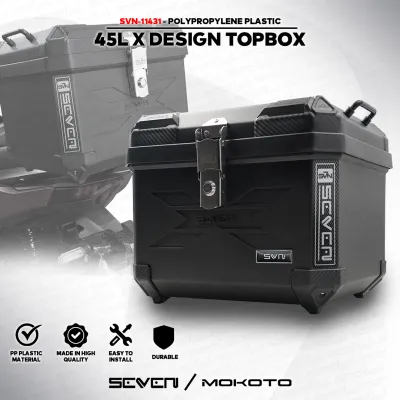
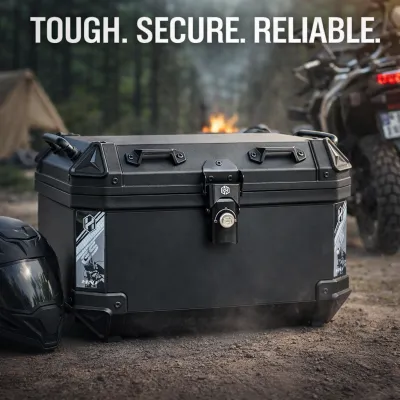
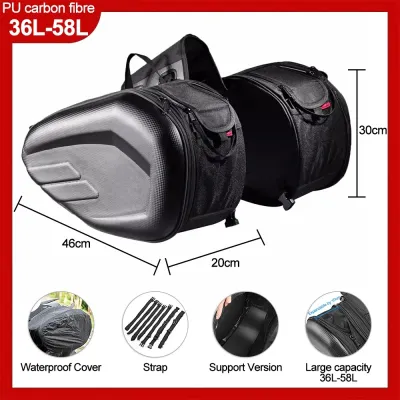
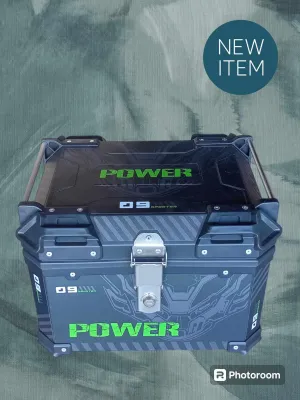
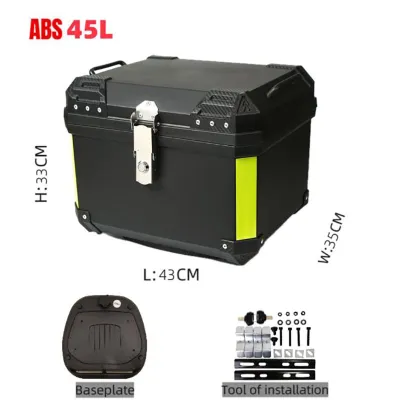
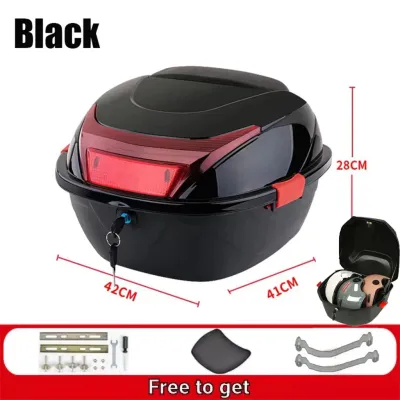
Prices are valid at publication and may change. Please refer to the product page for the latest price.
Capacity and Real-World Storage
Top box capacity is measured in liters, ranging from compact 25-liter options to massive 60-liter cases. To choose the right size, translate these volume measurements into real-world items:
- 25L to 35L: Ideal for carrying a single full-face helmet, a set of rain gear, and small personal items like a tablet or water bottle.
- 36L to 45L: Comfortably accommodates a modular or large full-face helmet, a heavy riding jacket, and a small backpack or grocery bag.
- 46L to 60L+: Capable of holding two full-face helmets side-by-side, or large quantities of cargo, making them suitable for dual-rider touring or commercial deliveries.
Material Categories
The material of your top box dictates its weight, security level, and durability. The three primary categories are:
- Injection-Molded Plastics (ABS or Polypropylene): These boxes are lightweight, highly impact-resistant, and naturally waterproof. They flex slightly under stress, which helps absorb impacts during minor drops, and they are generally the most cost-effective option, often priced between ₱1,500 and ₱5,000.
- Aluminum: Known for its rugged construction and premium aesthetic, aluminum offers superior security against theft. However, aluminum boxes are significantly heavier, rigid, and can dent upon impact, which may compromise their sealing gaskets. Premium aluminum models typically range from ₱8,000 to ₱25,000 or more.
- Heavy-Duty Textiles: Constructed from materials like TPU-coated polyester or tarpaulin, these soft top bags are exceptionally lightweight and expandable. While they offer excellent impact resistance for off-road riding, they lack built-in locking mechanisms and rely on external straps.
Mounting Systems and Load Limits
A top box is only as secure as its connection to your motorcycle. Most systems utilize a two-part setup: a bike-specific rear rack that bolts directly to the motorcycle’s subframe, and a mounting base plate that attaches to the rack. Universal base plates are common with plastic boxes, whereas aluminum boxes often require proprietary, heavy-duty mounting plates. It is vital to check your motorcycle manufacturer’s user manual for the maximum rear load limit. Many standard commuter scooters have a rear rack limit of only 5kg to 10kg. Exceeding this limit by installing a heavy box filled with dense cargo can stress the subframe, crack the mounting brackets, or cause dangerous front-wheel lofting.
Aerodynamics and Vehicle Stability
Adding a large, boxy object to the rear of a motorcycle alters its aerodynamic profile. At highway speeds, a wide or tall top box acts like a sail, catching crosswinds and creating low-pressure turbulence behind the rider. This can cause high-speed wobble or make steering feel vague. Furthermore, in dense traffic, a top box that extends significantly wider than your shoulders or handlebars increases the risk of clipping side mirrors while lane-splitting. Choosing a box with a tapered or rounded profile helps mitigate these aerodynamic drawbacks.
Best Top Box Features for Daily Commuters
Daily commuting in urban environments requires a top box that balances security, convenience, and agility. When navigating tight city streets and parking in public, crowded spaces, your storage solution must protect your gear from both the elements and opportunistic theft without making your motorcycle cumbersome.

For the average commuter, a capacity range of 30L to 45L is highly recommended. This size is large enough to store your daily essentials—such as a laptop bag, a rain suit, and your helmet once you arrive at your destination—without adding excessive weight to the rear of the motorcycle. Keeping the box within this volume range prevents the bike from becoming top-heavy, preserving the nimble handling required to maneuver through stop-and-go city traffic.
Essential Commuter Features
- Quick-Release Systems: Look for top boxes featuring a one-click detaching mechanism. This allows you to easily unlock the box from its base plate and carry it indoors like a suitcase, which is highly convenient if you carry sensitive electronics to the office.
- Robust Locking Cylinders: Public parking structures and street-side parking spaces expose your motorcycle to opportunistic thieves. A high-quality lock with a tamper-resistant cylinder is essential to deter break-ins.
- Reflective Decals and Lenses: Commuting often involves riding during early mornings, late evenings, or sudden afternoon downpours when visibility is severely reduced. Integrated rear reflectors or high-visibility decals significantly improve your visibility to drivers behind you.
Profile and Width for Lane-Splitting
In highly congested traffic, the ability to safely filter between lanes is a major advantage of riding a motorcycle. To maintain this agility, select a top box with a slim or moderate profile. Ideally, the width of the top box should not exceed the width of your handlebars. A streamlined box ensures that if your front end clears a gap between two vehicles, the rear of your motorcycle will follow safely without catching on side mirrors or bumpers. Avoid oversized, square aluminum boxes for daily city commuting, as their sharp corners and wide profiles can make lane-filtering stressful and hazardous.
Ideal Top Box Setup for Delivery Riders
Delivery riders and commercial couriers subject their equipment to extreme, high-frequency wear and tear. For those using their motorcycles for food delivery or parcel transport, a top box is not just an accessory—it is a critical business tool that must maximize cargo space, protect goods, and operate flawlessly under constant pressure.
A high-capacity top box ranging from 45L to 60L or more is necessary for professional delivery work. This volume is essential to accommodate bulky insulated thermal food bags, multiple delivery packages, or irregular cargo items. A smaller box will limit your earning potential by forcing you to decline larger orders or multiple concurrent deliveries.
Critical Functional Features
- Flat-Lid Designs: Choose a top box with a flat, reinforced lid equipped with external lash points or cargo loops. This design allows you to strap additional lightweight items, such as sleeping bags, extra rain gear, or oversized parcels, securely to the top of the box using bungee cords or cargo nets.
- Internal Organizers and Bungee Hooks: To prevent food containers from tipping over or parcels from sliding violently during sudden stops, look for boxes with internal dividers, cargo nets, or adjustable straps. Keeping items secure prevents damage and spills, ensuring high customer satisfaction.
- Heavy-Duty Latches: The locking latch on a delivery box may be opened and closed dozens of times a day. Standard consumer-grade latches can wear out quickly under this level of use. Look for reinforced steel or heavy-duty polymer latches engineered for high-frequency operation.
Durability, Ergonomics, and Maintenance
Because delivery motorcycles are parked in high-traffic loading zones and subjected to constant loading, the top box should feature a scratch-resistant, textured exterior finish. Smooth, painted surfaces will quickly look worn, and professional presentation is key. Additionally, select a mounting system with a reinforced steel or heavy-duty composite base plate to handle the constant stress of heavy, shifting loads.
Ergonomics are equally important for maintaining a fast pace. Opt for top boxes that feature one-handed opening mechanisms or simple push-button releases. This allows you to access the interior quickly and smoothly, even while holding a delivery receipt, a smartphone, or a parcel in your other hand, and without needing to remove thick riding gloves. Lastly, ensure that wear-and-tear components like latches, hinges, and lock cylinders are easily replaceable so that a minor component failure does not require buying an entirely new box.
Recommended Top Box Specs for Long-Distance Touring
Long-distance touring demands premium luggage that can withstand high speeds, prolonged exposure to harsh weather, and rough terrain while maintaining motorcycle stability and passenger comfort. When embarking on multi-day journeys, your top box must act as a secure, weatherproof vault for your most valuable gear.
For solo or two-up touring, a capacity of 45L to 55L is the ideal standard. This range provides sufficient space to store extensive riding gear, tools, spare parts, and personal clothing, or to lock away two full-face helmets when you stop to explore tourist destinations on foot.
Aerodynamic Shaping and High-Speed Stability
At sustained highway speeds, aerodynamics become highly critical. Touring top boxes should feature rounded edges, tapered side profiles, and wind-tunnel-tested shapes. These design elements allow air to flow smoothly around the rear of the motorcycle, minimizing the low-pressure pocket that causes high-speed aerodynamic wobble. A streamlined box also reduces wind noise and improves fuel efficiency over long distances, which is a vital consideration when traveling through remote areas with sparse refueling options.
Passenger Comfort and Dual-Helmet Storage
If you regularly ride with a pillion passenger, their comfort is paramount. Many touring top boxes are designed to accept integrated passenger backrests. These padded, weather-resistant cushions mount directly to the front face of the box, providing comfortable lumbar support for your passenger and reducing fatigue during long hours on the road. Ensure the box is positioned far enough back on the rear rack to allow adequate seating space without pushing the passenger too far forward.
Advanced Security and Weatherproofing
- Multi-Point Locking Systems: Premium touring boxes often utilize multi-point latching mechanisms that clamp the lid down securely at several points along the rim. This prevents the lid from flexing or being pried open by thieves at highway rest stops.
- Seamless EPDM Rubber Gaskets: Tropical touring exposes you to sudden, torrential downpours. To protect sensitive electronics, cameras, and dry clothing, your top box must feature a seamless, automotive-grade rubber gasket lining the lid joint. This creates a pressurized, dustproof, and waterproof seal that prevents any moisture ingress.
Packing Advice for Weight Distribution
To maintain your motorcycle’s handling characteristics, you must pack your top box strategically. Always place your heaviest items—such as tool kits, tire inflators, and spare parts—at the very bottom of the box and as far forward as possible, resting closest to the rider or passenger seat. This keeps the center of gravity low and close to the motorcycle’s natural pivot point. Packing heavy items high and far back behind the rear axle creates a lever effect that lightens the front wheel, slows steering response, and increases the likelihood of dangerous high-speed vibrations.
Hard Shell vs. Soft Luggage: Matching Material to Your Ride
Making a final decision on your top box requires choosing between rigid hard-shell cases and flexible soft luggage. Both designs offer distinct advantages depending on your security requirements, parking conditions, and typical riding environments.
Hard Shell Boxes (ABS Plastic and Aluminum)
Hard-shell boxes are the traditional choice for commuters and highway tourers. Constructed from rigid ABS plastic or aluminum, these cases offer unmatched security because they cannot be easily cut or slashed. They feature integrated mechanical locks, provide excellent structural protection for fragile items in the event of a tip-over, and maintain a permanent, waterproof seal. The primary trade-offs are their fixed dimensions, heavier weight, and the fact that they can crack under severe impacts. Hard-shell cases are highly recommended if you regularly park your motorcycle in unsecured public areas, street sides, or commercial parking lots where theft is a concern.
Soft Luggage (Textile, Tarpaulin, and Canvas)
Soft top bags, often made from heavy-duty tarpaulin or TPU-coated fabrics, are favored by off-road adventure riders and occasional weekend travelers. These bags are exceptionally lightweight, reducing the burden on your motorcycle’s rear subframe. Because they are flexible, they can expand to accommodate irregular cargo and can be compressed or folded flat when empty. In off-road environments, soft luggage is highly durable because it absorbs impacts during falls without cracking or denting. However, soft luggage offers minimal theft protection, as the fabric can be slashed with a knife, and they typically rely on external padlocks or straps. They also frequently require separate waterproof inner liners or rain covers to keep contents dry during heavy downpours.
Quick Decision Matrix
Use this matrix to match your parking environment and riding style to the correct material:
| Parking Environment | Primary Riding Style | Security Priority | Recommended Material |
|---|---|---|---|
| Public Street / Unsecured | Daily Commuting | High (Theft Deterrence) | Hard Shell (ABS or Aluminum) |
| Shared Commercial Lot | Food/Parcel Delivery | Medium to High | Hard Shell (Reinforced ABS) |
| Secure Garage / Monitored | Off-Road / Trail Riding | Low (Impact/Weight Priority) | Soft Luggage (TPU / Tarpaulin) |
| Mixed (Hotels / Public) | Long-Distance Touring | High (Weather & Theft) | Hard Shell (Aluminum / Premium ABS) |
Installation, Legal, and Safety Checks Before You Ride
Once you have selected the ideal top box, proper installation and compliance with local regulations are critical to ensuring a safe ride. A poorly mounted box can detach at speed, causing severe accidents, while non-compliant installations can lead to costly traffic citations.
Verify Weight Limits and Subframe Capacity
Before mounting your top box, consult your motorcycle’s owner’s manual to find the maximum weight capacity of the rear subframe. Next, check the rating of your rear rack. Calculate the total weight of your setup by adding the weight of the empty top box, the mounting plate, the rack, and your expected cargo. This total must never exceed the manufacturer’s specified limit. Overloading the rear of the motorcycle can cause the subframe to bend or crack over time, particularly when riding over potholes or speed bumps.
Legal Compliance and Plate Visibility
In the Philippines, the Land Transportation Office (LTO) enforces strict rules regarding motorcycle modifications and cargo. Your top box installation must not obscure your rear license plate or your rear lighting system, including the taillight, brake light, and turn signals. Obscuring these elements is a common traffic violation that carries heavy fines. If your top box or its mounting rack extends downward and blocks the view of your license plate, you must purchase and install a legal license plate relocation bracket. This bracket must keep the plate fully visible from the rear and include proper illumination.
Installation Verification Steps
- Use Thread-Locking Fluid: Apply a medium-strength thread-locking compound (such as blue thread-locker) to all mounting bolts securing the rear rack to the motorcycle and the base plate to the rack. Engine vibrations can easily back unthreaded bolts out over time.
- Check for Base Plate Flex: Once installed, grab the mounting plate and attempt to shake it. There should be no visible flex or movement in the plate or the rear rack. If the mounting system flexes easily under hand pressure, it will experience severe fatigue and potential failure under the dynamic loads of riding.
- Inspect Latches and Fasteners: Regularly inspect the quick-release latch that secures the box to the base plate. Ensure the locking mechanism engages fully and that there is no excessive play or rattling when the box is locked in place.
Safety Boundary
If your motorcycle’s rear subframe shows any signs of structural stress, cracking, or rust, do not install a top box. If your chosen rear rack requires custom welding, frame modifications, or if the mounting kit’s instructions conflict with your motorcycle’s original user manual, stop the installation immediately. Do not attempt to ride with an unverified or modified setup. Consult a qualified professional motorcycle mechanic or a certified welder to ensure the installation is structurally sound and safe for road use.
Frequently Asked Questions (FAQ)
Can I install a top box on any motorcycle or scooter?
While most top boxes are designed with a universal mounting system, they cannot be bolted directly to a bare motorcycle frame. You must first install a rear luggage rack that is specifically engineered for your motorcycle’s exact make, model, and year. Once this bike-specific rack is securely bolted to your motorcycle’s subframe, you can attach the top box’s universal base plate to it. Never attempt to secure a top box using improvised methods such as bungee cords, ropes, or zip ties, as these temporary fasteners will stretch and fail under load, posing a severe safety hazard to you and other motorists.
How do I prevent my top box from shaking at high speeds?
To eliminate high-speed shaking or vibration, begin by checking all mechanical fasteners. Ensure that the bolts securing the rear rack to the frame and the base plate to the rack are tightened to the manufacturer’s torque specifications and treated with thread-locking fluid. Next, examine the interface between the top box and the base plate; if the rubber dampening pads on the plate are worn or missing, replace them to restore a snug fit. Finally, adjust your packing strategy by placing heavier items at the bottom and forward-most section of the box, and verify that the lid latch is fully engaged and locked to prevent aerodynamic fluttering.
Is it legal to use a top box that covers the license plate?
No, it is strictly illegal under Philippine traffic laws to operate a motorcycle if the license plate or rear safety lights are obscured by a top box, rack, or cargo. Doing so will result in citations and fines from law enforcement officers. If your top box setup blocks the line of sight to your license plate, you must install a compliant license plate relocation bracket that positions the plate in a highly visible location at the rear of the vehicle, complete with a functioning plate light to ensure legibility at night.

Community discussion
Share your experience or ask a question. Comments are reviewed before publication.