
Upgrading your vehicle’s interior often starts with the component you touch the most: the gear shift knob. Choosing the best material for your transmission handle depends on how you balance tactile comfort, temperature resistance under the intense tropical sun, and long-term durability. While leather offers unmatched comfort and insulation, aluminum provides a precise, weighted feel, and carbon fiber delivers a premium, lightweight aesthetic with excellent weather resistance. Finding the right balance requires evaluating how these materials interact with daily driving conditions, especially in a warm and humid environment.
Quick Comparison: Choosing the Right Transmission Handle Material for Daily Driving
Selecting an aftermarket transmission handle involves a clear trade-off between tactile comfort and environmental resilience. In the Philippines, where cabin temperatures can easily exceed 50°C when parked under the midday sun, heat absorption is a critical factor. Materials with high thermal conductivity can become painful to touch, while those susceptible to moisture can degrade rapidly under high relative humidity and perspiration.
To help you decide which material aligns with your driving habits, consider how these options perform across key categories:
Products mentioned in this guide
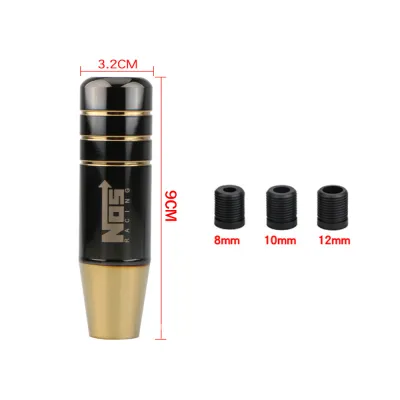
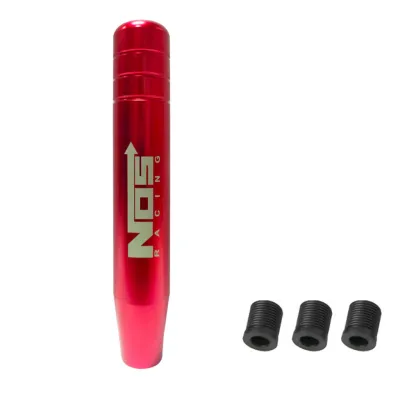
![[Yongyiw]Car Universal LED Crystal Handles Manual Transmission Gear Shift Knob Lever Stick Head for Toyota Honda Hyundai Nissan](https://img.lazcdn.com/g/p/4afd38a14f48d18c48a6d7df901a3c32.jpg_400x400q80.jpg_.webp)
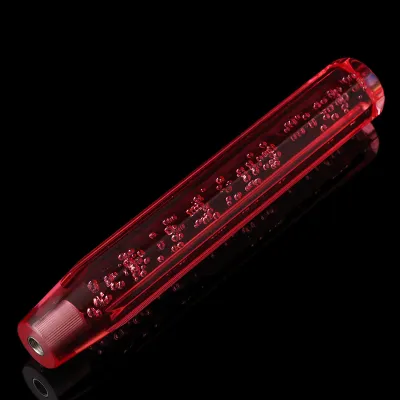

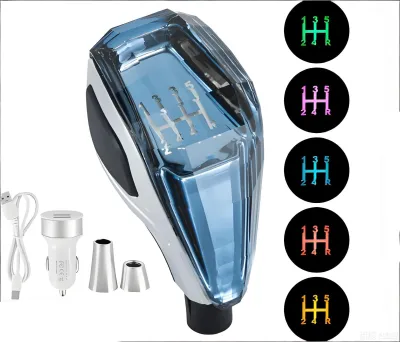
Prices are valid at publication and may change. Please refer to the product page for the latest price.
- Leather: High comfort, low heat retention, moderate grip, but requires frequent maintenance to prevent humidity damage.
- Aluminum: High durability, excellent mechanical feedback, but highly sensitive to temperature extremes.
- Carbon Fiber: Exceptional strength, modern aesthetic, highly resistant to weathering, but carries a premium price tag and offers a lighter feel.
Your choice should match your daily driving environment and maintenance preferences. If you park mostly in shaded garages or office basements and prefer a sporty, weighted throw, metal options are highly rewarding. For those who prioritize a comfortable grip during long, sun-exposed commutes without worrying about burning their palms, leather remains the traditional favorite. Meanwhile, drivers seeking a modern, low-maintenance, and premium look often find carbon fiber to be the ideal long-term investment.
Leather Shift Knobs: Comfort, Grip, and Humidity Management
Leather transmission handles are widely favored for their classic appearance and superior ergonomics. The material naturally conforms to the shape of your hand over time, providing a secure, non-slip grip that enhances driving comfort during long commutes. More importantly for tropical climates, leather acts as a natural insulator, meaning it does not retain extreme heat or cold, allowing you to drive comfortably immediately after starting your vehicle.

However, natural leather is highly vulnerable to the combination of high humidity, cabin heat, and hand sweat. Over time, the acids and moisture from your skin can break down the protective topcoat of the leather, leading to a sticky texture, unsightly peeling, or deep cracking. Synthetic leather options may resist moisture slightly better but can still suffer from adhesive failure and premature peeling when exposed to continuous ultraviolet (UV) radiation through the windshield.
To preserve a leather gear knob, routine maintenance is essential. You should regularly wipe down the surface with a damp microfiber cloth to remove sweat residue and oils. Periodically applying a dedicated leather cleaner and conditioner, strictly following the product label and your vehicle manufacturer’s care instructions, helps maintain the material’s flexibility and prevents dry rot.
Best For: Drivers who prioritize a classic, premium aesthetic and maximum tactile comfort. It is highly suited for those who can park in covered areas or use sunshades, and who do not mind dedicating a few minutes each month to material preservation.
Aluminum Shift Knobs: Durability, Weight, and Thermal Traits
Aluminum and other weighted metal transmission handles are popular choices for performance enthusiasts. Because aluminum can be machined to precise tolerances, these knobs offer a solid, direct connection to the gear linkage, translating to a more mechanical and satisfying shift feel. Many drivers prefer weighted aluminum options because the added mass helps smooth out gear transitions by utilizing kinetic energy to push the shifter into gear.
The primary drawback of an aluminum knob in a tropical climate is its high thermal conductivity. When a car is parked under direct sunlight, an aluminum knob absorbs heat rapidly, often becoming too hot to touch safely without a cover or pre-cooling the cabin. Conversely, if your vehicle’s air conditioning is running on high, the metal can become uncomfortably cold to the touch.
The physical finish of the aluminum also plays a major role in its daily usability:
- Anodized Finishes: Provide excellent scratch resistance and allow for various color options, though they still absorb heat quickly.
- Polished Aluminum: Offers a classic, mirror-like shine but is highly prone to showing fingerprints, micro-scratches, and reflecting glare into the driver's eyes.
- Matte or Brushed Finishes: Reduce glare and hide minor imperfections well, while offering a slightly more textured grip.
Best For: Enthusiasts looking for a durable, modern, and mechanically engaging driving experience. This material is best suited for drivers who regularly use windshield sunshades, park in covered spaces, or keep a small cloth cover over the knob when the vehicle is parked outdoors.
Carbon Fiber Shift Knobs: Lightweight Performance and Weather Resistance
Carbon fiber has transitioned from high-end motorsport applications to everyday road cars, offering an exceptional strength-to-weight ratio. A genuine carbon fiber transmission handle is incredibly tough, completely immune to rust or corrosion, and highly resistant to the structural degradation caused by extreme humidity. Tactilely, it provides a smooth, modern surface that does not retain heat to the same extreme degree as solid aluminum.
While carbon fiber excels in durability, it is typically much lighter than metal alternatives. If you prefer a heavy, weighted feel to assist with manual shifts, a pure carbon fiber knob might feel too light or sensitive, though some manufacturers solve this by inserting a weighted metal core inside the carbon fiber shell. Additionally, prolonged exposure to intense UV rays can cause the clear epoxy resin coating on lower-quality carbon fiber to turn yellow or become cloudy over time.
When shopping, it is crucial to distinguish genuine carbon fiber from cheap imitations. Real carbon fiber features a distinct, three-dimensional weave pattern that catches the light differently as you change your viewing angle. In contrast, hydro-dipped plastics, vinyl wraps, or printed patterns look flat, lack structural strength, and are highly prone to scratching or peeling under daily wear. Prices reflect this difference, with basic synthetic covers starting under ₱1,000, while genuine, structurally reinforced carbon fiber units often exceed ₱5,000.
Best For: Drivers who want a high-tech, premium interior style with minimal maintenance requirements. It is an excellent choice for those who want a durable, weather-resistant upgrade that withstands the tropical climate without requiring constant conditioning.
Installation and Compatibility: Verifying Fitment for Your Transmission Handle
Before purchasing any aftermarket transmission handle, verifying mechanical compatibility with your specific vehicle is essential for safe operation. Unlike universal accessories, a shift knob must secure tightly to the shifter shaft to prevent slipping, spinning, or detaching while you are driving, which could lead to a dangerous loss of vehicle control.
Thread Pitch and Adapters Most manual and gated automatic vehicles use a threaded shifter shaft. You must match the internal thread pitch of the new knob to your vehicle’s shaft (common sizes include M10x1.5, M12x1.25, or M8x1.25). While many aftermarket knobs include plastic or metal universal adapters, using a vehicle-specific, threaded metal adapter or a direct-fit knob is always recommended to ensure a secure, vibration-free fit.
Weight and Synchronizer Wear If you are selecting a heavily weighted metal knob, consider its impact on your transmission. While a heavier knob makes shifting feel smoother, resting your hand on the shifter or using an excessively heavy knob can put continuous pressure on the shift forks and synchronizers. Over time, this unnecessary friction can lead to premature wear of internal transmission components.
Safety, Clearance, and Reverse Lockouts Ensure that the physical dimensions of the new knob do not interfere with nearby controls, the handbrake, or storage compartments. If your manual vehicle features a pull-up collar for reverse lockout, you must verify that the base of the aftermarket knob has sufficient clearance to allow the lockout mechanism to engage and disengage fully. Always consult your vehicle’s owner manual and the product’s installation guide to verify compatibility before making any modifications.
Frequently Asked Questions (FAQ)
Can I use a leather shift knob if my hands sweat a lot?
Yes, but you should take specific precautions to prevent the material from deteriorating. If you experience sweaty palms, choose a perforated or high-quality synthetic leather knob, as these options offer better breathability and moisture resistance than smooth genuine leather. Alternatively, keeping a microfiber cloth in your glove box to wipe down the handle after driving, or using lightweight driving gloves, will significantly extend the lifespan of the material. If low maintenance is your priority, a textured carbon fiber or matte aluminum knob may be a more practical choice.
Will a heavy aluminum shift knob damage my manual transmission?
A weighted aluminum shift knob itself will not damage your transmission if used correctly, but your driving habits can. The extra weight helps ease the shifter into gear, but resting your hand on the knob while driving can apply constant, subtle pressure to the shift forks, leading to premature synchronizer wear. To protect your transmission, avoid resting your hand on the gear lever when not shifting, and ensure the knob’s weight is within reasonable limits (typically under 500 grams) as recommended by experienced tuners or your vehicle’s manufacturer.
How do I clean and maintain a carbon fiber shift knob?
Cleaning a carbon fiber shift knob is straightforward but requires gentle materials to avoid scratching the clear coat. Wipe the surface regularly using a clean, soft microfiber cloth dampened with water and a mild, pH-neutral soap. Avoid using harsh chemical solvents, alcohol-based cleaners, or abrasive scrubbing pads, as these can strip or cloud the protective resin coating. To protect the resin from UV-induced yellowing, you can periodically apply a high-quality automotive wax or sealant that contains UV blockers, following the product’s specific application instructions.

Community discussion
Share your experience or ask a question. Comments are reviewed before publication.