
To protect your Yamaha NMAX 155 from the harsh environmental conditions of the Philippines, the best waterproof cover must offer more than simple water resistance. It requires a combination of high-denier waterproof fabrics, heat-sealed seams, UV-reflective coatings, and a tailored fit that accounts for the scooter’s specific dimensions. Because many NMAX owners install aftermarket modifications like tall windshields or top boxes, the ideal cover must also provide flexible sizing options and secure wind-fastening systems to withstand tropical storms.
Why the Philippine Climate Demands a Specialized NMAX Cover
The Philippine climate presents a unique set of challenges for motorcycle preservation. During the monsoon season, heavy downpours can dump inches of rain in a matter of hours, while the dry season brings intense, direct UV radiation. High relative humidity levels persist year-round, creating a microclimate that can accelerate corrosion and material degradation if your scooter is left exposed to the elements.
A standard dust cover is insufficient for these conditions. Basic covers are often made of thin, non-treated polyester that allows water to seep through during prolonged rain. Once wet, a low-quality cover can trap moisture underneath, creating a greenhouse effect that accelerates rust on exposed metal components, such as the brake discs, exhaust headers, and suspension shocks.
Products mentioned in this guide
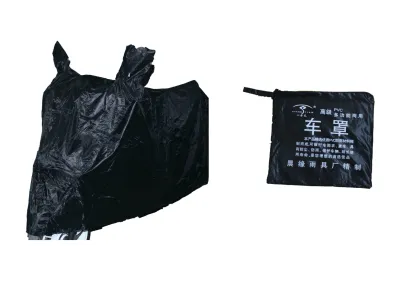
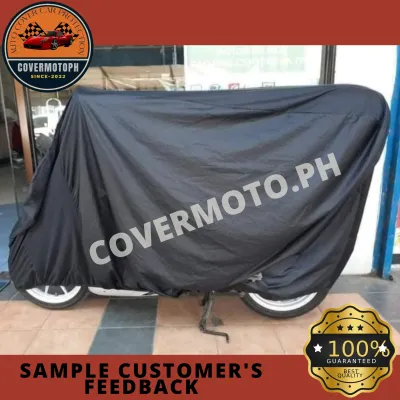
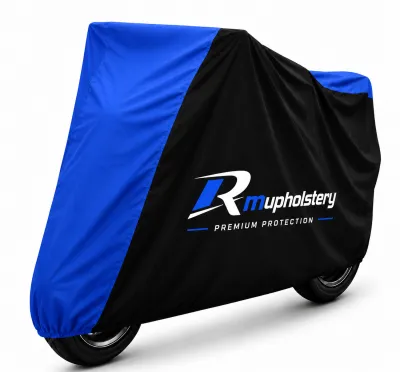
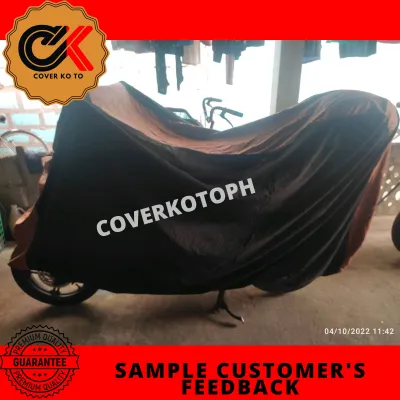
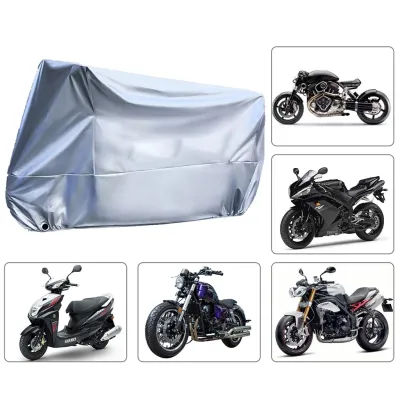
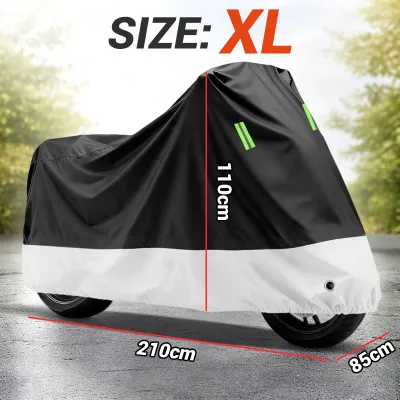
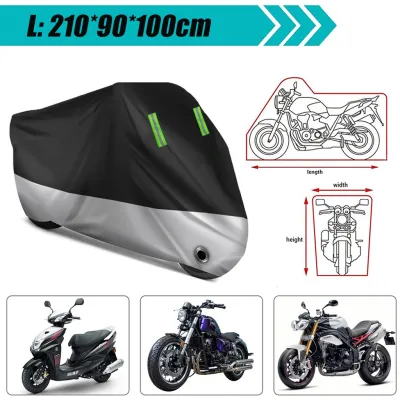
![[HOT]Waterproof Motorcycle Cover Universal All Weather Dust UV Protection 3-Layer Scooter Bike Cover](https://img.lazcdn.com/g/p/b550ae906d466cf8379d845e957fc742.jpg_400x400q80.jpg_.webp)
Prices are valid at publication and may change. Please refer to the product page for the latest price.
The Yamaha NMAX has specific vulnerabilities that require targeted protection. Its digital LCD dashboard is highly sensitive to prolonged UV exposure, which can cause screen fading, polarization damage, and eventual electronic failure. Additionally, the premium paint finishes on the body panels and the intricate stitching of the dual-seat design are prone to fading, cracking, and water ingress if left unprotected under the tropical sun.
Choosing a true waterproof cover with high hydrostatic pressure resistance ensures that water is deflected away from these sensitive areas. It acts as a physical barrier against acidic rain, bird droppings, tree sap, and airborne dust, preserving both the aesthetic appeal and the resale value of your maxi-scooter.
Key Features to Evaluate When Buying a Waterproof NMAX Cover
Exact Fitment and NMAX-Specific Clearances
Before purchasing any cover, you must verify its dimensions against the physical footprint of your Yamaha NMAX. The standard NMAX 155 measures approximately 1,935 mm in length, 740 mm in width, and 1,160 mm in height. However, these stock dimensions change significantly if you have installed common aftermarket upgrades.

If your scooter is equipped with a tall touring windshield, a rear top box, or wide aftermarket side mirrors, a standard-sized medium cover will likely be too short. It may leave the lower wheels exposed or put excessive tension on the fabric, leading to premature tearing. You should measure your modified scooter from the front tire to the outermost edge of the top box to determine the exact length and height required.
Dedicated mirror pockets are another critical feature to look for. These pockets accommodate the mirrors without stretching the main body of the cover, reducing stress on the seams and keeping the fabric properly aligned.
To prevent the cover from acting like a sail during strong typhoon winds, ensure it features elasticized front and rear hems. An adjustable belly strap that buckles underneath the chassis is essential to keep the cover securely anchored, preventing it from flapping violently or blowing away entirely.
Fabric Types and Waterproofing Construction
The durability of a waterproof cover depends heavily on its base material and protective coatings. Oxford cloth is one of the most reliable options, with denier ratings (such as 300D, 600D, or even 1200D) indicating the thickness and strength of the individual threads. Higher denier fabrics offer superior tear resistance and longevity but are heavier to handle.
Look for fabrics that specify a polyurethane (PU) or polyvinyl chloride (PVC) inner coating, which provides the actual barrier against water penetration. A silver-coated outer layer is equally important in the Philippines, as it reflects harmful ultraviolet rays, keeping the temperature underneath the cover cooler and protecting the fabric itself from UV-induced degradation.
Seam construction is the ultimate test of a cover’s waterproofing capability. Standard stitched seams contain thousands of tiny needle holes that will inevitably leak during heavy tropical downpours. High-quality waterproof covers feature heat-sealed or taped seams, where a waterproof tape is thermally applied over the stitching to create an impenetrable barrier.
Avoid cheap, untreated plastics or basic nylon covers that lack UV stabilizers. Under the intense Philippine sun, these materials quickly become brittle, losing their flexibility and cracking along fold lines within just a few months of outdoor exposure.
Wind Resistance and Anti-Theft Integration
High winds are a common occurrence during the rainy season, making secure fastening mechanisms a top priority. A quality cover should feature heavy-duty windproof buckles located at the center or bottom of the cover. These straps buckle underneath the frame of the NMAX, holding the cover tight against the body of the scooter.
In addition to belly straps, look for adjustable drawstrings at the front and rear hems. These allow you to cinch the cover tightly around the tires, minimizing the amount of wind that can enter from underneath and lift the cover.
Security is another major concern when parking outdoors. Look for covers with reinforced lock holes or grommets near the front and rear wheels. These openings allow you to pass a heavy-duty disc lock, U-lock, or steel cable through both the cover and the scooter’s wheel.
This integration serves a dual purpose. It deters opportunistic thieves from stealing the cover itself, and it adds an extra layer of security for your NMAX by keeping your physical locks covered and protected from direct rain, reducing the risk of lock mechanism corrosion.
Recommended Cover Profiles for Different Parking Scenarios
Heavy-Duty Multi-Layer Covers for Outdoor Parking
For riders who must park their Yamaha NMAX outdoors long-term without the protection of a carport or garage, a heavy-duty multi-layer cover is the most robust solution. These covers typically feature a three-layer or four-layer construction designed to handle continuous exposure to harsh weather.
The outer layer is usually a high-denier, UV-resistant fabric that deflects sunlight and resists tearing. Beneath this lies a waterproof membrane that blocks liquid water while allowing microscopic vapor to escape. The innermost layer is made of a soft, non-abrasive material, such as brushed cotton or fleece, which prevents the cover from scratching the NMAX’s delicate plastic bodywork and glossy paint.
A crucial feature of heavy-duty outdoor covers is the inclusion of heat-resistant panels near the lower rear section. These panels are made from specialized materials that can withstand high temperatures, allowing you to cover your scooter shortly after parking without melting the fabric onto the hot exhaust muffler.
The primary trade-off with multi-layer covers is their bulk and weight. They are difficult to fold into a compact size, making them impractical for daily commuting where storage space is limited. They are best suited for permanent home parking where the cover remains in one place.
Lightweight Daily-Use Covers for Commuters
If you commute daily to work or school and need to protect your NMAX in open parking lots, a lightweight, highly portable cover is the ideal choice. These covers are typically constructed from single-layer, medium-denier Oxford cloth (such as 190T or 210D polyester) with a protective PU coating.
The main advantage of a lightweight cover is its portability. It can be folded quickly and packed into a compact storage pouch that easily fits inside the NMAX’s 23.3-liter under-seat utility box (U-box) or a standard backpack. This allows you to deploy the cover within seconds when a sudden afternoon downpour begins.
However, you must manage your expectations regarding the long-term durability of lightweight materials. Because they are thinner, they are more susceptible to UV degradation over time and may require replacement more frequently than heavy-duty options. They are also more prone to water pooling and slow seepage during prolonged, multi-day monsoon rains.
Ventilated and Reflective Covers for Street Parking
Parking on busy public streets or in shared residential alleys introduces specific safety and environmental risks. For these scenarios, you should prioritize covers equipped with built-in air vents and high-visibility reflective elements.
In the humid Philippine climate, air vents are essential for preventing moisture buildup. These vents are typically designed as covered mesh flaps that allow cross-ventilation. They let warm, humid air escape from underneath the cover while preventing rainwater from entering, reducing the risk of mold, mildew, and rust on your scooter’s metal surfaces.
Reflective strips or high-visibility logos are critical for night safety, especially when parking in poorly lit areas. These reflective elements ensure that passing motorists, delivery riders, and pedestrians can clearly see the outline of your parked NMAX in the dark or during heavy rainstorms, reducing the risk of accidental collisions.
How to Verify Quality and Fit on E-Commerce Platforms
When shopping for a waterproof NMAX cover on online marketplaces, you must navigate a vast sea of generic listings. To find a cover that actually fits, avoid searching for broad terms like “motorcycle cover.” Instead, use highly specific search queries such as “Yamaha NMAX 155 waterproof cover with mirror pockets” or “NMAX cover with top box fit.”
Do not rely solely on the polished, heavily edited product images provided by the seller. These images often show a perfect fit on a different motorcycle model or use digital rendering. Instead, scroll down to the user review section and carefully examine the photos uploaded by actual buyers in the Philippines.
Look specifically for photos of the cover installed on a Yamaha NMAX. This will give you a realistic view of how the cover drapes over the front fender, how well the mirror pockets align, and whether the bottom elastic hem reaches the ground.
Pay close attention to negative reviews and low ratings. Look for recurring complaints regarding seam leakage, strap breakage, or rapid fabric tearing after a few weeks of sun exposure. Additionally, verify the seller’s rating and check if they offer a clear return or exchange policy, which is crucial if the cover arrives with manufacturing defects or does not fit your specific aftermarket setups.
Installation and Maintenance Tips to Protect Your Scooter
To maximize the lifespan of both your waterproof cover and your Yamaha NMAX, you must follow a proper installation and maintenance routine. Before applying the cover, always check the manufacturer’s instructions and safety guidelines.
When installing the cover, start by hooking it over the front tire and front fender, then pull it over the handlebars and mirrors. Gently stretch the fabric over the seat and rear grab bar or top box, then pull the elastic hems down around the rear tire. Finally, reach underneath the scooter to fasten the belly straps and tighten any adjustable drawstrings. This sequence minimizes friction against the paintwork and ensures the cover is centered.
Never cover your NMAX immediately after riding while the engine and exhaust muffler are still hot, unless your cover is explicitly equipped with high-temperature heat shields. Placing a standard cover over a hot exhaust can melt the fabric, damaging both the cover and the exhaust finish, and creating a potential fire hazard.
Additionally, ensure your scooter is relatively dry before covering it. Covering a soaking wet motorcycle traps water vapor underneath, which cannot evaporate easily in high humidity. This trapped moisture can accelerate corrosion on electrical connectors, fasteners, and brake components.
To clean your waterproof cover, hand-wash it using a soft sponge, cool water, and a mild soap. Avoid harsh chemical detergents, bleach, or machine washing, as these can strip away the protective PU or UV-resistant coatings. Always allow the cover to air-dry completely in a shaded area before folding and storing it to prevent mold and mildew growth.
Frequently Asked Questions (FAQ)
Can I cover my NMAX immediately after riding in the rain?
It is highly recommended to wait before covering your NMAX after a wet ride. Covering a hot, wet scooter traps steam and moisture under the fabric, which can accelerate rust on metal parts and damage sensitive electronics like the digital dashboard. Allow the exhaust to cool completely, and if possible, wipe down the seat and handlebars with a dry microfiber cloth before applying the cover.
Will a waterproof cover cause condensation and rust on my NMAX?
Yes, a completely sealed, 100% waterproof cover can trap rising ground moisture and condensation, especially when parked on soil, grass, or damp concrete in high-humidity areas. To prevent this, choose a cover with built-in air vents that promote air circulation, and try to park your scooter on a dry, paved surface whenever possible.

Community discussion
Share your experience or ask a question. Comments are reviewed before publication.