
Selecting the best waterproof motorcycle jacket for daily commuting in the Philippines requires balancing two conflicting forces: torrential tropical downpours and intense, high-humidity heat. The ideal jacket must keep you completely dry during sudden afternoon monsoons while providing enough ventilation to prevent you from soaking in your own sweat during stop-and-go city traffic. To achieve this, daily riders should look for gear that combines a high hydrostatic head rating, breathable membranes, robust abrasion-resistant outer shells, and integrated CE-rated impact armor.
While budget-friendly plastic raincoats are widely available, they lack the structural integrity and safety features required for high-speed riding and slide protection. Investing in a purpose-built, waterproof motorcycle jacket ensures you remain dry, visible, and protected against road rash and impacts, regardless of how severe the weather becomes on your daily route.
Why Generic Raincoats Fail in Heavy City Traffic
Using a generic plastic raincoat or a cheap poncho—locally referred to as a “kapote”—presents significant safety hazards when riding a motorcycle through busy thoroughfares like EDSA, C5, or Commonwealth Avenue. These basic garments are designed for low-speed walking, not the aerodynamic forces experienced on a motorcycle. At speeds above 40 km/h, thin plastic materials flap violently against the body, which quickly leads to driver fatigue, distracting noise, and eventual tearing at the seams.
Products mentioned in this guide
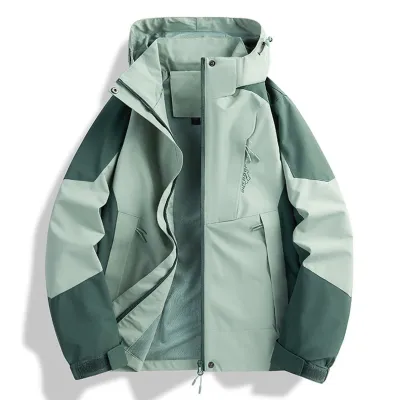
Prices are valid at publication and may change. Please refer to the product page for the latest price.
This violent flapping also creates a sail effect that can destabilize your balance, especially when passing large trucks or navigating strong crosswinds during a storm. Furthermore, loose-fitting ponchos can easily drape over your mirrors, block your view of the instrument cluster, or become tangled in the motorcycle’s moving parts, such as the chain, sprockets, or rear wheel, leading to sudden mechanical lockups and severe accidents.
Generic raincoats also fail to address the physical reality of riding on wet roads, where the risk of losing traction is significantly elevated. A standard plastic raincoat offers zero abrasion resistance; it will instantly melt or shred upon contact with asphalt, leaving your skin completely unprotected in a slide. They also lack pockets for impact-absorbing armor, leaving your shoulders, elbows, and spine vulnerable to fractures.
Water pooling is another major issue with oversized, non-motorcycle rain gear. Water tends to collect in the loose folds around the lap and chest, eventually forcing its way through standard zippers and seams. Within minutes of riding in heavy rain, this pooled water penetrates the garment, leaving you shivering and uncomfortable for the remainder of your commute.
Essential Features for Tropical Rain and Stop-and-Go Traffic
Navigating the unique climate of the Philippines requires riding gear engineered for extreme wet-weather performance without sacrificing hot-weather usability. Understanding the technical specifications of modern riding gear allows you to make an informed purchase that keeps you safe and comfortable year-round.

Waterproofing vs. Water Resistance
It is critical to distinguish between garments labeled as “water-resistant” and those that are truly “waterproof.” Water-resistant jackets typically rely on a simple outer coating of Durable Water Repellent (DWR). While DWR is excellent for light drizzles, it quickly wets out under the pressure of a sustained tropical downpour or the high-velocity impact of raindrops at highway speeds.
For reliable daily commuting, look for jackets featuring a fully waterproof membrane with a hydrostatic head rating of at least 10,000 mm, though 20,000 mm is preferred for heavy monsoons. This rating indicates the amount of water pressure the fabric can withstand before leaking. Additionally, ensure the jacket features fully taped or sealed seams, as water will easily penetrate the needle holes of untreated stitching. Waterproof zippers, often shielded by storm flaps secured with hook-and-loop fasteners, are also essential to prevent water from entering through the front closure and pockets.
Breathability and Humidity Management
In the Philippines, absolute waterproofing can easily result in a “sauna effect” where sweat cannot escape, leaving you just as wet on the inside as you would be from the rain. To prevent this, your jacket must feature a breathable membrane. These membranes contain billions of microscopic pores that are too small for liquid water droplets to pass through, but large enough to allow hot water vapor (sweat) to escape.
Effective humidity management also relies on physical ventilation. Look for jackets equipped with water-resistant ventilation zippers under the arms, across the chest, and on the back. These vents can be zipped open during humid, dry spells or light drizzles to promote airflow, and sealed shut when the downpour intensifies. Moisture-wicking mesh inner liners also help by keeping the waterproof membrane from sticking directly to your skin, improving overall comfort during long idles in traffic.
Abrasion Resistance and Safety Armor
Rainy conditions reduce tire grip and visibility, making high-quality protective armor more critical than ever. A waterproof riding jacket must serve as your primary line of defense in a crash. The outer shell should be constructed from high-denier textiles, such as 500D or 600D polyester, Cordura, or nylon, which are specifically woven to resist tearing and abrasion during a slide.
Inside the jacket, there must be dedicated pockets holding CE Level 1 or Level 2 impact protectors at the elbows and shoulders, along with a pocket for a back protector. These armor pieces absorb and disperse impact energy during a fall. To ensure the armor remains in the correct position during an accident, the jacket should feature adjustment straps on the forearms and biceps to cinch the sleeves tightly around your limbs.
Recommended Jacket Types for Daily Commuters
Different commuting styles, budgets, and storage capacities call for different jacket designs. Understanding the three primary categories of waterproof riding gear will help you choose the best configuration for your daily ride.
Laminated Hardshell Jackets
Laminated hardshell jackets represent the premium tier of wet-weather riding gear. In this construction, the waterproof and breathable membrane is heat-bonded directly to the inner side of the heavy-duty outer shell. This design prevents the outer fabric from absorbing water, a phenomenon known as waterlogging.
- Pros: Because the outer shell does not absorb water, the jacket remains lightweight and dries incredibly fast once you arrive at your destination. You do not have to worry about carrying or installing separate layers when the weather changes.
- Cons: These jackets tend to be stiff and carry a premium price tag, often ranging from ₱15,000 to over ₱40,000. They can also run hot during peak dry-season days because the laminated membrane limits direct airflow to the skin.
- Best For: Dedicated, all-weather commuters who ride high-displacement motorcycles or those who want a single, highly durable jacket that requires no mid-ride adjustments.
Textile Jackets with Removable Waterproof Liners
This modular system is highly popular among Filipino commuters due to its versatility. The jacket consists of a highly ventilated mesh or lightweight textile outer shell, paired with an independent waterproof liner that zips into the inside of the jacket.
- Pros: Excellent value for money, with quality options ranging from ₱5,000 to ₱12,000. On hot, dry days, you can remove the inner liner completely to enjoy maximum airflow through the mesh outer shell. When it rains, you simply stop and zip the waterproof liner back in.
- Cons: If caught in a sudden downpour, you must pull over immediately to install the liner before your inner clothes get wet. Additionally, because the waterproof layer is on the inside, the outer textile shell will absorb water, making the jacket heavy, soggy, and slow to dry.
- Best For: Budget-conscious riders who want one versatile jacket to handle both the scorching dry summer months and the wet monsoon season.
Dedicated Motorcycle Rain Over-Jackets
If you already own a comfortable, highly ventilated mesh or leather summer jacket, a dedicated motorcycle rain over-jacket is a highly practical and cost-effective add-on. These are lightweight, oversized waterproof shells designed to be worn directly over your existing armored riding gear.
- Pros: Highly affordable, typically costing between ₱1,500 and ₱4,000. They pack down extremely small, allowing you to store them under your motorcycle seat or in a small backpack. They keep your primary riding jacket completely clean and dry, protecting it from road grime and dirty water spray.
- Cons: These over-jackets provide zero abrasion or impact protection on their own. They must never be worn over regular casual clothes; they are strictly designed to complement existing armored gear.
- Best For: Daily commuters who prefer wearing lightweight mesh armor during dry hours but need quick, packable rain protection that can be deployed in under a minute.
How to Test Fit and Comfort for the Riding Posture
When buying a waterproof motorcycle jacket, you should never choose a size based solely on your casual t-shirt measurements. Motorcycle gear is cut differently to accommodate the reaching and bending motions required while operating a bike. A jacket that feels comfortable while standing straight in a fitting room may prove restrictive or ineffective once you mount your motorcycle.
To ensure a correct fit, perform the following checks when trying on a jacket:
- Assume the Riding Position: Sit on your motorcycle, or mimic your specific riding posture in the shop. If you ride an underbone or scooter, sit upright with your hands extended to the handlebars. If you ride a sportier bike, lean forward.
- Check Sleeve Length: Ensure the sleeves do not ride up your forearms when reaching for the controls. The cuffs of the jacket should extend fully to your wrists, overlapping with your gloves to prevent wind and rain from blowing up your sleeves.
- Verify Back Coverage: Ensure the rear hem of the jacket is long enough to cover your lower back and waistline while leaning forward. A gap here will allow cold rainwater to run down your pants.
- Test Collar and Helmet Clearance: Fasten the collar completely. Rotate your head from side to side to ensure the collar does not pinch your neck or restrict your helmet's movement. A collar that is too tight will cause chafing, while one that is too loose will act as a funnel for rainwater.
- Check Armor Alignment: Ensure the elbow armor sits directly over your elbow joints when your arms are bent in a riding position, and that the shoulder armor covers the outer caps of your shoulders. The armor should not shift or rotate easily when you move your arms.
How to Maintain Waterproofing in High Humidity
The high humidity and ambient salt air in coastal areas of the Philippines can accelerate the degradation of waterproof membranes and seam tapes if gear is not maintained correctly. Proper care is essential to preserve the jacket’s performance and prevent the growth of mold and mildew.
Always consult the manufacturer’s care label on your specific jacket before cleaning, as care instructions vary by material. As a general rule, never wash your waterproof riding jacket with standard household laundry detergents or fabric softeners. These commercial detergents contain surfactants and optical brighteners that clog the microscopic pores of breathable membranes and strip away the exterior DWR coating. Instead, hand wash the jacket or use a front-loading washing machine on a gentle cycle with a specialized technical wash designed for outdoor gear.
Before washing, remove all impact armor inserts and close all zippers, pockets, and hook-and-loop fasteners to prevent snagging. Once clean, do not wring out the jacket, as this can delaminate the internal membrane and tear the seam tape. Instead, hang the jacket and its liners to air-dry in a shaded, well-ventilated area. Avoid direct tropical sunlight, as prolonged exposure to harsh ultraviolet (UV) rays can degrade the synthetic fibers and weaken the waterproof adhesives.
Over time, you will notice that water stops beading on the outer surface of the jacket and instead begins to soak into the face fabric. When this occurs, it is time to reapply an aftermarket DWR spray. Spray the treatment evenly onto the clean, damp outer shell of the jacket according to the product’s instructions, then allow it to air-dry completely before your next ride.
Frequently Asked Questions (FAQ)
Can I use a regular hiking rain jacket for motorcycle commuting?
No, you should not use a standard hiking rain jacket for motorcycle commuting. While hiking jackets are excellent at keeping rain out at walking speeds, they are not designed to withstand the high-velocity wind pressures experienced on a motorcycle. The thin fabrics will flap violently, potentially tearing at the seams or distracting you while riding. More importantly, hiking jackets lack the abrasion-resistant textiles (like high-denier polyester or Cordura) and the dedicated pockets for CE-rated impact armor that are necessary to protect you in the event of a fall or slide on wet asphalt.
How do I stop my waterproof jacket from smelling musty?
To prevent your waterproof jacket from developing a musty odor, you must dry it thoroughly immediately after every wet ride. Never roll up a wet jacket and stuff it into a top box, under-seat compartment, or a dark closet, as the trapped moisture in our humid climate will rapidly breed mold, mildew, and bacteria. Hang the jacket on a thick, wide hanger in an open room with active airflow, a ceiling fan, or an air conditioner to speed up drying. If the jacket already smells musty, wash it using a specialized gear cleaner with odor-eliminating properties, and ensure it is completely dry before storing it in a cool, dry place.

Community discussion
Share your experience or ask a question. Comments are reviewed before publication.