
Riding a motorcycle during the Philippine monsoon season presents a unique challenge: managing torrential downpours while navigating intense tropical humidity. A standard windbreaker or cheap plastic poncho will not suffice when facing sudden afternoon thunderstorms or prolonged habagat rains. To stay dry and safe, investing in a high-quality waterproof jacket men motorcycle riders can rely on is essential. However, finding the right gear requires understanding the difference between temporary water resistance and true waterproof protection, especially when stop-and-go traffic in Manila or Cebu threatens to turn your jacket into a personal sauna.
Many riders mistake water-resistant gear for fully waterproof apparel. Water-resistant jackets typically rely on a surface-level Durable Water Repellent (DWR) coating that sheds light drizzle but quickly wets through under heavy rain pressure. True waterproof jackets utilize specialized internal membranes or multi-layered laminates that physically block water molecules while allowing smaller sweat vapor molecules to escape. This guide focuses on evaluating these technical jacket structures, ventilation designs, and fit requirements to help you choose the best configuration for your daily commute.
Essential Features of a Waterproof Jacket for Men Motorcycle Commuting
When selecting a waterproof jacket men motorcycle gear checklist should prioritize features that balance water exclusion with thermal comfort. The Philippine climate is notoriously humid, meaning a completely sealed, non-breathable jacket will cause you to soak from your own sweat within minutes of starting your ride.
Products mentioned in this guide
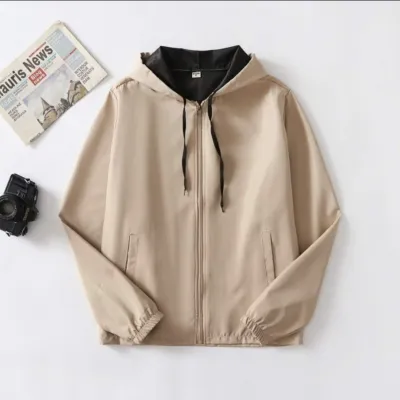
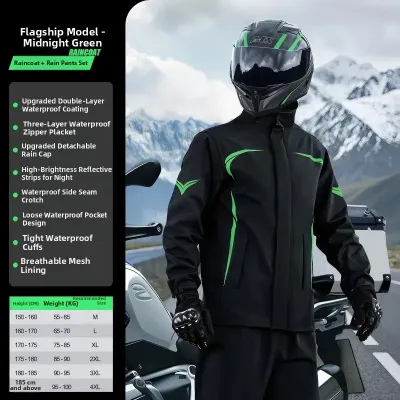
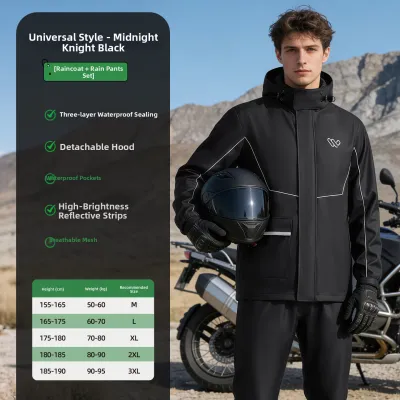
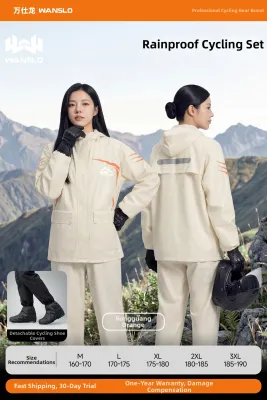
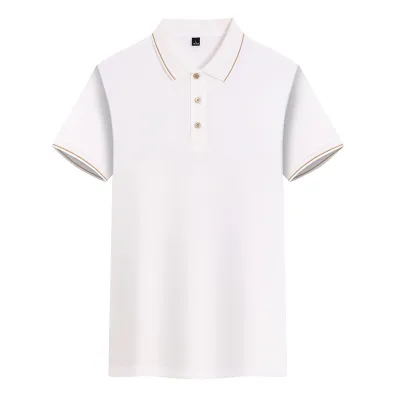
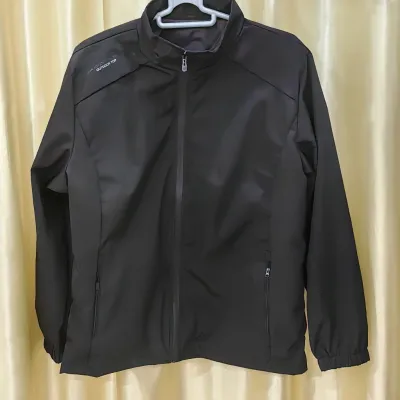
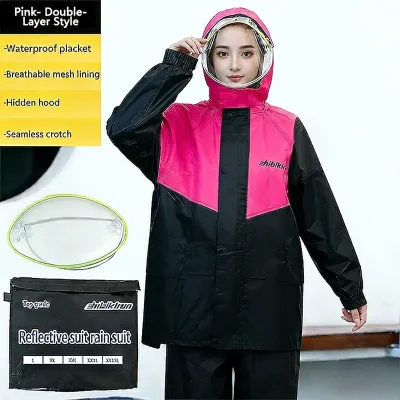
Prices are valid at publication and may change. Please refer to the product page for the latest price.
Waterproof Membranes vs. Liners
Motorcycle jackets achieve waterproofing through either a fixed membrane, a laminated outer shell, or a removable drop-liner. A fixed membrane is sewn inside the jacket’s outer fabric, providing reliable protection but adding bulk. Removable liners offer versatility, allowing you to strip the waterproof layer out during dry, hot mornings. However, when the rain starts, you must pull over to zip the liner back inside, and the outer textile shell of the jacket will still absorb water, becoming heavy and cold. Laminated jackets bond the waterproof barrier directly to the outer shell, preventing water absorption entirely, though they represent a higher initial investment.
Breathability and Ventilation
In a tropical climate, breathability is just as important as waterproofing. Technical membranes rely on a temperature and humidity differential to push sweat vapor outward. When the outside air is saturated with monsoon humidity, this passive moisture transfer slows down significantly. To prevent overheating, look for jackets equipped with mechanical ventilation. These are zippered intake vents on the chest or sleeves and exhaust vents on the back. Crucially, these zippers must be highly water-resistant (often polyurethane-coated) or protected by storm flaps to prevent rain from entering while open or closed.
Safety and Visibility
Rain drastically reduces road traction and motorist visibility. Your wet-weather jacket must double as a protective shield. Ensure any jacket you evaluate features built-in, CE-rated armor at the shoulders and elbows, along with a pocket for a back protector. CE Level 1 or Level 2 armor absorbs impact energy in the event of a slide or fall on slick asphalt. Additionally, look for jackets with integrated retroreflective panels or high-visibility color schemes. During heavy downpours, these reflective elements ensure you remain visible to buses, jeepneys, and cars in low-light conditions.
Collar and Cuff Seals
Water ingress most commonly occurs at the openings of your gear. High-speed riding forces water through the neck collar and up the sleeves. To combat this, select a jacket with adjustable collar closures, preferably lined with soft neoprene to prevent chafing when wet. For the wrists, a double-cuff system or robust hook-and-loop straps are vital. These allow you to seal your gloves either under or over the jacket sleeve, depending on your glove design, creating an effective barrier against wind-driven rain.
Recommended Jacket Structures for Daily Commuters
Because riding conditions, budgets, and commute distances vary across the Philippines, there is no single jacket structure that suits every rider. Understanding the three primary categories of waterproof motorcycle jackets allows you to select the construction that aligns with your specific route and comfort preferences.

Laminated Waterproof Jackets (The Heavy Rain Specialist)
Laminated jackets represent the premium tier of wet-weather riding gear. In this construction, the waterproof and breathable membrane is chemically bonded directly to the tough outer textile shell.
- Pros: Because the membrane is on the outermost layer, the jacket does not absorb water. Rain beads off immediately, preventing the jacket from becoming heavy, waterlogged, or cold. Once you reach your destination, a quick shake removes most of the moisture, allowing the jacket to dry rapidly.
- Cons: Laminated construction is technically complex to manufacture, making these jackets more expensive than other options. Additionally, because the layers are bonded, they tend to be stiffer and offer less overall airflow on hot, dry days compared to mesh jackets.
- Best For: Long-distance commuters, highway riders, and those who must ride through severe, continuous monsoon rains without stopping to change gear.
Mesh or Textile Jackets with Removable Rain Liners (The Versatile Commuter)
This style combines a highly breathable outer shell—often featuring extensive mesh panels—with an independent, zip-in waterproof inner liner.
- Pros: This is the most versatile option for the Philippine climate. During the hot dry season or humid mornings, you can remove the inner liner to enjoy maximum airflow through the mesh panels. When a sudden afternoon thunderstorm strikes, you simply zip the waterproof liner back in.
- Cons: Because the waterproof layer is on the inside, the outer mesh or textile shell will get completely soaked during a downpour. This makes the jacket heavy and slow to dry. Additionally, you must stop and find shelter to install the liner once the rain begins, which can be highly inconvenient during sudden downpours.
- Best For: Daily urban commuters who experience mixed weather conditions, face heavy stop-and-go traffic, and need a single jacket that performs well in both extreme heat and moderate rain.
Dedicated Waterproof Over-Jackets (The Budget Layering Solution)
An over-jacket is a lightweight, packable waterproof shell designed to be worn directly over your standard, armored summer riding jacket.
- Pros: This is a highly cost-effective and practical strategy. It allows you to keep wearing your favorite, highly ventilated mesh jacket during dry spells while providing a 100% waterproof barrier when needed. Because it sits on the very outside, it keeps your primary armored jacket completely dry and clean.
- Cons: These jackets typically lack built-in armor, meaning they offer no impact protection on their own and must always be worn over a proper motorcycle jacket. If not fitted correctly, the lightweight material can flap excessively at highway speeds, causing fatigue.
- Best For: Budget-conscious riders, delivery professionals, and commuters who already own a high-quality summer jacket and want an easy, stowable rain solution to keep in their under-seat compartment or backpack.
Comparing Jacket Types for Your Commute
To help you decide which setup best matches your daily route, budget, and comfort threshold, consider the comparative trade-offs of each jacket structure.
| Jacket Type | Waterproof Reliability | Breathability in Tropical Heat | Drying Time | Weight When Wet | Ideal Commuter Profile |
|---|---|---|---|---|---|
| Laminated Waterproof | Excellent (No water penetration or outer shell soaking) | Moderate (Relies on zippered vents; can feel warm when stopped) | Very Fast (Water beads off outer fabric) | Lightweight (Does not absorb water) | Long-distance riders and daily riders facing severe monsoon downpours |
| Removable Liner | Good (Liner keeps body dry, but outer shell gets wet) | High (Excellent airflow when the inner liner is removed) | Slow (Outer textile shell absorbs water and holds moisture) | Heavy (Outer shell becomes waterlogged) | Mixed-weather commuters who prioritize dry-weather cooling |
| Waterproof Over-Jacket | Excellent (Protects the entire underlying armored jacket) | Low (Typically lacks ventilation; can feel humid inside) | Fast (Lightweight synthetic materials dry quickly) | Lightweight (Thin material does not retain much water) | Budget-conscious riders and those with existing summer mesh gear |
Choosing the right jacket involves balancing these factors. If you prioritize staying completely dry and having gear that dries quickly at the office, a laminated jacket is the optimal choice. If you cannot tolerate riding in the heat without maximum airflow, a mesh jacket with a removable liner or an over-jacket setup will serve you better.
Sizing, Fit, and Layering for Male Riders
A waterproof motorcycle jacket can only perform its job if it fits correctly. Poorly fitting gear not only compromises your comfort but can also jeopardize your safety on the road.
Riding Posture Check
When trying on a jacket, do not simply stand in front of a mirror. Sit on your motorcycle or mimic your exact riding posture. Lean forward and reach for the handlebars. In this position, ensure that the sleeves do not pull back excessively, leaving your wrists exposed to rain and wind. The back of the jacket should be long enough to cover your lower back and kidneys fully, preventing water from running down your pants.
Adjustability Features
Look for jackets equipped with multiple adjustment points. High-quality models feature hook-and-loop waist straps, snap button sleeve adjusters, and collar adjusters. These allow you to customize the fit of the jacket, ensuring that the fabric does not flap at high speeds. Flapping fabric is not only noisy and distracting, but it also accelerates wear on the waterproof membrane and can cause the built-in armor to shift away from your joints.
Accounting for Layers
If you choose a jacket with a removable liner, ensure you try it on with the liner installed. You must also account for whatever you plan to wear underneath during your daily commute, such as a corporate uniform, a polo shirt, or a light sweater. The jacket should be snug enough to keep the shoulder and elbow armor securely positioned over your joints, yet loose enough to allow a full range of motion without binding.
Maintaining Your Waterproof Gear
To preserve the performance and lifespan of your waterproof motorcycle jacket, regular and correct maintenance is essential. Neglecting your gear can lead to clogged membranes, degraded seam tape, and premature water penetration. Always consult the manufacturer’s care label and instructions before washing or treating your specific jacket.
Washing Instructions
Never wash your technical motorcycle jacket with standard household laundry detergents or fabric softeners. Standard detergents contain surfactants that leave a hydrophilic (water-attracting) residue on the fabric, which ruins the DWR coating. Fabric softeners can clog the microscopic pores of breathable membranes, permanently reducing their breathability. Instead, remove all armor inserts and hand-wash the jacket or use a gentle machine cycle with a specialized technical gear wash designed for waterproof textiles.
Reapplying DWR
Over time, friction, dirt, and exposure to road grime will wear away the factory-applied Durable Water Repellent (DWR) coating on the outer fabric. You will know this has happened when rainwater stops beading on the surface and instead begins to soak into the outer textile—a phenomenon known as “wetting out.” To restore this protection, clean the jacket thoroughly and apply a high-quality, spray-on or wash-in DWR treatment formulated specifically for outdoor or motorcycle apparel, following the product’s application instructions carefully.
Drying and Storage
After washing or riding through a storm, never wring out your jacket, as this can crack the internal waterproof membrane and tear the seam tape. Instead, hang the jacket on a wide, sturdy hanger and allow it to air-dry naturally in a well-ventilated indoor space. Avoid exposing the jacket to direct, intense tropical sunlight for extended periods, as UV radiation can degrade synthetic fabrics, weaken seam adhesives, and fade reflective panels over time.
Frequently Asked Questions (FAQ)
Is a water-resistant jacket enough for the Philippine rainy season?
No, a water-resistant jacket is generally insufficient for the intense downpours of the Philippine monsoon season. Water-resistant garments are designed to handle light drizzles or short exposure to moisture. They typically rely solely on a surface DWR treatment without a sealed internal membrane. Under the pressure of highway speeds or heavy, sustained rain, water will quickly force its way through the fabric pores and unsealed seams, leaving you soaked. For reliable protection during the rainy season, a fully waterproof jacket with taped or welded seams is necessary.
How do I stop my waterproof jacket from feeling too hot inside?
To minimize heat buildup in a waterproof jacket, maximize your use of mechanical ventilation by opening all zippered chest, sleeve, and exhaust vents during your ride. Additionally, wear a lightweight, moisture-wicking synthetic or merino wool base layer underneath your jacket. Avoid wearing pure cotton shirts, as cotton absorbs and holds sweat, creating a damp, humid microclimate against your skin. Finally, choose a jacket with highly breathable membranes or opt for a versatile mesh-and-liner combination that you can open up when the rain stops.
Should I buy a one-piece rain suit instead of a jacket?
The choice depends on your riding distance and convenience needs. A two-piece setup consisting of a waterproof jacket and separate rain pants is highly convenient for daily urban commuting, as it is easy to put on, take off, and style with your regular clothes. A one-piece rain suit offers superior, gap-free protection against water ingress because there is no waist seam where water can seep in. However, one-piece suits can be difficult to climb into on the side of the road and can run very hot, making them better suited for long-distance provincial touring rather than short, stop-and-go city commutes.

Community discussion
Share your experience or ask a question. Comments are reviewed before publication.