
Upgrading your vehicle’s interior touchpoints is one of the most satisfying ways to personalize your driving experience. In the Philippines, where daily commutes often involve navigating heavy urban traffic or embarking on long, humid coastal drives, the tactile feel of your controls matters immensely. A wood shift knob offers a unique blend of classic elegance, natural texture, and temperature resistance that synthetic materials simply cannot replicate. Unlike metal knobs that absorb intense cabin heat under the tropical sun and become painful to touch, a properly finished wood knob remains comfortable throughout the day.
The “best” wood shift knob for your car depends on three fundamental pillars: precise mechanical compatibility with your shifter rod, the selection of a dense hardwood that provides a balanced weight, and a robust, climate-resistant protective seal. Finding the perfect match requires understanding your vehicle’s specific thread dimensions, deciding between universal and model-specific mounting systems, and choosing a design that complements your interior aesthetic. By focusing on these critical factors, you can elevate both the visual appeal of your cabin and the physical connection you feel during every gear change.
How to Ensure Fitment for Your Specific Car Model
Before purchasing a wood shift knob, verifying mechanical compatibility is the absolute first step. A beautiful knob is useless if it cannot mount securely to your shifter rod. Because different automotive manufacturers use distinct thread patterns and mounting mechanisms, you must identify your vehicle’s exact specifications rather than relying on generic vehicle category terms.
Products mentioned in this guide
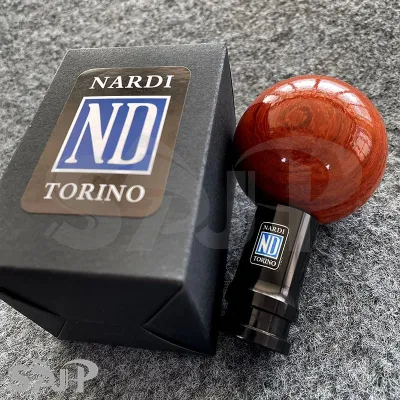

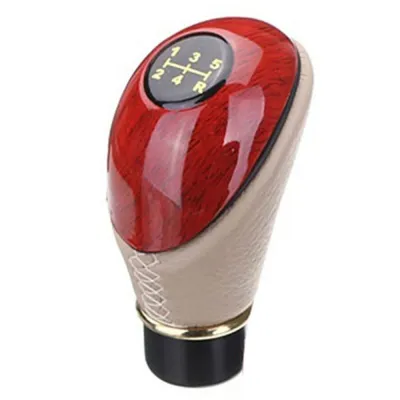
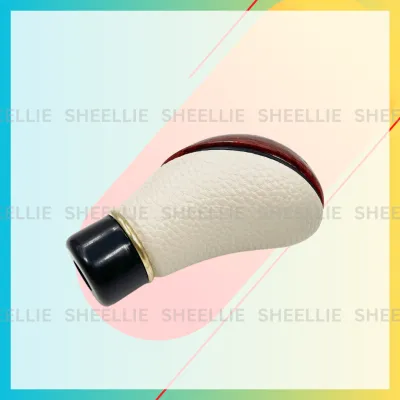
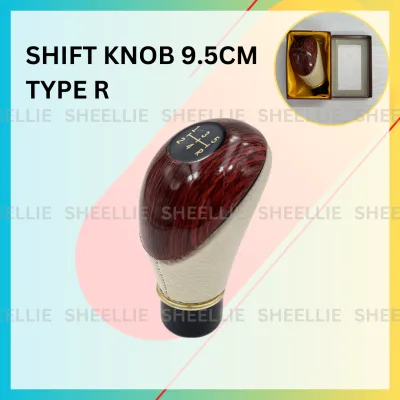
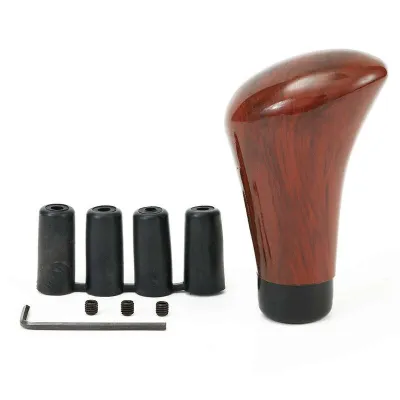
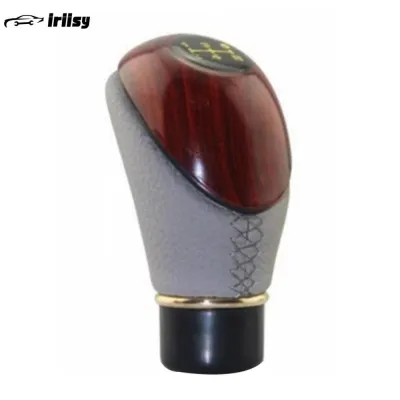
Prices are valid at publication and may change. Please refer to the product page for the latest price.
Understanding Thread Pitch and Size
Most manual transmissions and gated automatic transmissions feature a threaded shifter rod onto which the shift knob screws directly. These threads are defined by two key measurements: the diameter of the rod and the distance between each thread, known as the thread pitch. For example, a common specification is M10x1.25, where “M10” indicates a 10-millimeter diameter and “1.25” represents a 1.25-millimeter thread pitch.
Different manufacturers favor specific thread standards. Many Japanese brands like Toyota, Subaru, and Suzuki frequently use M12x1.25 threads, while Honda and Acura commonly utilize M10x1.5. Nissan, Mazda, and Mitsubishi often opt for M10x1.25. However, these are general trends and not absolute rules; variations exist across different model years, trim levels, and regional specifications.
Guessing your thread size can lead to cross-threading, which permanently strips the soft metal threads of the shifter rod or ruins the internal threads of your new wood knob. To prevent this, always consult your vehicle’s official service manual or use a thread pitch gauge to measure the rod directly before buying. If you are unsure, verifying the dimensions with a qualified mechanic or the vehicle manufacturer is highly recommended.
Using Adapters for Universal and Brand-Specific Knobs
Many aftermarket wood shift knobs are designed as “universal” fitments, meaning they feature a larger unthreaded opening designed to accommodate various adapter sleeves. These kits typically include a selection of threaded inserts made from brass, aluminum, or plastic. To install the knob, you thread the correct adapter onto your shifter rod first, and then secure the wood knob over the adapter using integrated threads or small, hidden set screws.
When choosing a universal knob, the material of the adapter is critical for long-term durability. Brass and aluminum adapters are highly recommended because they resist stripping under the lateral forces of spirited shifting. Cheap plastic adapters, by contrast, can easily warp, strip, or crack over time—especially when exposed to high cabin temperatures—leading to a loose, spinning knob that compromises driving safety.
Ensure that the adapter sits completely flush with both the shifter rod and the base of the knob. Any gap or misalignment can introduce a noticeable wobble, alter the shifting throw, or prevent the shift boot from clipping securely to the underside of the knob. If your car utilizes a pull-up reverse lockout collar (common on many modern six-speed manual transmissions), you must select a knob and adapter specifically machined with a recessed base to allow the collar to slide upward freely.
Automatic vs. Manual Transmission Differences
There is a profound mechanical distinction between the shifter rods of manual and automatic transmissions. Manual shifters are typically solid, passive rods that require no internal mechanical actuation to change gears. Automatic shifters, however, often feature complex internal mechanisms, such as push-buttons, triggers, or shift-lock solenoids, designed to prevent accidental gear transitions.
If your automatic vehicle features a shift-lock button on the side or front of the original knob, a standard threaded manual wood knob will not work. Installing a manual knob on such a system would require bypassing or disabling the safety lockout mechanism, which is a severe safety hazard. Bypassing these safety controls can allow the vehicle to be accidentally bumped into reverse or park while moving, risking catastrophic transmission damage and loss of vehicle control.
For automatic vehicles with button lockouts, you must source a wood shift knob specifically engineered for automatics. These specialized knobs feature integrated mechanical buttons or spring-loaded top-push mechanisms that safely actuate the internal shift-lock rod. If your automatic vehicle features a gated shifter (where you physically slide the lever through a zigzag path without pressing a button), you can often use a standard threaded knob, provided the thread pitch matches the rod.
Recommended Wood Types and Finishes for Tropical Climates
The climate of the Philippines presents a challenging environment for natural wood products inside a vehicle. High relative humidity, intense UV exposure from parking outdoors, and sweat from the driver’s hands can quickly degrade unprotected wood. Selecting the right species of hardwood and a resilient protective finish is essential to ensure your shift knob remains durable and beautiful for years.

Best Hardwoods for Durability and Aesthetics
When selecting a wood shift knob, prioritize dense, close-grained hardwoods over softwoods. Dense hardwoods possess high structural integrity, natural resistance to denting, and a satisfying physical weight that aids shifting momentum. Some of the finest hardwoods suited for automotive interiors include:
- Walnut: Known for its rich, dark brown tones and striking grain patterns, walnut is highly stable and resists warping under temperature fluctuations.
- Rosewood: An exceptionally dense and naturally oily hardwood that offers deep reddish-brown hues and excellent resistance to wear and moisture.
- Mahogany: A classic luxury wood featuring a fine, even texture and a warm reddish luster that complements traditional leather upholstery.
- Maple: An incredibly hard, light-colored wood that provides a clean, modern aesthetic and outstanding resistance to impact and abrasion.
Avoid softwoods such as pine, fir, or cedar for daily-use shift knobs. These woods are highly porous, easily dented by rings or fingernails, and prone to absorbing moisture from sweaty palms, which eventually leads to rot and structural failure. A high-quality hardwood knob provides a solid, premium feel that enhances the tactile feedback of your transmission’s linkages.
Essential Finishes for Humid Environments
An unfinished or poorly sealed wood knob will rapidly deteriorate in a tropical climate. High humidity causes raw wood to absorb airborne moisture, leading to swelling, warping, and eventual cracking. Furthermore, the natural acids, salts, and oils from your hands will penetrate unsealed wood, causing unsightly dark stains and harboring bacteria.
To protect the wood, ensure the knob is sealed with a robust, high-quality clear coat. Marine-grade polyurethane, high-build epoxy resin, and automotive-grade clear coats are the gold standards for cabin protection. These finishes create an impermeable, UV-resistant barrier that shields the wood from intense sunlight and prevents moisture absorption. A proper seal also ensures the surface remains smooth and easy to clean.
Avoid shift knobs finished only with light wax or simple mineral oils for daily drivers in humid regions. While oil finishes offer a highly natural feel, they provide minimal protection against moisture and require frequent, tedious reapplication to prevent the wood from drying out. Be cautious of cheap finishes that feel sticky or tacky when exposed to high cabin temperatures; a premium finish should remain smooth, hard, and comfortable even after hours of parking under the sun.
Design Styles to Match Your Vehicle's Interior
A wood shift knob should feel like a natural extension of your car’s cabin design rather than an afterthought. Depending on your vehicle’s make, model, and overall interior theme, you can choose from several distinct aesthetic styles to achieve a cohesive, premium look.
Classic Spherical and Teardrop Shapes
Spherical (perfectly round) and teardrop shapes are timeless designs that pay homage to classic sports cars and vintage luxury vehicles. These shapes are highly versatile, offering a uniform grip from any angle, which is particularly beneficial for drivers who prefer to cup the knob from the top. A polished walnut or mahogany sphere pairs beautifully with vintage wood-rimmed steering wheels, leather upholstery, and retro-inspired builds.
For modern daily drivers with understated interiors, a simple, unadorned teardrop wood knob adds a touch of warmth and sophistication without looking overly aggressive. The clean lines of these traditional shapes respect the original design language of older Japanese classics, European roadsters, and luxury sedans alike.
Ergonomic and Contoured Grips
If you prefer a more active, spirited driving style, ergonomic or contoured wood knobs are an excellent choice. These designs feature subtle finger grooves, flattened sides, or anatomical palm swells engineered to fit the natural contours of your hand. Ergonomic shapes are particularly useful for drivers who grip the shifter from the side (often referred to as a pistol grip or pistol-style hold).
By distributing hand pressure more evenly, contoured grips can reduce hand fatigue during long drives or heavy stop-and-go traffic in congested urban areas. These shapes provide a highly secure, slip-resistant hold, ensuring precise gear engagement during quick shifts. When executed in a dark hardwood like rosewood or ebony, an ergonomic knob bridges the gap between classic craftsmanship and modern performance design.
Custom Engravings and Inlays
For a truly bespoke interior, consider wood shift knobs that feature custom engravings or material inlays. Laser-engraved shift patterns (such as classic 5-speed or 6-speed H-patterns) add a functional, factory-like appearance to the top of the knob. Some custom builders also offer personalized logos, emblems, or decorative borders engraved directly into the wood.
Material inlays provide another layer of visual contrast and functional benefit. Many premium wood knobs feature integrated metal cores—often made of brass or stainless steel—which add substantial weight to the assembly while presenting a polished metallic accent on the surface. Hybrid designs that combine rich hardwoods with colored epoxy resins or carbon fiber accents offer a striking, contemporary look for modern sports cars. Always ensure that any engraving or inlay is finished perfectly flush with the wood surface so it does not irritate your palm during gear changes.
Where to Shop and What to Verify Before Buying
Sourcing a high-quality wood shift knob in the Philippines requires careful selection to avoid low-grade imitations. Excellent options can be found through specialized automotive accessory boutiques, dedicated online marketplaces, or local custom woodworkers who specialize in bespoke car parts.
When shopping, be highly vigilant against suspiciously cheap products. Many low-cost items advertised as “solid wood” are actually hollow plastic or metal knobs wrapped in a cheap, hydro-dipped wood-grain vinyl. These imitation products lack the warmth, texture, and durability of genuine hardwood, and the vinyl wrap will quickly peel or bubble when exposed to tropical heat. Genuine wood knobs will have unique, non-repeating grain patterns and a distinct natural weight.
Upon receiving your shift knob, perform a thorough physical inspection before attempting installation:
- Inspect the finish: Hold the knob under a bright light and check the clear coat for tiny bubbles, rough patches, cracks, or uneven thickness.
- Verify the threads: Look inside the mounting hole to ensure the internal threads (or the included adapter threads) are cleanly machined, uniform, and free of wood shavings or metal debris.
- Check the hardware: Confirm that all necessary adapters, set screws, and hex keys specified in the product description are included in the package.
Installation Steps and Safety Boundaries
Installing a new shift knob is a straightforward process, but it must be performed with care to prevent damage to your vehicle’s shifter mechanism. Always prioritize safety and follow a systematic approach to ensure a secure, permanent fit.
Step-by-Step Installation Guide
- Secure the Vehicle: Park your car on a flat, level surface, engage the handbrake firmly, and turn off the engine. Place the transmission in neutral (for manuals) or park (for automatics).
- Remove the Original Knob: Unscrew your original shift knob counterclockwise. If your vehicle features a collar or shift boot attached to the base of the knob, carefully unclip or separate them first to avoid tearing the material. Check for any hidden set screws near the base that must be loosened with an Allen key before unscrewing.
- Clean the Shifter Rod: Use a soft brush or a dry microfiber cloth to clean the exposed threads of the shifter rod. Remove any accumulated dirt, old adhesive, or debris.
- Install the Adapter (If Applicable): If you are using a universal knob, select the adapter that matches your rod's thread pitch. Thread the adapter onto the rod by hand until it is snug. Do not use pliers or wrenches that could damage the adapter's external threads.
- Mount the Wood Knob: Carefully align the new wood shift knob with the threaded rod or adapter. Slowly thread the knob clockwise by hand. Safety Warning: If you feel sudden resistance or binding, stop immediately. Back the knob off and check for cross-threading. Forcing a misaligned knob will permanently strip the threads.
- Align and Tighten: Continue threading the knob until it is snug and bottomed out. If your knob has an engraved shift pattern, ensure it is aligned correctly. If the knob uses set screws, tighten them evenly using the provided hex key to center the knob on the shaft.
Critical Safety Checks
Once the installation is complete, perform a rigorous physical check before starting the engine. Grab the shift knob firmly and perform a “tug-and-twist” test. Attempt to twist the knob and pull it upward with moderate force; there should be absolutely zero wobble, play, or rotational movement. A loose shift knob can suddenly unscrew or detach during a rapid gear change, causing a severe distraction and leading to a loss of vehicle control.
Additionally, depress the clutch (or brake pedal) and cycle through every gear, including reverse. Verify that the shift boot does not bind, that the knob does not interfere with any interior trim, and that any reverse lockout mechanism operates smoothly. If your vehicle’s shifting feel seems altered, or if the knob prevents complete gear engagement, stop immediately, remove the knob, and consult a professional mechanic before driving.
Apply a mild, removable threadlocker (such as blue threadlocker) to the threads only if specifically recommended by the shift knob manufacturer. Never use permanent red threadlocker, as this will prevent future removal and can permanently damage the shifter assembly during disassembly.
Frequently Asked Questions (FAQ)
Will a heavy wood shift knob damage my transmission?
A moderately weighted wood shift knob is generally safe and can actually improve your shifting experience. The added mass acts as a counterweight, helping to smooth out the mechanical resistance of the gear linkages and allowing the shifter to slide into gear more effortlessly. However, excessively heavy custom knobs (such as those with oversized solid steel cores) can put constant resting pressure on the internal shifter forks and selector cables. Over time, this continuous weight can lead to premature wear on your transmission’s synchronizers and bushings, resulting in a loose, sloppy shifting feel.
How do I clean and maintain a wood shift knob?
To preserve the protective clear coat and the natural beauty of the wood, wipe the knob regularly with a clean, dry microfiber cloth to remove hand sweat, dirt, and skin oils. For deeper cleaning, use a slightly damp microfiber cloth with a highly diluted, mild interior cleaner. Never use harsh chemical solvents, ammonia-based cleaners, or high-strength alcohol sanitizers on a wood shift knob. These aggressive chemicals will rapidly dissolve, cloud, or strip away the protective polyurethane or epoxy clear coat, leaving the raw wood vulnerable to moisture, staining, and cracking.
Can I install a manual wood shift knob on an automatic car?
You cannot safely install a standard manual threaded wood shift knob on an automatic transmission that requires a push-button release mechanism to shift gears. Bypassing or disabling this safety lockout button is highly dangerous, as it allows the vehicle to be accidentally shifted into an incorrect gear while driving. You can only install a manual-style wood knob on an automatic car if the vehicle features a gated shifter path (which requires no button) or if you purchase a specialized automatic-specific wood knob that features an integrated, functional release button mechanism. Always consult your vehicle’s documentation to verify compatibility before making any modifications.

Community discussion
Share your experience or ask a question. Comments are reviewed before publication.