
When purchasing a Biltwell helmet, understanding safety certifications is the most critical step in ensuring your personal protection and legal compliance on the road. Biltwell helmets are manufactured to meet various international safety standards, but the specific certifications—such as DOT, ECE, or SNELL—depend entirely on the model, the production year, and the region for which the helmet was originally packaged. To ride confidently, you must know how to identify these safety labels, verify their authenticity, and understand how they align with local road safety laws.
In the Philippines, riding with a high-quality helmet is not just a matter of personal safety; it is also a strict legal requirement. While international standards like DOT and ECE guarantee that a helmet has undergone rigorous impact and penetration testing, local regulations require specific physical markings to prove compliance during roadside inspections. Knowing how to verify these certifications before you buy protects you from counterfeit products and ensures your gear is fully authorized for local use.
Understanding Key Helmet Safety Standards
To make an informed decision when buying a Biltwell helmet, you must first understand what each safety certification actually guarantees. These standards are established by different regulatory bodies, each employing unique testing methodologies to evaluate how well a helmet protects your head during an accident.
Products mentioned in this guide
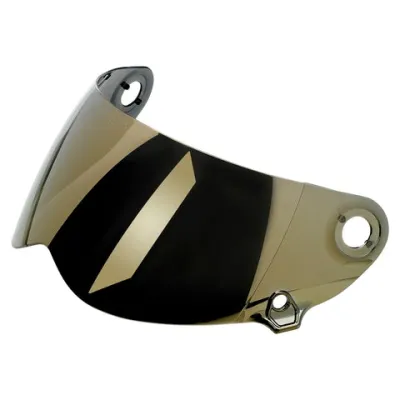
Prices are valid at publication and may change. Please refer to the product page for the latest price.
The DOT certification is the federal standard established by the Department of Transportation in the United States, specifically under Federal Motor Vehicle Safety Standard (FMVSS) No. 218. This is a self-certification system, meaning that manufacturers are legally responsible for testing their own helmets to ensure they meet the required safety criteria before placing them on the market. The government then conducts random spot-testing of helmets purchased from retail shelves to verify compliance. DOT testing evaluates impact attenuation, penetration resistance, and the strength of the retention system under various environmental conditions.
The ECE certification, established by the Economic Commission for Europe (specifically ECE 22.05 or the newer ECE 22.06), is a widely accepted international standard used in over 50 countries. Unlike the DOT system, ECE requires mandatory batch testing in independent laboratories before any helmet can be sold to the public. This rigorous process ensures that every production run meets strict safety guidelines. The testing protocols evaluate impact absorption, rotational forces, chin strap durability, and visor optical clarity. The newer ECE 22.06 standard introduces even more stringent requirements, including low-velocity impact tests and angled rotational impact testing to better simulate real-world motorcycle accidents.
The SNELL certification is a voluntary safety standard developed by the Snell Memorial Foundation, a non-profit organization. SNELL standards are updated every five years and are highly focused on racing and high-impact scenarios. The testing involves higher drop heights, multiple impacts on the same location of the shell, and testing with different anvil shapes to simulate extreme crash conditions. While some specialized racing helmets carry SNELL certification, most daily-use street helmets, including many retro-style Biltwell models, focus on meeting DOT or ECE standards instead.
A single Biltwell helmet can hold one or multiple certifications depending on the specific model and the market for which it was produced. For example, a Biltwell Gringo sold in the United States may carry a DOT sticker, while the version distributed in Europe carries an ECE certification. Some models are dual-certified, meeting both standards to offer riders the benefits of both testing methodologies.
How to Verify Certifications on a Biltwell Helmet
Verifying the safety certifications on a Biltwell helmet requires a physical inspection of the helmet’s exterior and interior, as well as cross-referencing the model specifications with official manufacturer documentation. Counterfeit helmets are a significant risk, especially when purchasing from unverified online sellers, so knowing what to look for is essential.

First, inspect the exterior and interior labels for specific certification markings. On a genuine DOT-certified Biltwell helmet, the DOT label is located on the lower back of the outer shell. This label is typically applied under the clear coat of the paint, making it impossible to peel off without damaging the finish. The label must display the manufacturer’s name (“Biltwell”), the specific model name (such as “Gringo S” or “Lane Splitter”), the word “DOT”, and the phrase “FMVSS No. 218 Certified”. If the label is a simple paper sticker slapped on top of the paint, or if it lacks the model name, it may be a counterfeit.
For ECE-certified Biltwell helmets, you will find a polyester tag sewn directly onto the chin strap. This tag contains a circle with the letter “E” followed by a number, which indicates the European country that granted the certification (such as E1 for Germany or E11 for the United Kingdom). Below this, you will see a series of numbers starting with “05” or “06” (the ECE version) followed by the approval number and a letter indicating the type of chin bar protection (such as “P” for protective full-face helmets).
Second, cross-reference the specific Biltwell model with the official Biltwell website or authorized dealer specifications. Match the exact model name and production year to confirm its certified status. For instance, older versions of certain open-face models might have different certifications compared to the latest production runs.
Third, check for signs of counterfeit labels. Look closely at the print quality of the labels; genuine Biltwell helmets feature crisp, clear, and perfectly aligned text. Be wary of helmets sold at unusually low prices on unverified online platforms. If a deal seems too good to be true, the helmet may be a replica made with substandard materials that offer zero impact protection.
Finally, purchasing your helmet from an authorized Biltwell distributor or a reputable local motorcycle gear shop in the Philippines is the most reliable way to guarantee authenticity. Authorized dealers receive their stock directly from the manufacturer, ensuring that all safety certifications are genuine and that the helmet has been stored and transported under proper conditions.
Helmet Compliance and Riding Legally in the Philippines
While international safety certifications like DOT and ECE guarantee that a Biltwell helmet offers excellent physical protection, riding legally on Philippine roads requires compliance with local regulations. Understanding how these international standards align with local laws is crucial to avoid fines and ensure your safety.
Under Republic Act No. 10054, also known as the Motorcycle Helmet Act of 2009, all motorcycle riders on Philippine roads must wear standard protective motorcycle helmets. The law mandates that these helmets must bear the official Philippine Standard (PS) mark or Import Commodity Clearance (ICC) sticker issued by the Bureau of Product Standards (BPS) under the Department of Trade and Industry (DTI).
Even if your Biltwell helmet has the highest ECE 22.06 or DOT certification, local traffic enforcers, Land Transportation Office (LTO) officers, or municipal traffic units may still issue a citation if the physical ICC sticker is missing from the helmet. The ICC sticker serves as the official local proof that the imported helmet has been inspected and cleared for use in the country.
If you purchase your Biltwell helmet from an authorized local distributor in the Philippines, the helmet will typically come with the official ICC sticker already affixed to the back or side of the shell. This ensures that the importer has already completed the necessary testing and clearance processes with the DTI.
If you personally imported the helmet or purchased it from an overseas seller, it will likely lack the ICC sticker. In such cases, you can visit a DTI office to have the helmet inspected and apply for an official ICC sticker, provided you can present proof of the helmet’s genuine DOT or ECE certification. Riding without the physical sticker can lead to fines or apprehension despite the helmet’s high international safety rating.
Using a non-compliant helmet or a counterfeit product carries severe safety and legal risks. Non-compliant helmets often fail to absorb impact during a collision, leading to severe head injuries. Additionally, local authorities enforce strict penalties for riding without an approved helmet, which can include substantial fines and the confiscation of your driver’s license.
What to Do If Certification Marks Are Missing or Unclear
If you encounter a Biltwell helmet with missing, damaged, or unclear certification marks, you must take immediate steps to verify its safety status before using it. Riding with an unverified helmet poses an unacceptable risk to your safety.
First, stop using or purchasing the helmet immediately if the certification labels are missing, damaged, or look tampered with. If you are inspecting a used helmet or a discounted item and notice that the DOT or ECE markings are scratched off, painted over, or missing entirely, do not ride with it. A helmet without verifiable markings cannot be trusted to protect your head in a crash.
Second, contact Biltwell customer support or the authorized dealer with the helmet’s model, production date, and serial number for verification. Genuine Biltwell helmets have a serial number and manufacturing date printed on a white sticker located underneath the comfort liner, directly on the EPS (expanded polystyrene) foam shell. Providing this information to the manufacturer can help confirm whether the helmet is a genuine, certified product.
Third, avoid relying on seller claims or third-party online marketplace descriptions without physical proof or official documentation. Sellers on unverified ecommerce platforms may use stock photos or copy-paste safety descriptions that do not match the actual product they are shipping. Always demand physical photos of the actual helmet’s certification labels and chin strap tags before making a purchase.
Finally, consider replacing the helmet if it is an older model where certification standards may have expired or cannot be confirmed. Helmet materials, particularly the EPS foam liner, degrade over time due to exposure to sweat, hair oils, heat, and humidity. Industry standards recommend replacing a motorcycle helmet every five years from the date of first use, or seven years from the date of manufacture, even if it has never been involved in an accident.
Frequently Asked Questions (FAQ)
Are all Biltwell helmets DOT certified?
While many Biltwell models are designed to meet DOT standards, certification depends on the specific model and the region it was manufactured for. For example, some novelty or older open-face designs may not meet DOT standards and are sold strictly for display or off-road use. Always verify the exact model’s specifications on the official website or interior tags.
Does a SNELL certification mean a helmet is safer than DOT?
SNELL testing is indeed more rigorous and focuses on higher impact energies and multiple impacts compared to the baseline DOT requirements. However, this does not mean a DOT or ECE helmet is unsafe. The ECE standard, for instance, is highly respected and focuses on real-world impact scenarios, including rotational forces. Ultimately, the safest helmet is one that fits your head shape perfectly, is fastened securely, and is worn consistently on every ride.
Can I use a Biltwell helmet without an ICC sticker in the Philippines?
While a Biltwell helmet with DOT or ECE certifications offers excellent physical protection, riding without an official ICC or PS sticker is technically a violation of Republic Act No. 10054 in the Philippines. Local traffic enforcers may fine you or confiscate your license if they perform a roadside inspection and find no sticker. To avoid legal issues, it is highly recommended to purchase your helmet from an authorized local dealer who provides the official ICC sticker, or to process your imported helmet through the DTI to obtain the necessary clearance.

Community discussion
Share your experience or ask a question. Comments are reviewed before publication.