
Quick Answer: Balancing Budget and Safety Standards
Finding a safe, certified helmet for your son does not require spending a fortune, but it does require strict adherence to local safety laws. In the Philippines, any helmet used on public roads must bear either a Philippine Standard (PS) quality mark or an Import Commodity Clearance (ICC) sticker. These certifications serve as the absolute baseline for road safety, ensuring the gear has undergone rigorous impact and penetration testing.
When working with a tight budget, your primary focus must always be on structural integrity rather than aesthetic appeal. A plain, certified helmet with a robust outer shell and a high-density impact liner will protect your child far better than an uncertified novelty helmet decorated with popular cartoon characters. Novelty helmets often use thin plastic shells and fragile foam that offer virtually zero protection during an accident. Prioritizing certified safety over cosmetic features is the most critical decision you can make as a parent.
How to Verify PSB and ICC Certification Marks
With counterfeit safety gear circulating in the market, knowing how to spot genuine certification marks is essential for your child’s protection. Legitimate ICC and PS marks are not simple paper stickers that peel off easily; they are official security labels issued by the Bureau of Philippine Standards (BPS). On a genuine helmet, the ICC sticker is typically placed at the rear of the outer shell and features a distinct holographic pattern that reflects light when tilted. It also contains a unique, traceable serial number printed clearly on the label. The PS mark, often found on locally manufactured or officially distributed helmets, similarly displays a unique license number.
Products mentioned in this guide
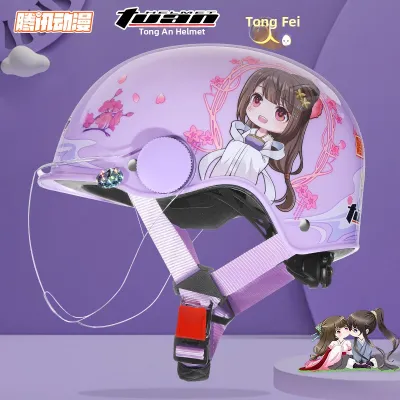
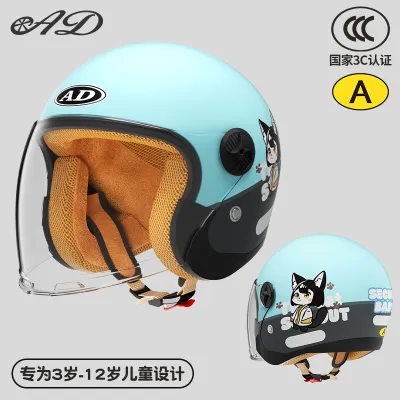
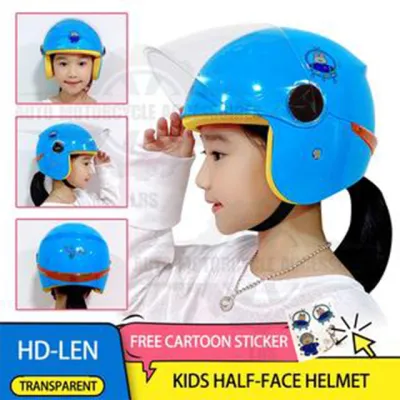
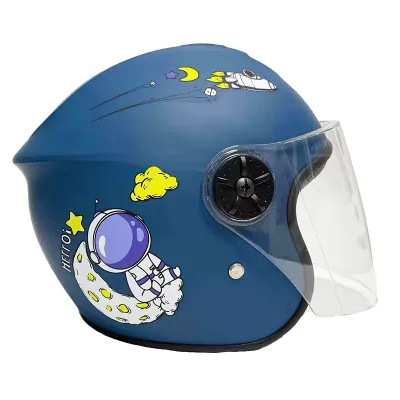
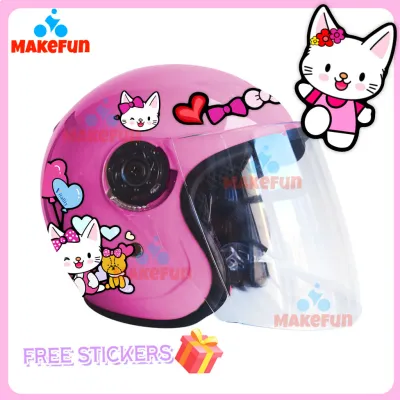
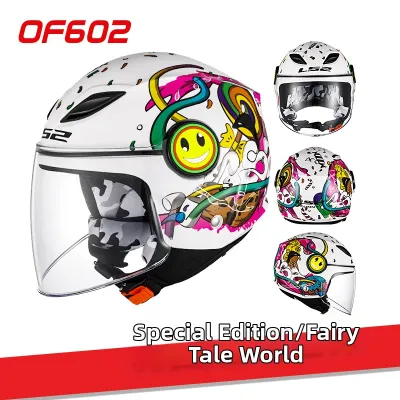
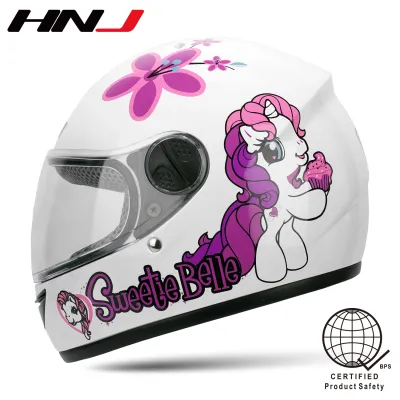
Prices are valid at publication and may change. Please refer to the product page for the latest price.

When inspecting a helmet, look closely for common red flags that indicate a counterfeit product. Fake stickers often have blurry text, misaligned logos, or lack the reflective holographic layer entirely. If a sticker feels like cheap paper, scratches off with minimal effort, or is missing a serial number, treat the helmet as unsafe. You can verify the authenticity of these marks by cross-referencing the brand and the importer’s details with the official registry provided by the Department of Trade and Industry (DTI). Legitimate distributors will always have their certification records publicly accessible, allowing you to confirm that the specific model has passed the required safety evaluations before you make a purchase.
How to Allocate Your Budget for a Kids' Helmet
When shopping for a helmet for your son, understanding where your money goes helps you make a cost-effective and safe choice. You do not need to buy the most expensive model on the shelf, but you must know which components are non-negotiable and which features you can comfortably skip to save money.
Must-Have Features (Never Compromise)
- Certified Outer Shell: The exterior must be constructed from impact-resistant materials, such as high-grade thermoplastic or ABS, capable of distributing the force of a collision.
- High-Density EPS Liner: The Expanded Polystyrene (EPS) inner liner is the most critical safety component, designed to absorb and dissipate impact energy before it reaches your child's head.
- Secure Retention System: Look for heavy-duty chin straps equipped with a reliable double D-ring system or a sturdy, reinforced quick-release buckle that will not snap or release under tension.
Worth the Upgrade (If Budget Allows)
- Removable and Washable Interior Padding: The tropical climate in the Philippines means your child will sweat during rides. Removable cheek pads and liners allow for regular washing, preventing bacterial growth and unpleasant odors.
- Optimized Ventilation Channels: Multiple intake and exhaust vents help draw cool air in and push hot, humid air out, keeping your son comfortable and focused.
- Anti-Scratch Visor: A durable, scratch-resistant clear visor ensures long-term visibility and protects your child's eyes from road debris, dust, and insects.
Safe to Skip (To Save Money)
- Premium Graphic Designs: Plain, solid-colored helmets are significantly cheaper than those featuring licensed cartoon characters, racing graphics, or replica designs, yet they offer the exact same level of physical protection.
- Integrated Bluetooth Cavities: Unless you plan on installing a communication system immediately, paying extra for pre-molded speaker pockets is unnecessary.
- Secondary Tinted Visors: Built-in drop-down sun shields add weight and cost; a standard clear visor paired with quality sunglasses is a more budget-friendly alternative.
Measuring and Testing the Fit for Your Son
A certified helmet will fail to protect your son if it does not fit his head correctly. Many parents make the mistake of buying a helmet that is slightly too large, hoping their child will “grow into it” over time. This is an incredibly dangerous practice, as an oversized helmet can easily slip off during an impact or shift and block your child’s vision while riding.
To find the correct size, use a soft, flexible measuring tape to measure your son’s head circumference. Wrap the tape horizontally around his head, positioning it about one inch above his eyebrows and just above his ears. Take this measurement in centimeters, as most helmet manufacturers use metric sizing charts. Compare your measurement directly to the specific brand’s size guide, as sizing can vary significantly between different manufacturers.
Once the helmet arrives, perform a physical fit test before allowing your son to ride. Have him put the helmet on and fasten the chin strap securely; you should only be able to fit two fingers between the strap and his chin. Ask him to shake his head firmly from side to side and up and down. If the helmet slides, rotates, or shifts independently of his skin, it is too large. The cheek pads should press snugly against his cheeks, gently pushing them up slightly, without causing pain or pressure points. If he complains of immediate pain on his forehead or temples, the helmet shape may be too narrow or the size too small.
What to Expect at Different Price Tiers
Understanding what each price tier offers allows you to set realistic expectations regarding comfort, weight, and daily usability. While all certified helmets meet the same baseline safety requirements, higher-priced options introduce materials and designs that enhance the overall riding experience.
Entry-Level Certified Helmets in this category focus entirely on meeting the mandatory safety standards at the lowest possible cost. They are typically constructed with injection-molded thermoplastic shells, which are highly durable but tend to be heavier than premium materials. To keep costs down, entry-level models usually feature fixed, non-removable comfort liners and basic clear visors without advanced anti-fog coatings. Ventilation is often minimal, consisting of simple, non-adjustable vents. Despite these basic features, these helmets provide excellent impact protection and are ideal for short, occasional rides.
Mid-Range Certified Moving up to the mid-range tier introduces features that significantly improve daily comfort and convenience. These helmets often utilize lighter thermoplastic blends or advanced polycarbonate shells, reducing neck strain during longer journeys. The interior padding is almost always fully removable, washable, and treated with hypoallergenic coatings to handle tropical humidity. You will also find improved ventilation systems with adjustable ports, scratch-resistant visors, and sometimes quick-release visor mechanisms that allow for easy cleaning or replacement.
Premium Certified Premium kids’ helmets are designed for maximum comfort, superior aerodynamics, and advanced impact management. They frequently incorporate lightweight composite materials, such as fiberglass or carbon fiber blends, which dramatically lower the helmet’s overall weight while maintaining exceptional structural strength. These models feature highly optimized ventilation channels designed to maximize airflow even at low speeds. The interior liners use premium moisture-wicking fabrics that dry rapidly, and the overall aerodynamic shape minimizes wind noise and buffeting, making them the best choice for frequent or long-distance travel.
Where to Buy and How to Verify Authenticity
To ensure you are purchasing a genuine, certified helmet, you must select your retail channels carefully. Avoid buying from unauthorized street vendors, temporary physical stalls, or unverified third-party sellers on online marketplaces. Instead, prioritize authorized physical motorcycle gear shops, official brand flagship stores on major ecommerce platforms, or verified local distributors who can provide a legitimate receipt and warranty.
When your helmet is delivered or purchased, perform a thorough post-delivery inspection before removing any tags. First, locate the ICC or PS certification sticker and verify its holographic properties and serial number. Next, check the manufacturing date, which is typically printed on a white label underneath the comfort liner or on the chin strap. Avoid purchasing helmets that have been sitting in storage for several years, as the internal EPS liner can degrade over time even when unused. Finally, ensure the product comes in its original branded box with a protective helmet bag, user manual, and all original packaging materials intact. If the helmet arrives with a missing certification mark, damaged packaging, or signs of previous use, utilize the retailer’s return policy immediately to request a replacement or refund.
Frequently Asked Questions (FAQ)
Can my son use a certified bicycle helmet for riding a motorcycle?
No, your son cannot use a bicycle helmet for motorcycle riding. Bicycle helmets are designed to protect against low-speed falls and do not cover the base of the skull or the jaw area. They are constructed with much thinner shells and lighter foam liners that cannot withstand the high-velocity impacts and abrasion forces associated with motorcycle accidents. Furthermore, using a bicycle helmet on a motorcycle is illegal under Philippine traffic laws, which mandate the use of specific, certified motorcycle helmets bearing the official PS or ICC marks.
How often should I replace my child's motorcycle helmet?
You should generally replace your child’s motorcycle helmet every three to five years from its manufacturing date, as the protective EPS liner gradually degrades over time due to exposure to sweat, hair oils, and environmental heat. However, you must replace the helmet immediately if it is involved in any crash or dropped hard onto a solid surface, even if there is no visible damage. The impact-absorbing liner is designed to deform once to protect the head, and subsequent impacts will not be cushioned. You should also replace the helmet immediately if your son outgrows it, if the chin strap mechanism becomes loose, or if the internal padding degrades and no longer provides a snug fit.

Community discussion
Share your experience or ask a question. Comments are reviewed before publication.