
Finding the correct oil filter for a C110 motorcycle requires matching the exact engine variant, model year, and physical dimensions rather than relying on a generic, one-size-fits-all label. While many underbone motorcycles share similar engine displacements, subtle differences in oil pump pressure, thread pitches, and casing clearances mean that installing an incompatible filter can lead to catastrophic engine failure. A mismatched filter can cause oil starvation, drop oil pressure, or leak oil directly onto your rear tire, creating a severe safety hazard on the road.
This comprehensive guide explains how to verify compatibility for your specific C110 model, what critical specifications to check before purchasing, and how to weigh the trade-offs between original equipment manufacturer (OEM) parts and aftermarket alternatives. You will also learn how to navigate the local market in the Philippines to avoid counterfeit components and how to install your new filter safely using correct torque boundaries.
How to Verify the Correct Oil Filter for Your C110
The most reliable way to identify the exact oil filter required for your C110 is to locate the original equipment manufacturer part number in your official owner’s manual or service booklet. This document contains the precise technical specifications and part numbers designated by the manufacturer for your specific model year. If you do not have the physical manual, digital copies are often available on the manufacturer’s official website, where you can search by your motorcycle’s model code and year of production.
Products mentioned in this guide
![[C-110] VIC Oil Filter Toyota Vios Toyota Avanza Toyota Wigo C110](https://img.lazcdn.com/g/p/f462af69834505a3b5b6c29b519d7b5b.jpg_400x400q80.jpg_.webp)
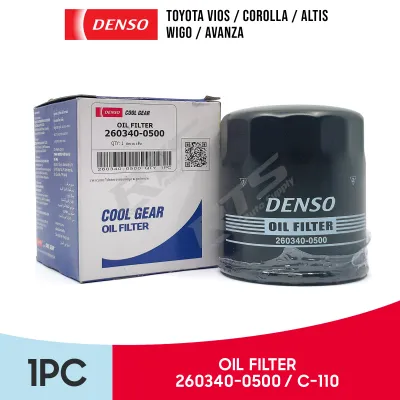
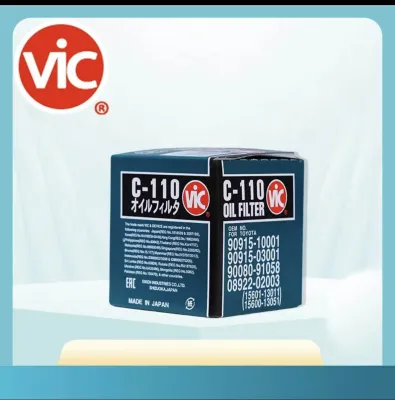
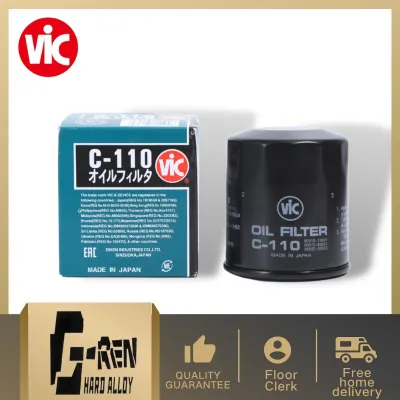
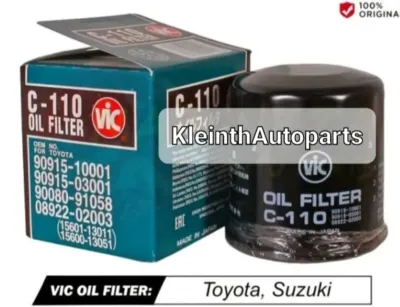
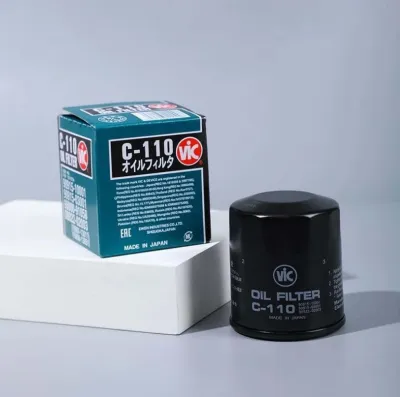
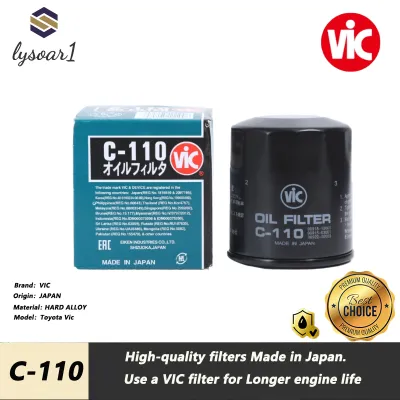
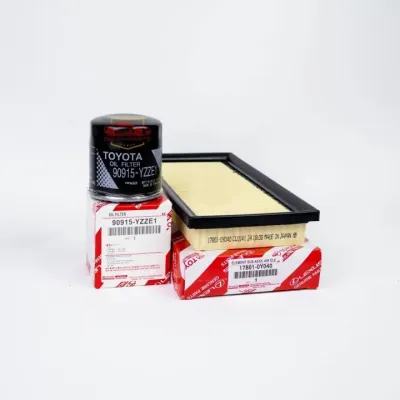
Prices are valid at publication and may change. Please refer to the product page for the latest price.
Before removing your old oil filter during a maintenance session, take a moment to inspect its exterior casing for any legible markings. OEM filters and reputable aftermarket alternatives almost always have their part numbers stamped or printed directly onto the metal canister or the rubber sealing edge of a cartridge filter. Writing this number down or taking a clear photograph provides an immediate reference point when browsing local motorcycle parts shops or online marketplaces.
If the markings on your current filter are completely faded or missing, you can use your motorcycle’s unique chassis or engine number to obtain an accurate parts diagram. The chassis number is typically stamped onto the steering head frame or located under the seat, while the engine number is engraved on the lower crankcase. Presenting these numbers to an authorized dealer allows them to access their official parts database and identify the exact filter designed for your specific engine configuration.
It is crucial to recognize that the designation “C110” can refer to several different motorcycle generations and regional variants across different brands. For instance, a modern fuel-injected underbone C110 utilizes a completely different filtration system than a vintage carburetor-equipped model. Never assume that a filter labeled generally for a 110cc engine will fit your specific C110 without first verifying these unique identifiers.
Key Specifications to Check Before Buying
When evaluating a replacement oil filter, you must verify that the thread pitch, outer diameter, and overall length match your engine’s mounting stud exactly. If you are using a spin-on canister filter, even a tiny discrepancy in thread pitch can lead to cross-threading, which permanently damages the engine block’s mounting threads. Additionally, a filter that is too long may contact the motorcycle’s frame, exhaust pipe, or fairings, leading to structural damage or severe vibrations during operation.

For C110 models that utilize internal cartridge-style filters rather than external spin-on canisters, physical dimensions are even more critical. You must measure or verify the outer diameter, the inner hole diameter, and the total height of the paper cartridge. A cartridge filter that is slightly too tall will be crushed when you tighten the filter cover, restricting oil flow, while a cartridge that is too short will allow dirty oil to bypass the filtration media entirely.
Another critical dimension is the gasket seal diameter and its material composition. The rubber gasket or O-ring must seat perfectly within the designated groove on the engine block or filter cover to prevent oil from escaping under high operating pressures. A gasket that is too wide or too narrow will fail to compress evenly, resulting in persistent oil leaks that can quickly drain your crankcase and ruin your engine.
Inside the filter, the bypass valve pressure rating must align precisely with your C110’s oil pump specifications. The bypass valve is a safety mechanism designed to open and allow unfiltered oil to flow to the engine if the filter media becomes completely clogged or if the oil is highly viscous during cold starts. If the bypass valve’s opening pressure is rated too high, the engine may suffer from temporary oil starvation; if it is rated too low, unfiltered oil will circulate through your engine continuously, accelerating wear on critical components.
Finally, you must confirm whether your engine configuration requires an anti-drain back valve. This valve is a flexible rubber membrane located just behind the inlet holes of a spin-on filter. It prevents engine oil from draining out of the filter and back into the oil pan when the motorcycle is parked. For engines where the filter is mounted horizontally or at an upward angle, a functioning anti-drain back valve ensures immediate oil pressure upon startup, preventing dry starts that wear out piston rings and bearings.
OEM vs. Aftermarket: Making the Right Choice
Choosing between an OEM filter and an aftermarket alternative involves weighing guaranteed compatibility against cost and local availability. OEM filters are engineered by the vehicle manufacturer specifically for your engine’s oil flow rate, operating temperature, and filtration requirements. Using an OEM filter provides complete peace of mind, ensures compliance with any active manufacturer warranties, and eliminates the risk of purchasing a part with incorrect internal valve settings.
On the other hand, reputable aftermarket manufacturers offer high-quality filters that often meet or exceed OEM performance standards. These brands publish detailed cross-reference charts that allow you to match your OEM part number to their specific product codes. When opting for an aftermarket filter, always stick to established brands that clearly state their compliance with international manufacturing standards, such as ISO certifications.
In the Philippines, availability can be a major deciding factor, especially for older or imported C110 variants. Authorized dealerships may not always have OEM filters in stock for legacy models, or they may charge a premium for imported parts. In such cases, certified aftermarket filters from trusted local distributors offer a highly practical and readily available solution, allowing you to perform your scheduled oil changes without unnecessary delays.
However, you should avoid unbranded or generic aftermarket filters that promise universal compatibility across dozens of different motorcycle models. These low-cost alternatives often compromise on the quality of the filtration media, using thin paper that can easily tear or collapse under pressure. Investing in a high-quality, verified filter is always more cost-effective than risking expensive engine repairs caused by substandard filtration.
Where to Buy and How to Avoid Counterfeits
To ensure you are purchasing a genuine, high-quality oil filter, always prioritize authorized motorcycle dealerships and established local parts distributors. These businesses source their inventory directly from manufacturers or official importers, greatly reducing the risk of stocking counterfeit goods. If you prefer to shop online, only purchase from verified official flagship stores on major e-commerce platforms, and look for seller badges that guarantee product authenticity.
Counterfeit engine parts are a persistent issue in the automotive market, and oil filters are frequently targeted due to their high replacement rate. When inspecting a filter, pay close attention to the packaging quality. Genuine manufacturers use high-grade cardboard with crisp, clear printing, accurate logos, and intact security holograms or QR codes for verification. Blurry text, misspelled words, or flimsy packaging are immediate red flags that indicate a counterfeit product.
Examine the physical construction of the filter itself before purchasing or installing it. Genuine filters feature clean, uniform welds, evenly spaced inlet holes, and a pre-lubricated or cleanly cut rubber gasket. Counterfeit filters often exhibit poor paint finishes, visible glue residue around the filtration media, and rough, uneven threads that can easily strip your engine’s mounting stud.
Price is another highly reliable indicator of authenticity. If a retailer is offering a filter at a price that is significantly lower than the standard market rate at authorized dealers, you should treat the product with extreme suspicion. Saving a small amount of money on a cheap, counterfeit filter is never worth the risk of catastrophic engine failure, which can cost thousands of pesos to repair.
Installation Safety and Torque Boundaries
Before installing your new C110 oil filter, always pre-lubricate the rubber gasket or O-ring with a thin film of clean engine oil. This step is critical because a dry gasket can friction-bind, twist, or tear as you tighten the filter against the engine block. A damaged or displaced gasket will fail to create a proper seal, leading to immediate oil leaks once the engine reaches operating temperature and pressure.
When tightening a spin-on oil filter, always follow the manufacturer’s specific instructions regarding torque boundaries. As a general rule, spin-on filters should be hand-tightened until the rubber gasket makes firm contact with the engine’s mating surface, followed by an additional half-turn to three-quarters of a turn. Avoid using oil filter wrenches or pliers to tighten the filter, as excessive force can crush the metal canister, deform the internal seal, or strip the mounting threads.
For C110 models that use internal cartridge filters with a bolt-on cover, you must use a torque wrench to tighten the cover bolts to the exact torque specification listed in your service manual. Tightening these bolts unevenly or excessively can warp the aluminum filter cover or strip the delicate threads in the engine crankcase. Always tighten the bolts in a progressive, diagonal pattern to ensure even pressure distribution across the entire gasket surface.
If you encounter any unusual resistance while threading a spin-on filter or tightening cover bolts, stop immediately. Forcing a tight thread will result in cross-threading, which requires expensive machining work to repair. If you suspect the threads are damaged, or if you discover that the old rubber gasket has stuck to the engine block and cannot be easily removed, consult a qualified motorcycle mechanic to resolve the issue safely.
Frequently Asked Questions (FAQ)
Can I use a standard automotive oil filter on my C110?
No, you should never use a standard automotive oil filter on your C110 motorcycle. While some car filters may share similar thread sizes or outer diameters, they are engineered for completely different operating parameters. Automotive oil pumps operate at different flow rates and pressures compared to small-displacement motorcycle engines, meaning the bypass valve settings in a car filter will not function correctly on your C110. Furthermore, automotive filters are physically larger and can interfere with your motorcycle’s frame, exhaust system, or ground clearance, posing a serious safety risk.
How often should I replace the oil filter on the C110?
You should always follow the specific maintenance intervals outlined in your C110 owner’s manual, which typically recommend replacing the oil filter at every oil change or every second oil change. However, riding conditions in the Philippines can accelerate the degradation of your engine oil and filter media. If you frequently ride in heavy stop-and-go city traffic, operate your motorcycle in dusty rural environments, or make frequent short trips where the engine does not reach full operating temperature, you should inspect and replace your oil filter more frequently to protect your engine from premature wear.

Community discussion
Share your experience or ask a question. Comments are reviewed before publication.