
Choosing the right heavy-duty diesel engine oil for your vehicle in the Philippines is not about finding a single, universally superior brand. Instead, it requires matching the physical label specifications of the oil to your engine manufacturer’s precise requirements and your specific operating conditions. Caltex Delo Gold 15W-40, Shell Rimula R4, and Castrol CRB Multi are all highly regarded options in the local market, but the correct choice depends entirely on what is printed on the back of the bottle and how it aligns with your vehicle’s owner’s manual.
While brand reputation can provide peace of mind, it does not override the technical specifications required to keep your engine running efficiently and to preserve your warranty. The ideal oil is the one that explicitly meets your engine’s required API and OEM specifications, is readily available from a trusted local distributor to avoid counterfeit products, and fits your operational budget. If all three brands offer products that meet your exact manual requirements, your decision should shift to local availability, supply chain reliability, and cost-effectiveness per liter.
Identifying Your Engine’s Exact Oil Specifications
Before evaluating any specific brand of engine oil, you must establish a baseline by identifying the exact requirements set by your vehicle’s manufacturer. This information is typically found in the engine or vehicle owner’s manual under the maintenance or fluids section. The primary standard to look for is the American Petroleum Institute (API) service category, which is represented by a two-letter code starting with “C” for commercial or compression-ignition diesel engines.
Products mentioned in this guide
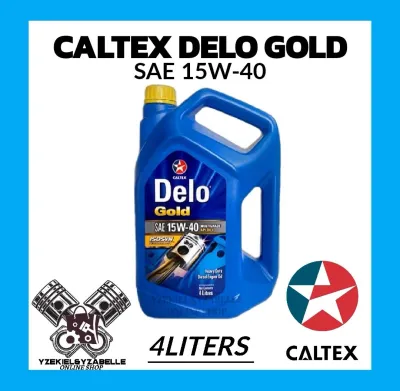
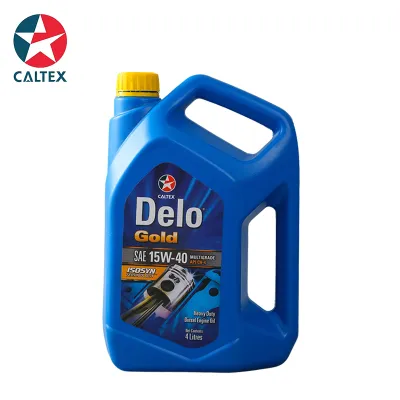
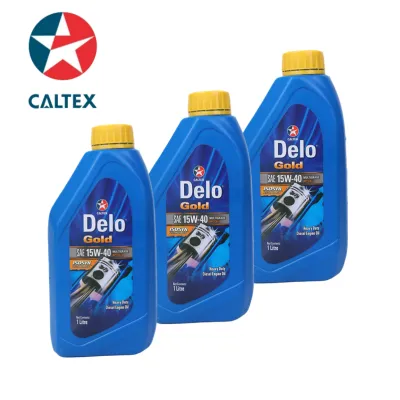
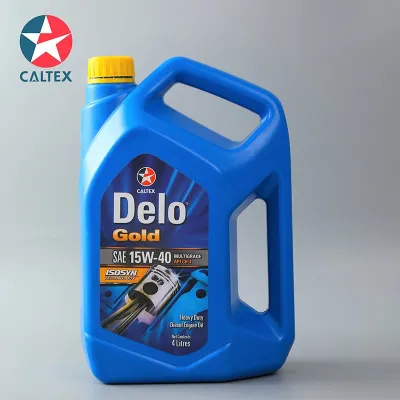
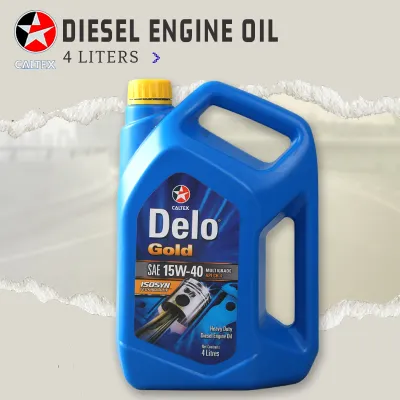
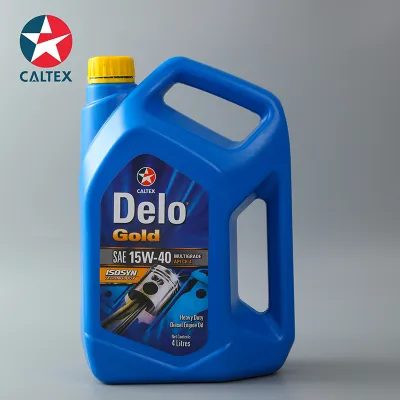
Prices are valid at publication and may change. Please refer to the product page for the latest price.
Common API classifications for heavy-duty diesel engines include API CI-4, CJ-4, and CK-4. Each successive classification is designed to meet stricter emissions standards and provide better protection against engine wear, oil oxidation, and soot accumulation. While newer classifications like API CK-4 are generally backward compatible with older engines, older engines may not require the advanced additive packages of newer oils, making older standards like API CI-4 a highly cost-effective and fully compliant choice.
In addition to API classifications, many modern heavy-duty diesel engines, especially those from European or American manufacturers, require specific Original Equipment Manufacturer (OEM) approvals. These approvals, such as Volvo VDS, Cummins CES, or Mercedes-Benz MB-Approval, indicate that the oil has undergone specific testing to ensure compatibility with that manufacturer’s engine components and emissions systems. Using an oil that lacks the required OEM approval can compromise engine durability and potentially void your vehicle’s warranty.
Viscosity is another critical factor, and 15W-40 has long been the standard baseline for heavy-duty diesel engines operating in tropical climates like the Philippines. The “15W” rating indicates the oil’s flow characteristics at lower temperatures, which, while less critical in a warm climate, still ensures adequate lubrication during initial engine startup. The “40” rating represents the oil’s viscosity at operating temperature (100°C), providing a robust protective film that resists thinning under high ambient heat and heavy loads.
Evaluating Caltex Delo Gold, Shell Rimula R4, and Castrol CRB Multi
When comparing Caltex Delo Gold, Shell Rimula R4, and Castrol CRB Multi, it is important to evaluate the specific product variants available on the shelf rather than relying on general brand marketing. Formulations, API classifications, and OEM approvals can vary significantly by region, packaging size, and production batch. Therefore, you must verify the physical labels of the products available at your local retailer.

Always inspect the physical packaging before making a purchase. Check the manufacturing date printed on the bottle to ensure the oil is fresh, and verify that the tamper-evident seal under the cap is completely intact. Purchasing from authorized dealers or official brand stores is the most reliable way to ensure you are getting genuine products that match the specifications printed on the label.
Caltex Delo Gold 15W-40
To evaluate Caltex Delo Gold 15W-40, start by examining the back label of the bottle to identify the exact API and ACEA classifications. Caltex Delo Gold is available in different formulations, such as Delo Gold Ultra or Delo Gold Multigrade, which target different engine generations and emissions standards. You must ensure the specific bottle you are holding matches the API category (such as API CI-4 or CH-4) required by your engine manual.
Next, check the label for specific OEM approvals that may be required for your fleet or individual vehicle. Caltex often lists approvals from major manufacturers like Cummins, Mercedes-Benz, and Volvo on their Delo Gold packaging. If your vehicle manual explicitly requires one of these approvals, verify that it is printed on the bottle rather than assuming all 15W-40 oils carry the same credentials.
Finally, consider the packaging sizes and local availability of Caltex Delo Gold in your area. If you manage a fleet or perform your own maintenance, verify whether your local distributor stocks the oil in the specific volumes you need, such as 1-liter bottles, 5-liter jugs, or 18-liter pails. Consistent availability is crucial for maintaining a regular service schedule without having to switch brands unexpectedly.
Shell Rimula R4 15W-40
Shell Rimula R4 15W-40 is another widely available option that requires careful label inspection. The Rimula R4 line includes several sub-variants, such as Rimula R4 X or Rimula R4 L, each formulated to address specific engine technologies and emissions control systems. For example, engines equipped with modern exhaust after-treatment devices like Diesel Particulate Filters (DPF) typically require low-SAPS (sulfated ash, phosphorus, and sulfur) oils, which are found in specific sub-variants.
Read the back label of the Shell Rimula R4 bottle to identify its exact API service category and ACEA specifications. Ensure that the sub-variant you select matches or exceeds the minimum requirements specified in your vehicle’s manual. Using a sub-variant designed for older engines in a modern, emissions-controlled engine can lead to premature clogging of exhaust filters and costly repairs.
Additionally, verify the OEM approvals listed on the Rimula R4 packaging. Shell frequently updates its formulations to meet evolving manufacturer standards, so the approvals printed on a newly manufactured bottle may differ from older stock. Always rely on the physical label of the product you intend to buy to confirm compatibility with your specific engine model.
Castrol CRB Multi 15W-40
Castrol CRB Multi 15W-40 is designed as a versatile multi-purpose heavy-duty diesel engine oil, making it a popular choice for mixed-fleet operators who manage vehicles from different manufacturers. To evaluate this oil, begin by verifying the API and ACEA classifications printed on the back of the packaging. Ensure these classifications align with the requirements of all the vehicles in your fleet if you plan to use it as a single, consolidated lubricant.
Check the physical label for specific heavy-duty OEM approvals that are critical for your operations. Castrol CRB Multi is formulated to provide soot management and wear protection, but these benefits are only effective if the oil’s specifications match your engine’s design. Look for explicit mentions of approvals from manufacturers like MAN, Volvo, or Mercedes-Benz on the bottle.
Because Castrol CRB Multi is widely distributed, it is also important to verify the authenticity of the product. Inspect the bottle’s security features, including the embossed logo, the design of the cap, and the clarity of the label printing. Ensuring you are purchasing genuine Castrol CRB Multi from a reputable supplier is essential for achieving the wear protection and engine cleanliness promised by the manufacturer.
Adjusting for Real-World Operating Conditions
Operating a heavy-duty diesel engine in the Philippines presents unique challenges that require you to look beyond standard oil specifications. High ambient temperatures, intense humidity, and heavy traffic congestion in urban areas create a severe operating environment for engine lubricants. Frequent idling, stop-and-go driving, and carrying heavy loads up steep terrain all accelerate oil degradation and soot accumulation.
Under these demanding conditions, engine oil experiences higher thermal stress, which can lead to viscosity shear and a reduction in the protective oil film. Soot, a byproduct of diesel combustion, can also build up rapidly in the oil, causing abrasive wear on critical engine components like camshafts and bearings. Therefore, the robust soot-dispersancy and thermal stability of your chosen oil are critical for maintaining engine health.
To protect your engine under severe operating conditions, you should not rely solely on the maximum drain intervals or mileage claims printed on the oil packaging. Instead, adjust your oil change intervals based on the severity of your vehicle’s daily duty cycle. For vehicles subjected to constant heavy loads, prolonged idling, or dusty off-road environments, shortening the drain intervals is a highly effective way to prevent premature engine wear. Implementing a regular oil analysis program can also provide valuable data on the actual condition of the oil, allowing you to optimize drain intervals safely.
Final Decision Framework: Which Oil Should You Buy?
To make the final decision on which heavy-duty diesel engine oil to buy, follow a structured, conditional framework based on verification and practical factors. First, consult your vehicle’s owner’s manual and write down the required API classification and any specific OEM approvals. This is your non-negotiable baseline for compatibility.
Next, visit a trusted local automotive supply store or authorized distributor and inspect the physical labels of Caltex Delo Gold 15W-40, Shell Rimula R4, and Castrol CRB Multi. Eliminate any product that does not explicitly list your required API classification or OEM approvals on its packaging. If your vehicle manual requires a newer, lower-viscosity oil (such as 10W-30 or 5W-30) for modern emissions systems, do not use a standard 15W-40 oil; instead, stop and consult a qualified diesel mechanic or the engine manufacturer.
If multiple oils meet your exact technical specifications, base your final choice on local availability, supply chain trust, and cost-effectiveness. Choose the brand that is consistently stocked by reputable local dealers to ensure you can always find the same oil for future maintenance. Finally, compare the price per liter in ₱ to determine which compliant oil offers the most practical value for your operating budget.
Frequently Asked Questions (FAQ)
Can I mix Caltex Delo Gold with Shell Rimula R4 in an emergency?
Yes, mixing Caltex Delo Gold with Shell Rimula R4 is generally acceptable in an emergency situation to prevent engine starvation due to low oil levels. If you must top up your engine and your preferred brand is unavailable, ensure that the emergency oil has the same 15W-40 viscosity and a similar or higher API specification than the oil currently in your engine. However, you should not make mixing different brands a long-term practice. Different manufacturers use unique additive packages that may not be fully compatible, potentially reducing the overall effectiveness of the lubricant. It is highly recommended to perform a complete oil and filter change at your next safe opportunity to restore consistent protection.
How do I know if my heavy-duty engine needs a synthetic blend instead of mineral 15W-40?
The primary authority for determining whether your engine requires a synthetic blend or full synthetic oil is your vehicle’s owner’s manual. If the manufacturer specifies a synthetic formulation, you must follow that requirement to maintain engine performance and warranty compliance. If the manual permits standard mineral 15W-40, you may still choose to upgrade to a synthetic blend if your vehicle operates under extreme conditions, such as continuous heavy towing, high-temperature operations, or if you want to safely extend your drain intervals. Any synthetic upgrade must still meet or exceed the exact API and OEM specifications required by your engine, and the higher cost in ₱ should be weighed against the actual operational benefits you expect to achieve.

Community discussion
Share your experience or ask a question. Comments are reviewed before publication.