
Navigating the daily grind on EDSA and across metropolitan Manila requires more than just patience; it demands a reliable eyewitness on your windshield. When choosing a dash cam for car use in these intense driving conditions, the features that matter most are those that directly address extreme tropical heat, dense stop-and-go traffic, and sudden lane-merging disputes. A basic camera might fail when you need it most, making specific hardware standards essential for local roads.
To secure reliable evidence during a daily commute, your camera must feature a supercapacitor instead of a lithium battery to survive the heat, a wide-angle lens of at least 130 degrees to capture filtering motorcycles, and robust low-light performance for night driving and covered flyovers. Understanding how these specifications translate to local road conditions will help you select a device that performs reliably when an incident occurs.
Identifying Traffic Challenges on Manila Roads and EDSA
Driving in metropolitan Manila presents a unique set of challenges that test both drivers and their vehicle accessories. The notorious stop-and-go congestion on major thoroughfares like EDSA means vehicles spend hours idling or moving at a crawl. This prolonged operation requires a dashcam that can record continuously for extended periods without dropping frames or overheating while the vehicle is stationary.
Products mentioned in this guide
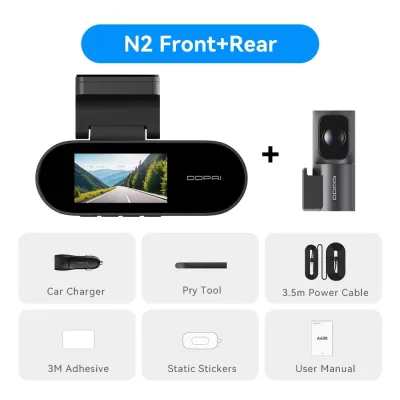
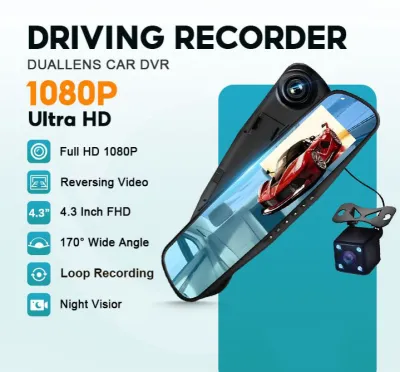
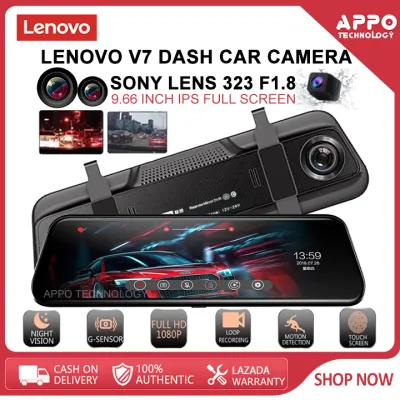
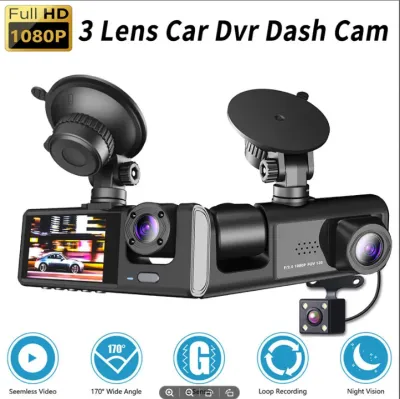
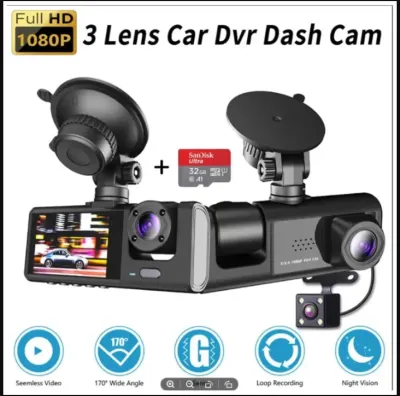
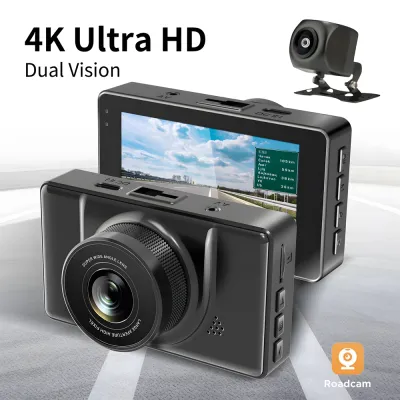
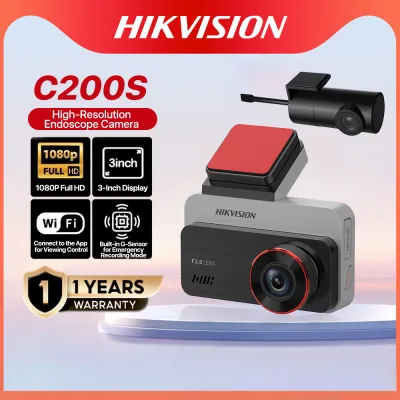
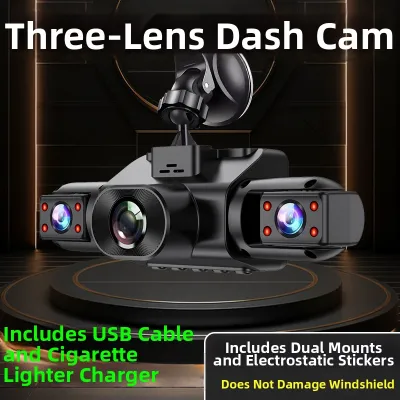
Prices are valid at publication and may change. Please refer to the product page for the latest price.
In addition to slow-moving traffic, the sheer volume of vehicles creates tight driving quarters. Lane disputes are common, often triggered by sudden cut-ins or aggressive merging at busy interchanges. Furthermore, motorcycle filtering—where riders navigate the narrow spaces between lanes—means that incidents can occur at the sides or rear of your vehicle, not just directly in front.
The tropical climate of the Philippines adds another layer of difficulty. Vehicles parked under the sun or stuck in midday traffic experience extreme cabin temperatures. This intense heat can cause inferior electronic components to fail, swell, or lose their settings, making thermal resilience a non-negotiable requirement for any device mounted directly to your windshield.
Essential Recording Features for Stop-and-Go Congestion
To handle the demands of long, slow commutes, a dash cam for car must possess robust recording and storage capabilities. Loop recording is the foundation of any reliable system, automatically overwriting the oldest unprotected footage when the memory card reaches capacity. Without this feature, a long delay on the road could fill your storage, leaving you unprotected during the final legs of your journey.

Because loop recording subjects the storage medium to constant write-and-erase cycles, standard memory cards often fail prematurely. It is crucial to pair your camera with a high-endurance microSD card specifically rated for continuous video recording. Checking the manufacturer’s specifications for supported card classes and maximum storage capacities ensures your system can handle hours of high-definition footage without data corruption.
Capturing the full scope of local traffic requires a wide field of view (FOV). A lens with a diagonal FOV between 130 and 140 degrees is generally ideal for metropolitan driving. This angle is wide enough to monitor adjacent lanes and spot filtering motorcycles early, without introducing the extreme “fish-eye” distortion that makes license plates difficult to read at a distance.
Commuters must also account for rapid changes in lighting, such as entering covered flyovers, driving under MRT tracks, or navigating poorly lit side streets at night. Wide Dynamic Range (WDR) or High Dynamic Range (HDR) technology is essential here. These features balance extreme highlights and deep shadows, preventing the camera from being blinded by oncoming headlights or sudden sunlight when exiting an underpass.
Optical and Sensor Specs for Lane Disputes and Incidents
When a dispute arises over a sudden lane change or a minor collision, clear visual evidence is your best defense. Resolution plays a critical role in capturing fine details, such as license plates and vehicle decals. While basic high-definition (1080p) is the minimum standard, higher resolutions like 1440p (2K) provide extra clarity when zooming in on distant objects. Frame rates of 30 frames per second (fps) are standard, but some drivers prefer 60 fps to reduce motion blur during faster-moving segments of their commute.
Another vital component is the built-in G-sensor, which detects sudden physical impacts or rapid deceleration. When triggered, the G-sensor automatically locks the current recording segment, preventing it from being overwritten by the loop recording system. However, the uneven road surfaces, potholes, and speed bumps common on local roads can trigger false positives. Choosing a camera with adjustable G-sensor sensitivity allows you to calibrate the device so it only saves footage during actual incidents rather than everyday road imperfections.
While a front-facing camera captures the road ahead, a dual-channel (front and rear) setup offers far more comprehensive protection. Rear-end collisions are incredibly common in bumper-to-bumper traffic, often caused by distracted drivers behind you or sudden stops. A rear-facing camera documents these incidents clearly, providing indisputable proof of fault if another vehicle impacts your rear bumper.
Managing Heat, Power, and Windshield Mounting
The intense Philippine sun makes thermal management a primary safety and reliability concern. Traditional dashcams rely on built-in lithium-ion batteries to save files when the car turns off, but these batteries are highly susceptible to swelling, leaking, or failing under high temperatures. For tropical climates, supercapacitor-based models are highly recommended. Supercapacitors handle extreme heat far better, offering a safer and more durable energy storage solution for long-term windshield mounting.
Powering your camera also requires careful consideration, especially if you want to monitor your vehicle while parked. While a standard cigarette lighter adapter is simple to install, it only provides power when the ignition is on. A hardwiring kit connects the camera directly to the vehicle’s fuse box, enabling parking mode features. However, because electrical modifications carry safety risks, you must consult your vehicle’s manual and seek qualified professional installation to ensure the kit is wired correctly with built-in low-voltage protection to prevent draining your car battery.
Finally, the physical mounting of the camera affects both performance and road safety. Adhesive mounts generally withstand high heat better than suction cups, which can lose suction and fall when the windshield gets hot. When positioning the camera, ensure it is mounted high up, ideally behind the rearview mirror. This placement provides a clear view of the road while complying with local transport regulations that prohibit obstructing the driver’s direct line of sight.
Building a Conditional Shortlist for Your Daily Commute
Selecting the right dash cam for car use involves matching these technical specifications to your specific daily routine. If your commute consists entirely of daylight driving and you park in a secure, shaded garage, a straightforward front-facing camera with basic heat resistance may suffice. Conversely, if you frequently park on busy public streets or commute late at night, prioritizing a dual-channel system with a hardwired parking mode and superior low-light sensors becomes essential.
Before making a purchase, verify the compatibility of your chosen memory card with the specific camera model, as some brands are highly sensitive to card speeds and write cycles. It is also wise to purchase from authorized local distributors who offer clear warranty terms and local customer support. Having a reliable warranty ensures that if the tropical heat does affect the device, you can easily obtain a replacement or repair. While high-end systems can cost upwards of ₱5,000, balancing these features against your budget ensures you get the best protection for your investment.
Avoid common dealbreakers such as models that rely solely on internal lithium batteries without thermal protection, or devices that lack an easy-to-use loop recording system. By systematically checking these specifications against your driving environment, you can invest in a safety tool that provides peace of mind on every journey.
Frequently Asked Questions (FAQ)
Do I need a rear-facing camera for EDSA driving?
Yes, a rear-facing camera is highly beneficial for driving on EDSA. The constant stop-and-go nature of the highway increases the risk of rear-end collisions, which are difficult to prove without rear footage. Additionally, a rear camera helps document incidents involving filtering motorcycles or vehicles attempting to squeeze into your lane from behind, providing comprehensive evidence for insurance claims.
How can I prevent my dashcam from overheating in the Philippines?
To prevent overheating, choose a dashcam powered by a supercapacitor rather than a lithium-ion battery. When parking in direct sunlight, use a reflective front windshield sunshade to block heat, and position the shade behind the dashcam so the camera is not trapped in the hot space between the shade and the glass. If possible, park in shaded areas or crack your windows slightly to reduce cabin temperatures.

Community discussion
Share your experience or ask a question. Comments are reviewed before publication.