
Quick Answer: Budgeting for a Bluetooth Helmet
Finding a helmet with bluetooth that fits your budget requires balancing communication features with reliable physical protection. When riding on Philippine roads, safety certifications like the local Import Commodity Clearance (ICC) sticker, or international standards like DOT and ECE, must always take priority over high-tech audio features. A helmet with advanced intercom capabilities is a poor trade-off if the shell cannot protect you during an impact.
The market generally divides into three budget tiers. Entry-level options focus on basic phone pairing and simple rider-to-passenger intercoms. Mid-range choices introduce more stable connections, better noise cancellation, and improved helmet comfort. Premium tiers offer advanced mesh networking, lightweight materials like carbon fiber, and robust weatherproofing.
When purchasing online, remember to look beyond the initial price tag. Factor in shipping fees, local taxes, and potential import duties to understand the true cost of your new gear.
Products mentioned in this guide
![[NEW RELEASE] EJEAS H1 Smart Helmet with Built-in Bluetooth Headset l Easy Phone Pairing Shockproof](https://img.lazcdn.com/g/p/5f5c50f3487512031344c860d2e07695.png_400x400q80.png_.webp)
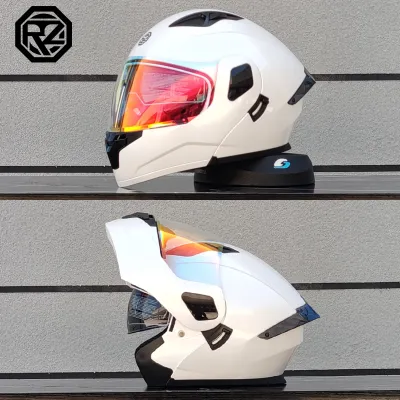
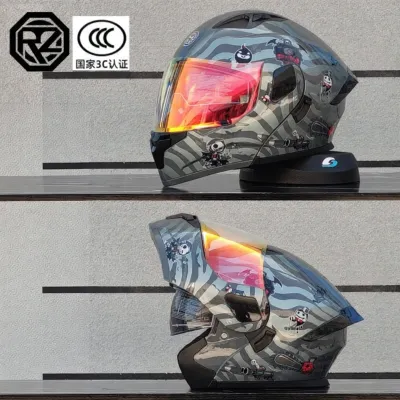
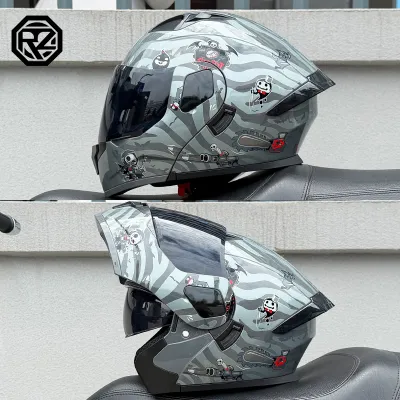
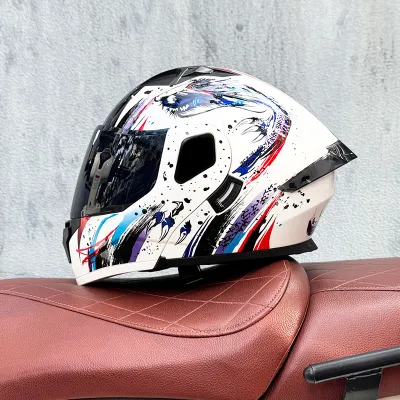
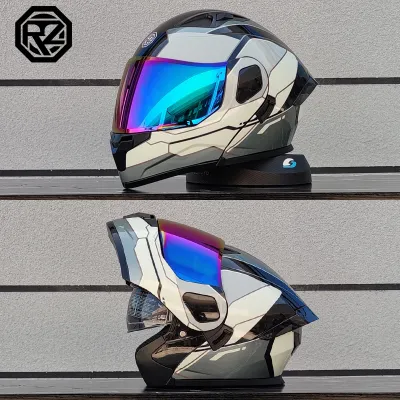
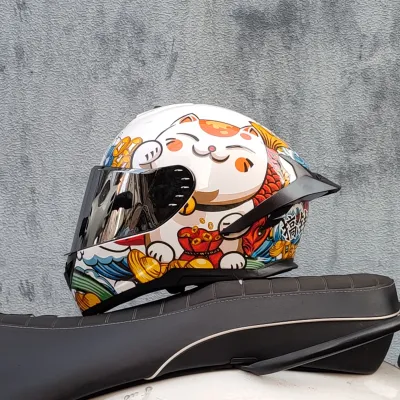
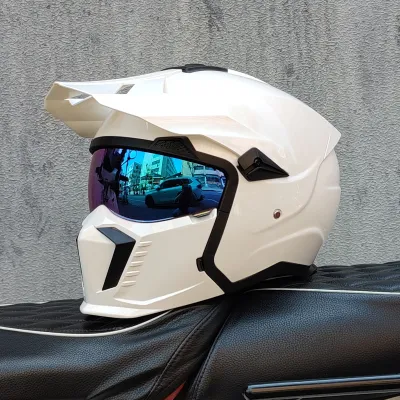
Prices are valid at publication and may change. Please refer to the product page for the latest price.
How to Prioritize Your Budget: Safety First, Tech Second
A helmet is, first and foremost, life-saving safety equipment. The structural integrity of the outer shell and the energy-absorbing properties of the inner EPS liner are what protect your head during a fall. Investing in a helmet with recognized safety labels ensures that the gear has undergone rigorous impact testing.

Whether you are allocating a few thousand ₱ for a basic setup or planning a larger investment, your primary focus must remain on certified protection. When your budget is limited, you face a critical decision: buy a cheaper helmet with built-in Bluetooth, or buy a high-quality standard helmet and install an add-on Bluetooth unit later. Opting for a reputable, certified standard helmet and saving up for a separate communication device is almost always the safer path. This approach ensures your head is protected by proven materials from day one.
Choosing an uncertified, low-quality helmet simply to get built-in speakers poses severe physical risks. In a crash, substandard plastics can crack easily, and low-grade foam may fail to absorb the impact energy. No amount of hands-free convenience or music streaming can justify compromising on the primary shield for your brain.
What to Expect at Different Budget Tiers
Understanding what each price point offers helps you set realistic expectations and avoid buyer’s remorse. Price tiers dictate not only the sophistication of the communication technology but also the overall quality of the helmet itself. As you move up in budget, you generally transition from heavy, basic materials to lighter, more aerodynamic designs with highly integrated electronics.
Entry-Level: Basic Connectivity and Standard Protection
Riders operating on a tight budget will find entry-level options that provide essential wireless functions. These systems typically use older Bluetooth versions, which are well-suited for receiving phone calls, listening to GPS turn-by-turn directions, and connecting to a passenger on the back of the bike. However, the intercom range is usually short, and connecting to multiple riders in a group can be difficult or unstable.
The helmets in this price bracket are almost always constructed from injection-molded thermoplastics. While safe if certified, these shells tend to be heavier, which can lead to neck fatigue during long rides along provincial highways. The interior comfort liners are often basic and may not be fully removable, making them harder to wash after sweating in the intense tropical heat.
Battery life on entry-level units is generally modest, often requiring a recharge after a few hours of continuous use. Furthermore, water resistance is usually minimal. During sudden afternoon downpours, you may need to turn off the unit or cover the external controls to prevent moisture from seeping into the housing and causing electrical shorts.
Mid-Range: Balanced Features and Improved Comfort
For daily commuters and weekend tourers, the mid-range tier represents the sweet spot of value and performance. In this bracket, you will find helmets equipped with advanced Bluetooth versions or even entry-level Mesh intercom technology. This allows for much more stable connections, longer communication ranges, and the ability to link up with larger groups of riders without constant dropouts.
The physical helmets also receive significant upgrades. Manufacturers use lighter polycarbonate blends or fiberglass composites, which reduce overall weight and improve aerodynamics to minimize wind buffeting. The interior liners are typically made from moisture-wicking, hypoallergenic fabrics that are fully removable and washable—a crucial feature for maintaining hygiene in humid climates.
Electronics in mid-range helmets feature active noise cancellation, which filters out ambient engine noise and wind roar so your voice remains clear during calls. The batteries are designed to support full-day rides, often lasting through ten or more hours of active use, allowing you to navigate and communicate without worrying about finding a charging port mid-ride.
Premium: Advanced Mesh, Top-Tier Safety, and Seamless Integration
At the premium end of the spectrum, riders enjoy high safety standards and advanced communication technology. These helmets feature dynamic Mesh networking, which allows dozens of riders to connect seamlessly; if one rider drops out of range, the network automatically heals itself without disrupting the rest of the group. Voice commands allow you to control your music, navigation, and calls completely hands-free.
Safety is paramount in this tier, with helmets constructed from advanced materials like multi-composite fibers or pure carbon fiber. These materials offer exceptional impact resistance while keeping the helmet incredibly light. These models easily meet the latest, stringent safety standards, such as ECE 22.06 or Snell certifications, providing excellent peace of mind.
The electronic components are fully integrated into the helmet’s aerodynamic profile, reducing wind noise and drag. High-fidelity speakers deliver clear sound even at highway speeds. Additionally, these premium systems offer robust weatherproofing, allowing the electronics to function reliably through heavy tropical storms, and support rapid charging to get you back on the road quickly.
Built-In vs. Add-On Bluetooth: Which Fits Your Budget?
Deciding between a helmet with a built-in Bluetooth system and a standard helmet paired with an aftermarket add-on unit is a major step in your purchasing journey. Built-in systems offer excellent convenience and a clean, integrated look. There are no external wires, bulky battery packs, or clamps protruding from the side of your helmet, which keeps the helmet’s aerodynamics intact and reduces wind noise.
However, aftermarket add-on units offer greater modularity and long-term cost-effectiveness. If you buy a high-quality standalone Bluetooth unit, you can easily transfer it to a new helmet when your current one reaches the end of its five-year lifespan or if it is damaged in a minor drop. With an integrated system, if the helmet shell is compromised, you must discard the entire setup, including the built-in electronics.
Furthermore, add-on units allow you to upgrade your communication technology independently of your helmet. If a new wireless standard or mesh technology is released, you only need to replace the external pod rather than buying a whole new helmet. You should also consider that mounting an aftermarket unit can sometimes alter the helmet’s fit or slightly increase wind noise on that side, and you must follow the manufacturer’s instructions carefully to avoid voiding the helmet’s warranty.
Pre-Purchase Checklist and Hidden Costs
Before finalizing your purchase, it is essential to look beyond the sticker price and prepare for the practical realities of owning a Bluetooth helmet. Use this checklist to ensure you do not encounter unexpected expenses:
- Verify the Return Policy: Helmet fit is highly subjective and critical for safety. Ensure the seller allows returns or exchanges if the helmet does not fit your head shape correctly. Be aware that many retailers have strict hygiene policies that prevent returns once the helmet has been worn on a ride.
- Check the Warranty Terms: Confirm the warranty coverage for both the physical helmet shell and the electronic components. In many cases, the helmet manufacturer and the Bluetooth technology provider are separate companies, meaning you may have to deal with different customer service departments if a component fails.
- Account for Shipping and Taxes: If you are ordering from international online marketplaces, calculate the total landed cost. Shipping heavy items can be expensive, and local customs duties or taxes might apply upon arrival.
- Factor in Replacement Parts: Over time, you will need to replace worn-out parts. Check the availability and cost of replacement cheek pads, visor shields, charging cables, and adhesive mounts. If these parts are difficult to find locally, your helmet's usable lifespan could be cut short.
Frequently Asked Questions (FAQ)
Can I install an add-on Bluetooth unit on any helmet?
Most modern helmets are compatible with aftermarket Bluetooth units, but they must have specific design features to accommodate them. Look for a helmet that features dedicated speaker pockets molded into the inner EPS liner; without these, the speakers will press uncomfortably against your ears. The helmet’s lower rim must also have a suitable edge where you can securely clamp or adhere the external transmitter unit. Never drill holes or modify the structural shell of a helmet to mount a communication device, as this will compromise its safety integrity and void the manufacturer’s warranty.
How do I maintain the battery life of a budget Bluetooth helmet?
To maximize the lifespan of the lithium-ion battery in a budget Bluetooth unit, you must protect it from extreme environmental conditions. Avoid leaving your helmet inside a hot motorcycle top box or in direct sunlight when parked, as high temperatures accelerate battery degradation. Always use the charging cable provided by the manufacturer and connect it to a stable, low-voltage USB wall adapter rather than a high-output fast charger, which can overheat the delicate internal circuitry. Finally, if you plan to store the helmet for an extended period during the rainy season, charge the battery to around 50% to 60% rather than leaving it completely empty or fully charged.

Community discussion
Share your experience or ask a question. Comments are reviewed before publication.