
Choosing the right motorcycle riding jacket in a tropical climate requires a careful balance between physical protection and thermal comfort. In the Philippines, where riders regularly face intense heat, high humidity, and sudden downpours, wearing a heavy, unventilated jacket can lead to heat exhaustion and loss of concentration. Conversely, riding without adequate protection exposes you to severe injuries in the event of a slide or collision. The key to staying safe and comfortable is selecting a Honda riding jacket that strategically combines high-airflow mesh panels with certified impact armor and abrasion-resistant textiles. By understanding how different materials perform under tropical conditions, you can make an informed decision that keeps you cool without compromising your safety on the road.
Assessing Your Tropical Riding Conditions and Safety Baseline
Your daily riding route plays a decisive role in determining the ideal balance between ventilation and protection. If your daily route consists primarily of stop-and-go city commuting through congested urban centers like Metro Manila or Cebu, your body will generate significant heat while receiving very little natural wind cooling. In these low-speed, high-heat environments, prioritizing maximum airflow through extensive mesh panels is essential to prevent heat fatigue. Heat exhaustion slows down your reaction times, making a highly breathable jacket a critical active safety feature in slow-moving traffic.
For riders who frequently travel on highways, expressways, or provincial bypass roads, the safety baseline shifts. Higher traveling speeds provide natural wind chill, which makes ventilation easier to manage, but they also significantly increase the kinetic energy involved in a fall. At highway speeds, abrasion resistance becomes your primary defense against severe road rash. A jacket designed for touring should feature heavier, more durable textile panels in key areas, even if it means sacrificing some of the open-mesh surface area found on pure city jackets.
Products mentioned in this guide
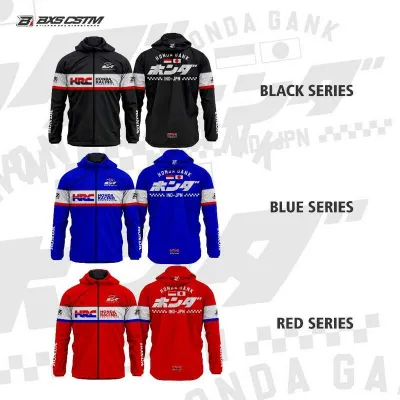
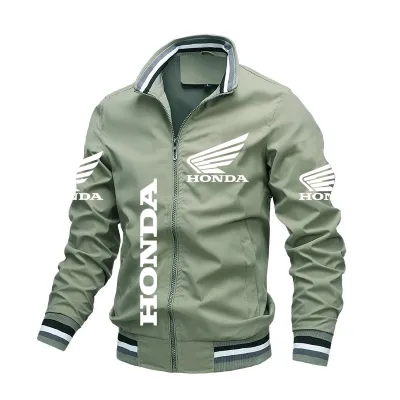
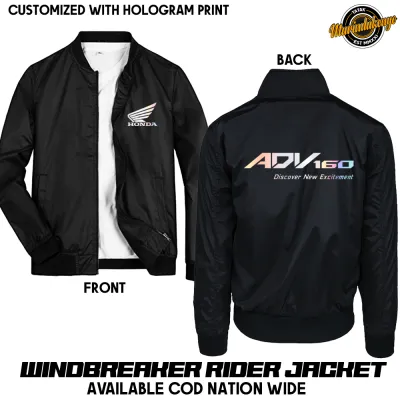
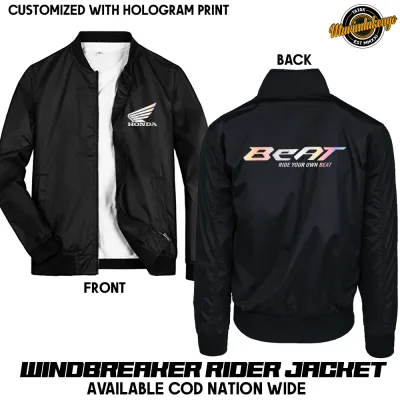
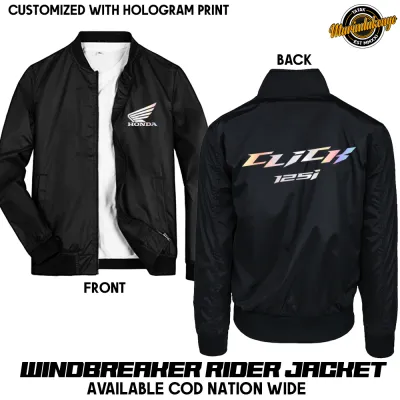
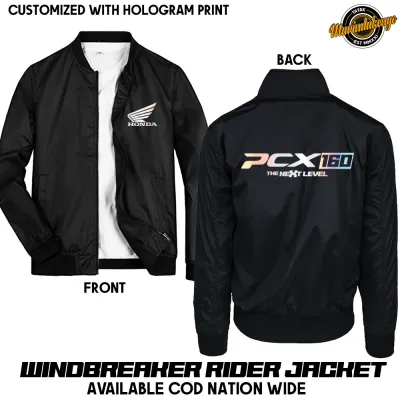
Prices are valid at publication and may change. Please refer to the product page for the latest price.
The high relative humidity characteristic of the Philippine climate further complicates material selection. Humidity slows down the evaporation of sweat, which is the body’s primary method of cooling itself. When sweat cannot evaporate, heat remains trapped against your skin, leading to rapid discomfort and dehydration. To combat this, your riding gear must facilitate active air exchange, pulling fresh air in and pushing hot, moist air out. Evaluating your typical riding speeds and local weather patterns allows you to establish a clear safety baseline before comparing specific jacket designs.
Verifying Essential Armor and Abrasion Resistance Standards
Before focusing on cooling features, you must verify that any jacket you consider meets established safety baselines for impact and abrasion protection. Genuine motorcycle riding jackets rely on removable armor inserts positioned at the shoulders, elbows, and back to absorb and disperse impact energy. When evaluating a Honda riding jacket, check the manufacturer’s specifications for recognized safety certifications, such as CE (Conformité Européenne) Level 1 or Level 2 ratings. Level 2 armor offers higher impact absorption and is highly recommended for highway riding, while Level 1 provides a lighter, more flexible option suitable for lower-speed city commutes.

Abrasion resistance is equally critical and depends heavily on the materials used in the jacket’s construction. High-impact zones—specifically the shoulders, outer elbows, and upper back—should be constructed from heavy-duty, high-denier synthetic textiles such as Cordura or specialized polyester weaves. These materials are engineered to withstand the friction of sliding on asphalt without tearing open. When inspecting a jacket, ensure these tough panels are securely stitched with double or triple seams, as weak stitching can split upon impact, rendering even the best fabrics useless.
Balancing maximum protective coverage with a lightweight, breathable build always involves physical trade-offs. A jacket covered entirely in heavy, abrasion-resistant textile will offer superior slide protection but will quickly become unbearably hot in tropical weather. Conversely, a jacket made entirely of lightweight mesh will keep you cool but may wear through quickly during a high-speed slide. The most effective tropical designs use a hybrid construction, placing tough, high-denier fabrics on the outer arms and shoulders while utilizing open-weave mesh across the chest, inner arms, and back where direct impact is less likely.
Evaluating Airflow Designs and Moisture-Wicking Materials
To maintain comfort in hot and humid conditions, you must look closely at how a jacket manages airflow and moisture. Manufacturers use several design strategies to promote ventilation, including large mesh panels, zippered intake and exhaust vents, and perforated fabrics. Large mesh panels, often made of high-tensile polyester mesh, allow air to flow freely through the jacket even at very low speeds, making them highly effective for urban riding. Perforated textile panels offer a middle ground, providing slightly better abrasion resistance than mesh while still allowing some air to pass through small, laser-cut holes.
Zippered vents offer excellent versatility for riders who encounter changing microclimates, such as climbing from warm coastal plains to cooler elevated regions like Baguio or Marilaque. These systems typically feature zippered intake vents on the chest or forearms and exhaust vents on the back. When open, they create a wind-tunnel effect that actively pulls heat away from your body. When closed, they help retain body heat or block out cool morning air. Review the manufacturer’s specifications to confirm the placement and size of these vents to ensure they match your typical riding environment.
The interior lining of the jacket is just as important as the outer shell for managing tropical humidity. A high-quality riding jacket should feature a moisture-wicking, hypoallergenic mesh inner liner. This liner prevents the outer protective shell from sticking directly to your sweaty skin, which can cause chafing and restrict your movement. Moisture-wicking fabrics actively draw sweat away from your body and spread it across a larger surface area, accelerating evaporation and keeping you feeling dry and comfortable throughout your ride.
Your typical riding posture also influences how effectively a jacket’s ventilation system will perform. If you ride an underbone, scooter, or standard street bike with an upright posture, you need prominent chest and front-facing mesh panels to catch the oncoming wind. If you ride a sportier bike with a forward-leaning posture, the wind will hit your shoulders and upper back differently, meaning you will benefit more from vents positioned on the upper arms and shoulders. Ensure the jacket’s ventilation layout aligns with your bike’s ergonomics so that your body or a backpack does not completely block the airflow.
Ensuring Proper Fit and Adaptability for Sudden Weather Changes
A riding jacket can only protect you if it fits correctly and stays secure during an accident. One common mistake when buying gear for hot weather is choosing a size too large in hopes of getting more airflow. If a jacket is too loose, the protective armor inserts in the shoulders and elbows can easily shift away from your joints during a fall, leaving you completely unprotected. When trying on a jacket, verify that the armor rests squarely over your joints and does not rotate or slide out of place when you move your arms.
To maintain a secure fit while accommodating different clothing layers, look for jackets equipped with multiple adjustment points. High-quality Honda riding jackets typically feature adjustable hook-and-loop straps or snap buttons on the forearms, biceps, waist, and collar. These adjusters allow you to cinch the fabric tight against your body, preventing the jacket from flapping uncomfortably at high speeds. Tightening these straps also ensures that the elbow and shoulder armor remains locked in the correct position, regardless of whether you are wearing a thin t-shirt or a thicker base layer underneath.
Tropical weather is highly unpredictable, often transitioning from scorching sunshine to a sudden torrential downpour within minutes. To handle these rapid shifts, consider a jacket that offers modular adaptability. Many tropical riding jackets come with a removable windproof or waterproof inner liner. During dry, hot days, you can store the liner in your backpack to enjoy maximum mesh ventilation. If you encounter a sudden rainstorm or a cool evening breeze, you can quickly zip the liner back in to block the wind and keep your torso dry, preventing rapid wind-chill fatigue.
Confirming Authenticity and Reviewing Care Instructions Before Purchase
Because riding gear is critical safety equipment, ensuring the authenticity of your purchase is paramount. The market contains numerous counterfeit jackets that mimic the branding and appearance of genuine Honda gear but use substandard materials, weak stitching, and uncertified armor that will fail in a crash. To protect yourself, always purchase your gear from authorized physical dealerships, official brand flagship stores, or highly rated, verified sellers on reputable ecommerce platforms. Avoid buying from unverified third-party sellers offering deals that seem too good to be true.
When inspecting a jacket in person or reviewing product listings, look for specific markers of authenticity. Genuine Honda riding gear features high-quality, durable zippers (often from reputable manufacturers like YKK), clean and consistent double-stitching along all seams, and official product tags containing serial numbers or holograms. The branding, logos, and safety certification labels should be crisp, clear, and professionally attached. If the stitching looks frayed, the logos are misaligned, or the armor feels like cheap packaging foam rather than dense, impact-absorbing material, do not purchase the item.
Proper maintenance is essential to preserve both the safety features and the ventilation performance of your jacket over time. Road grime, exhaust soot, sweat, and dust will gradually clog the pores of mesh fabrics, reducing their breathability and causing unpleasant odors. Before cleaning your jacket, always locate and read the internal care label for specific manufacturer instructions. Most textile and mesh jackets require you to remove all armor inserts before washing. Hand-washing with a mild, non-abrasive liquid detergent in cool water is generally the safest way to clean the fabric without damaging reflective elements or specialized coatings.
Frequently Asked Questions (FAQ)
How should I clean a mesh riding jacket after riding in heavy traffic pollution?
Before cleaning, always consult the internal care label attached to your jacket. Begin by removing all protective armor inserts from their respective pockets on the shoulders, elbows, and back. Fill a tub with cool water and add a small amount of mild, non-abrasive liquid detergent, avoiding bleach or fabric softeners which can degrade synthetic fibers. Submerge the jacket and gently agitate it by hand, using a soft-bristled brush to spot-clean areas with heavy exhaust soot or grime. Rinse the jacket thoroughly with clean, cool water to remove all soap residue, then hang it to drip-dry in a shaded, well-ventilated outdoor area away from direct sunlight and heat sources.
Is it safe to wear a highly ventilated jacket during the rainy season?
Highly ventilated mesh jackets are designed to maximize airflow, meaning they offer virtually no resistance to water and will let rain pass directly through to your skin. Riding wet in cooler rainy-season winds can lead to rapid body temperature drops, shivering, and reduced physical control over your motorcycle. If you plan to ride with a mesh jacket during the wet season, it is highly recommended to carry a compact, dedicated waterproof rain suit to wear over your jacket when it rains. Alternatively, choose a jacket model that includes a compatible, removable waterproof inner liner that can be quickly zipped in to block water and wind when the weather turns.

Community discussion
Share your experience or ask a question. Comments are reviewed before publication.